


























Best Time to Visit Gothenburg: SMHI Climate, Daylight and Festivals
When to visit Gothenburg based on SMHI 1991 to 2020 climate normals, daylight hours from 18 hours in June to 6 hours and 32 minutes in December, and the annual festival calendar.
Lying at 57°42′N on the Kattegat coast, Gothenburg has a temperate oceanic climate moderated by the North Atlantic Drift. Compared with inland Sweden at the same latitude, winters are noticeably milder and summers are warm without extreme heat. According to the Swedish Meteorological and Hydrological Institute (SMHI) 1991 to 2020 climate normals for Gothenburg, the annual mean temperature is 8.8 °C, with roughly 850 to 910 millimetres of precipitation spread across 122 wet days (at least one millimetre of rain) per year.
Prevailing westerly winds off the North Sea and Skagerrak keep the harbour ice-free through winter and bring changeable coastal skies across all four seasons. Even on breezy days, rain showers often pass quickly to reveal bright marine light over the inner canals and outer granite islands, making layered windproof clothing and flexible indoor-outdoor plans the key to enjoying the city year-round.
Summer (June to August): Long White Evenings and Island Ferries
June, July, and August bring Gothenburg's warmest days and longest daylight. Average daily highs reach 20 °C in June, 23 °C in July (with overnight lows of 15 °C), and 22 °C in August, while June and July each record around 250 to 270 hours of bright sunshine. Around the summer solstice on 21 June, daylight lasts 18 hours and 5 minutes, leaving a bright nordic twilight late into the night. All ferries to the southern archipelago and Marstrand run on full summer timetables, Liseberg operates daily, and outdoor terraces along Kungsportsavenyn and Haga Nygata stay busy late into the evening.
Sea temperatures in sheltered coves around Vrångö, Styrsö, and Saltholmen warm enough for coastal swimming from late June through August, when locals stretch out on sun-warmed granite slabs and wooden bathing jetties. Because July coincides with the main Swedish summer holiday (industrisemestern) and the Gothia Cup tournament, reserving central hotels well ahead is essential.
Spring (April to May) and Botanical Blooms
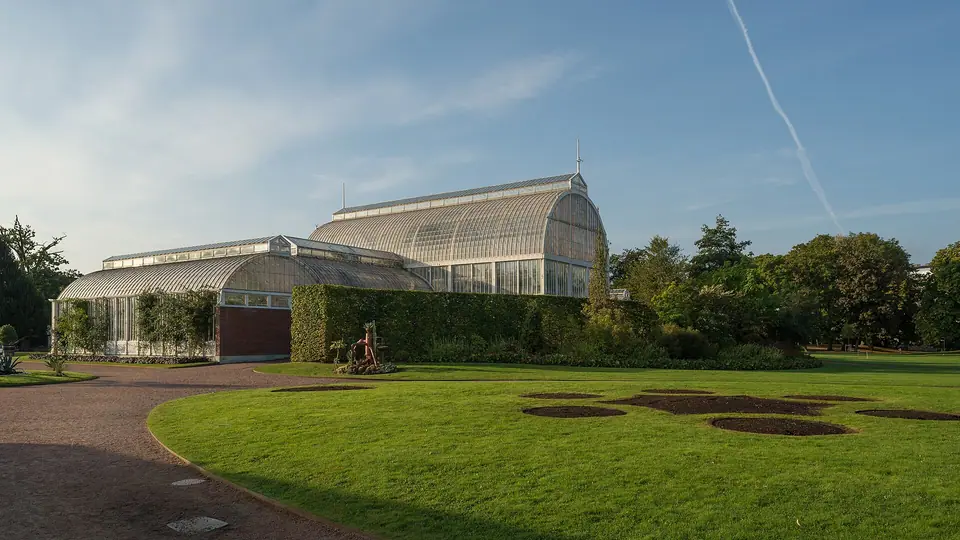
Spring is the driest part of the year, with only 8 precipitation days (at least one millimetre) per month in April and May as daytime highs climb from 12 °C in April to 17 °C in May. Late May and early June are peak bloom season for the Rhododendron Valley at the Gothenburg Botanical Garden and Azaleadalen in Slottsskogen.
During April and May, lengthening daylight warms the cobbled courtyards of Haga and Kronhusbodarna without the midsummer crowds. Pavement cafés along Avenyn set out their seasonal tables, the floating naval vessels at Maritiman reopen for deck tours, and calm spring skies make walking the island trails of Brännö and Hönö especially rewarding.
Autumn Lobster Season and Crisp Museum Days
In September (18 °C high / 11 °C low) and October (12 °C high / 6 °C low), colder sea temperatures bring the start of the autumn lobster season (the first Monday after 20 September) and Räkmackans dag on 14 October. Copper beech and oak foliage turns gold across Slottsskogen and Trädgårdsföreningen, while Feskekôrka and Stora Saluhallen showcase peak-season cold-water shellfish, langoustines, and oysters.
Winter Markets, Film Screenings, and Cosy Fika
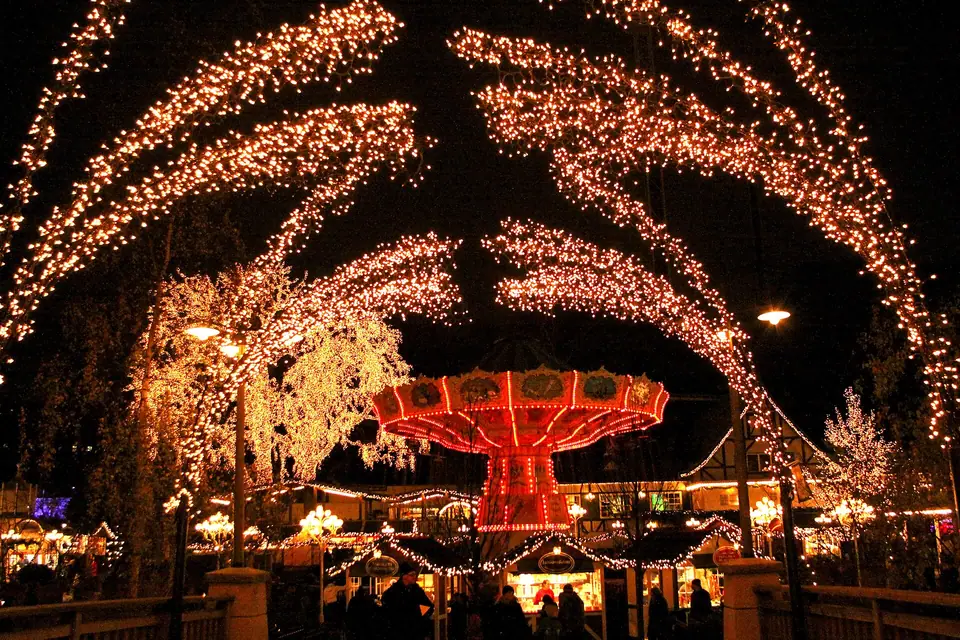
From November through February, daytime temperatures hover just above freezing while early dusk turns the focus toward candlelit cafés, concert halls, and seasonal light displays. In November and December, strings of lights reflect in the Vallgraven moat and traditional glögg (mulled wine) and saffron buns (lussekatter) fill bakeries ahead of St. Lucia concerts on 13 December.
What to Pack for the Kattegat Coast
Because coastal breezes can make archipelago ferry decks feel cooler than sheltered city squares, pack a windproof and water-resistant shell jacket in every season. Comfortable walking shoes suit the cobblestones of Kronhuset and Haga as well as the granite trails of Vrångö and Styrsö, while a light sweater or fleece layers easily for evening tram rides across our three-day Gothenburg itinerary.
Because Gothenburg's major cultural institutions, indoor food halls, and historic trams operate through all twelve months, every season offers a distinct travel experience. Summer rewards island hikers, kayakers, and outdoor festivalgoers with long twilight evenings on the Kattegat; spring and autumn bring mild walking weather, botanical blooms, and prime cold-water shellfish without peak hotel demand; and winter transforms the city centre and Liseberg into a glowing Nordic stage of Christmas markets, orchestral concerts, and film screenings.
Annual Festival Calendar
- January to early February: Average highs of 3 °C and lows of -2 °C, with 6 hours and 32 minutes of daylight at the December solstice. Since 1979, late January and early February host the Gothenburg Film Festival (Göteborg Film Festival), the largest film festival in the Nordic countries.
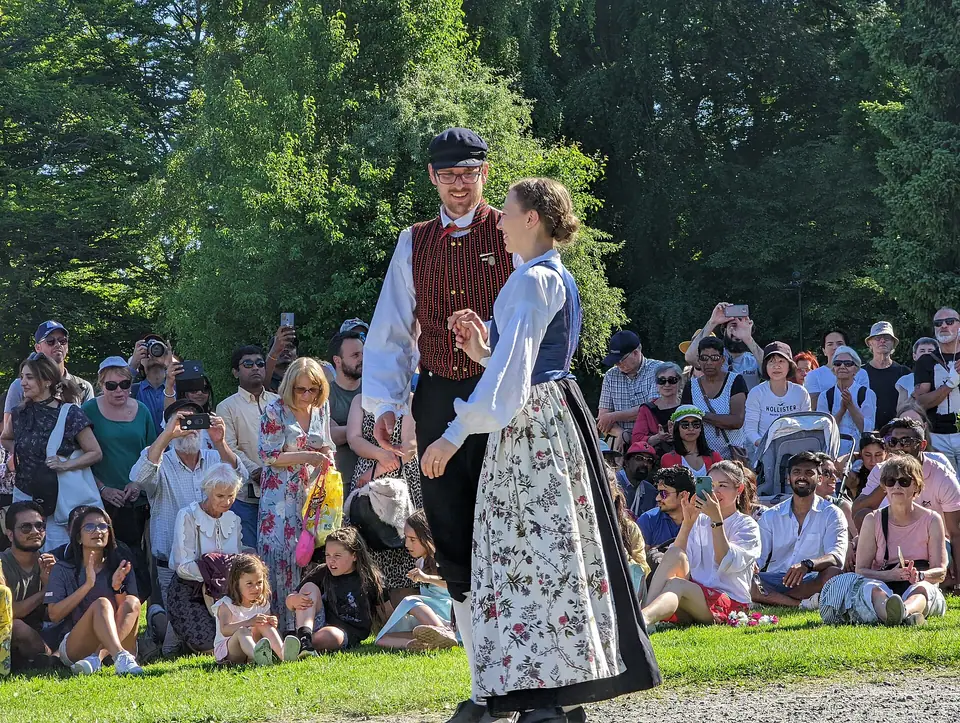
- May and June: The Göteborgsvarvet half marathon in May (one of the world's largest half marathons) and traditional Midsummer dances in Slottsskogen in late June.
- July and August: The Gothia Cup youth football tournament in July, the Way Out West music festival in Slottsskogen in August, and the late-August Gothenburg Culture Festival (Göteborgs Kulturkalas).
- November and December: Jul på Liseberg transforms Liseberg into Sweden's largest Christmas market illuminated by five million lights, alongside St. Lucia concerts on 13 December; check the official site for exact market dates.
When planning your travel dates around Gothenburg's calendar, remember that public holidays such as Midsummer Eve in late June and Christmas Eve in December bring quieter city streets as locals gather with family along the coast or at home. Checking museum, market hall, and Styrsöbolaget ferry schedules a few days ahead ensures you make the most of both long summer twilights on the Kattegat islands and cosy winter afternoons inside the city's art galleries, botanical glasshouses, and timber cafés.
Even if a passing Atlantic front brings a morning rain shower off the Kattegat, Gothenburg's compact tram network lets you pivot effortlessly from outdoor park walks to the indoor tropical rainforest of Universeum, the porcelain and Viking ship halls of the Museum of Gothenburg, the Nordic painting galleries at Götaplatsen, or a warm seafood lunch counter inside Stora Saluhallen and Feskekôrka until the afternoon sun returns over the harbour, keeping your itinerary flexible and enjoyable in every month of the year. Sunset walks along the Göta älv quays and up to Skansen Kronan remain rewarding in every season when skies clear after a coastal breeze.
Traveller tips
Real advice from people who have been to Best Time to Visit Gothenburg: SMHI Climate, Daylight and Festivals. Every tip is read by our team before it goes live.
No tips yet. Been here? Yours could be the first.
Thank you! Your tip will appear here after a quick review.
More in Gothenburg
Continue exploring Gothenburg with related neighbourhood, food, and planning guides
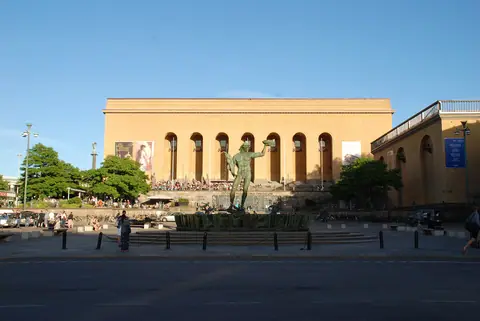
Götaplatsen, Gothenburg Museum of Art, Röhsska Museum and Avenyn
Gothenburg, Sweden
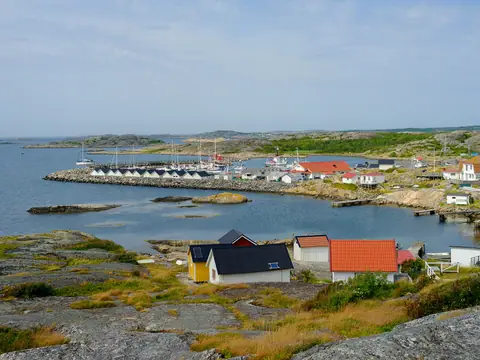
Southern Gothenburg Archipelago: Car-Free Styrsö, Vrångö and Brännö
Gothenburg, Sweden
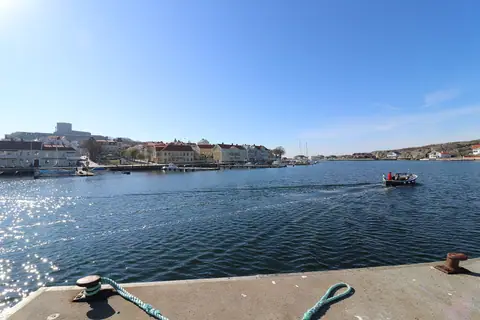
Northern Archipelago: Hönö Klåva, Öckerö and Marstrand's Carlsten Fortress
Gothenburg, Sweden
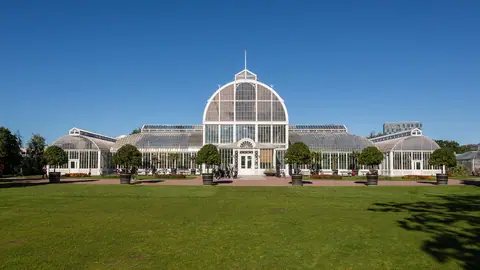
Slottsskogen, Gothenburg Botanical Garden and Trädgårdsföreningen
Gothenburg, Sweden
