


























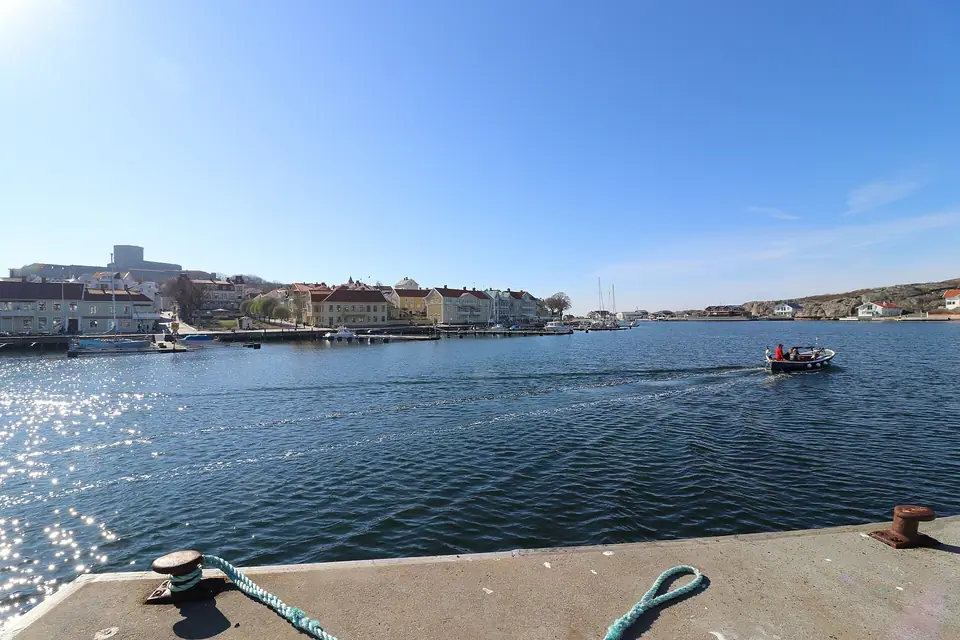
Northern Archipelago: Hönö Klåva, Öckerö and Marstrand's Carlsten Fortress
Bohuslän's northern island chain just north of Gothenburg, from the fishing harbours of Hönö Klåva and Öckerö to the royal sailing island and 17th-century fortress of Marstrand.
While the southern islands belong to Västergötland, crossing the mouth of the Nordre älv takes you into the granite skerries of southern Bohuslän, ceded by Denmark-Norway to Sweden under the 1658 Treaty of Roskilde. Immediately northwest of Hisingen lies Öckerö Municipality, an island municipality of ten year-round inhabited islands, Hönö, Öckerö, Björkö, Fotö, Hälsö, Kalvsund, Grötö, Hyppeln, Källö-Knippla, and Rörö, with no mainland bridge connection. Instead, the Swedish Transport Administration (Trafikverket) operates frequent, free yellow road ferries on the Hönöleden route from Lilla Varholmen (reached by car or Västtrafik bus from central Gothenburg) to Hönö Pinan in about 12 minutes.
Unlike the strictly car-free southern archipelago, the main islands of Öckerö Municipality are connected to one another by short road bridges, municipal bus lines, and paved cycle paths. This makes the northern chain ideal for travellers who want to combine working fishing harbours, coastal boulder trails, and bakery stops with a northward excursion along the Bohuslän coast to the historic fortress town of Marstrand.
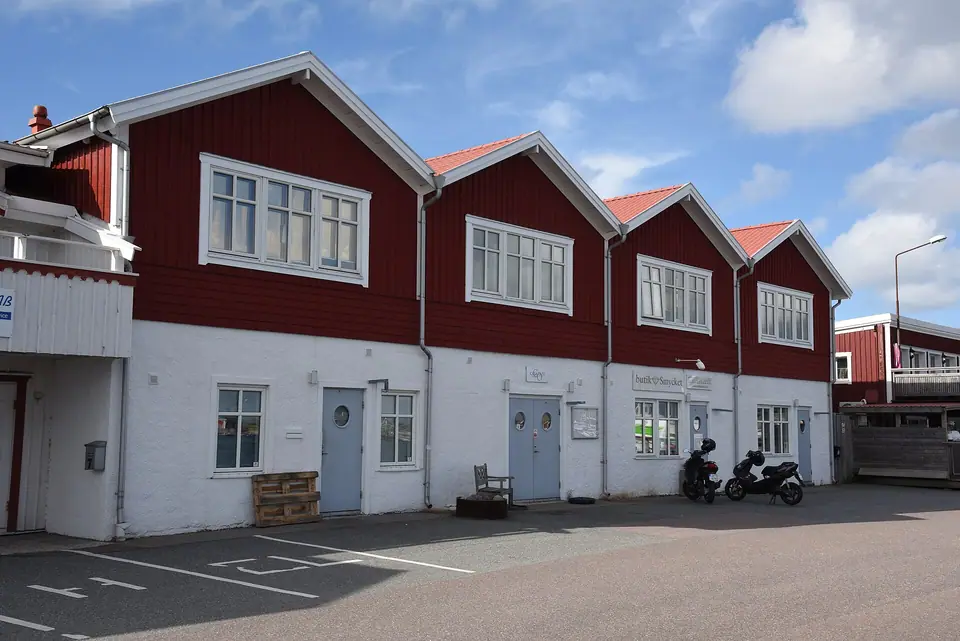
Hönö Klåva, Fotö, and Öckerö Old Church
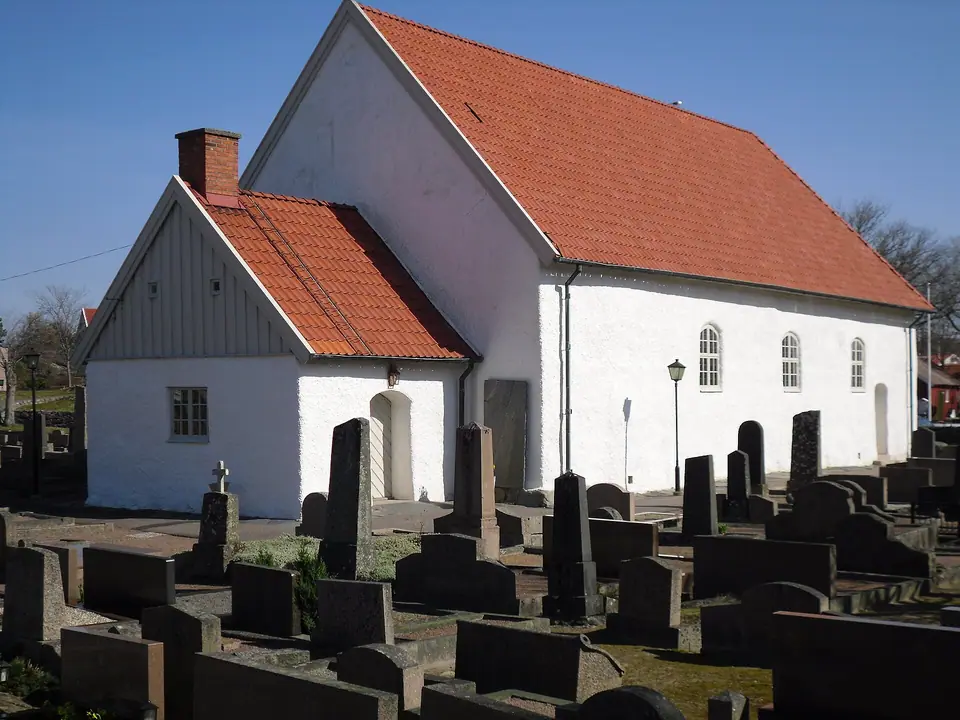
Once off the ferry at Hönö Pinan, bridges link the four main islands of Hönö, Öckerö, Hälsö, and Fotö in a continuous coastal chain. Hönö (5.62 square kilometres, 5,555 residents in 2020) is the most populous island and the birthplace of Hönökaka, the soft, perforated round flatbread baked commercially here since 1904. At the island's southwestern corner, Hönö Klåva is a working fishing harbour and marina lined with seafood restaurants, boutiques in converted net sheds, the Fishing Museum (Fiskemuseet), and boat excursions out to the 1890 lighthouse island of Vinga (where troubadour Evert Taube grew up). North across the bridge on Öckerö stands Öckerö Old Church (Öckerö gamla kyrka), a 15th-century whitewashed stone mariners' church beside a shingle-clad wooden bell tower and the 1906 granite New Church.
Inside the Fishing Museum at Hönö Klåva, preserved trawler wheelhouses, herring nets, and maritime photographs document how North Sea fishing families weathered Atlantic gales and wartime naval mines across the twentieth century. Outside along the quay, wooden benches and waterfront fishmongers face the rocky outer skerries where seasonal tour boats depart toward Vinga's granite beacon.
Coastal Trails, Bouldering at Ersdalen, and Outer Skerries
Beyond the harbour quays of Hönö Klåva, the western rim of Hönö opens onto the rugged nature reserve of Ersdalen, where Ice Age waves left fields of rounded gneiss and granite boulders prized by coastal walkers and climbers. Footpaths and wooden boardwalks wind along the outer rocks of Fotö and Hälsö, while secondary car-free ferries from Burö on Hälsö carry foot passengers and cyclists further north to the quiet harbour villages of Källö-Knippla, Hyppeln, and Rörö, whose heathland trails look directly across the open Kattegat.
On northernmost Rörö, gravel paths cross open coastal moorland where grazing sheep and Highland cattle keep the heather low between freshwater ponds and wave-smoothed stone beaches. Cyclists riding the Archipelago Trail (Skärgårdsleden) can follow island bridges from Fotö in the south all the way to Hälsö before boarding the inter-island ferry north.
Marstrand Island and Society Sailing Heritage
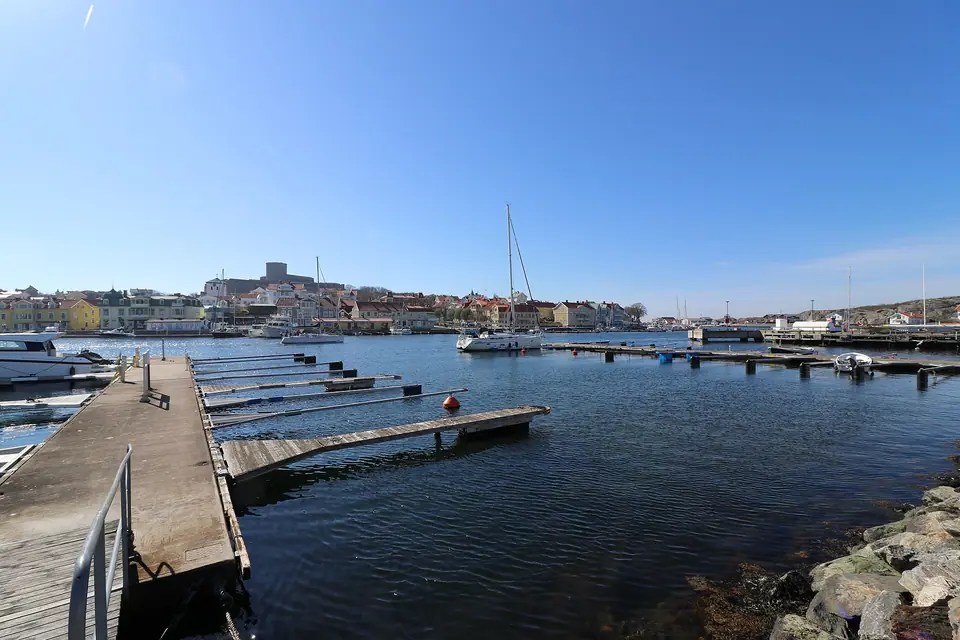
About 45 kilometres northwest of Gothenburg in Kungälv Municipality lies Marstrand, Sweden's smallest historic city charter community, founded in the 1200s by Norwegian King Håkon Håkonsson across the two islands of Koön (reached by road and bus) and car-free Marstrandsön (linked by a two-minute passenger ferry across the harbour sound). Between 1775 and 1794, King Gustav III declared Marstrand a duty-free port (Porto Franco) with religious freedom, during which Sweden's first synagogue was established here in 1780; in the late 19th century, King Oscar II's summer visits turned the island into Sweden's premier society bathing and sailing resort, a tradition continued today by the annual Match Cup Sweden regatta.
Along the eastern waterfront of Marstrandsön, pastel wooden villas, the nineteenth-century Societetshuset pavilion, and yacht marinas reflect the era when steamships carried summer visitors from Gothenburg's Packhuskajen. Marked hiking trails circle the western side of the island through narrow rock clefts such as Nålsögat (the Needle's Eye) to wave-washed granite headlands at Skallen where the Skagerrak and Kattegat waters meet.
Carlsten Fortress Above Marstrandsön
- Carlsten Fortress (Carlstens fästning): Immediately after the 1658 Treaty of Roskilde, King Charles X Gustav ordered fortifications on the 39-metre rocky summit of Marstrandsön. Designed by Johan Wärnschiöldh, Carl Gustaf Frölich, and Erik Dahlbergh, the massive granite fortress and its 1666 to 1689 tower rise 98 metres above sea level.
- Rotating lighthouse and Lasse-Maja: In 1780 to 1783, inventor Jonas Norberg installed the world's first rotating-mirror lighthouse atop Carlsten's tower. Before the fortress was decommissioned in 1882, it held famous prisoner Lars Molin (the cross-dressing thief Lasse-Maja) from 1813 to 1838; check the official site for guided fortress tours.
Because the northern islands combine active North Sea fishing fleets with preserved seventeenth-century coastal defences, a day spent between Hönö Klåva, Öckerö, and Marstrand feels distinct from the quieter residential villages of the southern archipelago. At Hönö Klåva, fishing boats still land daily catches directly opposite harbourfront bakeries and marine outfitters, whereas on Marstrandsön, steep cobbled lanes climb past painted wooden summer villas straight to the granite walls of Carlsten Fortress overlooking the open Skagerrak.
Getting to Hönö and Marstrand by Public Transit
To reach Hönö and Öckerö without a car, board Västtrafik's direct regional bus from Nils Ericson Terminal or Eketrägatan to Lilla Varholmen, walk onto the free Hönöleden road ferry, and continue by island bus to Hönö Klåva. For Marstrand, express buses run from Gothenburg Central Station via Kungälv right to the Marstrand ferry quay on Koön, where passenger ferries cross the narrow channel to car-free Marstrandsön every few minutes. Combining a morning walk around Marstrandsön's coastal trails and Carlsten's ramparts with an afternoon seafood stop at Hönö Klåva creates a full-day coastal loop; check seasonal weather and our three-day itinerary before planning your route.
Even outside the peak summer regatta weeks, the northern islands reward coastal walkers with wide horizons, active fishing quays, and uncrowded granite headlands where North Sea swells break against the outer Bohuslän rocks. Bringing a windproof layer and sturdy walking shoes ensures comfortable exploration along both the boulder trails of Hönö Ersdalen and the high stone bastions of Carlsten Fortress.
Traveller tips
Real advice from people who have been to Northern Archipelago: Hönö Klåva, Öckerö and Marstrand's Carlsten Fortress. Every tip is read by our team before it goes live.
No tips yet. Been here? Yours could be the first.
Thank you! Your tip will appear here after a quick review.
More in Gothenburg
Continue exploring Gothenburg with related neighbourhood, food, and planning guides
Liseberg Amusement Park, Universeum and World of Volvo in Gothenburg
Gothenburg, Sweden
Götaplatsen, Gothenburg Museum of Art, Röhsska Museum and Avenyn
Gothenburg, Sweden
Southern Gothenburg Archipelago: Car-Free Styrsö, Vrångö and Brännö
Gothenburg, Sweden
Slottsskogen, Gothenburg Botanical Garden and Trädgårdsföreningen
Gothenburg, Sweden
