


























What to Eat in Gothenburg: Feskekôrka, Shrimp Sandwiches and Hagabullen
A guide to Gothenburg's West Coast culinary institutions: the 1874 Feskekôrka fish church, the 1889 Stora Saluhallen, hand-peeled King Size räksmörgås, and Haga's giant cinnamon buns.
Cold, saline water flowing in from the Skagerrak and Kattegat makes the coast off Gothenburg and Bohuslän Sweden's premier fishing ground for cold-water prawns (Pandalo borealis), Norway lobster (havskräftor), blue mussels, oysters, cod, and halibut. In Gothenburg, seafood is eaten everywhere from white-tablecloth restaurants to market-hall counters and archipelago ferry cafés.
Because the deep waters of the Norwegian Trench meet the shallow coastal shelves of the Kattegat right outside the Göta älv estuary, shellfish grow slowly in cold temperatures, developing a firm texture and sweet, briny flavour. Daily catches landed at the Gothenburg fish auction in Majorna move straight to the marble slabs of the city's nineteenth-century market halls, neighbourhood bistros in Linnéstaden and Lorensberg, and waterfront kitchens overlooking the harbour channel.
Feskekôrka (1874) and Stora Saluhallen (1889)
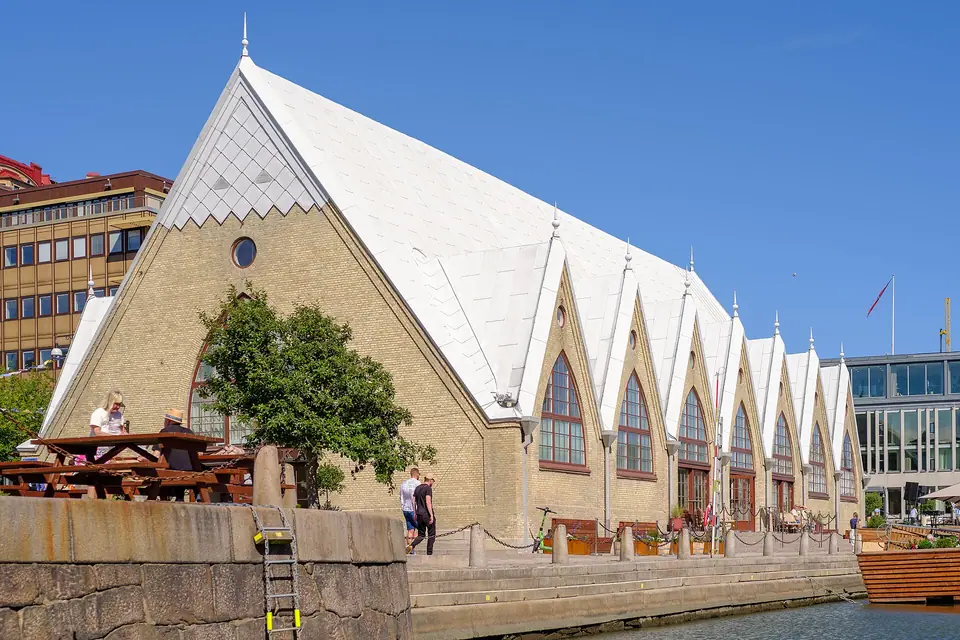
Gothenburg's most famous culinary landmark is Feskekôrka ("Fish Church" in Gothenburg dialect), standing on Fisktorget beside Rosenlundskanalen. Designed by city architect Victor von Gegerfelt and opened on 1 November 1874, the indoor fish market took its church-like profile from Norwegian wooden stave churches and Gothic stone halls, using a steep pitched roof supported by timber trusses so the main market floor remained completely free of interior pillars. Protected as a listed building (byggnadsminne) on 10 October 2013 and reopened in May 2024 following a multi-year structural restoration begun in 2020, Feskekôrka combines fresh fish and shellfish counters with indoor seafood bars and canal-side outdoor dining.
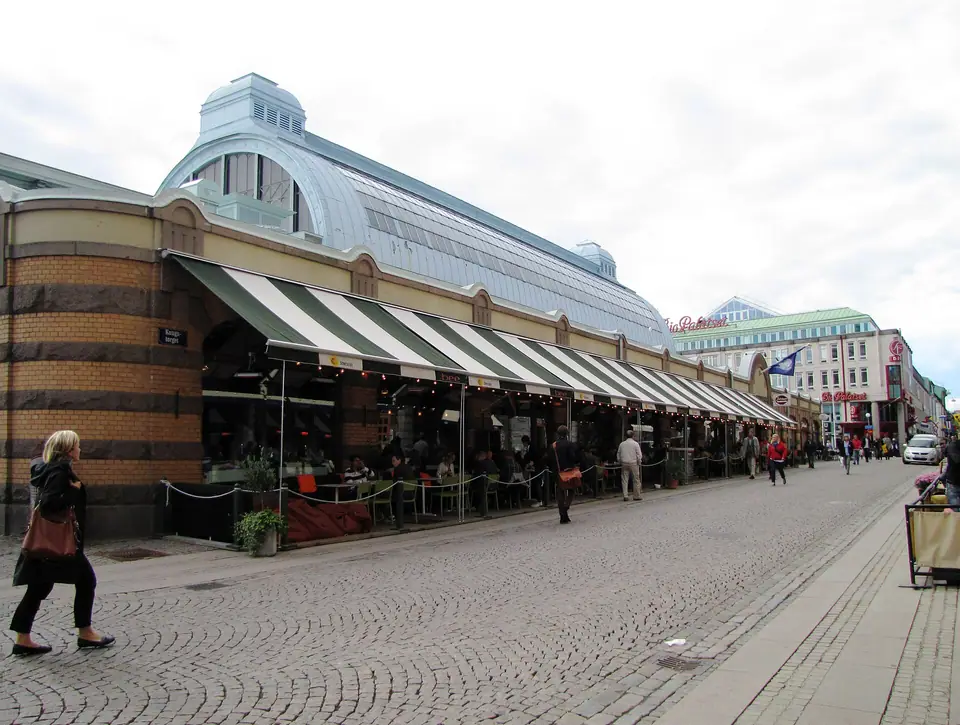
Seven hundred metres east on Kungstorget stands Stora Saluhallen, Gothenburg's main indoor food market hall. Designed by architect Hans Hedlund with engineering construction by the Lindholmen shipyard and inaugurated in 1889 over a floor area of 1,300 square metres, its high iron-and-glass barrel vault shelters around 40 independent stalls selling Swedish artisan cheeses, charcuterie, sourdough bread, spice blends, and West Coast fish lunches.
The restoration of Feskekôrka exposed von Gegerfelt's original timber roof framing and opened both long sides of the building to the water and square, allowing visitors to sit right above Rosenlundskanalen with a plate of poached halibut or freshly shucked West Coast oysters. At Stora Saluhallen, cast-iron columns riveted by nineteenth-century shipwrights frame narrow aisles where family-run delicatessens have traded for generations.
Market-Hall Lunches and West Coast Catch Seasons
Visiting both historic halls on a weekday midday shows how locals treat them as working lunchrooms as well as food markets. At Stora Saluhallen inside Inom Vallgraven, shoppers queue at counter stools for pickled herring plates, cured salmon (gravad lax) with mustard-dill sauce, and warm husmanskost specials before picking up Västergötland aged cheeses and rye loaves. Over at Feskekôrka along the canal, fishmongers shuck cold-water oysters to order and ladle bowls of saffron fish soup steps from the bridges leading into Haga. Autumn brings the celebrated West Coast lobster season and prime cold-water shellfish across the northern and southern archipelagos.
Five Gothenburg Dishes and Bakery Classics to Order
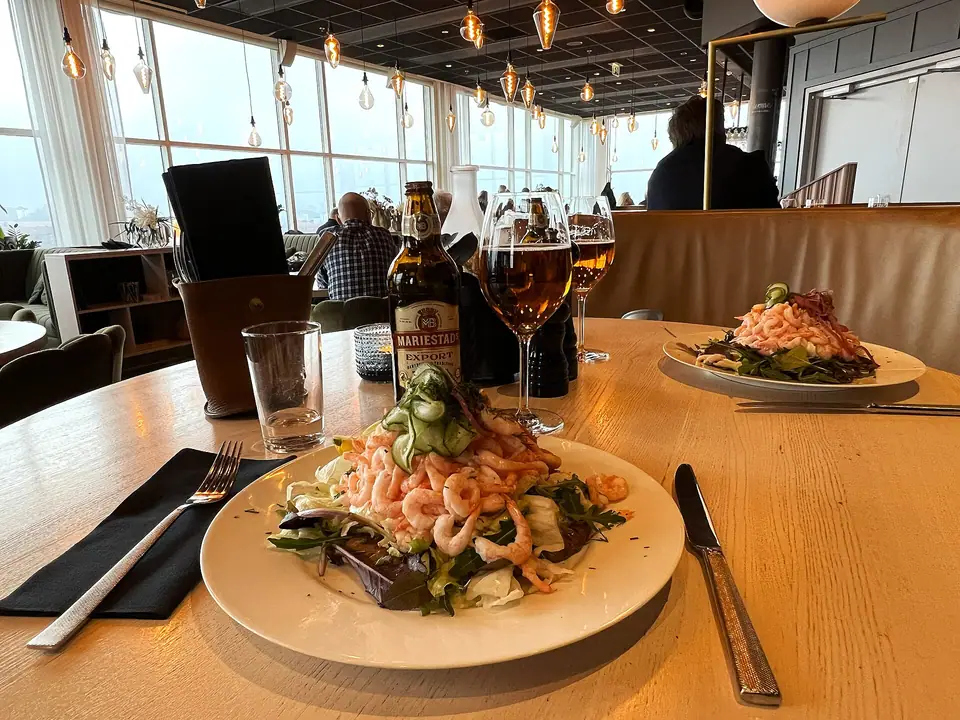
- Räksmörgås (Gothenburg Shrimp Sandwich): An open-faced sandwich layered with buttered rye bread or soft tekaka, crisp lettuce, sliced hard-boiled egg, mayonnaise, lemon, fresh dill, and a mound of hand-peeled cold-water shrimp. Its most famous version is the King Size räksmörgås served at Heaven 23 atop Gothia Towers at Korsvägen, and Sweden celebrates Räkmackans dag (Shrimp Sandwich Day) every 14 October.
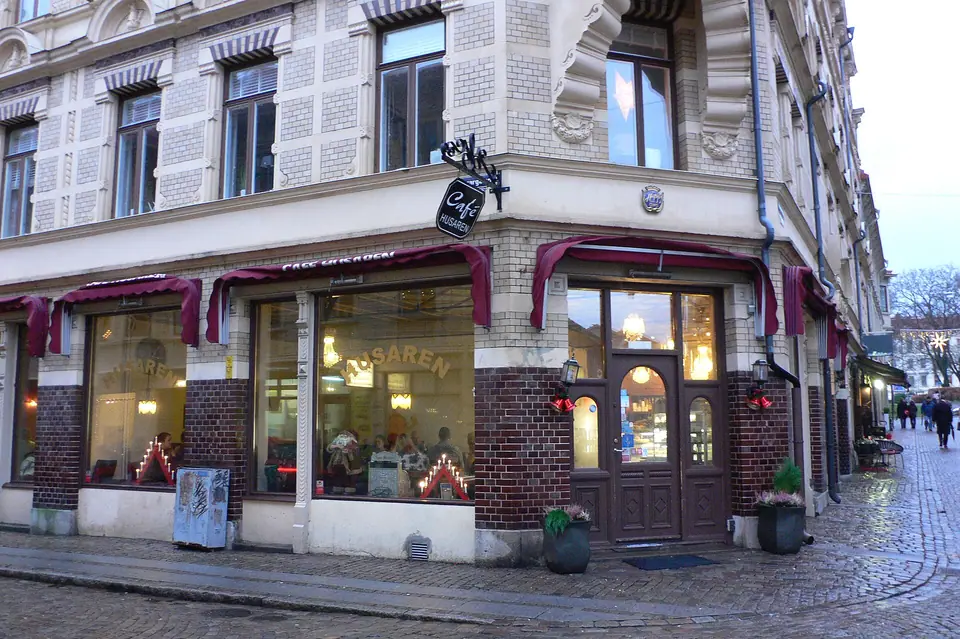
- Hagabullen (Giant Cinnamon Bun): During afternoon fika along Haga Nygata, Café Husaren bakes plate-sized cinnamon buns (kanelbullar) topped with pearl sugar inside a 19th-century wooden building with an ornate glass ceiling.
- Hönökaka: Originating on the northern island of Hönö in 1904, this soft, slightly sweet, dimpled wheat flatbread is a West Coast breakfast and shrimp-sandwich staple.
- Havskräftor and West Coast Mussels: Boiled langoustines with garlic aioli and steamed blue mussels cooked in white wine, cream, and parsley feature on bistro menus across Linnéstaden and Sjömagasinet at Klippan.
- Gothenburg Fish Soup (Fisksoppa): A saffron- or cream-enriched broth of cod, salmon, shrimp, mussels, and root vegetables served at Feskekôrka and Stora Saluhallen; check the official site for market hall hours.
Exploring Gothenburg through its kitchens also highlights how closely West Coast food traditions follow the seasons and the harbour tides. In spring and summer, outdoor tables along Rosenlundskanalen, Kungstorget, and the island piers of Styrsö and Hönö Klåva serve chilled bowls of peeled prawns, smoked mackerel, and steamed blue mussels with crusty sourdough bread. When autumn and winter winds arrive off the Kattegat, dining moves indoors beneath the timber trusses of Feskekôrka and the cast-iron arches of Stora Saluhallen for steaming saffron fish stews, poached cod with horseradish butter, and freshly baked cardamom and cinnamon buns paired with dark-roast Swedish filter coffee.
Fika Roasters, Craft Breweries, and Neighbourhood Dining
Beyond traditional seafood counters, Gothenburg has built a strong reputation for specialty coffee roasters, artisanal bakeries, and small-batch craft breweries. Along Tredje Långgatan near Järntorget, converted brick courtyard warehouses host casual food halls, sour-beer taprooms, and wood-fired kitchens, while the streets around Götaplatsen and Magasinsgatan pair Nordic tasting menus with casual street-food trucks. Stopping for a morning cardamom bun (kardemummabulle) in Kronhusbodarna, ordering a midday shrimp sandwich on an island ferry pier, or booking an evening seafood table by the harbour fit naturally into our three-day Gothenburg itinerary. Because weekday lunch specials (dagens rätt) at market counters and bistros include salad, sourdough bread, and filter coffee, midday is also the most rewarding time to sample traditional West Coast cooking.
To experience the full breadth of Gothenburg's food culture in a single day, begin with a warm cardamom or cinnamon bun and freshly roasted filter coffee along Haga Nygata or inside Kronhusbodarna, head to the marble counters of Stora Saluhallen or canal-side Feskekôrka for a midday bowl of saffron fish soup or pickled herring, and reserve an evening table in Linnéstaden, Lorensberg, or atop Gothia Towers for hand-peeled cold-water prawns, steamed blue mussels, and poached West Coast cod landed that same morning along the Kattegat shore. Across every neighbourhood, friendly counter service, seasonal West Coast produce, and unhurried afternoon coffee breaks make dining one of the highlights of a visit to western Sweden, whether you eat on a sunny harbour pier or beneath nineteenth-century market vaults.
Traveller tips
Real advice from people who have been to What to Eat in Gothenburg: Feskekôrka, Shrimp Sandwiches and Hagabullen. Every tip is read by our team before it goes live.
No tips yet. Been here? Yours could be the first.
Thank you! Your tip will appear here after a quick review.
More in Gothenburg
Continue exploring Gothenburg with related neighbourhood, food, and planning guides
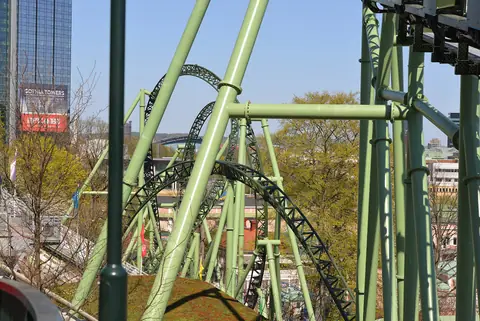
Liseberg Amusement Park, Universeum and World of Volvo in Gothenburg
Gothenburg, Sweden
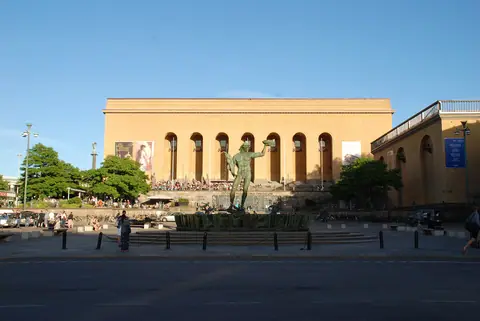
Götaplatsen, Gothenburg Museum of Art, Röhsska Museum and Avenyn
Gothenburg, Sweden
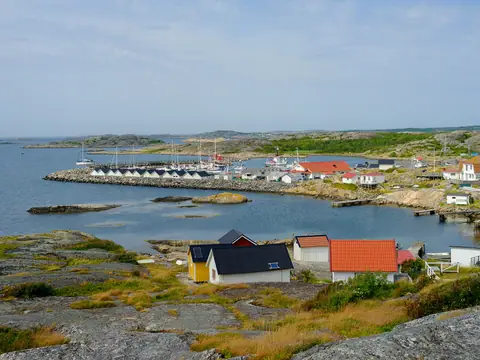
Southern Gothenburg Archipelago: Car-Free Styrsö, Vrångö and Brännö
Gothenburg, Sweden
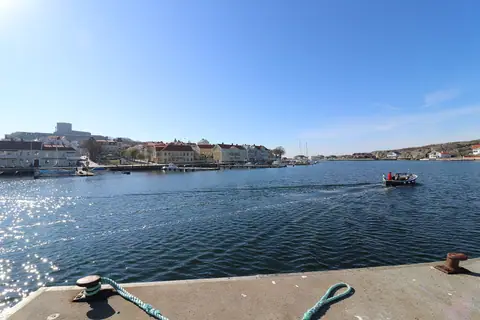
Northern Archipelago: Hönö Klåva, Öckerö and Marstrand's Carlsten Fortress
Gothenburg, Sweden
