


























Haga Wooden Quarter and Skansen Kronan Redoubt in Gothenburg
Gothenburg's oldest suburb from 1647, known for preserved 19th-century brick-and-wood landshövdingehus on Haga Nygata and the 1689 octagonal hilltop fortress of Skansen Kronan.
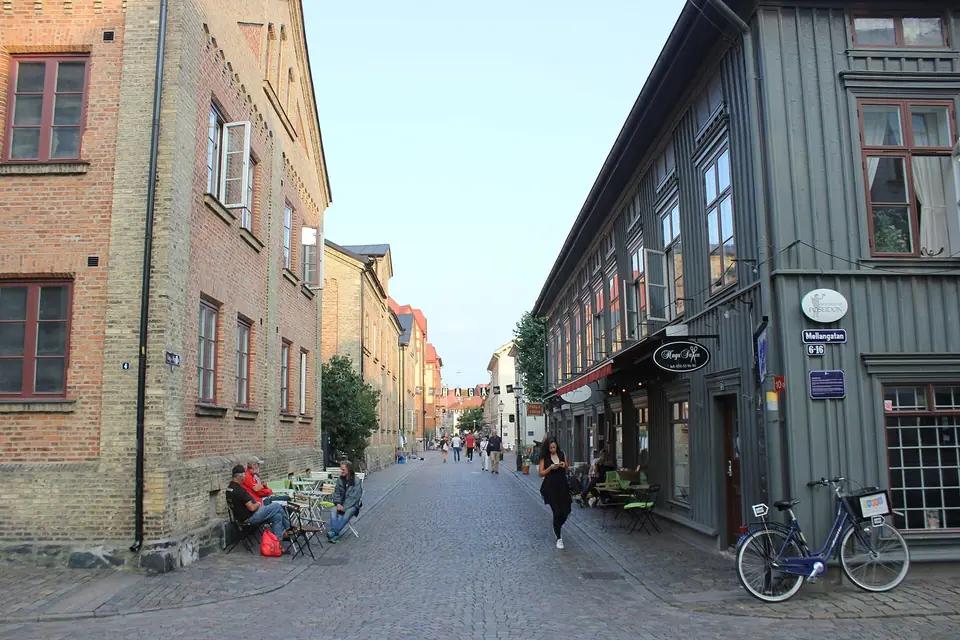
Stretching across 31 hectares immediately southwest of the central moat between Järntorget and Linnéplatsen, Haga is Gothenburg's oldest suburb. Queen Kristina decreed its creation on 25 October 1647 so fishermen, dockworkers, and artisans could settle outside the inner city fortifications, and the first street plan was drawn up in 1660 by quartermaster general Johan Wärnschiöldh. Because buildings outside the city walls had to be constructed of wood so defenders could clear the field of fire if enemy troops approached, Haga developed for two centuries as a low-slung timber quarter before expanding into a working-class industrial district from the 1840s onward.
That military building restriction inadvertently gave Haga its enduring architectural identity. Whenever Danish-Norwegian forces threatened the southern approaches to Gothenburg in the seventeenth century, authorities retained the right to dismantle or burn suburban structures standing in front of the bastion cannons. Once the city walls lost their defensive function in the early nineteenth century, Haga grew rapidly as sailors, factory hands, and craftspeople built workshops, bathhouses, churches, and cooperative tenements along its rectilinear grid between the moat and the rocky foot of Risåsberget.
Landshövdingehus Architecture and the 1970s Preservation
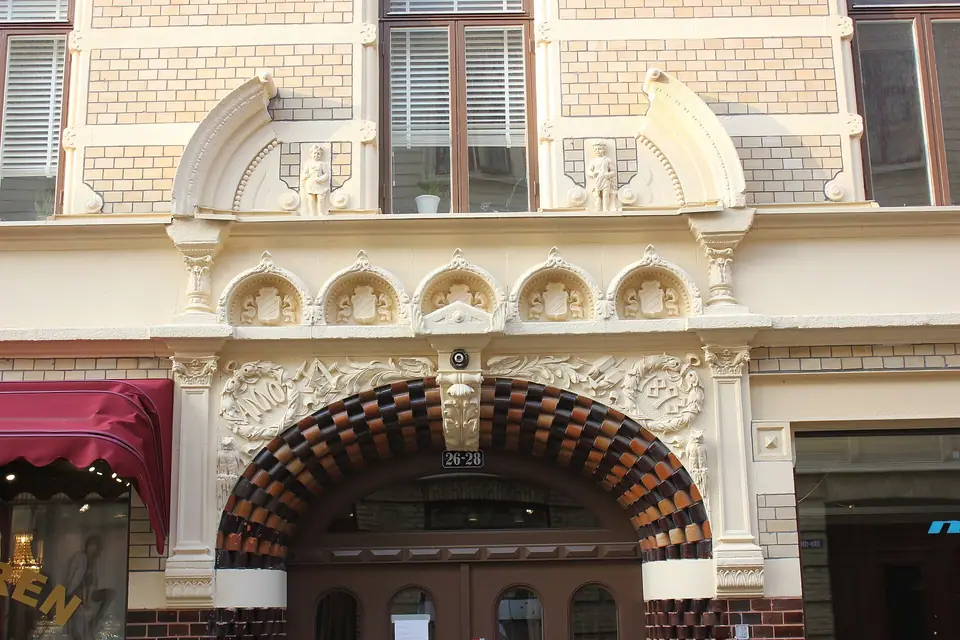
Between 1870 and 1910, Haga became defined by Gothenburg's signature housing type, the landshövdingehus (governor's house), approved by the county governor to circumvent fire regulations banning tall wooden tenements. Each house combines a fire-resistant brick or stone ground floor with two upper storeys built of timber framing and clapboard siding around a shared courtyard. By the 1960s, municipal clearance plans slated almost the entire district for demolition, and several blocks were torn down before residents, architecture students, and the Haga Group formed in 1970 campaigned to save the remaining streets. Renovated in the 1980s, pedestrian Haga Nygata now preserves a continuous row of late-19th-century landshövdingehus housing independent boutiques, bookshops, and traditional fika cafés such as Café Husaren, alongside the 1859 Gothic Revival Hagakyrkan designed by Victor von Gegerfelt and the 1904 Renströmska badet (Hagabadet).
Looking closely at the facades along Haga Nygata and its cross streets reveals subtle differences in craftsmanship from block to block. Ground-floor masonry ranges from rusticated plaster and arched shop windows to red brick, while the two timber upper floors display carved window pediments, panelled double doors opening into quiet cobbled courtyards, and muted Nordic paint palettes of ochre, sage green, and warm grey. Inside the 1904 Art Nouveau bathhouse of Hagabadet, donated by industrialist Sven Renström to improve public hygiene among working families, tiled pools and reading rooms still anchor the eastern end of the neighbourhood near Vasastaden and Linnéstaden.
Fika Culture, Bakeries, and Independent Craft Shops
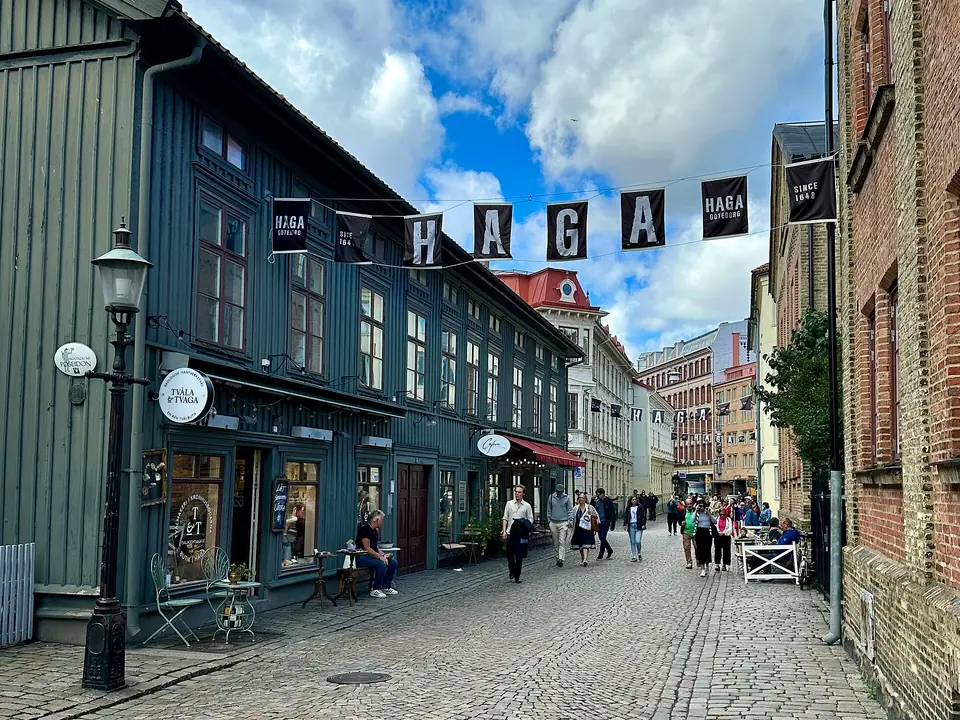
Today Haga Nygata functions as Gothenburg's liveliest daytime pedestrian street for traditional Swedish coffee culture. At Café Husaren, housed inside a late-nineteenth-century corner building with an ornamental glass ceiling, bakers pull trays of Hagabullen cinnamon buns from the oven throughout the day, serving pastries large enough to share across a marble café table. Surrounding blocks shelter independent hatters, wooden-clog makers, antique dealers, spice merchants, and toy shops that distinguish Haga from the international retail chains found inside Inom Vallgraven. Weekday mornings bring a calm neighbourhood tempo when delivery carts roll over the cobbles and church bells ring across the lawns of Hagakyrkan.
During late November and December, wooden market stalls line Haga Nygata for the neighbourhood Christmas fair, when local bakers, wool weavers, and candle makers set up beneath evergreens strung between the timber facades. In spring and summer, café chairs spill out onto the flat stone paving along the sunny northern side of the street, making it an easy mid-walk stop between the fish counters of Feskekôrka and the southern parks.
Climbing Risåsberget to Skansen Kronan
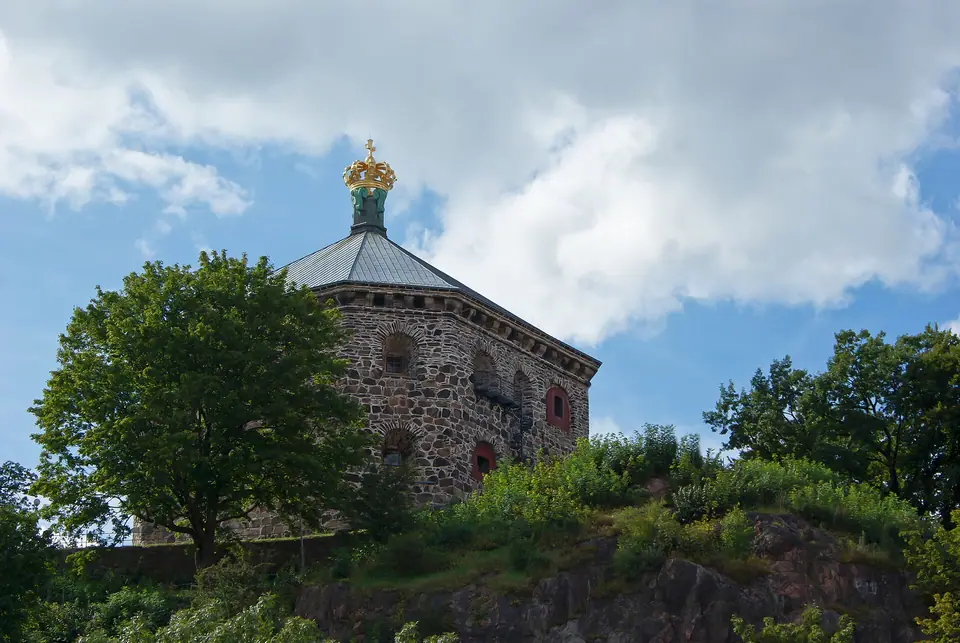
Directly above Haga's southern edge rises the 87-metre granite hill of Risåsberget (Skansberget), crowned by Skansen Kronan. Designed by military engineer Erik Dahlbergh as twin outer bastions alongside Skansen Lejonet to protect Gothenburg against Danish land attacks from the south, its foundation stone was laid on 9 June 1687. Constructed between 1687 and 1689 and fully commissioned in 1698 with 23 cannon, the four-storey octagonal tower rises 33 metres high with rough granite, gneiss, and diabase walls measuring 4 to 5 metres thick (and up to 7 metres on its defensive sides). A carved wooden crown placed on the roof in 1697 was replaced in 1899 by the present gilded copper crown.
Shaded zigzag footpaths and timber stairways lead up the wooded slope from Skanstorget at the southern edge of Haga. Because the bedrock hill stands isolated between the river valley and the southern ridges of Linnéstaden, the summit terrace offers a full circular panorama without tall office buildings blocking the horizon. Inside the massive vaulted stone casemates, heavy timber beams and embrasures show how seventeenth-century military architects engineered autonomous artillery towers capable of withstanding prolonged bombardment.
Two pedestrian approaches climb Risåsberget from Haga: a stepped path rising directly behind Skanstorget for a brisk ascent, and a gentler curving gravel lane that winds around the eastern and southern slopes beneath oak and birch trees. Either route takes just a few minutes on foot and rewards walkers with benches overlooking the terracotta and sheet-metal roofs of Haga, the gothic spire of Hagakyrkan, and the distant gantry cranes along the northern bank of the Göta älv. Late afternoon light is particularly rewarding from the western bastion wall as the sun drops toward the Kattegat horizon.
Fortress History and Onward Walking Routes
- Never fired in battle: Like its sister fortress Skansen Lejonet, Skansen Kronan was never attacked; it served as a prison in the 19th century, emergency housing during the late-19th-century housing shortage, and a military museum from 1904 until 2004, earning national listed monument status on 25 January 1935.
- Panoramic terrace: Stroll up the park paths or wooden steps from Haga to the grassy cannon bastions at 87 metres above sea level for unobstructed views across Haga's rooftops, the Göta älv shipyard cranes, and central Gothenburg; check the official site for summer café hours in the former guardhouse.
- Easy onward walk: From the western foot of Risåsberget, Linnégatan leads south in ten minutes to Slottsskogen park, or you can board a tram at Hagakyrkan toward Gustaf Adolfs torg as part of our three-day Gothenburg itinerary.
Traveller tips
Real advice from people who have been to Haga Wooden Quarter and Skansen Kronan Redoubt in Gothenburg. Every tip is read by our team before it goes live.
No tips yet. Been here? Yours could be the first.
Thank you! Your tip will appear here after a quick review.
More in Gothenburg
Continue exploring Gothenburg with related neighbourhood, food, and planning guides
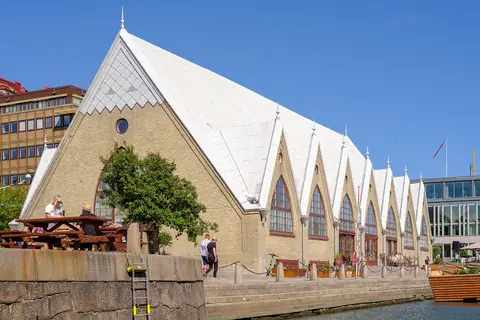
What to Eat in Gothenburg: Feskekôrka, Shrimp Sandwiches and Hagabullen
Gothenburg, Sweden
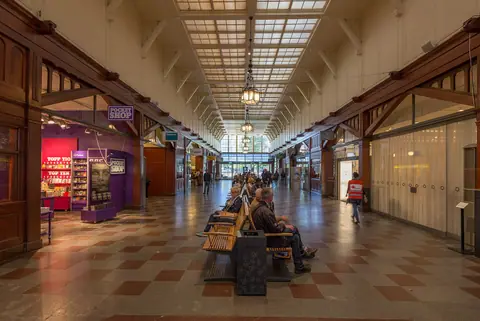
How to Get to Gothenburg: Landvetter Airport, Central Station and Trams
Gothenburg, Sweden
Where to Stay in Gothenburg: Best Areas from Inom Vallgraven to Haga
Gothenburg, Sweden
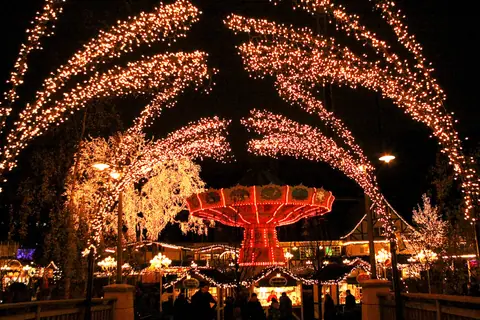
Best Time to Visit Gothenburg: SMHI Climate, Daylight and Festivals
Gothenburg, Sweden
