



















15 Best Things to Do in Gyeongju: Royal Tombs, Temples & Night Ponds
From stepping inside a 5th-century Silla royal burial mound and admiring solid gold crowns to watching Wolji Pond light up after dark, here are the 15 best experiences in Gyeongju.
Walking through Gyeongju brings you face to face with a thousand years of royal Silla history where grass-cloaked earthen pyramids sit steps away from third-wave specialty coffee houses. Because the city's monuments span 5th-century royal tombs, 8th-century granite Buddhist temples, and coastal underwater shrines, ranking the best experiences helps you balance daytime archaeology with Gyeongju's magical evening illuminations. Use our Gyeongju travel guide and 3-day itinerary to connect these 15 highlights into a smooth walking and bus loop.
| Attraction | UNESCO Belt / Zone | 2026 Entry Fee | Best Time of Day |
|---|---|---|---|
| 1. Daereungwon & Cheonmachong Tomb.. | Central Tumuli Belt. | 3,000 KRW. | 09:00 opening or 16:30 golden hour. |
| 2. Donggung Palace & Wolji Pond.. | Wolseong Belt. | 3,000 KRW. | 30 minutes after sunset (19:30 to 21:00). |
| 3. Bulguksa Temple.. | Mount Toham (Ref, 736). | Free (0 KRW). | 09:00 to 11:00 morning light. |
| 4. Seokguram Grotto.. | Mount Toham Summit. | Free (0 KRW). | 11:00 to 12:30 via Bus 12 from Bulguksa. |
| 5. Gyeongju National Museum.. | Eastern Wolseong Belt. | Free (0 KRW). | 13:30 to 16:00 midday heat. |
The Central Silla Royal Core (1 to 5)
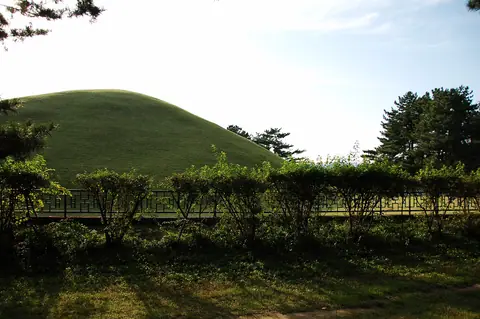
1. Step Inside Cheonmachong at the Daereungwon Tomb Complex: Enclosed within a peaceful magnolia-shaded park in downtown Gyeongju. Daereungwon contains 23 royal burial mounds from the 4th to 6th centuries, led by the double-mounded Hwangnamdaechong (98 metres wide and 23 metres high). Because Silla kings piled thousands of river boulders and thick clay over wooden burial chambers to prevent grave robbing, their gold treasures survived intact. Walk inside excavated Cheonmachong (Tomb No, 155) to see a cross-section of the stone mound construction and replicas of its 11,526 excavated artifacts. Highlights include the famous birch-bark saddle flap painted with a white winged horse.
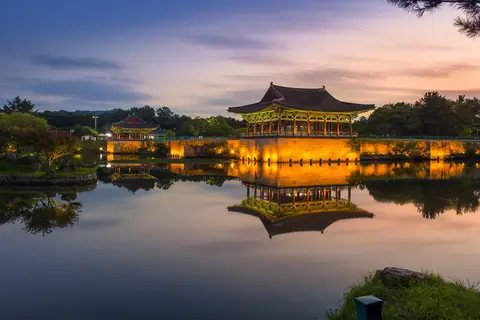
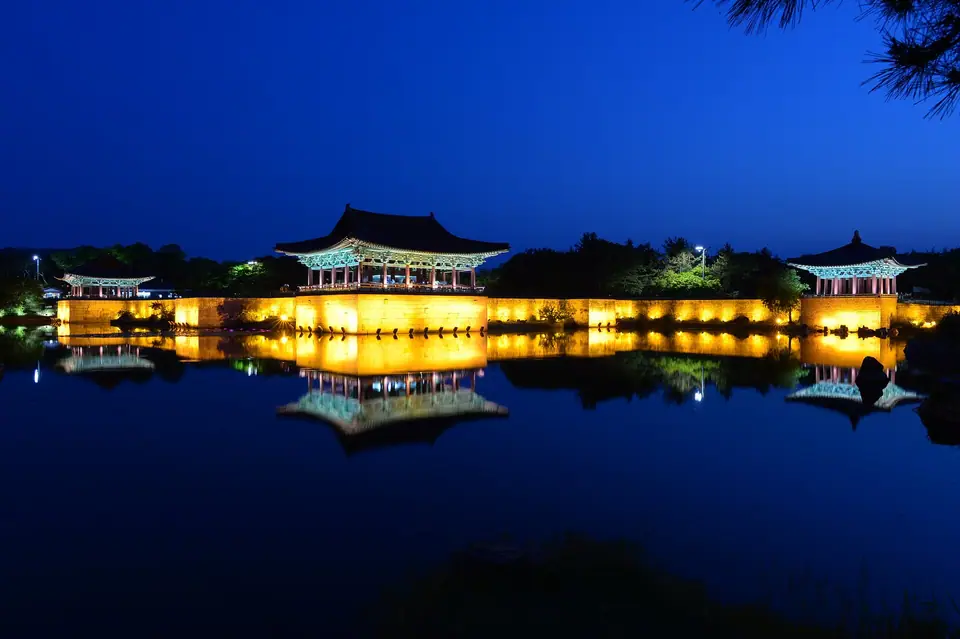
2. Photograph Donggung Palace and Wolji Pond After Dark: Built in 674 CE by King Munmu to celebrate the unification of the Korean Peninsula. Wolji Pond (formerly known as Anapji) was landscaped so that no matter where you stand along the curved stone shoreline, the entire pond can never be seen at once, symbolising a boundless ocean. After dusk, warm architectural spotlights turn the three reconstructed lakeside banquet pavilions into a mirror image on the dark water.
Cheomseongdae & Night Palaces
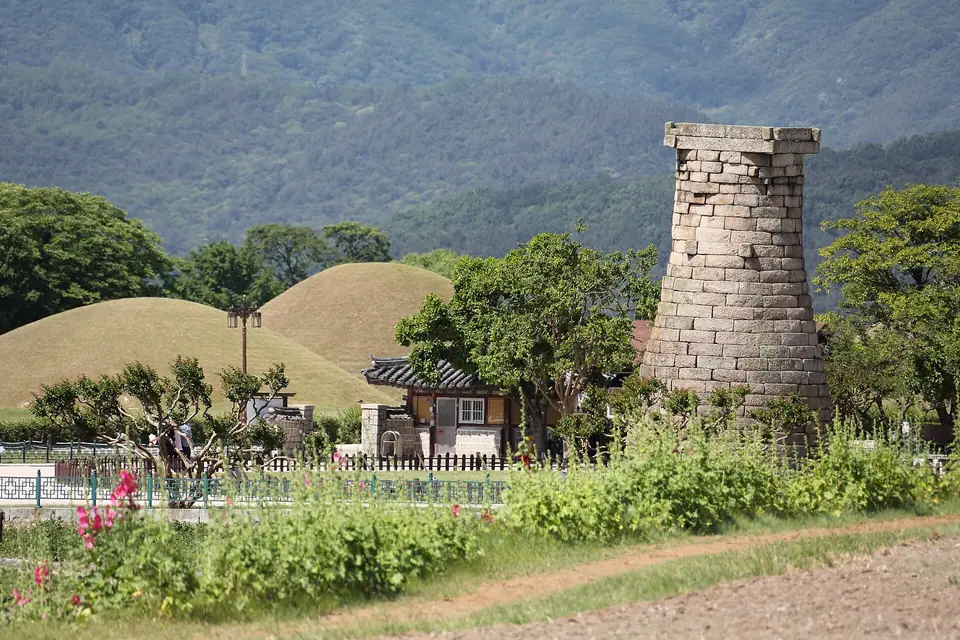
3. Stroll Past Cheomseongdae Observatory at Sunset: Standing 9.17 metres tall in a meadow of pink muhly grass and lotus ponds, Cheomseongdae was erected under Queen Seondeok (632 to 647 CE). Its 362 granite blocks represent the days of the lunar year, while 27 stone tiers mark the 27th ruler of Silla.
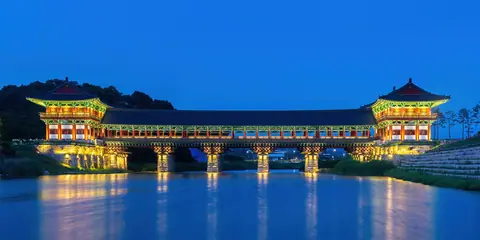
4. Cross the Two-Storey Wooden Colonnade of Woljeonggyo Bridge: Spanning the Namcheon Stream immediately south of Banwolseong Fortress, Woljeonggyo was originally constructed in 760 CE under King Gyeongdeok to link the royal palace with Mount Namsan. Rebuilt in 2018 using traditional unpainted and crimson-lacquered Korean timber joinery after decades of underwater archaeological research, the 66-metre covered bridge and its upstairs digital exhibition hall are free to enter until 22:00.
5. Behold the Solid Gold Crowns and Emille Bell at Gyeongju National Museum: No trip to Gyeongju makes sense without two hours inside the Gyeongju National Museum (free admission). In the Silla History Gallery, examine the original 5th-century Cheonmachong Gold Crown (National Treasure No, 188), shaped like shamanistic deer antlers and sacred birch trees trembling with golden spangles and jade commas. Outside in the courtyard pavilion hangs the 18.9-tonne bronze Sacred Bell of Great King Seongdeok (Emille Bell), cast in 771 CE.
Mountain Temples and Sacred Peaks (6 to 10)
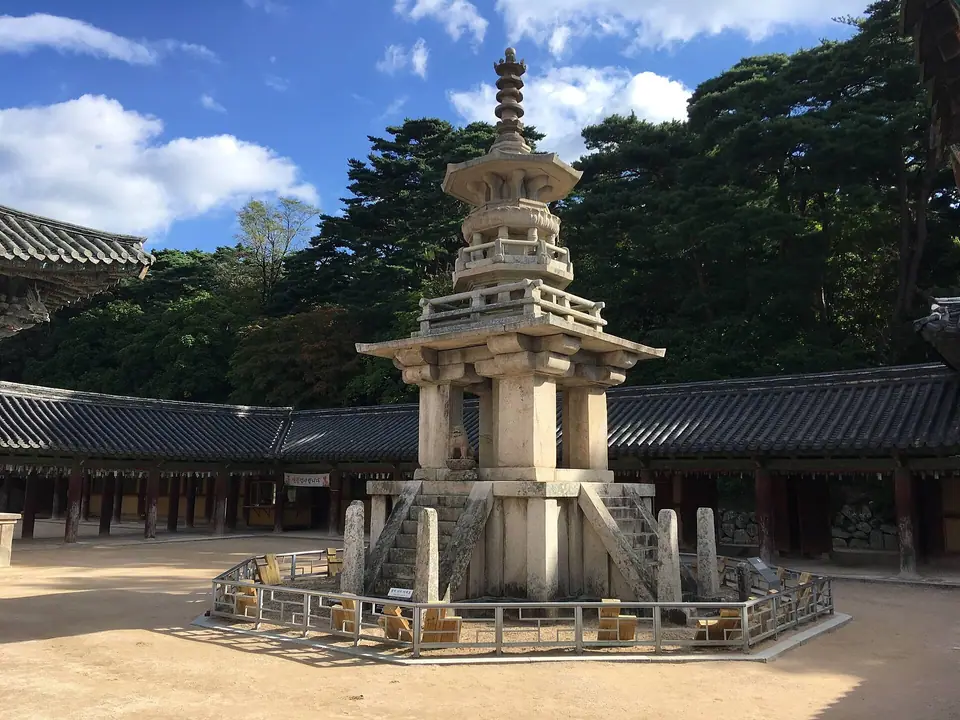
6. Walk the Stone Bridges of Bulguksa Temple: Completed in 774 CE on Mount Toham, Bulguksa Temple represents the earthly realm of the Buddha. Admire the double staircases of Cheongungyo and Baegungyo, then compare the courtyard pagodas: ornate Dabotap and austere Seokgatap.
7. Contemplate the Granite Buddha of Seokguram Grotto: High near the 745-metre ridge of Mount Toham overlooking the East Sea sits Seokguram Grotto. An artificial domed granite sanctuary engineered in the 8th century with natural spring ventilation beneath the floor to prevent condensation. Inside the rotunda sits a 3.45-metre white granite seated Sakyamuni Buddha surrounded by 39 carved relief panels of bodhisattvas, disciples, and four heavenly kings.
8. Hike the Open-Air Buddhist Trails of Mount Namsan: Lace up trail shoes and climb the Chilbulam or Samneung valley routes on Mount Namsan. Here 7th- and 8th-century Silla sculptors carved serene smiling Buddhas directly into cliff faces and freestanding granite boulders beneath red pine forests.
9. Examine the Stone Brick Pagoda of Bunhwangsa and Hwangnyongsa Foundations: Built in 634 CE under Queen Seondeok. The pagoda at Bunhwangsa Temple looks like a brick structure, yet every single "brick" was hand-cut from grey-black andesite stone. Guarded at its four corners by lively 7th-century stone lions and muscular relief guardians (Geumgangyeoksa). Next door, walk across the vast 80,000-square-metre field of foundation stones where Hwangnyongsa Temple once stood.
General Kim Yu-sin & Folk Villages
10. Explore the Tomb of General Kim Yu-sin: On a wooded hill west of the river sits the tomb of General Kim Yu-sin (595 to 673 CE), architect of Silla's unification. Twelve carved stone zodiac warrior reliefs in flowing robes encircle the mound.
Traditional Villages, Cafe Streets, and the Coast (11 to 15)
11. Cafe-Hop and Shop Along Hwangnidan-gil: Stretching for a kilometre along Poseok-ro directly west of Daereungwon. Hwangnidan-gil transformed 1960s single-storey tile-roofed houses into Gyeongju's liveliest pedestrian strip of specialty coffee roasters, rooftop bars overlooking the royal tombs, coin-shaped cheese bread stalls (Sibwon-ppang), and vintage photo studios.
12. Step Back Into Joseon Clan Life at Yangdong Folk Village: Located 20 kilometres north of town (UNESCO Ref. 1324), Yangdong Village preserves over 160 tiled giwa mansions and thatched cottages. The Wolseong Son and Yeogang Yi clans have lived here since the 15th century.
13. Visit Gyochon Traditional Village and Choi's Rich Family House: Right beside Woljeonggyo Bridge in central Gyeongju. Gyochon Village lets you tour the ancestral compound of the Gyeongju Choi Clan. Famous for maintaining ethical wealth across twelve generations by never hoarding rice during famines, and sample glass-clear Gyeongju Gyodong Beopju traditional liquor.
14. Cycle the Cherry Blossom Boardwalks of Bomun Lake: Six kilometres east of downtown. The 500-hectare reservoir of Bomunho Lake is ringed by a flat 8-kilometre lakeside walking and cycling path, the striking pagoda-shaped Hwangnyongwon training centre, and the Gyeongju World Expo Park.
East Sea Royal Coast
15. Stand Before King Munmu's Underwater Tomb: Travel out to Bonggil Daewangam Beach on the East Sea coast. Here King Munmu (died 681 CE) had his cremated ashes placed inside a rocky reef 200 metres offshore to guard Silla as a sea dragon.
Where it is
- 1Gyeongju
- Daegu International Airport (TAE) · about 52 km from Gyeongju in a straight line
- Directions in Google Maps
Traveller tips
Real advice from people who have been to Gyeongju. Every tip is read by our team before it goes live.
No tips yet. Been here? Yours could be the first.
Thank you! Your tip will appear here after a quick review.
More in Gyeongju
Continue exploring Gyeongju with related neighbourhood, food, and planning guides
Gyeongju 3-Day Itinerary: Silla Royal Tombs, Bulguksa & Namsan (2026)
Gyeongju, South Korea
Daereungwon Royal Tombs, Cheomseongdae & Hwangnidan-gil Walking Guide
Gyeongju, South Korea
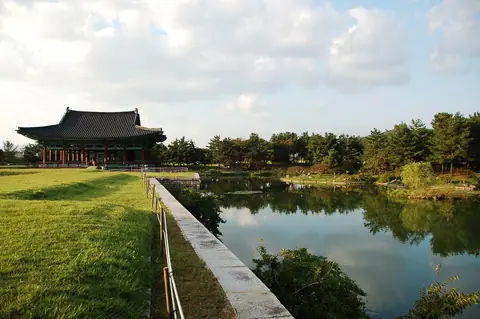
Donggung Palace, Wolji Pond & Woljeonggyo Bridge Night Walking Guide
Gyeongju, South Korea
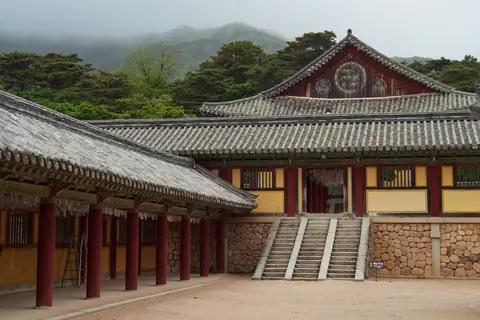
Bulguksa Temple & Seokguram Grotto Guide: Buses, Pagodas & Free Entry
Gyeongju, South Korea
