



















Gyeongju: 5 UNESCO Belts, Free Temple Rules & Navigation
Essential 2026 travel guide to Gyeongju, South Korea: how the 5 UNESCO Historic Area belts fit together, updated 2026 admission fees, Naver Map navigation, and transit tips.
Known across Korea as the "Museum Without Walls", Gyeongju served for 992 years (57 BCE to 935 CE) as the royal capital of the Silla Kingdom. Many international visitors treat the city as a rushed half-day excursion from Busan. Gyeongju's archaeological treasures are spread across four distinct geographic zones spanning 35 kilometres from the central basin to the East Sea coast. Understanding how the city's four separate UNESCO World Heritage inscriptions cluster together allows you to explore royal tombs on foot by day. Palace ponds under floodlights by night, and mountain temples at dawn without wasting hours waiting for infrequent rural buses. Pair this overview with our top things to do in Gyeongju and our Gyeongju 3-day itinerary.
| Geographic Zone | Key UNESCO & Heritage Sights | Distance from Centre | Best Transit Method |
|---|---|---|---|
| 1. Central Basin (Wolseong & Tumuli Belts).. | Daereungwon Tombs, Cheomseongdae, Donggung & Wolji Pond, Woljeonggyo Bridge, National Museum, Hwangnidan-gil. | 0 to 2.5 km (flat walkable basin). | 100% walkable or rented bicycle. |
| 2. Mount Toham (Eastern Temple Zone).. | Bulguksa Temple & Seokguram Grotto (UNESCO Ref, 736). | 16 km southeast of downtown. | City Bus 10, 11, or 700 to Bulguksa, then Bus 12 shuttle to Seokguram. |
| 3. Mount Namsan (Sacred Southern Peak).. | Over 100 Silla temple ruins, 80 stone Buddha statues, and 60 pagodas in an open-air mountain park. | 4 to 8 km south of downtown. | City Bus 500 or 505, or a 10-minute taxi (7,000 KRW as of November 2026). |
| 4. Northern & Eastern Outskirts.. | Yangdong Folk Village (north) & King Munmu's Underwater Tomb / Gameunsa on the East Sea coast (east). | 20 km north / 32 km east. | Bus 203 to Yangdong; Bus 150 to the East Sea coast or private taxi. |
How Gyeongju's Five UNESCO Historic Belts Work
When UNESCO inscribed the Gyeongju Historic Areas (Reference 976) in 2000, it grouped 52 designated heritage monuments into five thematic belts that complement the earlier 1995 inscription of Bulguksa Temple and Seokguram Grotto (Reference 736). Knowing which belt you are standing in makes route planning effortless:
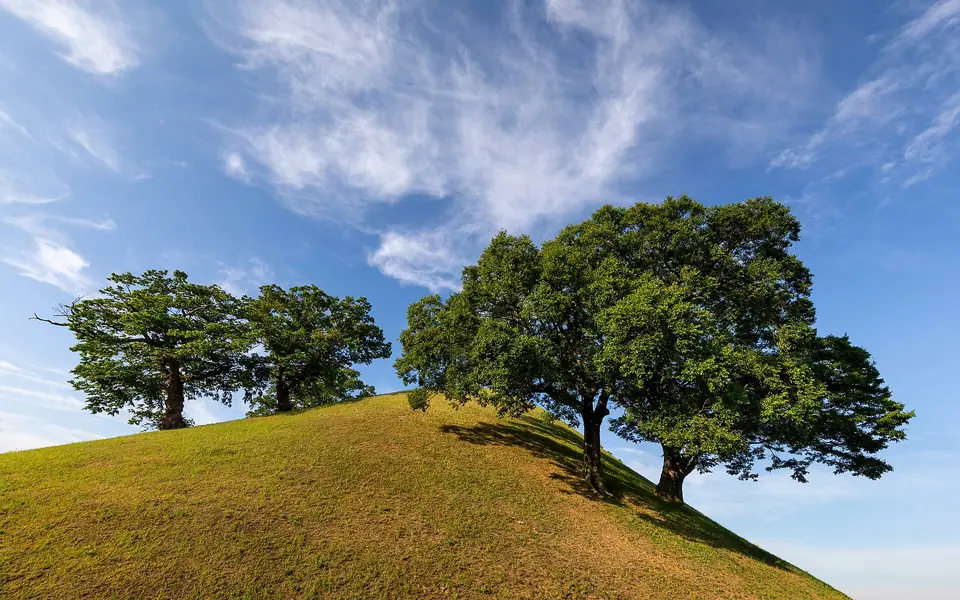
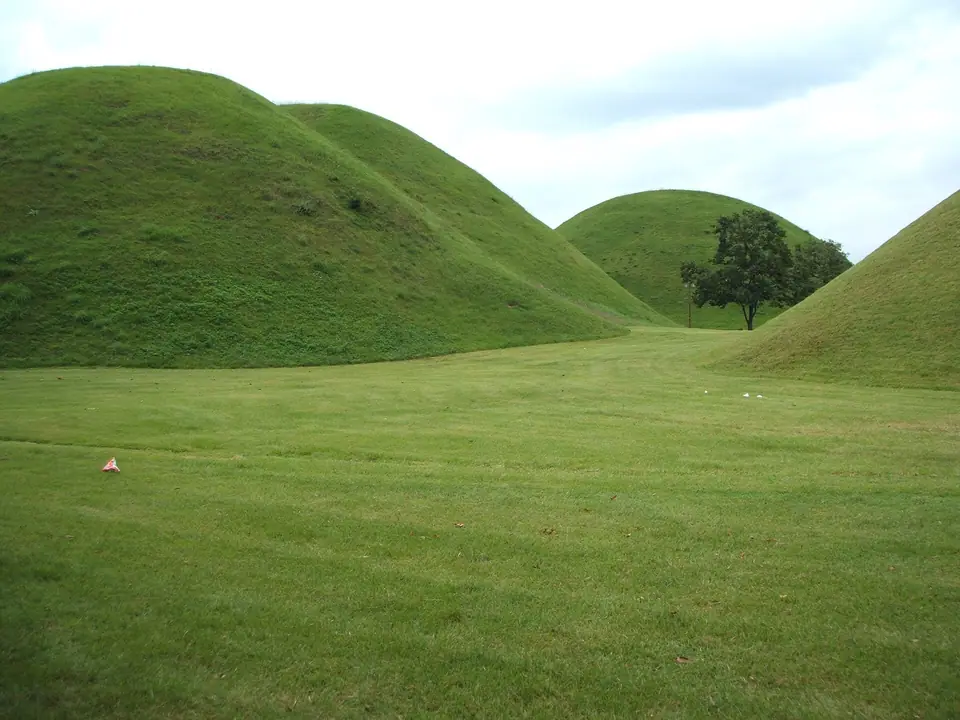
- The Tumuli Park Belt (Daereungwon). Located right in the flat urban heart of Gyeongju next to the cafés of Hwangnidan-gil, this walled park preserves 23 immense grass-covered earthen burial mounds of Silla kings, queens, and nobles. Highlights include the open interior of Cheonmachong (Tomb of the Heavenly Horse).
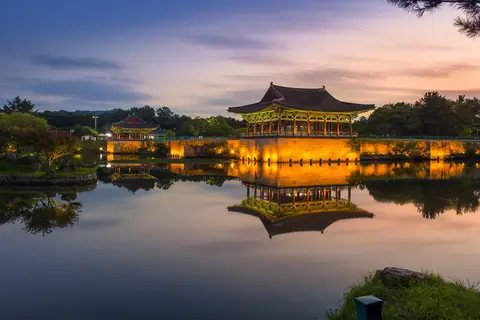
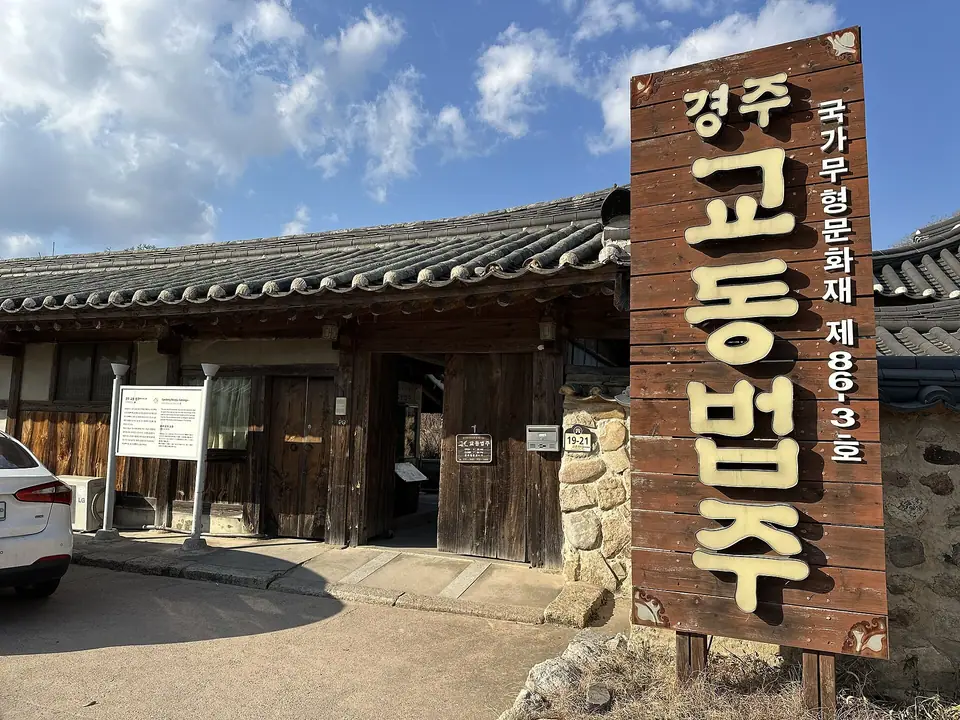
- The Wolseong (Palace Fortress) Belt. This open park belt stretches immediately south and east of Daereungwon without a single fence in between. This grassy park holds the 7th-century granite bottle tower of Cheomseongdae (East Asia's oldest surviving astronomical observatory). The crescent earthworks of Banwolseong Royal Fortress, the traditional hanok lanes of Gyochon Village, and the illuminated pavilions of Donggung Palace and Wolji Pond.
- The Hwangnyongsa Belt. Immediately north of Donggung Palace lie the monumental foundation stones of Hwangnyongsa (Temple of the Golden Dragon)., whose 9-storey wooden pagoda stood 80 metres tall in 645 CE before the Mongol invasions of 1238, together with the 634 CE stone brick pagoda of Bunhwangsa.
- The Mount Namsan Belt. Rising 494 metres directly south of Wolseong, this twin-peaked granite mountain functioned as the sacred Buddhist outdoor cathedral of Silla. Hiking its pine-shaded valleys reveals rock-cut relief Buddhas still worshipped by local pilgrims.
- The Myeonghwalsan Mountain Fortress Belt. Guarding the eastern approach to the capital near Bomun Lake, these 5th-century stone ramparts protected the royal court from eastern maritime raids.
Updated 2026 Admission Fees: What Is Free and What Requires a Ticket
One of the best changes for travellers visiting Gyeongju in 2026 is how affordable the major monuments have become. Following the May 2023 amendment to South Korea's Cultural Heritage Protection Act, which abolished state admission fees at temples housing national treasures, entry to several flagship sites is now completely free:
- Free Admission Sites (0 KRW as of November 2026). Bulguksa Temple, Seokguram Grotto, the Gyeongju National Museum ( note that you still scan a free entry barcode at the gate). Cheomseongdae Observatory grounds, Woljeonggyo Bridge, Gyochon Village, and the hiking trails of Mount Namsan.
- Ticketed Municipal Sites (as of November 2026). Daereungwon Tomb Complex costs 3,000 KRW for adults (1,000 KRW for children) and includes entry inside the excavated Cheonmachong burial chamber. Donggung Palace and Wolji Pond costs 3,000 KRW for adults (open 09:00 to 22:00, last ticket 21:30). Bunhwangsa Temple costs 2,000 KRW, and Yangdong Folk Village costs 4,000 KRW.
Essential Navigation Rule: Why You Must Use Naver Map or KakaoMap
Because South Korean national security laws restrict the export of high-resolution government mapping data to foreign servers, Google Maps does not support walking directions, cycling routes, or accurate real-time bus arrival times inside Gyeongju. Before you board the train to Gyeongju, install either Naver Map or KakaoMap on your smartphone and switch the app interface language to English in the settings menu. Both apps show exact pedestrian footpaths through the Wolseong parklands, live GPS tracking of Bus 10, 11, and 12 on Mount Toham, and café opening hours along Hwangnidan-gil.
Day-by-Day Rhythm: Beating the Crowds and Summer Heat
Gyeongju's central tomb and palace belt sits in an open valley with relatively little shade along the gravel walkways between Cheomseongdae and Donggung Palace. During late spring, summer, and early autumn, structure your day in three phases:
- 08:00 to 11:30 (Mountain & Temple Morning). Board Bus 10 or 11 early to reach Bulguksa Temple at its 09:00 opening or start a morning hike on Mount Namsan while the pine forest air is cool.
- 12:30 to 16:30 (Air-Conditioned Museum & Café Hours). Enjoy a traditional Ssambap lunch, spend two hours inside the climate-controlled galleries of the Gyeongju National Museum, and relax in a courtyard hanok tea house on Hwangnidan-gil.
- 17:00 to 21:30 (Golden Hour & Night Illumination Walk). Walk through Daereungwon and Cheomseongdae just before sunset, cross the illuminated wooden colonnade of Woljeonggyo Bridge at dusk. Finish at Donggung Palace and Wolji Pond after dark when the Silla pavilions glow like gold against the black water.
Luggage Storage, Bicycles, and Cashless Payments
If you are stopping in Gyeongju between Seoul and Busan, automated coin and card luggage lockers are located inside Gyeongju KTX Station, at the Gyeongju Express & Intercity Bus Terminals in Noseo-dong, and beside the Daereungwon main parking lot (2,000 to 5,000 KRW per bag as of November 2026). Gyeongju's flat central basin is also one of the best cycling cities in Korea. You can unlock a public Tashu / Gyeongju shared bicycle or rent a pedal or electric bicycle from shops outside the Express Bus Terminal and along Hwangnidan-gil (5,000 to 10,000 KRW for 3 hours). Credit cards (Visa, Mastercard, Apple Pay via Hyundai Card terminals) are accepted at 99% of restaurants, cafés, and ticket kiosks. You only need 20,000 to 30,000 KRW in cash to top up your T-money transit card at convenience stores (CU, GS25, or 7-Eleven).
Where it is
- 1Gyeongju
- Daegu International Airport (TAE) · about 50 km from Gyeongju in a straight line
- Directions in Google Maps
Traveller tips
Real advice from people who have been to Gyeongju. Every tip is read by our team before it goes live.
No tips yet. Been here? Yours could be the first.
Thank you! Your tip will appear here after a quick review.
More in Gyeongju
Continue exploring Gyeongju with related neighbourhood, food, and planning guides
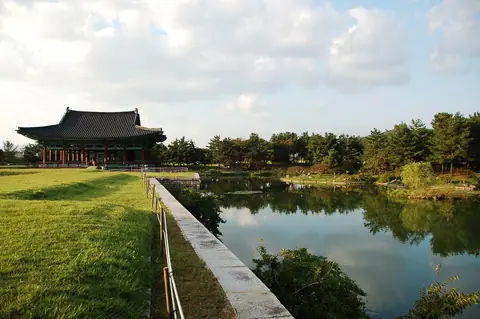
Donggung Palace, Wolji Pond & Woljeonggyo Bridge Night Walking Guide
Gyeongju, South Korea
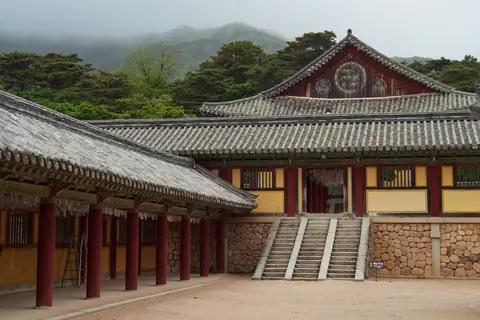
Bulguksa Temple & Seokguram Grotto Guide: Buses, Pagodas & Free Entry
Gyeongju, South Korea
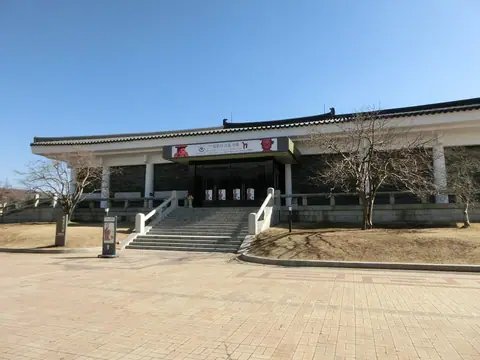
Gyeongju National Museum Guide: Silla Gold Crowns, Emille Bell & Wolji Hall
Gyeongju, South Korea
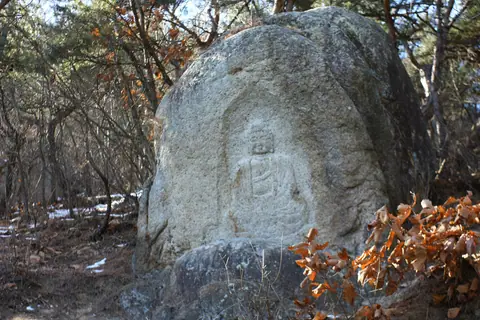
Mount Namsan Hiking Guide: Samneung Trail, Rock Buddhas & Silla Pagodas
Gyeongju, South Korea
