
























What to Eat in Gyeongju: Royal Ssambap, Hwangnam Bread & Hanwoo BBQ
Essential 2026 food guide to Gyeongju: where to eat a 20-dish royal Ssambap feast, original 1939 Hwangnam-ppang red-bean pastries, Chalbori-ppang, and Hanwoo beef.
Fertile alluvial plains along the Hyeongsan River, clean mountain water from Mount Toham. Cold East Sea currents have made Gyeongju a rich culinary region since the Silla Dynasty. Specialities range from 20-dish Ssambap (leaf-wrap feasts) in hanok dining rooms to warm Hwangnam Bread from an 85-year-old family oven. Here is exactly what to eat in Gyeongju in 2026, complete with real restaurant names, street-food stops, and dated prices. Pair this culinary guide with our Daereungwon and Hwangnidan-gil walk and Gyeongju travel guide.
| Gyeongju Specialty | What It Is | 2026 Price Range | Where to Try It |
|---|---|---|---|
| 1. Gyeongju Ssambap (쌈밥).. | Fresh organic leafy greens with bulgogi, spicy pork, braised mackerel, doenjang-jjigae, and 15+ banchan. | 16,000 to 24,000 KRW per person. | Daereungwon / Cheomseong-ro Ssambap alley (e.g., 별채반 교동쌈밥 / Gyodong Ssambap). |
| 2. Hwangnam-ppang (황남빵).. | Thin golden pastry stamped with a chrysanthemum and packed with sweet domestic red-bean paste (pat). | 1,200 KRW each / 24,000 KRW (box of 20). | Original Hwangnam Bread flagship bakery (783 Taejong-ro, founded 1939). |
| 3. Cheonnyeon Hanwoo Galbisal (한우갈비살).. | Gyeongju certified Korean beef short-rib fingers grilled over white oak charcoal. | 26,000 to 34,000 KRW per 130g to 150g portion. | Chunhaecheon / Cheonbuk Hanwoo towns or downtown BBQ halls. |
| 4. Chalbori-ppang & 10-Won Bread.. | Fluffy glutinous barley pancakes with red bean; Dabotap coin bread stuffed with mozzarella. | 1,000 KRW (barley cake) / 4,000 KRW (10-won bread). | Danseokga Chalbori-ppang & Hwangnidan-gil street stalls. |
Gyeongju Ssambap: The 20-Dish Leaf-Wrap Feast
If you sit down for only one traditional lunch in Gyeongju, make it Ssambap (쌈밥) along the historic restaurant strip between the eastern stone wall of Daereungwon and Cheomseongdae. In Korean dining, ssam means wrapping a spoonful of warm steamed rice, grilled meat. Savoury fermented soybean paste (ssamjang) inside a crisp, fresh vegetable leaf, a custom symbolising wrapping up good fortune (bok). A Ssambap set menu costs 16,000 to 24,000 KRW per person as of November 2026 (most restaurants require two portions, though Byeolchaeban Gyodong Ssambap outside Daereungwon welcomes solo diners). Servers carry out a massive tray holding:
- A tiered basket of ten different seasonal leafy greens (perilla leaves, red oak lettuce, steamed cabbage, kale, angelica leaves, and kelp).
- A main platter of soy-marinated beef bulgogi, spicy gochujang pork (jeyuk-bokkeum), or smoked duck.
- A bubbling earthenware pot of soybean paste stew (doenjang-jjigae), braised radish mackerel, and 15 to 20 seasonal side dishes (banchan).
Hwangnam Bread (1939) vs. Gyeongju Bread vs. Chalbori-ppang
Walking down Taejong-ro and Hwangnidan-gil, you will see dozens of glass bakery windows where pastry chefs hand-roll sweet red-bean pastries. Knowing the difference between Gyeongju's three signature bakes makes choosing souvenirs easy:
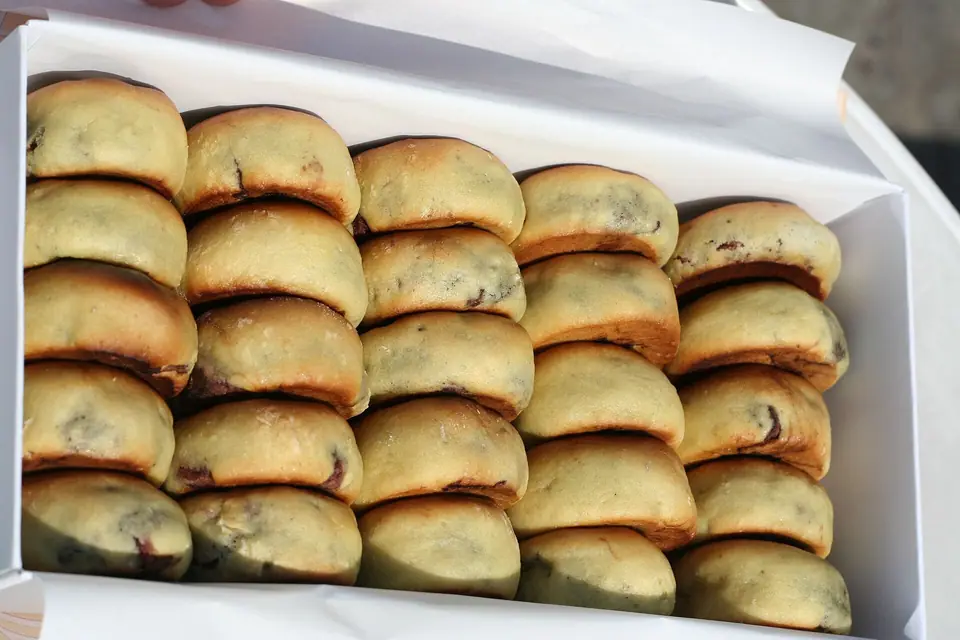
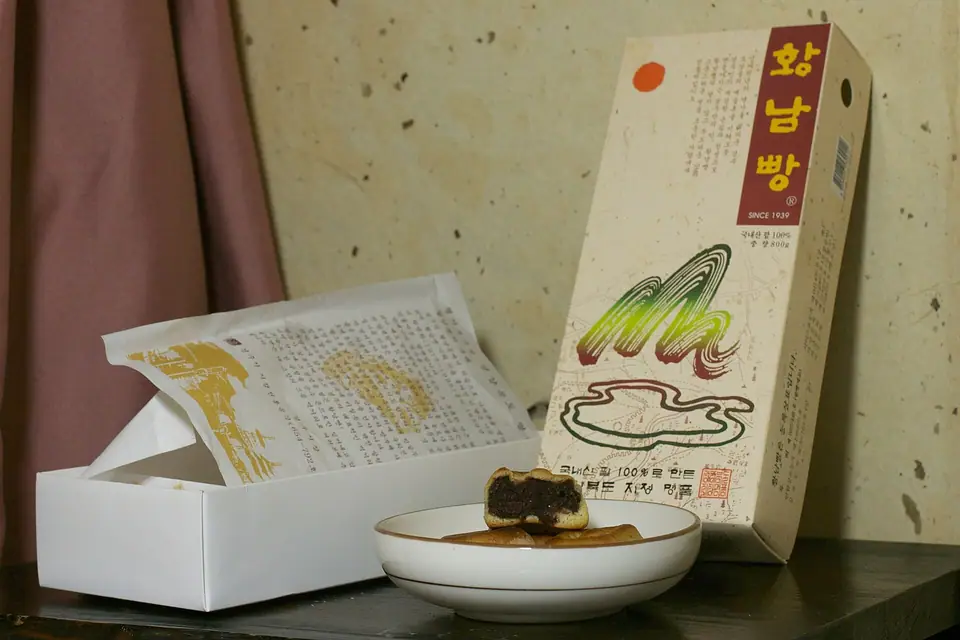
- Original Hwangnam-ppang (황남빵, Founded 1939). Invented in 1939 by master baker Choi Yeong-gap in Hwangnam-dong, a true Hwangnam Bread is 75% smooth. Sweet domestic Korean red-bean paste (pat-so) encased in a paper-thin, egg-brushed crust stamped on top with a chrysanthemum flower crest and baked without artificial preservatives. Instead of buying generic boxes at souvenir stalls, walk five minutes east of Hwangnidan-gil to the original family-run Hwangnam Bread flagship store at 783 Taejong-ro. There you can buy a warm box straight out of the oven (24,000 KRW for a 20-piece box or 36,000 KRW for 30 pieces as of November 2026).
- Gyeongju-ppang (경주빵). When apprentices from the original bakery opened their own shops across the city in the 1960s and 1970s, They sold the exact same chrysanthemum-stamped red-bean pastry under the public geographic indication Gyeongju-ppang (such as long-running Isangbok Gyeongju Bread).
- Chalbori-ppang (찰보리빵, Glutinous Barley Pancakes). If you find pure red-bean paste too sweet or dense, try Gyeongju's second beloved bake. Two light, spongy mini-pancakes made from 100% Gyeongju-grown glutinous barley flour sandwiched around a thin, delicate smear of red-bean cream (pioneered by Danseokga Chalbori-ppang, around 10,000 to 12,000 KRW for a box of 10 as of November 2026).
Gyeongju Cheonnyeon Hanwoo: Charcoal-Grilled Korean Beef
Gyeongju raises more native Korean Hanwoo cattle than almost any other county in Gyeongsangbuk-do, certified under the municipal brand Gyeongju Cheonnyeon Hanwoo ("Millennium Hanwoo"). While Seoul restaurants focus on thick ribeye steaks, Gyeongju's signature cut is Hanwoo Galbisal (boneless beef short-rib fingers)., heavily marbled strips of meat trimmed from between the ribs, lightly scored with a knife, and flash-seared at your table over glowing white oak charcoal (cham-sut). Dip a piece in roasted coarse sea salt with sesame oil, or wrap it in pickled wild garlic leaf (myeongi-namul). Top-rated local spots exist both downtown near Noseo-dong / Hwangnam-dong and in the dedicated butcher-restaurant villages of Cheonbuk and Naenam (around 26,000 to 34,000 KRW per 130g to 150g raw serving as of November 2026).
Seongdong Market, Sundubu-jjigae, and Hwangnidan-gil Street Snacks
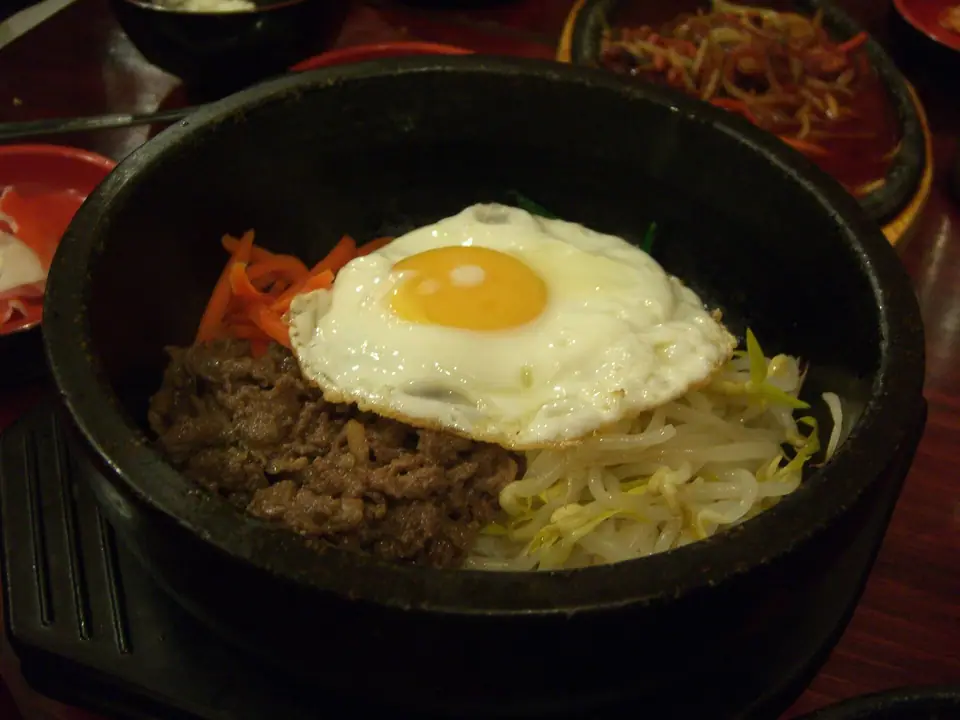
For an authentic, budget-friendly local breakfast or lunch away from tourist menus, walk to Seongdong Market (성동시장), located directly opposite the former downtown Gyeongju train station (open 07:00 to 20:00). Head inside to the lively Bunsik and Buffet Alley, where market grandmothers pile a tray with ten homemade side dishes, warm soup, and barley rice for 8,000 to 9,000 KRW. You can also grab a pack of Gyeongju's famous Burdock Root Gimbap (Ueong Gimbap), overflowing with sweet-savoury braised burdock root strips wrapped outside the rice roll. On chilly mornings near Bulguksa Temple, stop at the Millstone Soft Tofu Village (Maetdol Sundubu) for bubbling handmade tofu stew (sundubu-jjigae, 12,000 KRW). Back on Hwangnidan-gil, try a hot 10-Won Bread (Sibwon-ppang, 4,000 KRW), a crispy waffle stamped with Dabotap pagoda and stuffed with mozzarella.
Where it is
- 1Gyeongju
- Daegu International Airport (TAE) · about 50 km from Gyeongju in a straight line
- Directions in Google Maps
Traveller tips
Real advice from people who have been to Gyeongju. Every tip is read by our team before it goes live.
No tips yet. Been here? Yours could be the first.
Thank you! Your tip will appear here after a quick review.
More in Gyeongju
Continue exploring Gyeongju with related neighbourhood, food, and planning guides
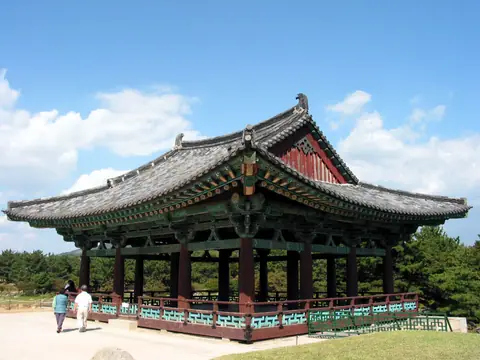
Best Time to Visit Gyeongju: Cherry Blossoms, Pink Muhly & Seasons
Gyeongju, South Korea
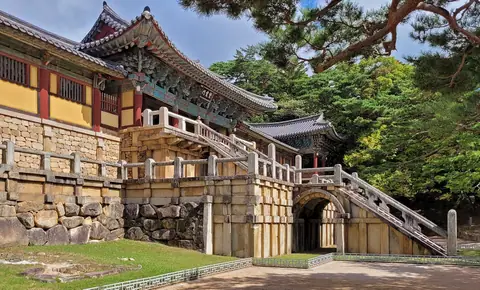
What to Wear in Gyeongju: Temple Etiquette, Hanbok Rental & Hiking Gear
Gyeongju, South Korea
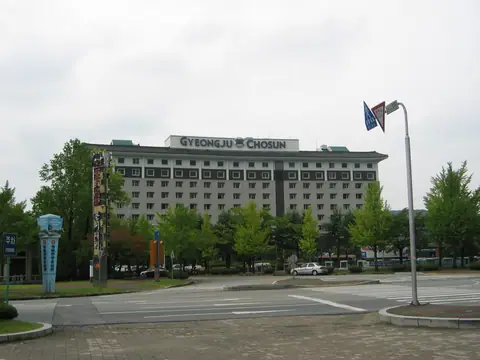
Where to Stay in Gyeongju: Hwangnidan-gil Hanoks vs Bomun Lake Resorts
Gyeongju, South Korea

Gyeongju 3-Day Itinerary: Silla Royal Tombs, Bulguksa & Namsan (2026)
Gyeongju, South Korea
