



















Where to Stay in Gyeongju: Hwangnidan-gil Hanoks vs Bomun Lake Resorts
Area-by-area accommodation guide to Gyeongju for 2026: traditional wooden hanok stays on Hwangnidan-gil, Bomun Lake 5-star resorts, and Terminal budget hotels.
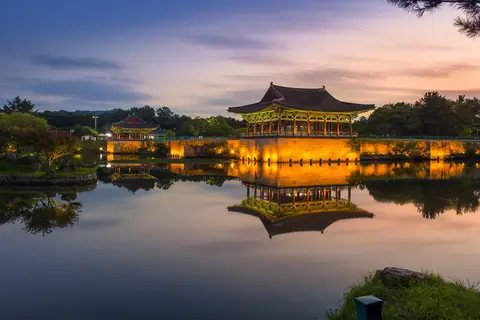
Choosing the right neighbourhood in Gyeongju shapes your entire daily rhythm because the city is split into two contrasting accommodation zones separated by a 20-minute bus ride. The first is the walkable historic basin around Hwangnam-dong (Hwangnidan-gil) and the Intercity Bus Terminal, where traditional tile-roofed hanok guesthouses sit steps from the illuminated Silla royal tombs. The purpose-built lakeside resort zone of the Bomun Tourist Complex (Bomunho Lake) six kilometres east, home to sprawling international five-star hotels, thermal spas, and cherry-blossom boardwalks. Below, we compare Gyeongju's four main accommodation zones with 2026 price ranges and real property recommendations. Combine this guide with our Gyeongju travel guide and 3-day itinerary.
| Neighbourhood Zone | Distance to Tombs | Vibe & Architecture | Best For |
|---|---|---|---|
| 1. Hwangnam-dong & Hwangnidan-gil.. | 0 to 400 m (2-min walk). | Restored timber-and-tile hanok courtyards, indie cafés, quiet alleys. | First-time visitors, couples & evening walks to Cheomseongdae and Wolji Pond. |
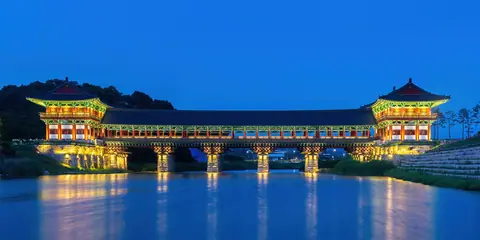
| 2. Gyochon & Wolseong Margin.. | 400 to 800 m south. | Heritage clan houses beside Woljeonggyo Bridge and Namcheon Stream. | Authentic traditional architecture & serene riverside mornings. |
| 3. Noseo-dong (Express Bus Terminal).. | 600 to 900 m west. | Mid-rise Western business hotels, bike rental shops, transit hub. | Budget travellers, Western mattress preference & early morning bus departures. |
| 4. Bomun Lake Resort Complex.. | 6.5 km east (20 min by Bus 10). | 5-star lakeside resorts, swimming pools, golf courses, convention centres. | Families with children, resort relaxation & cherry-blossom season views. |
Hwangnam-dong and Hwangnidan-gil (Best Overall for Walkability & Hanok Stays)
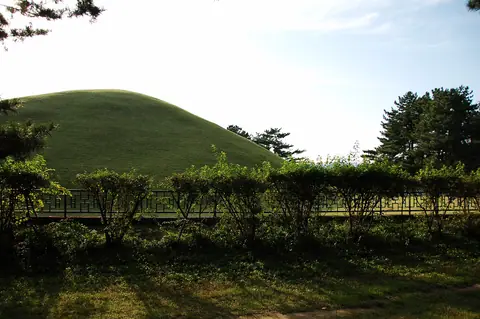
If this is your first visit to Gyeongju and you want to walk out of your front gate directly to the royal mounds of Daereungwon at 08:30, Stroll back from Wolji Pond at 21:00 without waiting for a bus, stay in Hwangnam-dong. Strict height limits prevent concrete towers from blocking views of the Silla tumuli. The alleys off Poseok-ro (Hwangnidan-gil) are filled with hanok guesthouses crafted from red pine and curved ceramic roof tiles (giwa):
- Hwangnamguan Hanok Village. Set just south of the Daereungwon stone wall, this traditional compound pairs authentic heated ondol wooden floors. Hand-carved lattice sliding doors coated in mulberry paper (hanji) with modern private en-suite bathrooms and free courtyard hanbok try-ons (around 110,000 to 170,000 KRW per double room as of November 2026).
- Soi Hanok Stay & Boutique Pool Hanoks. Boutique hanoks in the quiet lanes east of Hwangnidan-gil combine raised Western beds with private cedar soaking tubs or heated courtyard plunge pools (160,000 to 260,000 KRW per night as of November 2026).
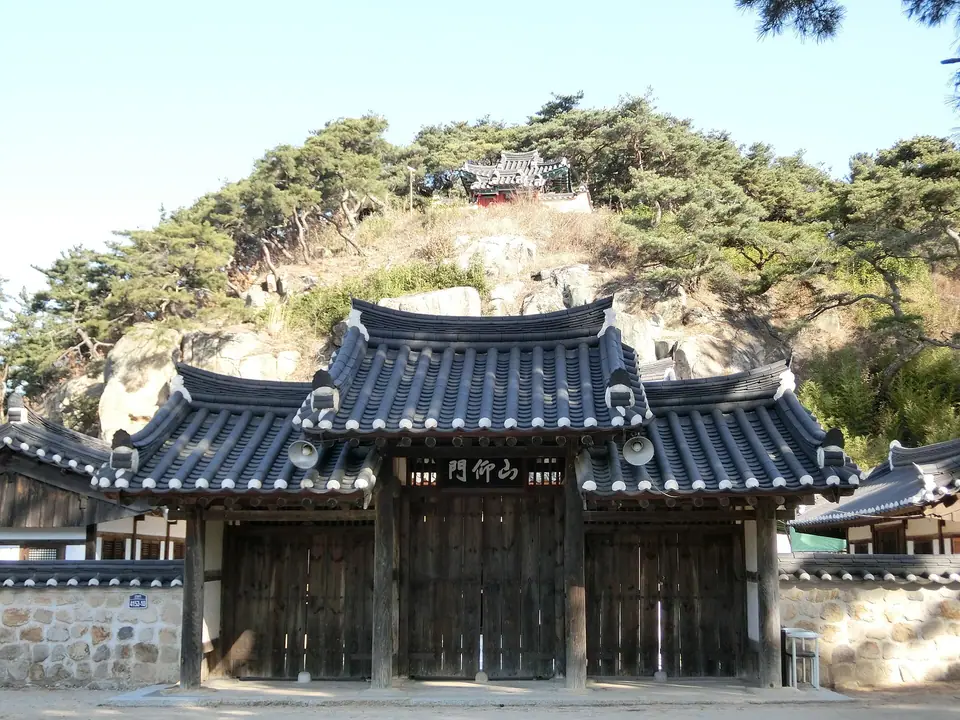
What to Know Before Booking a Traditional Hanok Guesthouse
Sleeping in a Korean hanok is one of the signature cultural memories of Gyeongju, but understanding three architectural features will help you pick the right room:
- Ondol Floor Bedding vs Raised Beds. Traditional hanok rooms heat the floor from underneath (ondol) and provide thick padded cotton mattresses (yo) and duvets laid directly on the warm polished floor. In winter, ondol floors are wonderfully cosy, but travellers with back or knee stiffness should filter specifically for "Bed Room" (침대방) rather than "Ondol Room" (온돌방) when booking.
- Acoustic Privacy. Even in modernised hanoks, traditional timber walls and paper-lined sliding doors transmit more sound than concrete hotel walls. Pack a pair of foam earplugs and observe quiet courtyard hours after 22:00.
- En-Suite Bathrooms. Virtually all tourist hanoks built or renovated in Hwangnam-dong over the last decade include a fully tiled. Modern Western en-suite bathroom with a hot shower and bidet toilet inside your room (always verify "private bathroom" on your booking confirmation).
Bomun Lake Tourist Complex (Best for 5-Star Resorts, Families & Spas)
Developed in the late 1970s around the 500-hectare man-made reservoir of Bomunho Lake six kilometres east of downtown (and roughly halfway between the historic centre and Bulguksa Temple). The Bomun Complex is Gyeongju's luxury resort enclave. If you prefer spacious Western hotel rooms, indoor and outdoor swimming pools, buffet breakfasts, and an 8-kilometre lakeside jogging path shaded by cherry trees, base yourself here:
- Hilton Gyeongju. Sitting directly on the southern shore of Bomun Lake naast the Wooyang Museum of Contemporary Art, the Hilton offers panoramic lake-view balconies, indoor/outdoor pools, and family suites (220,000 to 360,000 KRW as of November 2026).
- Lahan Select Gyeongju. Positioned on the northern curve of the lake with floor-to-ceiling water views, a curated lifestyle bookstore and café (Gyeongju Sanchaek), a bowling alley, and lakeside walking access (190,000 to 310,000 KRW as of November 2026).
- Hwangnyongwon (Middle Path Tower Stay). While primarily a cultural training institute, select floors of its iconic 9-storey hollow pagoda replica occasionally open for serene heritage stays overlooking the lake.
Noseo-dong & Express Bus Terminal (Best for Transit & Budget Comfort)
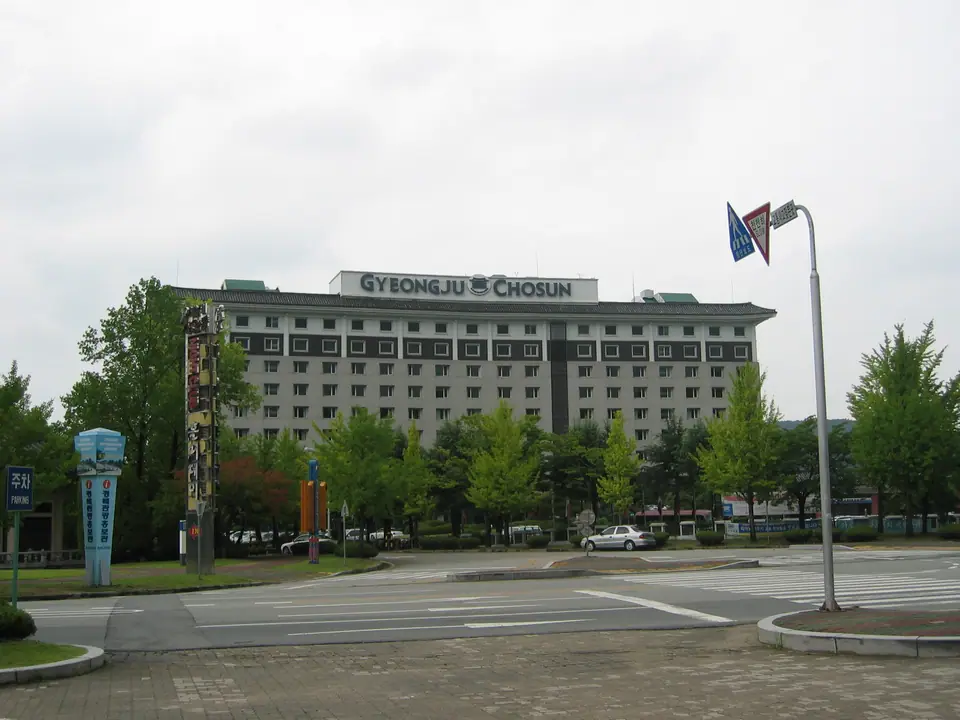
Located 600 metres west of Hwangnidan-gil across the main road, the blocks surrounding the Gyeongju Express. Intercity Bus Terminals in Noseo-dong offer modern mid-range Western hotels (such as GG Tourist Hotel and Rivertain Hotel Gyeongju, 85,000 to 135,000 KRW as of November 2026). Staying here means your hotel is a 2-minute flat walk from the bus stops for Bus 50/60 to Gyeongju KTX Station. Bus 10/11 to Bulguksa Temple, and the direct intercity buses to Busan Nopo Terminal. Meanwhile, still keeping Daereungwon within a 7-minute walk.
Where it is
- 1Gyeongju
- Daegu International Airport (TAE) · about 50 km from Gyeongju in a straight line
- Directions in Google Maps
Traveller tips
Real advice from people who have been to Gyeongju. Every tip is read by our team before it goes live.
No tips yet. Been here? Yours could be the first.
Thank you! Your tip will appear here after a quick review.
More in Gyeongju
Continue exploring Gyeongju with related neighbourhood, food, and planning guides
Best Time to Visit Gyeongju: Cherry Blossoms, Pink Muhly & Seasons
Gyeongju, South Korea
What to Wear in Gyeongju: Temple Etiquette, Hanbok Rental & Hiking Gear
Gyeongju, South Korea
Gyeongju 3-Day Itinerary: Silla Royal Tombs, Bulguksa & Namsan (2026)
Gyeongju, South Korea
Daereungwon Royal Tombs, Cheomseongdae & Hwangnidan-gil Walking Guide
Gyeongju, South Korea
