


























Best Time to Visit Interlaken: Climate Normals and Seasonal Guide
Month-by-month MeteoSwiss climate normals for Interlaken and how seasonal timetables affect Harder Kulm, Schynige Platte, and the lake steamers.
Because excursions from Interlaken span a vertical range of nearly 3,000 metres, from the shores of Lake Thun at 558 metres up to Jungfraujoch at 3,454 metres, choosing the right season depends both on valley temperatures and on the operating dates of the mid-altitude mountain railways and paddle steamers.
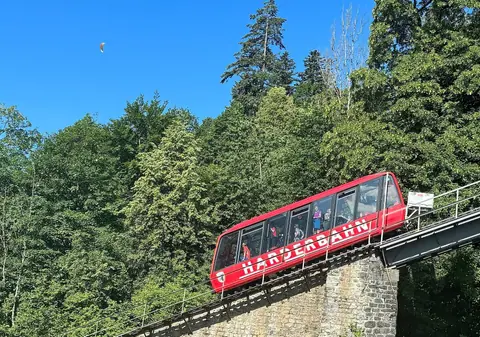
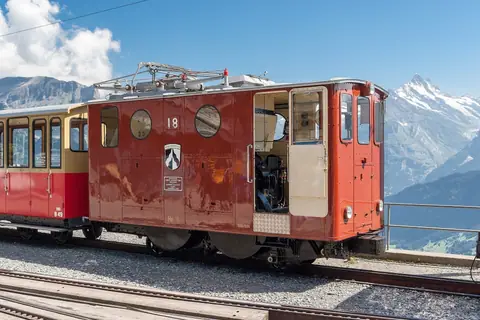
While the high glacier railway to Jungfraujoch and the valley trains to Lauterbrunnen and Grindelwald run every day of the year, historic mid-elevation lines such as Schynige Platte, the Harderbahn funicular, and the Giessbachbahn follow seasonal spring-to-autumn calendars. Understanding how temperature and rainfall shift across the months helps you match your trip dates to your preferred mountain activities.
MeteoSwiss 1991 to 2020 Climate Normals at Interlaken (577 m)
According to the official 1991 to 2020 normals recorded by the Federal Office of Meteorology and Climatology (MeteoSwiss) at the Interlaken weather station (elevation 577 metres), the valley has a temperate pre-alpine climate sheltered by high ridges to the north and south. Over the full year, the mean daily temperature is 9.3 °C, with an average annual daytime high of 14.0 °C and an average annual low of 5.2 °C. Total annual precipitation averages 1,178.4 millimetres across 127.3 wet days (days with at least 1.0 millimetre of precipitation), accompanied by 1,624.7 hours of annual sunshine (48 percent of possible daylight). Remember to allow roughly 6 to 7 °C of cooling for every 1,000 metres you ascend into the mountains: when Interlaken sits at 24 °C in July, the outdoor terrace at Jungfraujoch remains near freezing.
This environmental lapse rate means you will regularly experience three distinct climate zones in a single day. Packing thin, breathable layers, including a base shirt, a warm fleece sweater, and a windproof and waterproof shell jacket, ensures comfort as you move from sunny lakeside promenades to breezy ridge trails and high snowfields.
Summer Peak (June to August): Warm Lakes and Full Rail Access
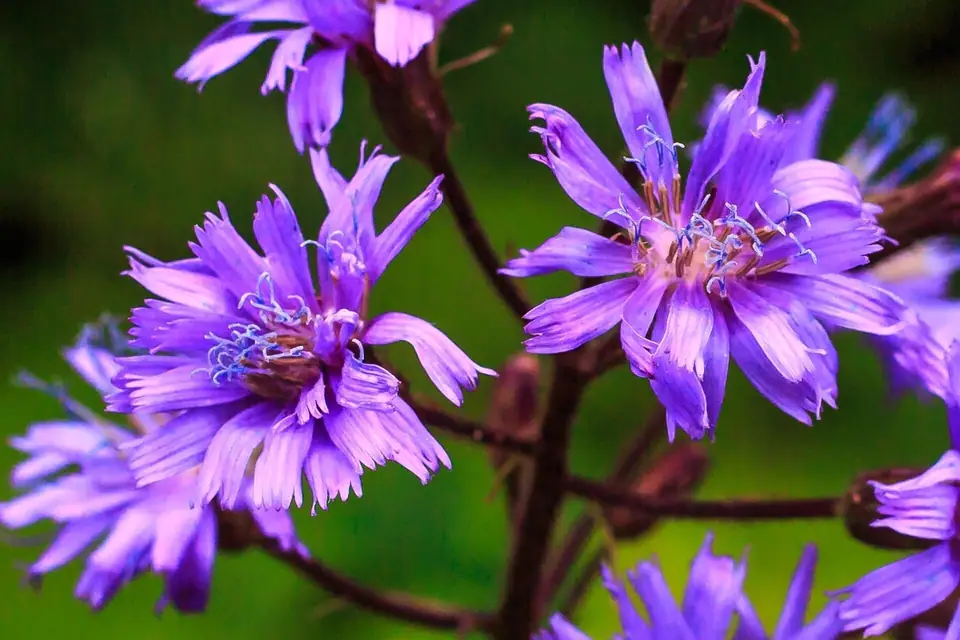
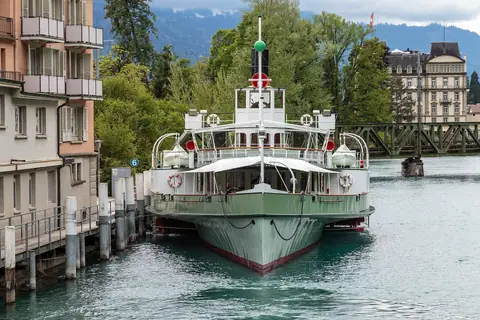
July is the warmest month on the Bödeli, with an average daily maximum of 24.3 °C, a daily mean of 18.6 °C, and an overnight minimum of 13.8 °C, closely followed by August (average high 23.7 °C, low 13.6 °C) and June (average high 22.4 °C, low 12.1 °C). Interlaken records an average of 44.0 summer days (Sommertage reaching 25 °C or higher) and 6.6 hot days (Hitzetage reaching 30 °C or higher) per year. Summer is also the wettest quarter due to afternoon convective showers, averaging 13.2 wet days in June (139.2 mm) and 12.8 wet days in both July (143.9 mm) and August (157.8 mm). During these months, every attraction operates in full: the 1893 Schynige Platte railway and Alpine Botanical Garden are in bloom, the 1879 Giessbachbahn funicular runs daily, and the historic paddle steamers Lötschberg and Blümlisalp sail both lakes.
Because summer rainfall typically arrives as brief late-afternoon heat showers after warm, sunny mornings, scheduling high-altitude viewpoints before midday and saving valley walks or lake cruises for the afternoon works reliably throughout June, July, and August.
Spring and Autumn Shoulder Seasons (April, May, September, October)
May (average high 18.7 °C, low 8.3 °C) and September through October (average highs 19.2 °C and 14.1 °C, with only 9.5 and 9.3 wet days) bring crisp valley visibility, golden beech woods along the Harderbahn, and the September Chästeilet cheese-dividing festivals before Schynige Platte closes in October and Harder Kulm in late autumn.
September and early October are prized by mountain photographers and walkers because cooler autumn air reduces afternoon haze and thunderstorm build-up, yielding long windows of crystal-clear visibility across the Eiger, Mönch, and Jungfrau while deciduous trees along the Aare and Lake Brienz turn amber and gold.
Winter Season (November to March): Snow Sports and Year-Round Rail
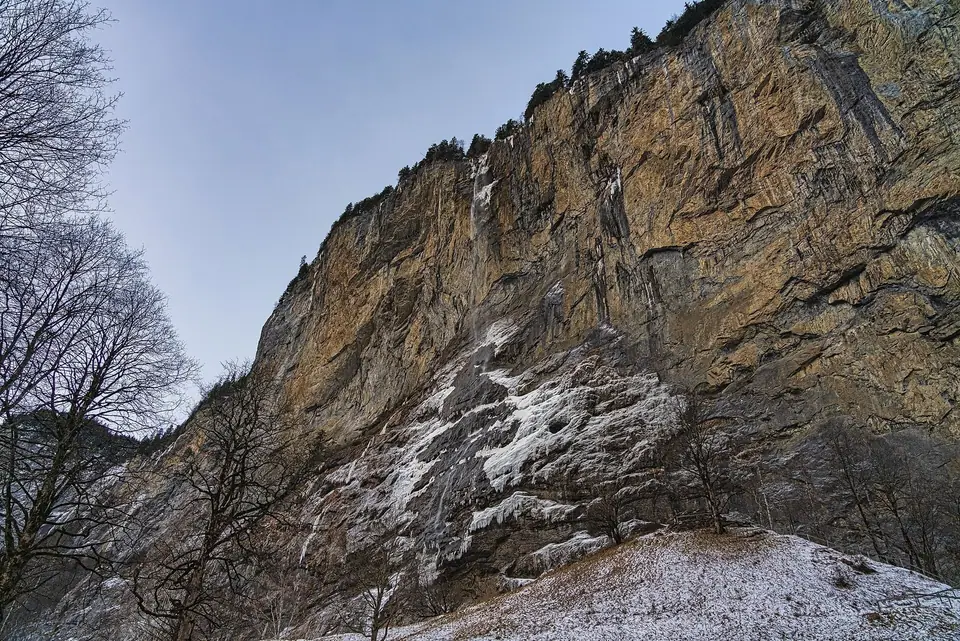
In winter, January is the coldest month (average high 3.2 °C, daily mean 0.0 °C, overnight low -2.8 °C), followed by December (high 3.7 °C, low -1.8 °C) and February (high 5.4 °C, low -2.5 °C). The valley floor averages 90.2 centimetres of snow across 17.1 snow days, 89.0 frost days, and 17.0 ice days per year, while trains run daily from Interlaken Ost up to the ski slopes of Grindelwald, Wengen, and Mürren and year-round to Jungfraujoch.
Seasonal Timetable Checklists
Before locking in travel dates during April, May, October, or November, check the official Jungfrau Railways and BLS Schifffahrt seasonal calendars. While motor ships on Lake Thun and the high alpine rail network operate through all seasons, paddle steamer cruises and mid-elevation funiculars transition between summer and winter timetables during the shoulder weeks.
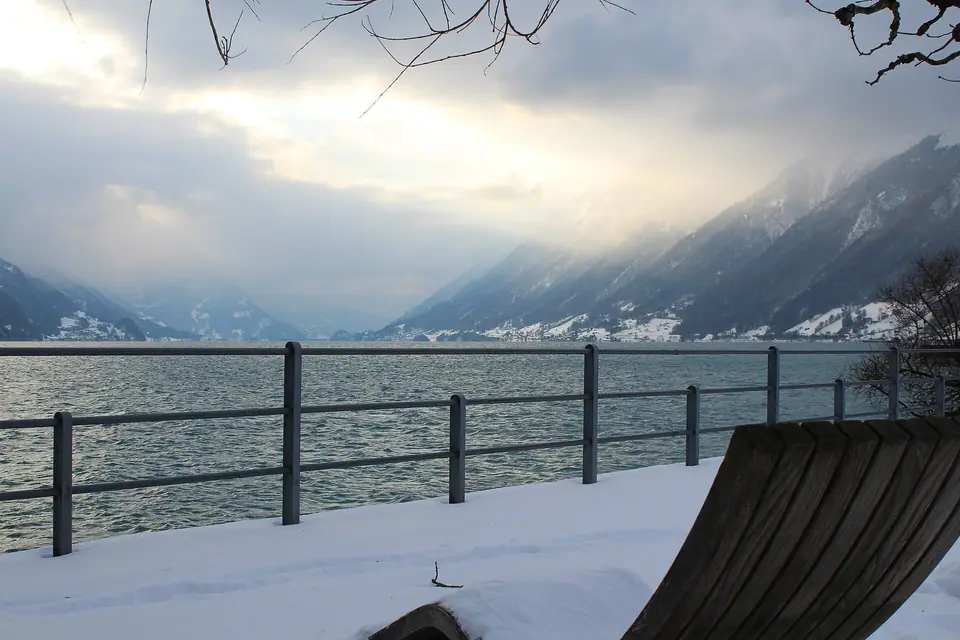
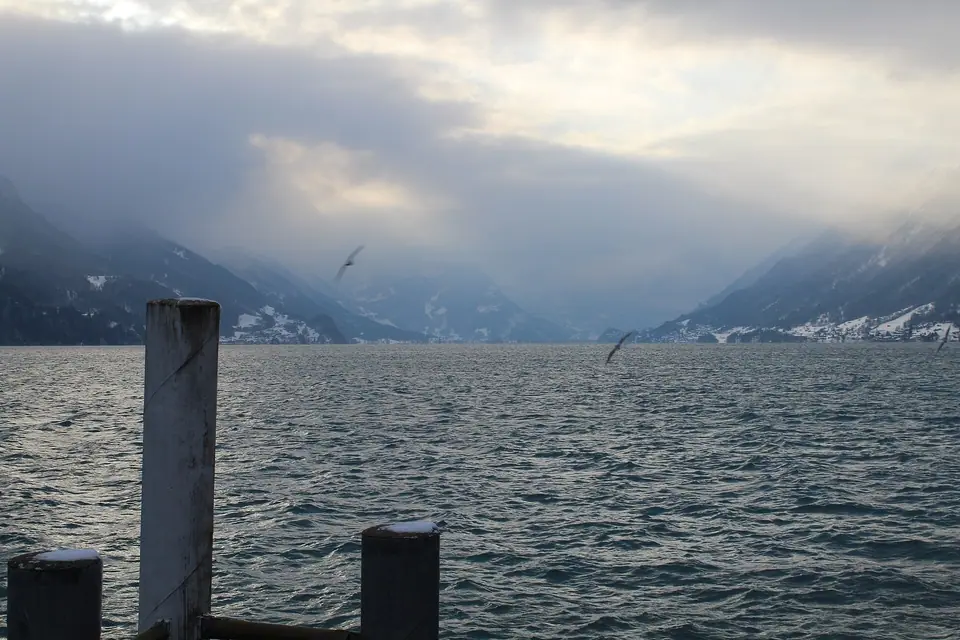
Ultimately, the versatility of Interlaken's transport network means there is no single off-season on the valley floor, provided you align your expectations with the mountain calendar. Summer brings the fullest roster of heritage rack railways, botanical blooms at high altitude, and nostalgic paddle steamer voyages across warm turquoise and cobalt lakes. The shoulder months of May, September, and early October reward walkers and photographers with quieter footpaths, mild valley temperatures, and crisp autumn light across golden beech forests and snow-dusted peaks. Winter transforms the municipality into a calm, low-altitude base where you can ride heated cogwheel trains straight up to the snowfields of Jungfraujoch or the ski runs of Grindelwald and Wengen by day, then return to snow-cleared promenades and cosy wood-panelled fondue taverns between the lakes each evening. Checking live summit webcams each morning and dressing in adaptable layers will keep every day productive in any month of the year. Even when afternoon showers pass across the valley in summer or low mist lingers over the water in late autumn, the combination of subterranean caves, historic castles, and rapid mountain trains lets you adjust your elevation to find the clearest conditions. Keeping a flexible schedule between valley sightseeing and high-alpine rail excursions ensures that every day on the Bödeli delivers memorable mountain and lake scenery regardless of the season. With this balanced approach to weather and elevation, you can enjoy the natural contrast between the sheltered pre-alpine lake basins and the glaciated summits of the Bernese Oberland from early spring right through the heart of winter.
Traveller tips
Real advice from people who have been to Best Time to Visit Interlaken: Climate Normals and Seasonal. Every tip is read by our team before it goes live.
No tips yet. Been here? Yours could be the first.
Thank you! Your tip will appear here after a quick review.
More in Interlaken
Continue exploring Interlaken with related neighbourhood, food, and planning guides
Harder Kulm Funicular (Harderbahn) and Two Lakes Footbridge
Interlaken, Switzerland
Schynige Platte Railway and Alpine Botanical Garden Guide
Interlaken, Switzerland
Lake Brienz (Brienzersee), Paddle Steamer Lötschberg and Giessbach Falls
Interlaken, Switzerland
Lake Thun (Thunersee), Paddle Steamer Blümlisalp and St. Beatus Caves
Interlaken, Switzerland
