


























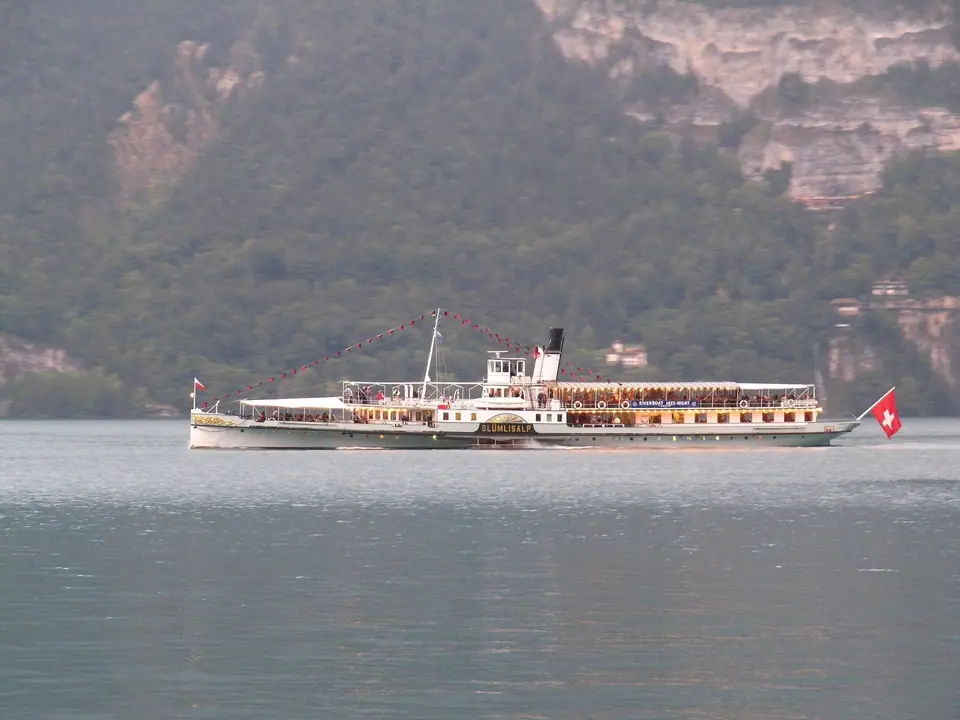
Lake Thun (Thunersee), Paddle Steamer Blümlisalp and St. Beatus Caves
How to sail Lake Thun from the Interlaken West canal pier, ride the 1906 steamer Blümlisalp, and walk 1,000 metres inside the limestone St. Beatus Caves.
West of the Bödeli plain, Lake Thun (Thunersee) stretches 17.5 kilometres to the town of Thun, covering 48.3 square kilometres at 558 metres above sea level with a maximum width of 3.5 kilometres and a maximum depth of 217 metres. It is the largest lake lying entirely within a single Swiss canton (Bern). Because the upstream basin of Lake Brienz traps most of the coarse glacial sediment carried down by the Aare and Lütschine, Lake Thun is deeper blue, slightly warmer in summer, and bordered by castles, vineyards, and sunny southern slopes.
Looking across the water from the ship decks reveals a striking contrast between the two shores. Along the north bank, steep limestone cliffs and terraced hillside villages catch the full southern sun, fostering mild microclimates where fig trees, chestnuts, and grapevines thrive. Along the south bank, the pyramidal peak of the Niesen and the rugged chain of the Stockhorn rise above medieval lakeside keeps and harbour bays.
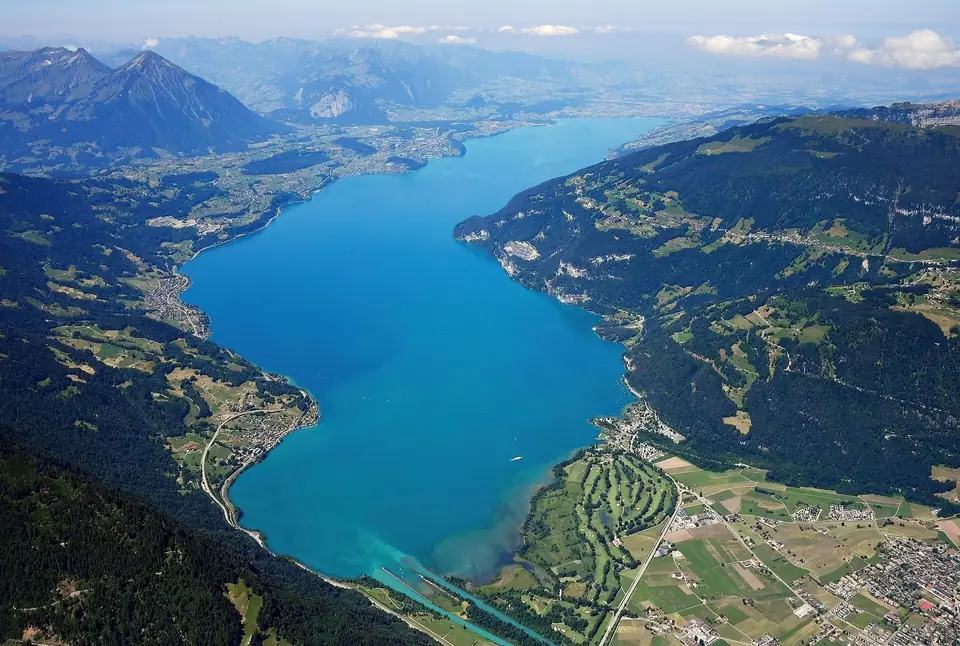
Boarding at Interlaken West and the 1892 Shipping Canal
In the early days of steam navigation, which began on Lake Thun in 1835 with the iron paddle steamer Bellevue, ships had to dock at Neuhaus on the open lakeshore because shallow gravel bars blocked the Aare mouth. In 1892, engineers dredged a 2.75-kilometre shipping canal from the lake directly to the rear of Interlaken West railway station, allowing passengers to step off standard-gauge trains and onto BLS lake vessels without a carriage transfer.
Cruising down this tree-lined canal at the start of a voyage is one of the highlights of the Lake Thun route. The vessel glides slowly between quiet willow banks and past the medieval stone tower of Weissenau Castle and its nature reserve before emerging onto the wide blue expanse of the open lake.
Sailing on the 1906 Saloon Steamer DS Blümlisalp
Alongside modern motor ships that operate year-round between Interlaken West, Spiez, Oberhofen, Hilterfingen, and Thun, the pride of the Lake Thun fleet is the two-deck saloon paddle steamer DS Blümlisalp. Built in 1906 by Escher Wyss in Zürich, the 63.65-metre vessel was withdrawn from service in 1971, rescued by the Vaporama preservation society against scrap plans, and returned to regular summer service on 22 May 1992 after a complete restoration. A full one-way cruise from Interlaken West to Thun takes approximately two hours and ten minutes; check the official BLS ship schedule for steamer departures.
As the vessel zigzags between piers on the northern and southern banks, passengers can admire the medieval towers of Spiez Castle, Oberhofen Castle, and Hünegg Castle rising from lakeside parks while the snow peaks of the Eiger, Mönch, and Jungfrau remain visible behind the stern.
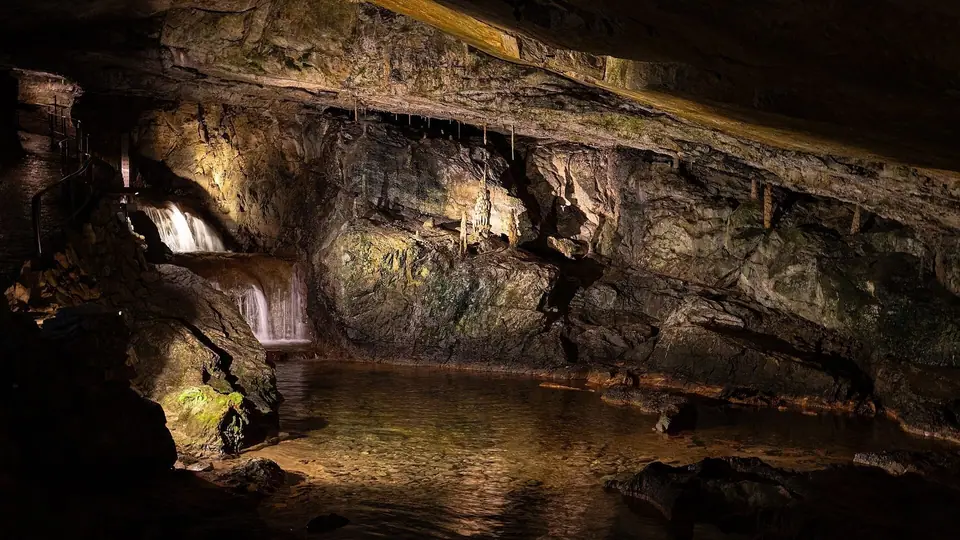
Inside St. Beatus Caves (St. Beatus-Höhlen) at Sundlauenen
On the steep northern shore above the Sundlauenen and Beatenbucht boat piers, also reached in fifteen minutes from Interlaken West on STI bus line 21, water cascading from the Niederhorn karst massif emerges from the cliffside portal of the St. Beatus Caves (St. Beatus-Höhlen). According to 10th- and 15th-century hagiographies, the 6th-century Irish monk Beatus drove a fire-breathing dragon from the cavern and lived here as a hermit until his death, making the grotto a medieval pilgrimage shrine until Bernese authorities walled up the entrance during the Reformation in 1528.
Before entering the underground passages, visitors climb a scenic cliffside footpath shaded by hardwood trees that crosses several arched stone bridges over the roaring cave waterfalls. Reconstructed hermit cell displays near the ivy-draped cavern mouth recall the medieval pilgrims who once rowed across Lake Thun to visit the shrine.
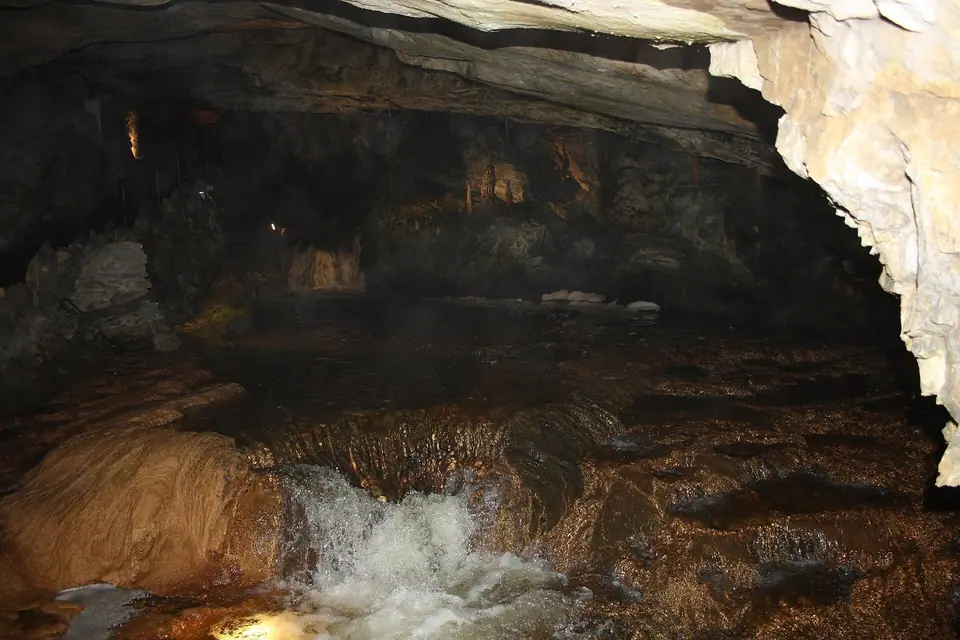
Walking the 1-Kilometre Illuminated Karst System
Beginning in 1903, speleologist Johannes Knechtenhofer and a local committee explored the subterranean passages and opened a lighted visitor trail in 1904. Today, approximately 14 kilometres of the cave network have been surveyed, and 1,000 metres are open to the public on a paved, electrically lit path that climbs 87 vertical metres through dripstone halls, stalactite curtains, underground waterfalls, and the mirrored pool of the Miltongrotte. Because the interior air stays at a constant 8 to 10 degrees Celsius year-round, bring a warm fleece even in mid-July and pair the cave visit with a walk to Weissenau Castle.
Electric lighting positioned behind stalagmites and along the subterranean canyon walls highlights the layered limestone formations sculpted over millennia by snowmelt percolating down from the Beatenberg plateau. Non-slip walkways and handrails make the climb accessible to regular walkers, though sturdy closed shoes are important on the damp stone floors.
Planning a Rainy-Day or Half-Day Circuit
Because the underground cavern passages stay sheltered and dramatically lit during wet weather, the caves and a covered saloon cruise on Lake Thun provide an ideal itinerary whenever low clouds hide the high mountain summits. You can ride a morning ship from the Interlaken West canal to Sundlauenen or Beatenbucht, walk the subterranean gorge and visit the cave museum, and return to town by lakeside bus in time for a late afternoon stroll along the Höhematte.
Combining a voyage down the western shipping canal with a stop at the cliffside caverns of Sundlauenen gives travellers a varied day out that highlights the milder, castle-studded character of Lake Thun. Unlike the enclosed, vertical walls of Lake Brienz, the western lake opens onto wide bays where medieval keeps, church towers, and terraced vineyards step down to the water beneath the rocky ramparts of the Niederhorn and the symmetrical pyramid of the Niesen. Walking through the cool, echoing chambers of St. Beatus Caves lets you follow underground torrents through illuminated stalactite galleries before stepping back out onto a sunny cliffside terrace overlooking the blue basin. Because frequent lakeside buses and passenger ships run along the northern shore throughout the day, you can linger as long as you wish inside the karst grottoes and museum or continue westward by boat to explore harbour castles at Oberhofen and Spiez before returning to Interlaken West in the late afternoon. Sitting on the open aft deck as the ship re-enters the willow-lined canal at the end of the afternoon offers a peaceful finale to a day on the water, with the snowfields of the Jungfrau glowing above the valley ahead.
Traveller tips
Real advice from people who have been to Lake Thun (Thunersee), Paddle Steamer Blümlisalp and St. Beatus Caves. Every tip is read by our team before it goes live.
No tips yet. Been here? Yours could be the first.
Thank you! Your tip will appear here after a quick review.
More in Interlaken
Continue exploring Interlaken with related neighbourhood, food, and planning guides
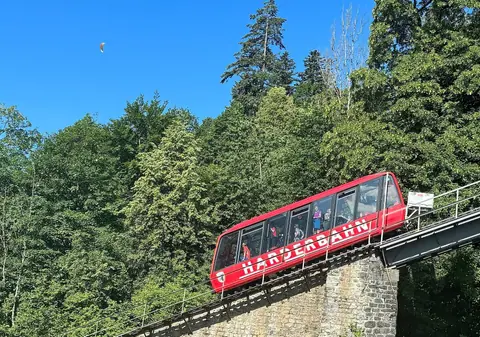
Harder Kulm Funicular (Harderbahn) and Two Lakes Footbridge
Interlaken, Switzerland
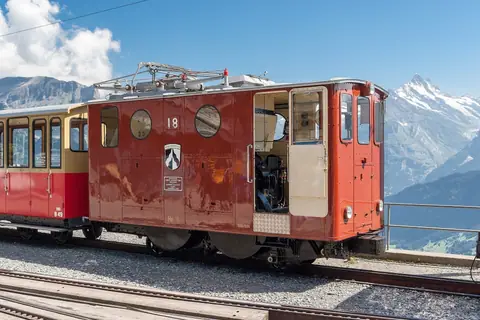
Schynige Platte Railway and Alpine Botanical Garden Guide
Interlaken, Switzerland
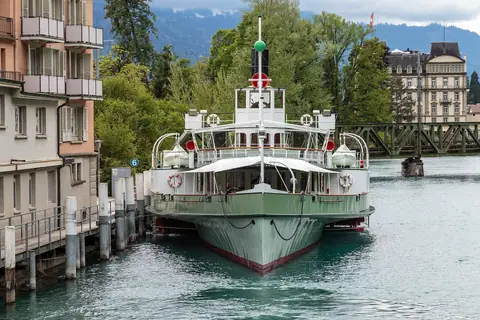
Lake Brienz (Brienzersee), Paddle Steamer Lötschberg and Giessbach Falls
Interlaken, Switzerland
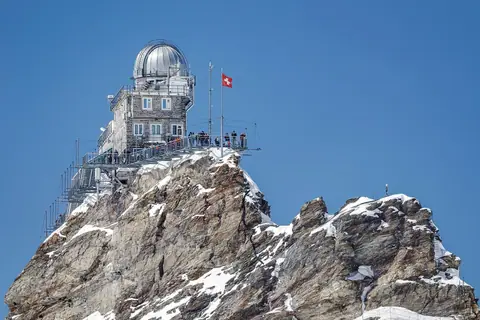
Jungfraujoch (3,454 m) and the Jungfrau Railway Guide from Interlaken
Interlaken, Switzerland
