


























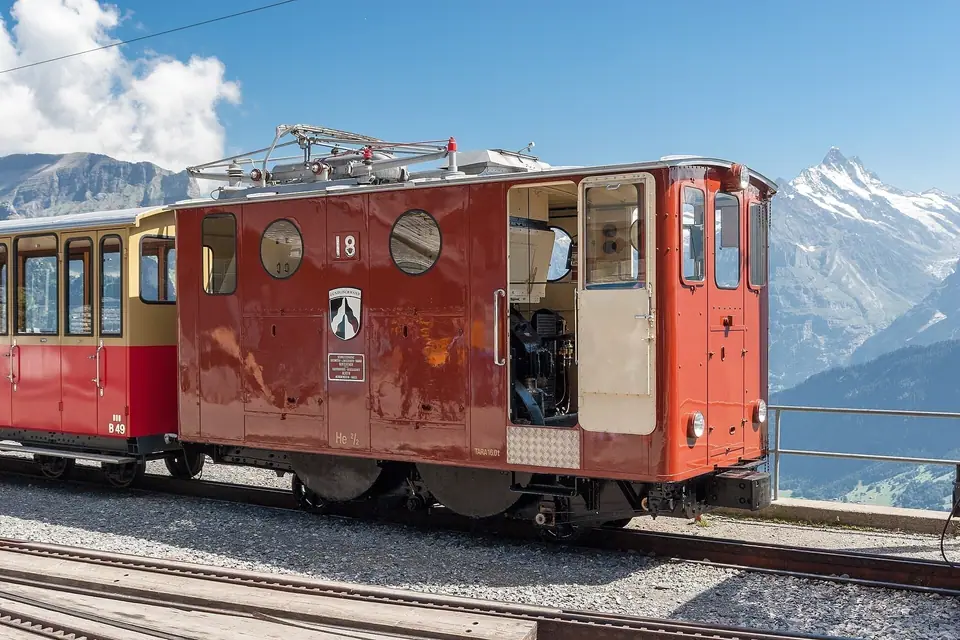
Schynige Platte Railway and Alpine Botanical Garden Guide
Ride an 1893 electric rack railway with historic wooden carriages from Wilderswil to a 1,967-metre ridge garden facing Eiger, Mönch, and Jungfrau.
High on the Gumihorn ridge between the Bödeli valley and the Lauterbrunnen trough, Schynige Platte sits at 1,967 metres above sea level. Its name derives from the shiny slate slabs on the cliffside that reflect sunlight toward the valley after rain. Reached by a nostalgic 800-millimetre-gauge rack railway that has preserved its early 20th-century locomotives and open-bench wooden coaches, the ridge combines a botanical collection of Swiss mountain flora with uninterrupted views of the Eiger, Mönch, and Jungfrau across the Schwarze Lütschine gorge.
Whereas lower viewpoints focus primarily on the lakes and town, this elevated alpine shoulder places you nearly at eye level with the glaciers and rock walls of the Bernese Oberland. At the same time, a short stroll to the northern edge of the ridge reveals both Lake Brienz and Lake Thun far below, giving visitors a dual panorama that bridges the pre-alpine lake country and the high ice peaks.
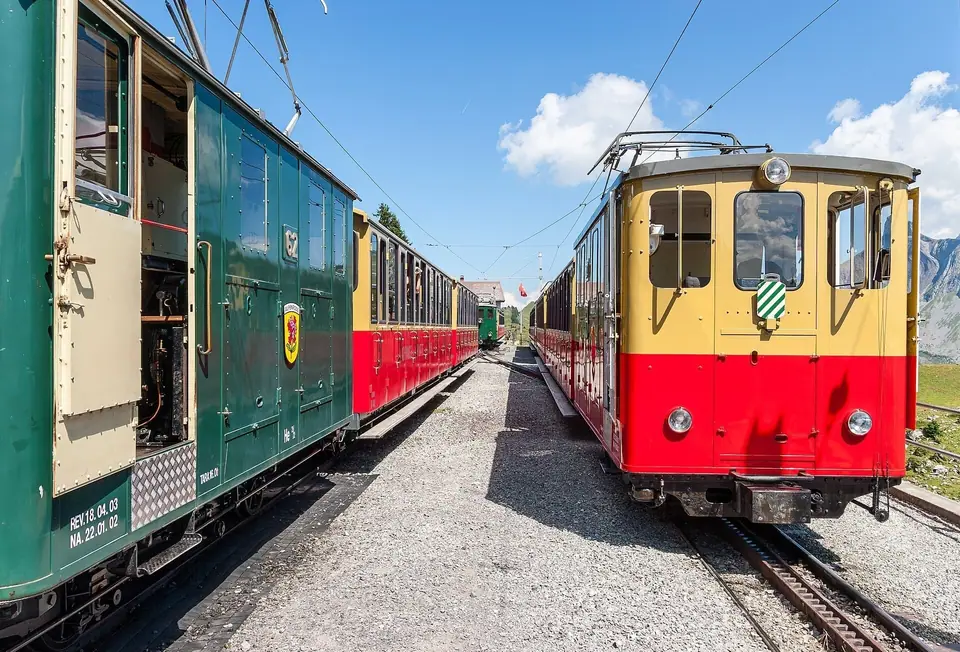
Boarding at Wilderswil Station
Journeys begin at Wilderswil station (584 metres), located four minutes south of Interlaken Ost on the metre-gauge Bernese Oberland Railway toward Lauterbrunnen and Grindelwald.
At Wilderswil, the narrow-gauge rack tracks sit directly adjacent to the regional train platforms, making transfers smooth and quick. Before boarding the wooden carriages, passengers can watch the vintage electric locomotives couple onto the uphill end of the train, as safety regulations on steep mountain rack railways require the locomotive to push the coaches during the climb and brake them from the front during the descent.
The 1893 Riggenbach Rack Railway and 1914 Locomotives
Founded in 1890 and opened to regular passenger traffic on 14 June 1893, the Schynige Platte Railway (Schynige Platte-Bahn, SPB) was acquired by the Bernese Oberland Railway in 1895 and electrified at 1,500 volts DC on 9 May 1914. Over a distance of 7.26 kilometres, the Riggenbach rack track climbs 1,383 vertical metres through four tunnels and across steep alpine pastures at a maximum gradient of 25 percent. Much of the fleet dates from the 1914 electrification and historic acquisitions from the Wengernalp Railway, while the 1894 steam locomotive No. 5 remains in working order for special heritage runs.
During the lower half of the climb, the train winds through dense deciduous and coniferous forest above the Bödeli, offering bird's-eye glimpses of Interlaken, Unterseen, and the two lakes. Once the track passes the mid-way station of Breitlauenen and emerges through the rock tunnels of the Grätli ridge, the landscape opens suddenly onto high mountain meadows facing the snow peaks.
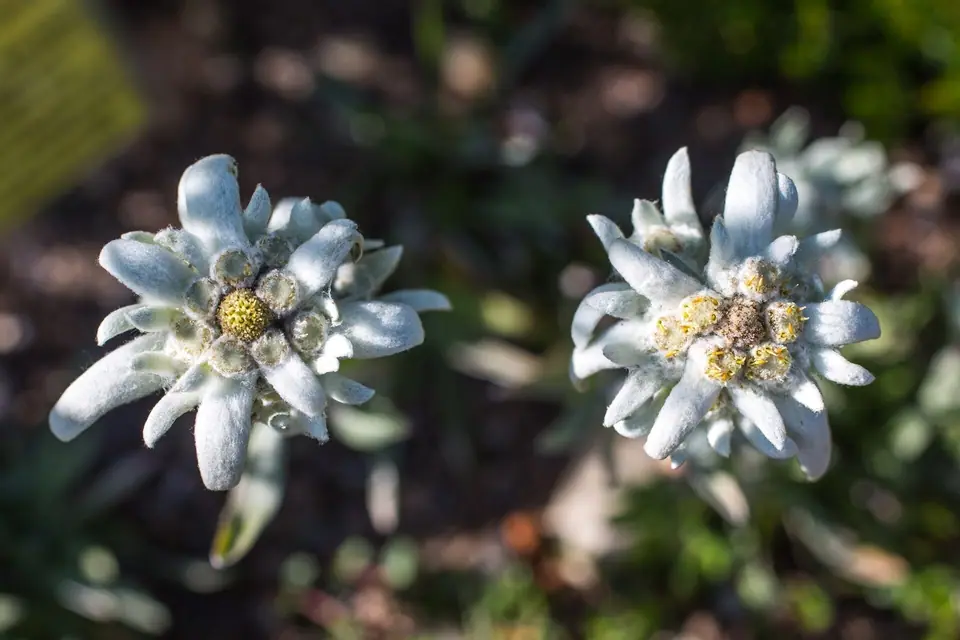
Exploring the 1928 Alpine Botanical Garden
Directly beside the summit station at 1,967 metres opens the Schynige Platte Alpine Botanical Garden (Botanischer Alpengarten Schynige Platte), founded in 1927 and inaugurated in 1928 to study and display high-altitude flora in natural plant communities rather than artificial beds. Spread across roughly one kilometre of stepped limestone and slate paths between 1,950 and 2,000 metres, the garden cultivates around 600 species native to the Swiss Alps above the timberline, including edelweiss (Leontopodium alpinum), stemless gentians, alpine anemones, and globe flowers.
Because the plants grow in natural ecological groupings on limestone scree, acidic silicate soil, and damp snow-melt hollows, walking the garden paths illustrates how mountain flora adapts to intense ultraviolet light, wind, and a brief summer growing season. Clearly labelled plaques identify hundreds of blossoms in bloom from early summer through autumn.
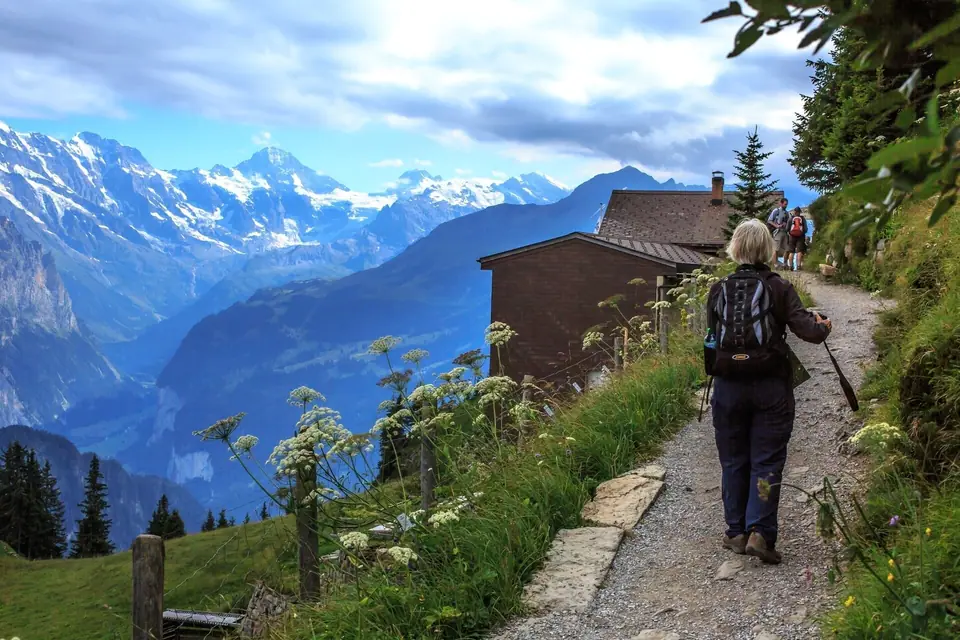
Panorama Loops to the Daube Viewpoint and Faulhorn
From the Berghotel Schynige Platte (opened in 1867 and rebuilt after a fire in 1899), a circular ridge trail climbs past the limestone rock towers of the Oberberghorn (2,069 metres, equipped with wooden stairs to the summit lookout) and the Loucherhorn, taking viewing loops across both Lake Brienz and Lake Thun at the Daube ridge (2,076 metres). Experienced mountain hikers also start the classic high-level trek from Schynige Platte via the Faulhorn (2,681 metres) and Bachalpsee to Grindelwald-First.
The short loop from the station out to the Daube cliff edge and up the wooden steps of the Oberberghorn is manageable for regular walkers in stout footwear and delivers two contrasting horizons: looking north, the turquoise basin of Lake Brienz lies directly below the limestone drop; looking south, the white glaciers of the Jungfrau massif fill the sky across the deep trench of the Lütschine valleys.
Operating Season and Journey Time
Because the upper ridge holds deep snow until late spring, the Schynige Platte Railway runs from late May or June until October, with the one-way ascent taking approximately 52 minutes; verify current timetables on the official site before departure.
What to Pack for the Ridge Walk
Even on warm afternoons when the valley floor sits in summer sunshine, the exposed ridge above the tree line catches cool mountain breezes. Bring sturdy walking shoes with gripped soles for the stepped limestone trails through the botanical garden and up the wooden ladder stairs of the Oberberghorn, along with a windproof layer and sun protection.
Alphorn Performances and Heritage Atmosphere
Near the summit terrace and the historic 1899 mountain hotel, local alphorn players perform traditional melodies during the summer season, adding acoustic resonance across the alpine pastures while vintage red-and-cream rack locomotives manoeuvre along the ridge sidings.
For travellers who appreciate heritage railway engineering and unhurried mountain walking, a morning or afternoon on this ridge feels markedly different from the high-speed cableways of the modern ski resorts. Riding in an open-windowed wooden coach as the bronze gears engage the Riggenbach rack rail lets you hear the rhythm of the climb and smell the pine resin and damp limestone along the trackside cliffs. Once on top, the combination of the stepped botanical garden paths, the dramatic cliffside viewpoint at Daube looking down on both lakes, and the open ridge walk toward the Oberberghorn gives you complete freedom to tailor the exertion to your mood. You can spend a gentle hour admiring edelweiss and blue gentians just steps from the train platform, or lace up hiking boots for a longer loop along the limestone crest where chamois and marmots inhabit the grassy slopes facing the Eiger, Mönch, and Jungfrau. Few excursions from the valley floor blend nineteenth-century rail nostalgia, scientific botany, and sweeping two-lake views into a single ticket so effectively.
Traveller tips
Real advice from people who have been to Schynige Platte Railway and Alpine Botanical Garden. Every tip is read by our team before it goes live.
No tips yet. Been here? Yours could be the first.
Thank you! Your tip will appear here after a quick review.
More in Interlaken
Continue exploring Interlaken with related neighbourhood, food, and planning guides
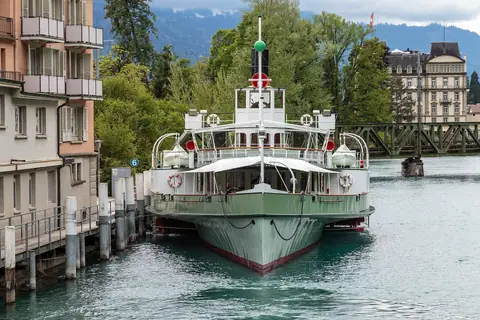
Lake Brienz (Brienzersee), Paddle Steamer Lötschberg and Giessbach Falls
Interlaken, Switzerland
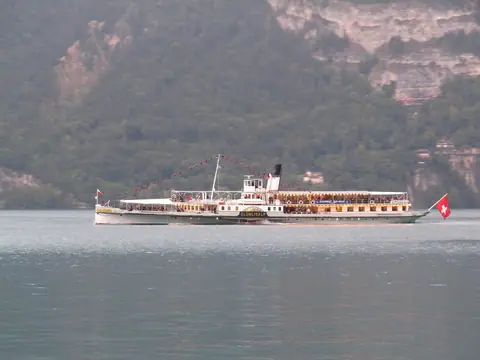
Lake Thun (Thunersee), Paddle Steamer Blümlisalp and St. Beatus Caves
Interlaken, Switzerland
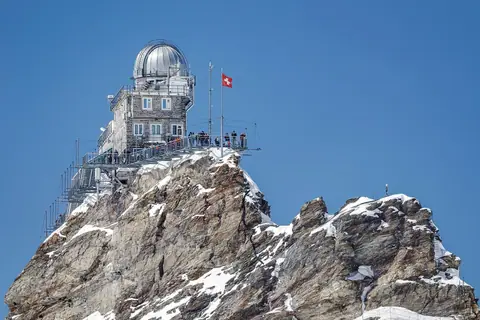
Jungfraujoch (3,454 m) and the Jungfrau Railway Guide from Interlaken
Interlaken, Switzerland
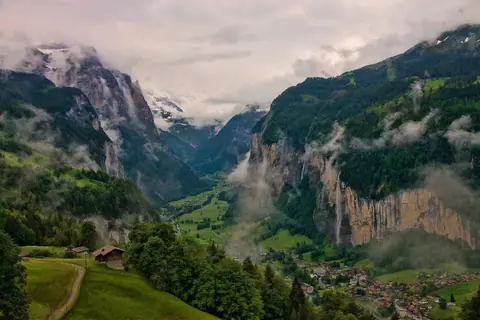
Lauterbrunnen Valley, Grindelwald and Eiger Day Trips from Interlaken
Interlaken, Switzerland
