


























What to Eat in Interlaken: Fondue, Raclette, Rösti and Alpkäse
An editorial guide to Bernese Oberland mountain cuisine in Interlaken, from melted cheese caquelons and crisp potato Rösti to aged alpine cheeses.
Because Interlaken grew at the crossroads of high summer pastures (Alpen) and valley monasteries, traditional cooking in the Bernese Oberland relies on long-keeping raw-milk cheeses, butter, potatoes, air-dried or smoked meats, and orchard fruit from the shores of Lake Thun. When you dine in a timber-framed tavern in Unterseen, a historic inn along the Höheweg, or a mountain restaurant at Harder Kulm or Schynige Platte, five regional staples dominate local menus.
Centuries before refrigerated rail cars reached the valley, alpine communities preserved the rich milk of summer grazing herds by pressing hard wheels of cheese in wood-fired copper kettles and curing pork and beef in chimney smoke. Combined with hardy root crops grown on the alluvial soil of the Bödeli and crisp apples and pears harvested along the lake basins, these ingredients created a comforting mountain cuisine built for active days in the open air.
1. Käsefondue and Raclette
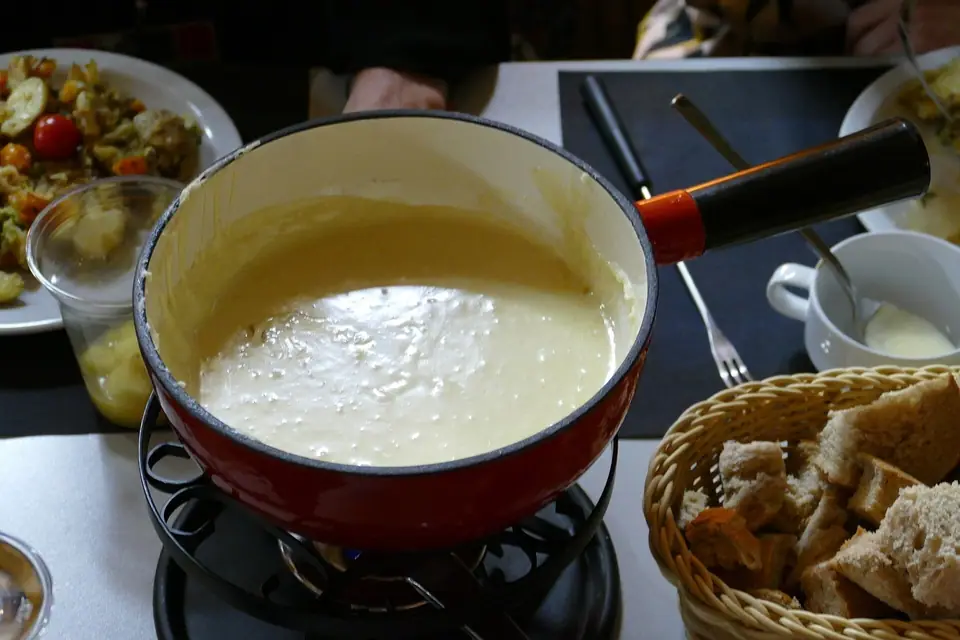
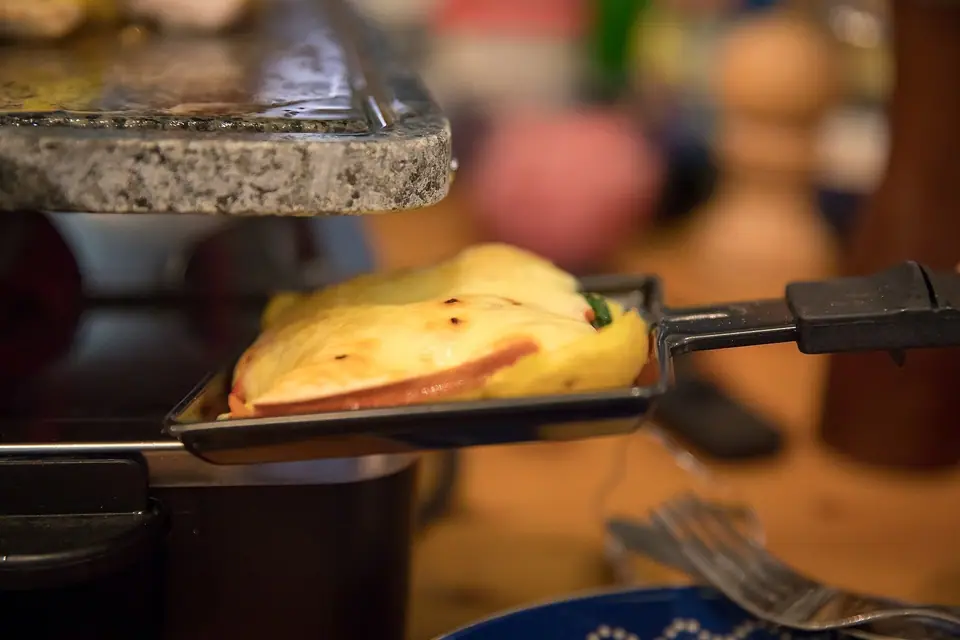
Served year-round in Interlaken's stube dining rooms, Käsefondue blends grated Swiss hard and semi-hard cheeses, most commonly Gruyère AOP and Vacherin Fribourgeois AOP in a moitié-moitié (half-and-half) mix, or local Bernese mountain cheese, with dry white wine, a rubbed garlic clove, cornstarch, and a splash of kirsch inside a heavy earthenware or enamelled cast-iron pot called a caquelon. Diners spear cubes of crusty bread on long forks and stir in a figure-eight pattern over a spirit burner (réchaud); the toasted crust that forms at the bottom of the pot is prized as the Grossmutter (grandmother) or religieuse. Equally popular is Raclette, where half-wheels of semi-hard cow's milk cheese, or individual slices in tabletop pfännli pans, are melted and scraped over jacket potatoes (Gschwellti) with pickled gherkins, silverskin onions, and coarse black pepper.
Local taverns always recommend pairing melted cheese dishes with warm black tea or a glass of dry Swiss white wine rather than iced water or cold beer, which traditional diners believe makes the melted cheese solidify too quickly. Many regional menus also offer house fondue variations infused with mountain herbs, alpine mushrooms, or a dash of local fruit brandy.
2. Bernese Rösti, Älplermagronen and Berner Platte
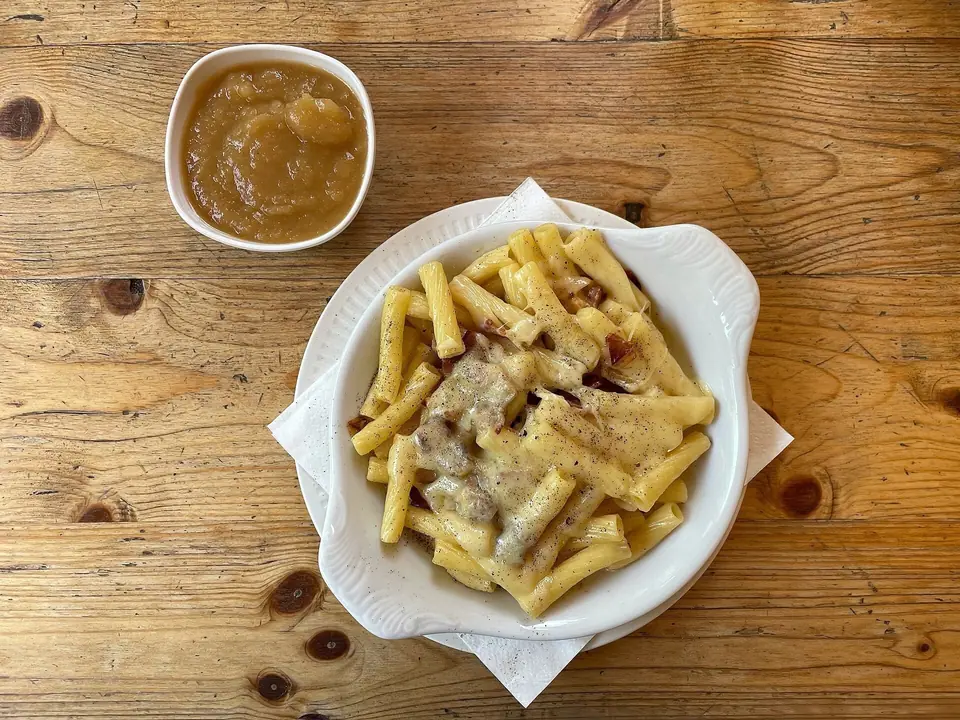
Originally eaten by Bernese farmers as a hot breakfast, Berner Rösti is made from waxy potatoes boiled in their skins the day before, coarsely grated, and slow-fried in butter or lard in an iron skillet until a crisp golden crust forms on both sides, often enriched with bacon lardons or topped with melted alpine cheese and a fried egg. After the opening of the Gotthard rail tunnel in the late 19th century made dried pasta cheap to carry up to high alpine huts, herdsmen combined macaroni with heavy potatoes, cream, mountain cheese, and crispy fried onion rings to create Älplermagronen (herdsman's macaroni), which is always served with a side bowl of warm, tart apple compote (Apfelmus). On festive occasions and Sunday menus, taverns also serve Berner Platte, a generous platter of smoked pork, beef tongue, ribs, bacon, and Bernese Zungenwurst sausage simmered over juniper-spiced sauerkraut or dried green beans (Dörrbohnen).
Because Rösti and Älplermagronen are prepared to order in cast-iron pans, they make ideal midday meals on mountain restaurant terraces after a morning hike, providing slow-burning energy for the afternoon descent.
3. Berner Alpkäse AOP, Lake Fish and Meringues
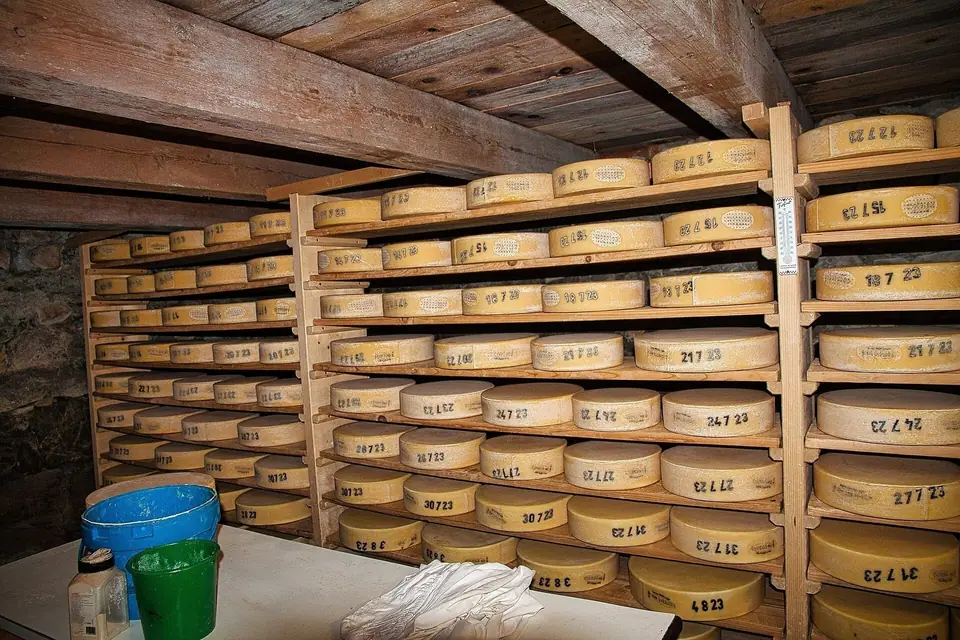
During the summer grazing season between June and September, dairy farmers across the Bernese Oberland heat raw cow's milk in copper cauldrons over wood fires to produce Berner Alpkäse AOP and its extra-aged, crumbly cousin Berner Hobelkäse AOP, matured for at least eighteen months and shaved into thin curls with a carpenter's plane. Along the lakeshores, restaurants serve pan-fried whitefish (Felchen) caught in Lake Brienz and Lake Thun, while dessert menus feature crisp Meringues from nearby Meiringen in the Haslital, served with thick whipped double cream.
4. Lake Thun Vineyards and Traditional Wood-Panelled Stuben
To experience these dishes at their most authentic, look for historic wood-panelled dining rooms (Stuben) in Unterseen Old Town, around the former monastery precinct at Schloss Interlaken, or in nearby Wilderswil. Alongside local craft beers brewed on the Bödeli, wine lists highlight small-production bottles from the sunny terraced vineyards around Spiez and Oberhofen on Lake Thun, where Riesling-Sylvaner (Müller-Thurgau) and Pinot Noir grapes ripen above the water.
5. Alpine Markets, Bakeries and Picnic Supplies
Travellers heading out on cogwheel railway hikes or paddle steamer cruises can easily assemble a regional picnic before boarding at Interlaken West or Interlaken Ost. Local bakeries and dairy counters along Bahnhofstrasse and the Höheweg stock vacuum-packed wedges of aged Berner Alpkäse, paper-thin rolls of shaved Hobelkäse, air-dried beef slices, dark rye and walnut breads, and sweet hazelnut pastries that travel well in a daypack.
Sampling these traditional dishes across different elevations adds genuine local flavour to your days in the Bernese Oberland. A crisp pan of bacon-and-cheese Rösti or a steaming bowl of herdsman's macaroni with tart apple compote tastes all the more rewarding on a sunny mountain terrace after a morning walk along the ridge at Schynige Platte or beneath the cliffs of Lauterbrunnen. Back on the valley floor in the evening, gathering around a bubbling earthenware pot of half-and-half cheese fondue or scraping melted raclette over warm jacket potatoes in a centuries-old timber tavern in Unterseen turns dinner into a slow, sociable ritual. Before heading home, visiting a local dairy counter near Interlaken West or Interlaken Ost to pick up a vacuum-sealed wedge of wood-fire-heated Berner Alpkäse or paper-thin curls of aged Hobelkäse lets you carry the authentic taste of the high summer pastures with you long after your journey ends. Pairing a slice of nutty alpine cheese with crisp white wine from the shores of Lake Thun or finishing a meal with light Meiringen meringues and thick double cream connects every table in town to the surrounding farms, orchards, and mountain dairies. Whether you choose a grand hotel dining room along the central boulevard or a quiet riverside inn beside the Aare weirs, traditional Bernese hospitality anchors every meal in regional history, alpine craftsmanship, and time-honoured dairy traditions passed down through generations.
Traveller tips
Real advice from people who have been to What to Eat in Interlaken: Fondue, Raclette, Rösti and Alpkäse. Every tip is read by our team before it goes live.
No tips yet. Been here? Yours could be the first.
Thank you! Your tip will appear here after a quick review.
More in Interlaken
Continue exploring Interlaken with related neighbourhood, food, and planning guides
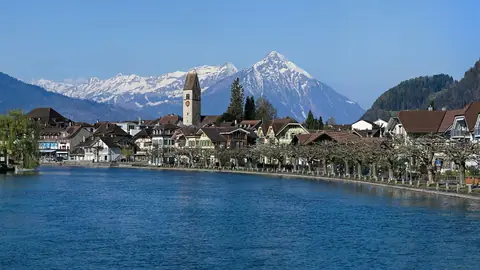
Unterseen Old Town, Aare River Bridges and Weissenau Castle
Interlaken, Switzerland
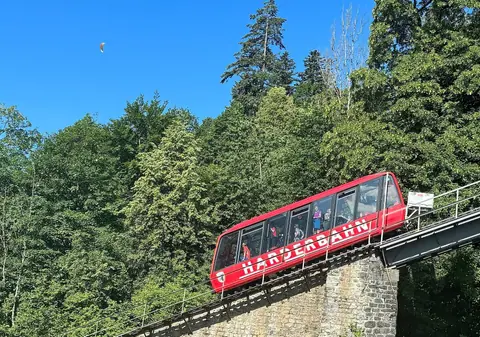
Harder Kulm Funicular (Harderbahn) and Two Lakes Footbridge
Interlaken, Switzerland
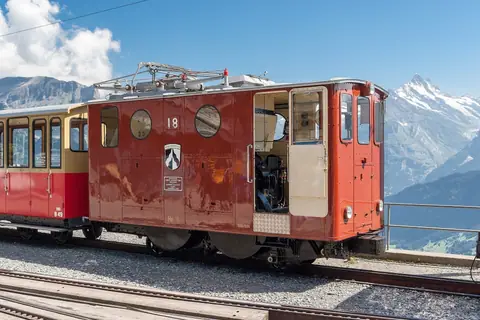
Schynige Platte Railway and Alpine Botanical Garden Guide
Interlaken, Switzerland
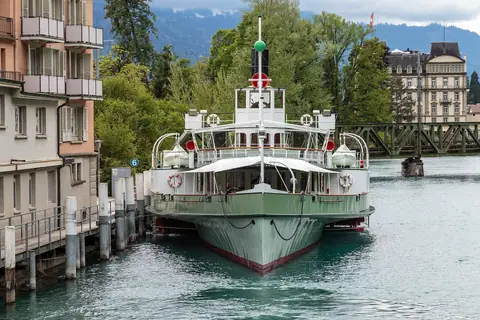
Lake Brienz (Brienzersee), Paddle Steamer Lötschberg and Giessbach Falls
Interlaken, Switzerland
