


























Things to Do in Interlaken: Viewpoints, Lake Steamers and Rail
A curated breakdown of Interlaken's best experiences across valley parks, cogwheel ridges, glacial lakes, and 4,000-metre peaks.
Because Interlaken sits at 568 metres between two navigable lakes and at the foot of the Lütschine valley railway network, its attractions divide naturally into four tiers: valley promenades and medieval river towns, mid-altitude ridge viewpoints, historic paddle steamer cruises, and high-alpine glacier excursions.
Organising your sightseeing across these elevation bands ensures that every day remains rewarding regardless of shifting mountain weather. When the upper peaks stand clear against a blue sky, funiculars and cogwheel railways lift you rapidly above the timberline to panoramic terraces and botanical ridges. When mist or summer showers gather along the high crests, the sheltered valley floor, lakeside castles, waterfall gorges, and subterranean limestone caverns provide rich historical and natural alternatives right at lake level.
1. Valley Walks: Höhematte, Schloss Interlaken and Unterseen
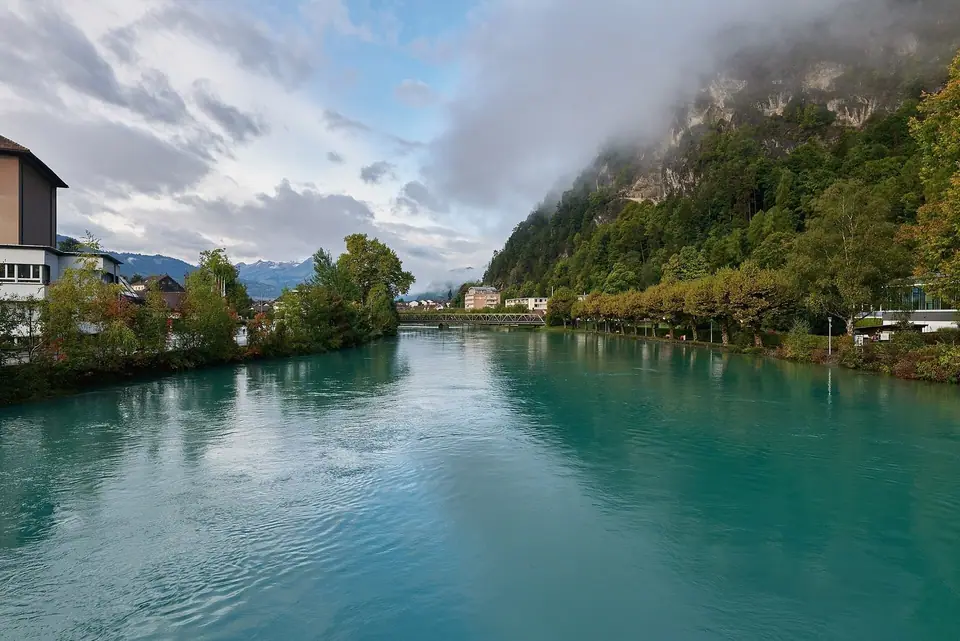
Begin on the flat valley floor along the 1.6-kilometre Höheweg, where 19th-century hotel facades and the 1859 Kursaal gardens face the open 35-acre Höhematte meadow, preserved free of construction since 1860 so visitors can watch tandem paragliders land with the 4,158-metre Jungfrau in the background. At the eastern end of the park stand the Gothic cloister remnants, 14th-century church choir, and 1746 to 1750 New Castle wing of Schloss Interlaken, beside the Japanese Garden of Friendship opened in 1995 with sister city Otsu. Cross the Aare bridges from Interlaken West to explore Unterseen Old Town (founded in 1279), the 1687 Touristik-Museum, and the flat riverside footpath to the 13th-century lakeside ruins of Weissenau Castle on Lake Thun.
Walking this valley circuit requires no special gear and links medieval monastic architecture with Belle Époque resort heritage. Along the riverbanks between the two towns, you can observe how nineteenth-century stone sluice weirs control the rapid turquoise flow of the Aare around Spielmatte island, then follow quiet gravel trails through wet meadows and reed beds where waterbirds nest along the edge of Lake Thun.
2. Ridge Viewpoints: Harder Kulm and Schynige Platte
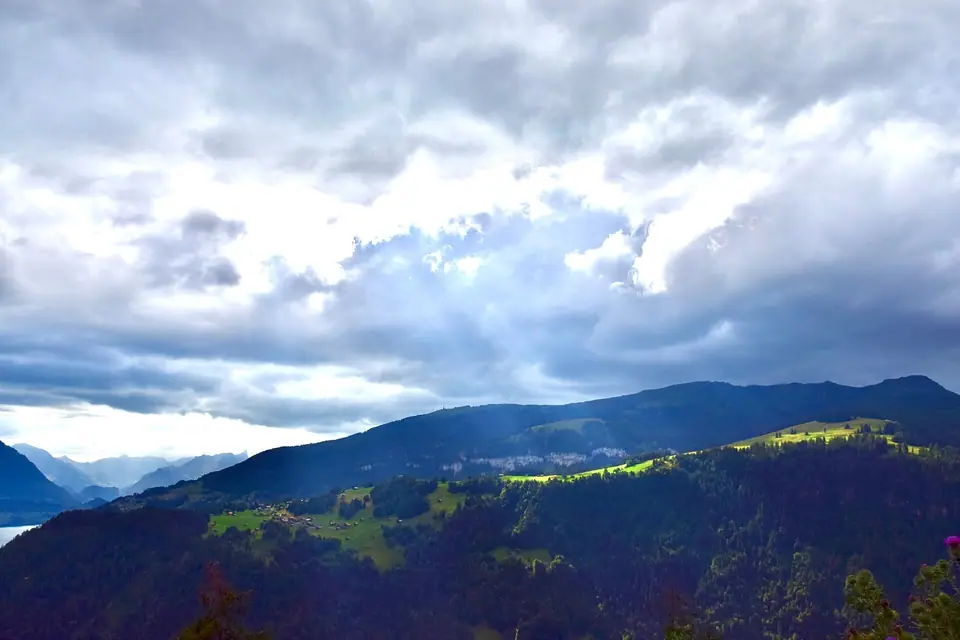
Five minutes on foot from Interlaken Ost across the Aare bridge, the red carriages of the 1908 Harderbahn funicular climb a 64 percent maximum gradient through beech forest to Harder Kulm (1,322 metres), where the Two Lakes Footbridge (Zwei-Seen-Steg) cantilevers above the Bödeli. Four minutes south by train at Wilderswil, the 1893 Schynige Platte rack railway ascends 7.26 kilometres to 1,967 metres, home to the 1928 Alpine Botanical Garden with around 600 native species.
These two viewpoints complement each other in both character and perspective. Harder Kulm provides an immediate aerial overview of the alluvial plain, showing how the Aare threads between the two lakes directly below the viewing platform, making it ideal for a short morning or late-afternoon ascent. Schynige Platte offers a slower, nostalgic journey aboard vintage wooden coaches pushed by early twentieth-century electric locomotives, opening onto high limestone ridge trails where wildflowers bloom against a full-scale panorama of the Eiger, Mönch, and Jungfrau.
3. Glacial Lake Cruises: Brienz and Thun
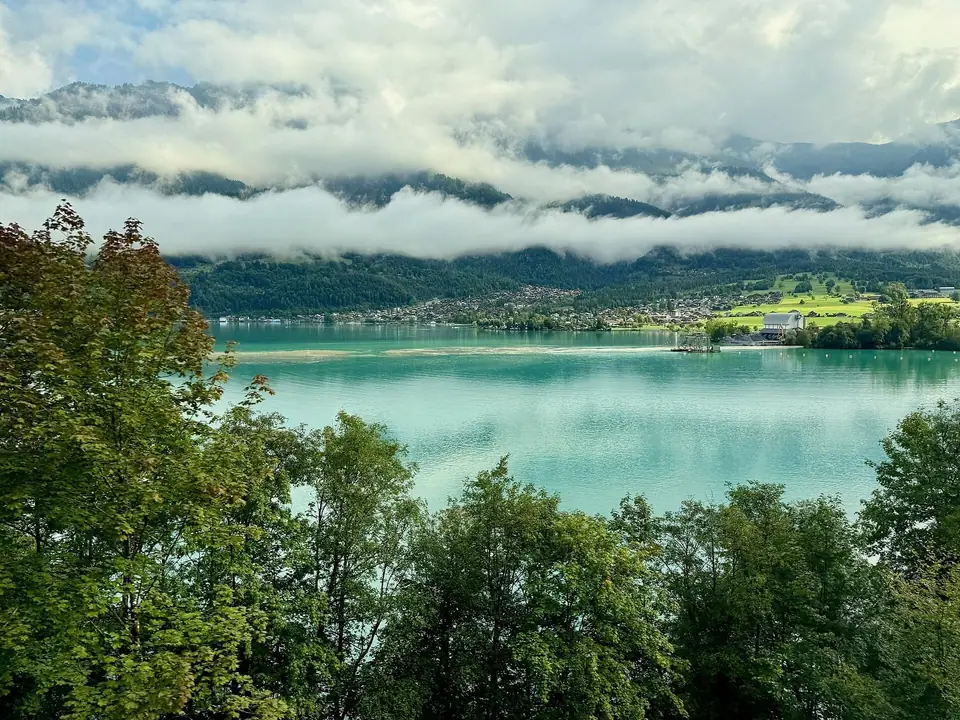
On the eastern side of town, Lake Brienz gets its opaque turquoise hue from suspended glacial rock flour (Gletscherschliff). Board the 1914 belle-époque paddle steamer Lötschberg to Giessbach See, where Europe's oldest public funicular with a passing loop (opened in 1879) climbs alongside fourteen waterfall cascades. To the west, Lake Thun steamers including the 1906 Blümlisalp call at Beatenbucht below the illuminated limestone chambers of St. Beatus Caves.
Sailing both lakes highlights the geographical variety on either side of the Bödeli. Lake Brienz is enclosed by steep, wooded mountain walls that plunge straight into deep water, giving cruises to the peninsula village of Iseltwald and the historic Grandhotel Giessbach an intimate, dramatic atmosphere. Lake Thun opens into a broader basin lined with medieval lakeside castles, sunny vineyards, and karst caverns where underground streams roar through lit dripstone halls.
4. High Alps: Lauterbrunnen, Grindelwald and Jungfraujoch
From Interlaken Ost, coupled metre-gauge trains of the 1890 Bernese Oberland Railway split at Zweilütschinen for Lauterbrunnen and Grindelwald, giving access to the 300-metre Staubbach Fall, the ten subterranean cascades of the Trümmelbach Falls, and the 1,800-metre Eiger North Face. From Lauterbrunnen and Grindelwald Terminal, the Wengernalp Railway and the 2020 Eiger Express tricable gondola feed into the 1912 tunnelled Jungfraujoch Railway to Jungfraujoch at 3,454 metres, overlooking the 20-kilometre Great Aletsch Glacier.
Because these mountain railways connect across the pass at Kleine Scheidegg, day trippers from Interlaken can ascend through one valley and return through the other on a continuous loop. Even travellers who prefer to stay at mid-altitude can ride the train into Lauterbrunnen to walk the flat valley floor beneath sheer limestone walls, then ride up to Wengen or Grindelwald for lunch facing the glaciers.
5. Alpine Dining, Museums and Cultural Traditions
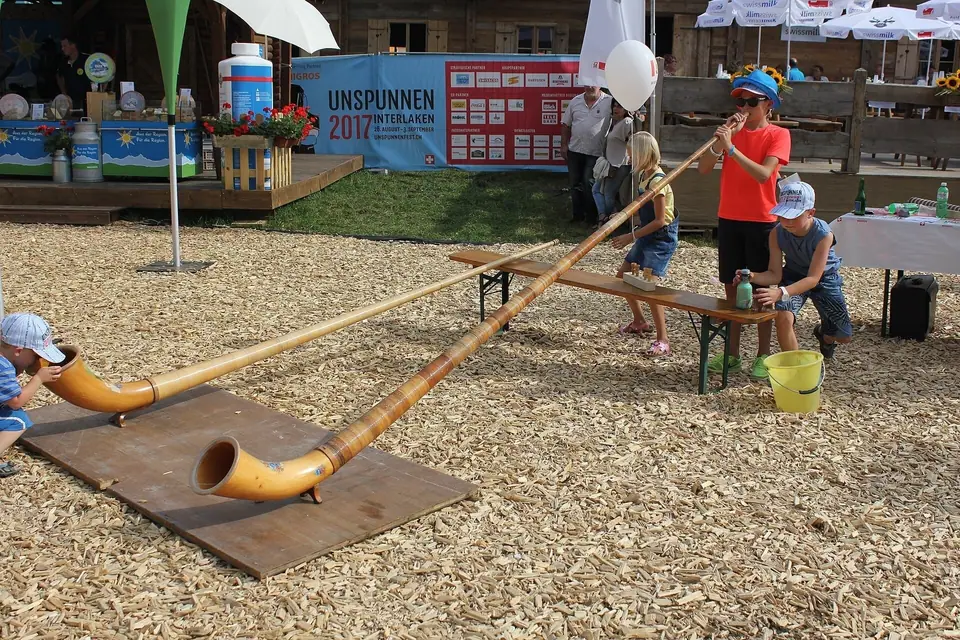
Between mountain excursions, experiencing local culinary and pastoral heritage is an essential part of a stay in the valley. Round out your evenings with traditional Bernese dairy dishes detailed in what to eat in Interlaken, including bubbling caquelons of half-and-half cheese fondue, scraped raclette over jacket potatoes, crisp pan-fried Rösti, and herdsman's macaroni served with warm apple compote. Visitors who explore Unterseen's regional tourism museum or stroll past the historic ruins of Unspunnen Castle also gain insight into centuries of alpine cheesemaking, woodcarving, and traditional Swiss wrestling festivals that shaped the Oberland long before the railway age.
On warm summer afternoons, locals and visitors also gather along the lakeside bathing lawns at Neuhaus on Lake Thun and Bönigen on Lake Brienz, or watch woodcarvers and dairy producers at work in the surrounding villages. Balancing one major mountain or steamer excursion in the morning with a relaxed valley walk and traditional tavern dinner in the evening lets you experience the full breadth of the region without rushing from platform to platform.
When planning your sequence of activities across several days, consider alternating high-mountain rail ascents with relaxing water cruises so you never spend two consecutive days sitting inside long railway tunnels. Starting a trip with a short funicular ride to Harder Kulm or a flat walk between Schloss Interlaken and Unterseen gives you an immediate sense of how the lakes, rivers, and valleys fit together before you venture higher into the Jungfrau massif. Families and leisurely walkers will find that the valley paths, lakeside castle keeps, and paddle steamer decks offer plenty of scenery without steep gradients, while active mountain hikers can use the cogwheel trains and aerial gondolas to reach ridge trails above two thousand metres in less than an hour from the town centre.
Traveller tips
Real advice from people who have been to Things to Do in Interlaken: Viewpoints, Lake Steamers and Rail. Every tip is read by our team before it goes live.
No tips yet. Been here? Yours could be the first.
Thank you! Your tip will appear here after a quick review.
More in Interlaken
Continue exploring Interlaken with related neighbourhood, food, and planning guides
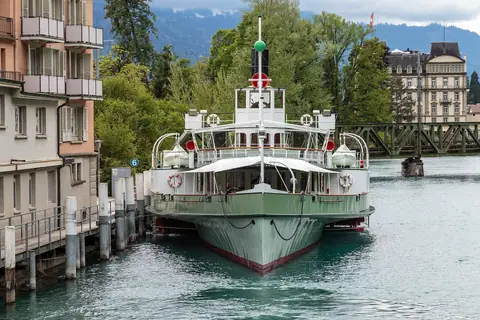
Lake Brienz (Brienzersee), Paddle Steamer Lötschberg and Giessbach Falls
Interlaken, Switzerland
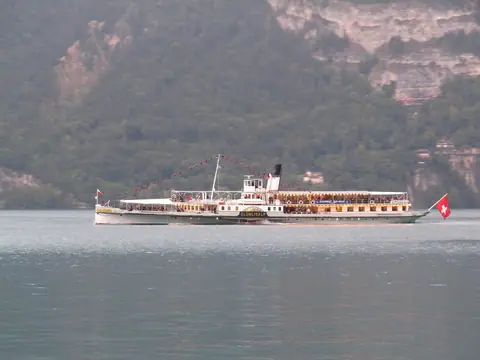
Lake Thun (Thunersee), Paddle Steamer Blümlisalp and St. Beatus Caves
Interlaken, Switzerland
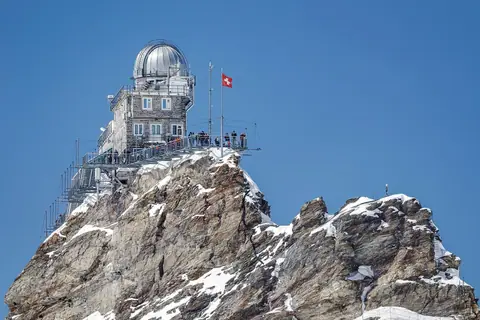
Jungfraujoch (3,454 m) and the Jungfrau Railway Guide from Interlaken
Interlaken, Switzerland
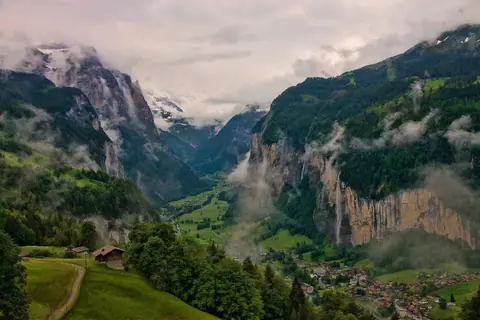
Lauterbrunnen Valley, Grindelwald and Eiger Day Trips from Interlaken
Interlaken, Switzerland
