


























Best Time to Visit Luxor: Upper Egypt Desert Climate Normals, Winter Sun & Summer Heat Strategy
Plan your trip with WMO 1991-2020 climate normals for Luxor: sunny 23-25°C winter days, shoulder-season mornings, and how to beat 41°C summer canyon heat.
Located at latitude 25.7°N deep inside the hyper-arid Sahara belt of Upper Egypt, Luxor is one of the sunniest, driest inhabited cities on earth. Official 1991-2020 climatological normals recorded by the Egyptian Meteorological Authority (EMA) and archived by the World Meteorological Organization (WMO) at Luxor International Airport Station (WMO ID 62405, elevation 99 metres) confirm that the city receives less than 1 millimetre of measurable rainfall per year across 0 rain days. Clear skies deliver nearly 4,000 hours of annual sunshine. While rain is virtually nonexistent, seasonal daytime temperatures swing from ideal 23°C winter afternoons to punishing 41°C summer highs inside the reflective limestone amphitheatres of the West Bank. Below is how to time both your travel month and your daily sightseeing clock.
| Season & Months | Mean High / Low (°C) | Crowd & Price Level | Field Verdict & Daily Strategy |
|---|---|---|---|
| 1. Winter Peak (Dec to Feb) | 23°C to 25°C / 6°C to 8°C | Highest (Nile cruises peak) | Pleasant midday walking. Pack a warm fleece for 6°C dawn ferry and balloon rides |
| 2. Shoulder Windows (Mar to Apr & Oct to Nov) | 29°C to 35°C / 12°C to 18°C | Moderate to High | November and March are prime. Enter West Bank tombs at 06:00 and rest from 13:00 to 16:00 |
| 3. Summer Low Season (May to Sep) | 39°C to 41°C / 21°C to 25°C | Lowest (empty tombs, low hotel rates) | Strict 06:00 to 10:30 outdoor window. Return for illuminated night temples after 17:30 |
Month-by-month WMO climate normals (1991-2020) across the seasons
The West Bank necropolises (Valley of the Kings and Deir el-Bahari) sit inside treeless pale-limestone bowls that trap solar radiation. As a result, ambient air temperatures always feel 4°C to 6°C hotter on the West Bank after 11:00 than along the breezy East Bank Nile Corniche:
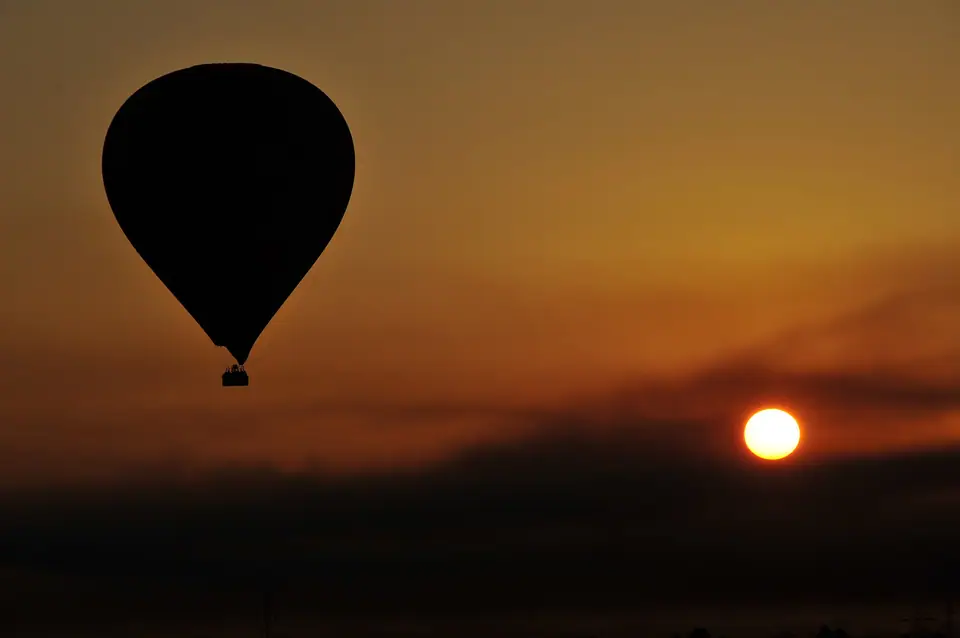
- Winter (December, January, and February: The Prime Sightseeing Window). Mean daytime highs reach 24°C in December, 23°C in January, and 25°C in February under cloudless blue skies. You can comfortably walk the open courts of Karnak Temple and Medinet Habu right through the middle of the day. However, dry desert radiation causes temperatures to plummet after sunset to mean overnight lows of 8°C in December, 6°C in January, and 8°C in February. Crossing the Nile on an open boat at 05:30 for a sunrise balloon flight requires a warm jacket, fleece, and long trousers.
- Autumn and Spring Shoulder Months (October to November and March to April). November (29°C high / 12°C low) and March (30°C high / 12°C low) offer the single best balance of warm mornings, long daylight hours, and manageable queues inside royal tombs. In October and April (35°C mean highs / 17°C to 18°C lows), mornings from 06:00 to 11:00 and late afternoons after 16:00 are ideal. Midday hours in April and October require a shaded lunch break or a swim at your Nile-side hotel. In late March and April, occasional southerly khamsin winds can blow fine Sahara dust across the valley for one to two days, temporarily grounding morning hot-air balloons.
- Summer (May through September: Extreme Midday Heat and Split-Day Strategy). From May to September, mean daytime highs sit at 39°C in May and September and 41°C in June, July, and August, with afternoon spikes occasionally topping 44°C. Relative humidity stays very low (around 20 to 25 percent), and five-star riverfront hotels drop their room rates by up to fifty percent. If you visit in summer, treat Luxor as a two-shift destination. Visit West Bank tombs strictly between 06:00 and 10:00, retreat to an air-conditioned hotel pool and the Luxor Museum from 10:30 to 17:00, and tour Luxor Temple and the Avenue of Sphinxes after sunset.
How the Nile cruise schedule drives daily crowd waves at Karnak and the Valley of the Kings
More than 200 Nile cruise ships ply the river between Luxor and Aswan during the October-to-April season. Because cruise itineraries operate on synchronised departure clocks, you can avoid ninety percent of tour-group congestion simply by stepping out of sync with ship schedules:
- 06:00 to 08:30 (The Golden Solitude Window). Both Karnak Temple and the Valley of the Kings open at 06:00 year-round. Cruise-ship shore excursions rarely clear breakfast and reach the gates before 08:00, while day-trip coaches driving 4 hours from Hurghada do not arrive until 09:30 to 10:30. Entering the Valley of the Kings or Karnak at 06:00 gives you two full hours of cool air and empty corridors inside tombs like KV11, KV62, and KV9.
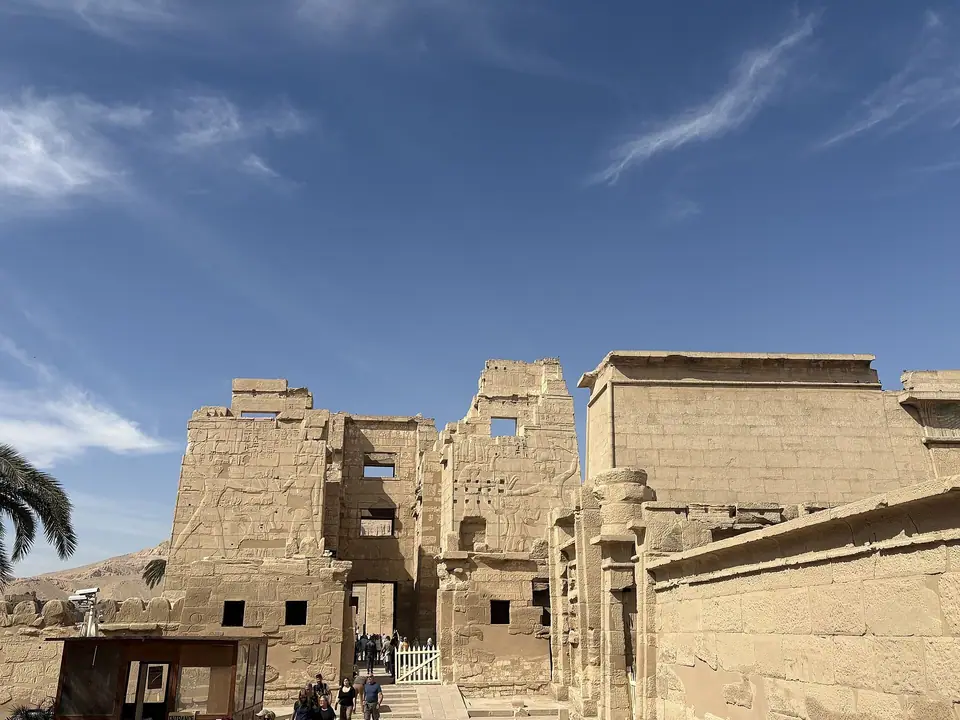
- 09:00 to 13:00 (Peak Bus Congestion at Headline Sites). During these four hours, long queues form on the wooden ramps descending into KV62 (Tutankhamun) and on the central staircase of Hatshepsut's Temple. Use mid-morning to explore quieter masterpieces that big tour buses skip. Top uncrowded choices include Medinet Habu, the Ramesseum, Deir el-Medina, and the Tombs of the Nobles (Ramose TT55, Sennefer TT96, and Rekhmire TT100).
- 15:00 to 20:00 (Late-Afternoon Glow and Night Temples). By 14:30, Hurghada day-trip buses begin boarding for the return drive to the Red Sea. Late afternoon casts warm western light across the First Pylon of Karnak and the Colonnade of Luxor Temple, which remains open until 20:00 in winter and 21:00 in summer.
Cultural calendar: Winter Solstice, Mawlid of Abu el-Haggag, and Ramadan
Three annual events add remarkable cultural and astronomical depth to a Luxor trip:
- Winter Solstice Solar Alignment at Karnak and Deir el-Bahari (around 21 December). At sunrise on the winter solstice, the rising sun aligns directly down the central canyon axis of the Precinct of Amun-Ra at Karnak. The golden disc shines straight between the pylons to illuminate the central bark sanctuary and projects across the Nile to the rock-cut sanctuary of Hatshepsut's Temple.
- Mawlid of Sheikh Yusuf Abu el-Haggag (14th of Sha'ban, two weeks before Ramadan). Centred on the thirteenth-century mosque perched inside Luxor Temple, this popular Sufi festival culminates in the Dora procession. Residents parade decorated wooden boats mounted on wagons through the streets of Luxor in an unmistakable living echo of the ancient pharaonic Opet Festival.
- Visiting During Ramadan and Coptic Easter. Archaeological sites stay open daily during the Islamic holy month of Ramadan, though daytime closing hours on the West Bank often shift one hour earlier (around 16:00 instead of 17:00) so staff can return home for the sunset iftar meal. Evening street life around Luxor Temple and the market comes alive after dark with lantern-lit cafés and sweet pastry stalls. Plan your daily schedule with our 3-day Luxor itinerary, packing guide, and Upper Egyptian dining guide.
Traveller tips
If booking a sunrise hot-air balloon flight over the West Bank, always schedule your flight for the first morning of your stay in Luxor. Egyptian civil aviation authorities cancel balloon launches whenever early-morning wind speeds exceed safety thresholds (roughly 10 to 12 knots) or when morning mist obscures visibility over the Nile. Booking for Day 1 gives you Day 2 and Day 3 as automatic backup mornings before you depart on the train or cruise boat to Aswan.
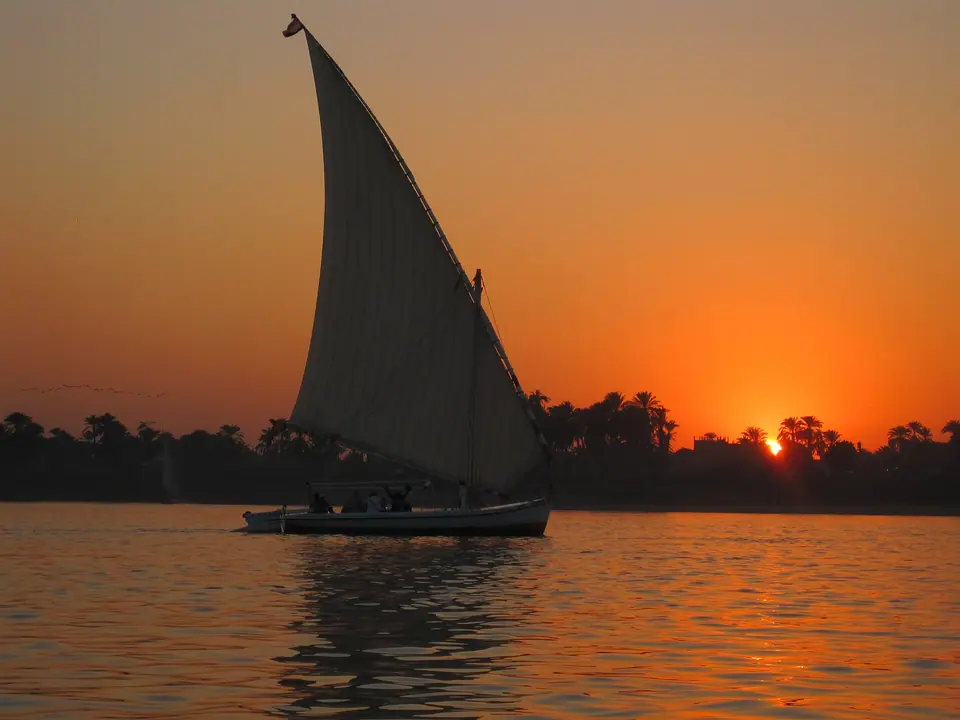
Photographers should track the changing seasonal angle of the sun across the Nile Valley. Between November and February, the lower southern arc of the winter sun illuminates the southern walls of the Great Hypostyle Hall at Karnak. That same winter angle lights the exterior battle reliefs of Medinet Habu with soft, even contrast throughout the morning. From April through September, the sun climbs almost vertically overhead by 10:00 and casts sharp shadows inside open peristyle courts until 16:00. Structuring each day around the 06:00 gate opening and the 16:30 golden hour ensures comfortable temperatures and empty stone avenues in every season. Check local sunset times for your travel week so you reach the West Bank ferry jetty or your felucca dock thirty minutes before dusk. On clear winter nights around the new moon, the dry desert air above West Bank Al-Gezira offers crisp stargazing above the silhouette of the Theban peaks. Early risers in October and November enjoy calm mirror-like reflections of the Theban cliffs across the Nile before the morning ferry traffic wakes up. Even during the warmest weeks of May or September, the shaded banana and mango orchards of Geziret el-Mozh stay five degrees cooler than the surrounding desert stone.
Where it is
- 1Luxor
- Luxor International Airport (LXR) · about 8 km from Luxor in a straight line
- Directions in Google Maps
Traveller tips
Real advice from people who have been to Luxor. Every tip is read by our team before it goes live.
No tips yet. Been here? Yours could be the first.
Thank you! Your tip will appear here after a quick review.
More in Luxor
Continue exploring Luxor with related neighbourhood, food, and planning guides
Where to Stay in Luxor: East Bank Corniche Resorts vs West Bank Al-Gezira Garden Guesthouses
Luxor, Egypt
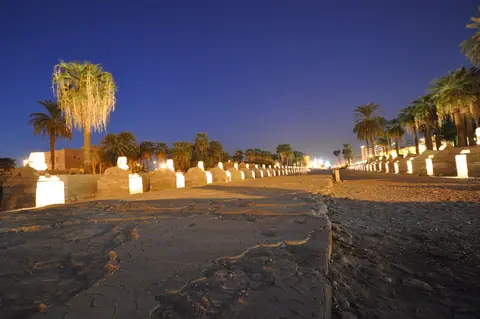
Luxor 3-Day Itinerary: East Bank Temples, Northern Royal Wadis & Southern Mortuary Loop
Luxor, Egypt
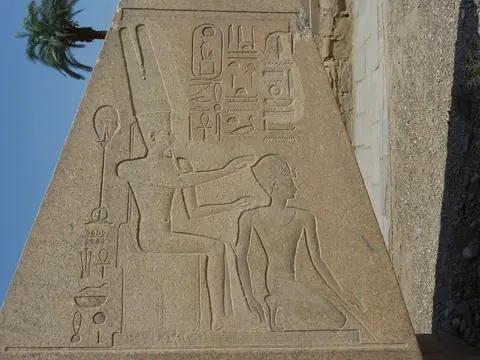
Karnak Temple Guide: Great Hypostyle Hall, Sacred Lake, Obelisks, Open-Air Museum & Precinct of Amun-Ra
Luxor, Egypt
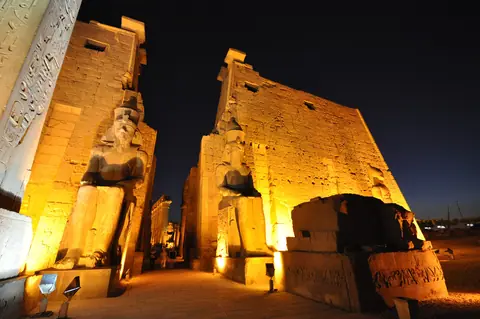
Luxor Temple & Avenue of Sphinxes Guide: First Pylon, Abu el-Haggag Mosque, Amenhotep III & Night Walk
Luxor, Egypt
