






















What to Eat in Luxor: Upper Egyptian (Sa'idi) Clay-Pot Tagines, Sun-Risen Bread, Stuffed Pigeon & Karkadeh
Taste authentic Upper Egyptian (Sa'idi) cuisine in Luxor: sun-risen aish shamsi bread, slow-baked clay-pot bamya and molokhia, stuffed pigeon with freekeh, koshary, and Aswan karkadeh.
Dining in Luxor offers a delicious window into the culinary heritage of Upper Egypt (Al-Sa'id). Its clay-oven stews, sun-leavened sourdough loaves, and smoked green-wheat stuffing differ markedly from the food of Alexandria or Cairo. West Bank farmers harvest sugarcane, okra, fava beans, dates, and crimson hibiscus calyces across the fertile Nile floodplain. Rooted in that harvest, Sa'idi cooking relies on unglazed earthenware pots (tagines or bram) and wood-fired mud ovens. Below are the essential Upper Egyptian dishes, drinks, and trusted restaurants on both banks of the Nile, complete with approximate November 2026 prices.
| Dish / Speciality | Ingredients & Preparation | Dietary Profile | Approx. Nov 2026 Price Range |
|---|---|---|---|
| 1. Aish Shamsi ("Sun Bread") | Thick Upper Egyptian sourdough wheat round risen directly in the desert sun before baking in a mud oven | Vegan / Vegetarian staple | Served complimentary or ~10 to 25 EGP with dips |
| 2. Sa'idi Clay-Pot Tagine (Bram) | Beef, lamb, or Nile perch slow-baked in an earthenware pot with okra (bamya), potatoes, or caramelized onions | Halal meat, poultry, or vegetarian okra/aubergine | ~220 to 420 EGP at local and mid-range restaurants |
| 3. Hamam Mahshi (Stuffed Pigeon) | Squab stuffed with smoky roasted green wheat (freekeh) or spiced rice, braised and crisped in ghee | Classic Egyptian celebratory poultry dish | ~280 to 480 EGP per bird |
| 4. Ful Medames, Ta'ameya & Koshary | Slow-stewed fava beans, crispy green fava-bean falafel with coriander, and lentil-macaroni-chickpea koshary | 100% Vegetarian / Vegan powerhouse | ~40 to 120 EGP at street stalls and casual cafés |
| 5. Aswan Karkadeh & Sugarcane Juice | Whole-flower crimson hibiscus infusion (hot or iced) and fresh-pressed green sugarcane juice (asab) | Caffeine-free herbal tea & Fresh juice | ~20 to 60 EGP at cafés and juice bars |
Five signature Upper Egyptian (Sa'idi) dishes to order in Luxor
When reading a menu on the East Bank Corniche or in a West Bank garden café in Al-Gezira, look past generic hotel buffets for these five regional specialities:
- 1. Aish Shamsi (Traditional Upper Egyptian "Sun Bread"). Found across Upper Egypt between Sohag, Luxor, and Aswan, aish shamsi is a living descendant of pharaonic temple offering loaves. You can spot identical round loaves carved on the walls of Karnak and the Valley of the Kings. Every morning across the West Bank villages of Qurna and Ramla, bakers shape thick rounds of sourdough wheat dough on bran discs. They set the loaves outdoors in the direct morning desert sun for 60 to 90 minutes so solar warmth leavens the yeast, then bake them in a clay oven. Tear off warm wedges to scoop up tahini, baba ghanoush, and white mish cheese.
- 2. Earthenware Clay-Pot Tagines (Tagine Bamya, Tagine Akkawi, and Sayadiya). In Egyptian cuisine, a tagine refers not to the conical North African lid, but to a deep unglazed red-clay casserole dish transferred straight from a roaring oven to your table still bubbling. Order Tagine Bamya bil-Lahma, featuring tender cubes of lamb or veal baked with baby okra pods, garlic, coriander, and tomato sauce. Other favourites include vegetarian Tagine Torly and fresh Nile Perch (Samak Bayad) baked in clay with cumin and lemon.
- 3. Hamam Mahshi bil-Freekeh (Pigeon Stuffed with Green Wheat) and Roasted Duck. Across Upper Egypt, farm-raised squab (hamam) and duck (batt) are prized above all other meats. Unlike northern recipes that stuff pigeon only with white rice, Upper Egyptian cooks prefer freekeh (roasted green durum wheat). Simmered with cinnamon, allspice, and onions, the smoky grain is stuffed under the skin before the bird is roasted golden brown.
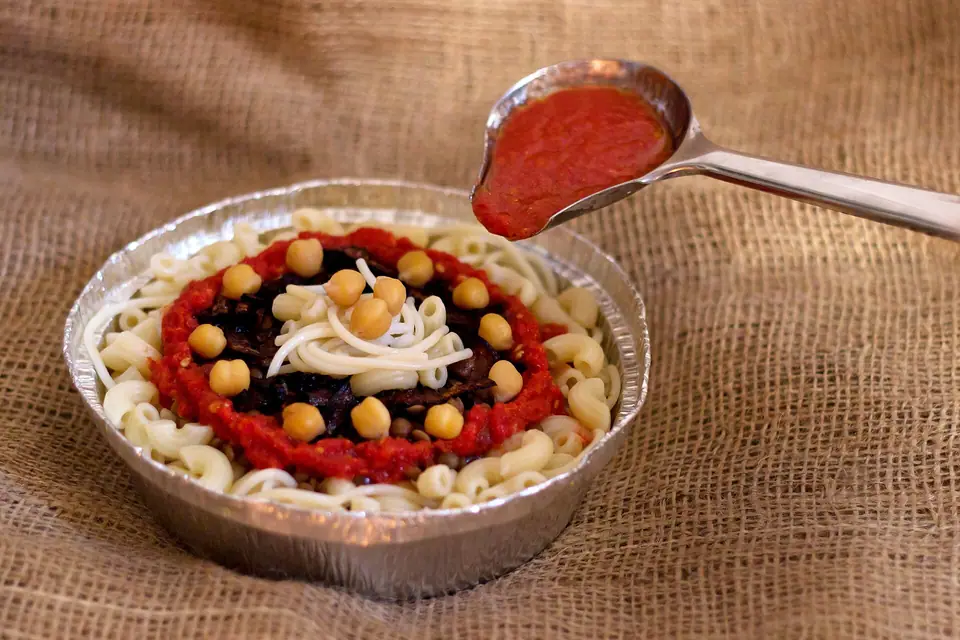
- 4. Molokhia, Koshary, and Ta'ameya (Vegetarian Staples). Vegetarian and vegan travellers eat royally in Luxor. For breakfast, order ta'ameya, Egyptian falafel made from crushed fava beans blended with fresh parsley, cilantro, dill, and leeks. Pair the emerald-green patties with slow-simmered ful medames fava beans dressed with cumin and olive oil. For lunch, try molokhia, finely chopped jute mallow greens simmered in broth with a sizzling tasha of fried garlic and coriander. Street stalls also ladle out bowls of koshary, layering lentils, rice, macaroni, chickpeas, spicy tomato sauce, and crispy onions.
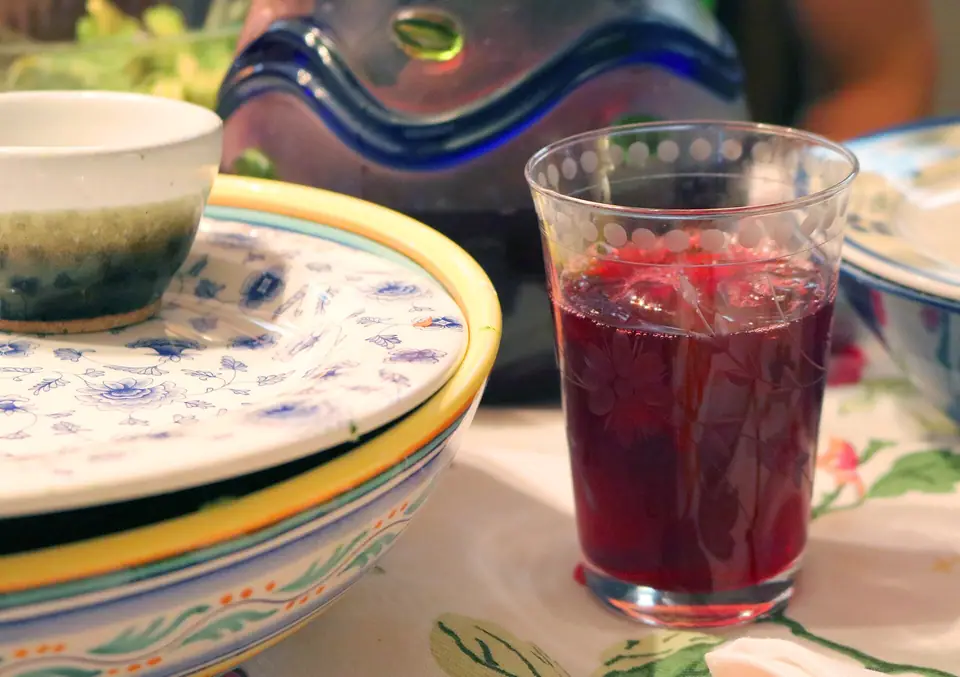
- 5. Whole-Flower Karkadeh, Sahlab, and Fresh Sugarcane Juice (Asab). Luxor and neighboring Aswan cultivate prized dark-crimson karkadeh (Hibiscus sabdariffa) blossoms. Almost every restaurant and West Bank guesthouse greets you with a chilled glass of ruby-red iced karkadeh, or serves it steaming hot in winter. When buying dry karkadeh in the market near Luxor Temple, always choose whole dried hibiscus calyces (karkadeh wara') rather than crushed powder dust. On warm afternoons, stop at a local juice press for freshly crushed green sugarcane juice (asab). A tall frothy glass costs around 15 to 25 EGP as of November 2026.
Where to eat on the East Bank and West Bank
Skip the unmarked tourist cafés right outside the temple exit gates that hand out laminated multi-language menus without prices, and dine instead at trusted spots on both banks:
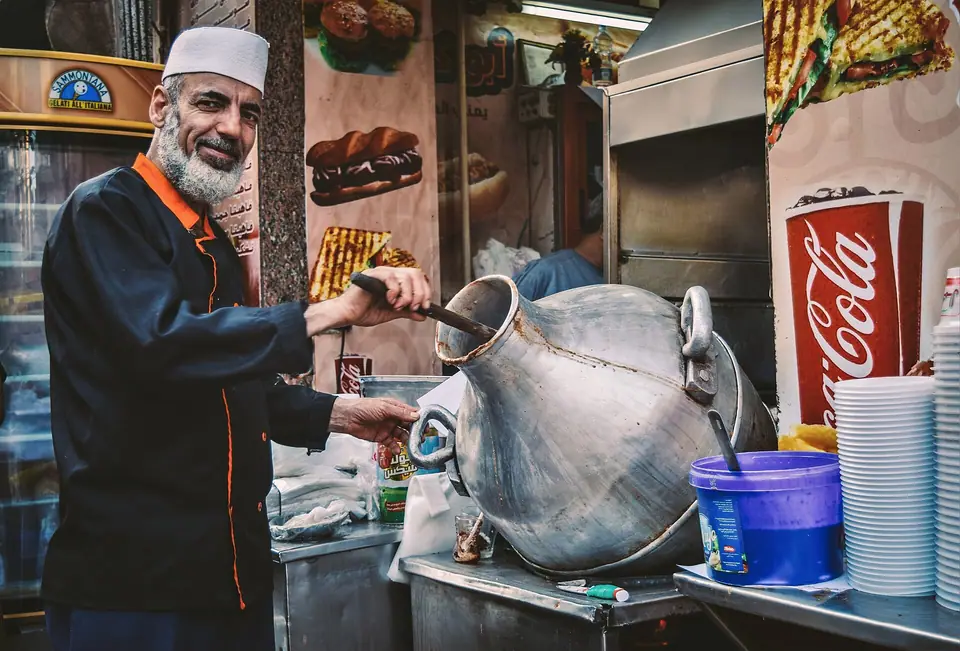
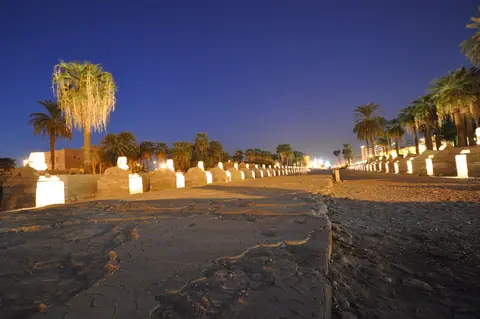
- East Bank Favourites (Around Luxor Temple, Station Street, and Corniche). For clay-pot tagines and rooftop views over the illuminated Avenue of Sphinxes and Abu el-Haggag Mosque, head to Al-Sahaby Lane Restaurant atop the Nefertiti Hotel (mains around 220 to 400 EGP as of November 2026). Another top choice is Sofra Restaurant & Café, housed inside a restored 1930s townhouse near Television Street serving stuffed pigeon and duck with freekeh. For a historic splurge, book a table on the Victorian terrace of the 1886 Restaurant or Royal Bar at the Sofitel Winter Palace. For fast, spotless local koshary and grilled chicken at Egyptian street prices (50 to 150 EGP), look along Mahatta Street (Station Street) and Television Street.
- West Bank Garden Cafés (Al-Gezira, Ramla, and the Memnon Road). After your morning loop through the Valley of the Kings or Medinet Habu, stop at a shaded garden restaurant in West Bank Al-Gezira. Welcoming spots include Nile View Restaurant, Sunflower Restaurant, and the courtyard kitchen of Marsam Hotel opposite the Tombs of the Nobles. Home-cooked lentil soup, roasted chicken, tahini, and aish shamsi under bougainvillea pergolas cost around 200 to 380 EGP per person as of November 2026.
Food safety, bottled water, and restaurant tipping in 2026
With daytime temperatures reaching 25°C in winter and 40°C in shoulder months, maintaining hydration and stomach comfort is essential during a 3-day Luxor itinerary:
- Sealed Bottled Water and Ice. Never drink tap water in Luxor, and use bottled water for brushing your teeth if you have a sensitive stomach. Buy 1.5-litre bottles of sealed mineral water (such as Hayat, Baraka, or Nestlé) from East Bank supermarkets along Television Street. Supermarket bottles cost 10 to 15 EGP as of November 2026, compared to 50 EGP at desert kiosks. Stick to cooked-to-order piping-hot tagines, peeled fruits (like Banana Island bananas and oranges), and hot hibiscus tea.
- Checking the Bill (Service Charge, 14% VAT, and Tipping). Sit-down restaurants and hotel dining rooms in Luxor typically add a 12% service charge plus 14% Value Added Tax (VAT). Check the bottom of the menu for the note stating 26% combined tax and service. Even when a service charge is printed on the receipt, it goes to the house rather than directly to your waiter. Leaving 10% in cash EGP on the table for attentive service (or rounding up 20 to 40 EGP at casual cafés) is standard and deeply appreciated.
Traveller tips
Before boarding your train or flight out of Luxor, walk ten minutes through Sharia el-Souq (Savoy Market street) north of Luxor Temple. Pick up a bag of whole dried Aswan karkadeh hibiscus flowers (around 100 to 180 EGP per kilo after bargaining as of November 2026) as a fragrant souvenir. Beside hibiscus blossoms, the spice merchants in Sharia el-Souq stock whole green cardamom pods, roasted cumin, and Upper Egyptian dukkah nut-and-seed spice blends roasted with sesame and coriander. For a sweet dessert after your evening tagine, order a warm clay dish of Om Ali, Egypt's flaky puff-pastry bread pudding baked with milk, cream, raisins, pistachios, and shredded coconut.
Where it is
- 1Luxor
- Luxor International Airport (LXR) · about 7 km from Luxor in a straight line
- Directions in Google Maps
Traveller tips
Real advice from people who have been to Luxor. Every tip is read by our team before it goes live.
No tips yet. Been here? Yours could be the first.
Thank you! Your tip will appear here after a quick review.
More in Luxor
Continue exploring Luxor with related neighbourhood, food, and planning guides

Best Time to Visit Luxor: Upper Egypt Desert Climate Normals, Winter Sun & Summer Heat Strategy
Luxor, Egypt
What to Wear in Luxor: Subterranean Tomb Heat, Sun Protection, Footwear & Upper Egypt Modest Dress
Luxor, Egypt

Where to Stay in Luxor: East Bank Corniche Resorts vs West Bank Al-Gezira Garden Guesthouses
Luxor, Egypt
Luxor 3-Day Itinerary: East Bank Temples, Northern Royal Wadis & Southern Mortuary Loop
Luxor, Egypt
