




















Luxor Museum, Mummification Museum & Nile Felucca Guide: 1989 Statue Cachette, Royal Mummies & Banana Island
Explore the Luxor Museum's 1989 Statue Cachette and royal mummies, the Mummification Museum on the Corniche, and how to charter a sunset wooden felucca sailboat to Banana Island.
Mornings in Luxor belong to the monumental stone temples and rock-cut tombs of the West Bank. In the afternoon and evening, the air-conditioned museums and breezy decks of the East Bank Nile Corniche offer a cool counterpoint. Within a 1.2-kilometre stretch north of Luxor Temple stand two fine institutions: the Luxor Museum and the Mummification Museum. Right below the promenade sit the wooden docks where canvas-sailed felucca boats cast off toward Banana Island (Geziret el-Mozh). Below is how to combine all three experiences with approximate November 2026 prices and hours.
| Experience / Museum | Location on East Bank | Approx. Nov 2026 Fee | Opening Hours & Best Window |
|---|---|---|---|
| 1. Luxor Museum | Corniche el-Nil (1 km north of Luxor Temple) | ~400 EGP (Visa/Mastercard only; free with Luxor Pass) | 09:00 to 14:00 & 17:00 to 21:00 (visit 17:30 to 19:30) |
| 2. Mummification Museum | Corniche el-Nil (just north of Luxor Temple ferry dock) | ~220 EGP (Visa/Mastercard only; free with Luxor Pass) | 09:00 to 14:00 & 17:00 to 21:00 (45 mins) |
| 3. Sunset Nile Felucca Sail | Corniche Felucca Docks (Winter Palace to Iberotel) | ~400 to 600 EGP per boat (60 to 90 mins, paid in cash) | Board at 16:15 to 16:30 for sunset behind West Bank cliffs |
| 4. Banana Island Boat Excursion | 5 km upriver (south) on the West Bank shore | ~600 to 900 EGP per boat (2 hr sail/motor + ~50 EGP orchard fee) | 15:30 to 18:00 late afternoon river trip |
Inside the Luxor Museum: The 1989 Statue Cachette, Akhenaten Talatat Wall, and Royal Mummies
Inaugurated in 1975 midway between Luxor Temple and Karnak, the Luxor Museum occupies a modern riverfront building designed by Egyptian architect Mahmoud El-Hakim. It is widely considered the best-curated regional museum in Egypt. Instead of crowding thousands of cases together, the galleries showcase selective masterworks under theatrical spotlights with clear English and Arabic labels. Note the split daily schedule (09:00 to 14:00 and 17:00 to 21:00; entry around 400 EGP by bank card as of November 2026, or included on the standard and premium Luxor Pass):
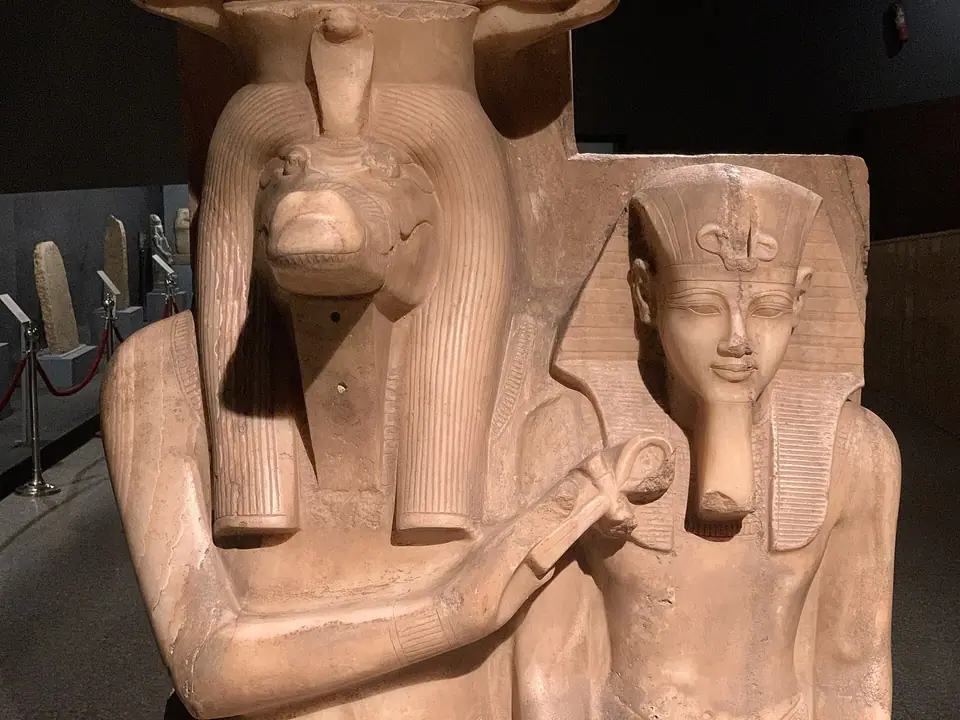
- The 1989 Luxor Temple Statue Cachette Hall (Basement Gallery). Descend the ramp into the sunken cachette wing, added in 1991. It houses the 26 pristine New Kingdom statues unearthed beneath the Solar Court of Amenhotep III at Luxor Temple on 22 January 1989. Protected from air and deliberate defacement in a sacred burial pit for seventeen centuries, their stone surfaces retain a mirror-like polish. Stand before the 2.48-metre pink quartzite statue of Amenhotep III wearing the Double Crown upon a ceremonial sled. Nearby gleam the statue of Horemheb kneeling before Atum, the goddess Hathor, and the alabaster dyad of the crocodile god Sobek embracing Amenhotep III.
- Ground Floor Masterpieces (Amenhotep, son of Hapu, and Tutankhamun's Cow Goddess). On the main level, examine the gilded wood-and-lapis head of the cow goddess Mehet-Weret, wooden model boats, and shabti figures recovered from Tutankhamun's tomb (KV62). Other highlights include the scribal statue of royal architect Amenhotep, son of Hapu, the seventeenth-dynasty Kamose Stela recording the expulsion of the Hyksos, and a green schist statue of Thutmose III.
- The Royal Mummies of Ahmose I and Ramesses I (and the Talatat Wall of Akhenaten). Walking up the upper ramp brings you past a climate-controlled alcove holding two unwrapped royal mummies. Here rest Eighteenth Dynasty founder Pharaoh Ahmose I and Nineteenth Dynasty founder Pharaoh Ramesses I (identified at the Michael C Carlos Museum in Atlanta and returned to Egypt in October 2003). Directly above, an 18-metre wall has been reconstructed from 283 painted sandstone talatat blocks dismantled from Karnak. Built originally for Pharaoh Akhenaten, the wall preserves lively Amarna scenes of palace workshops, offering bearers, and the rayed sun disc of the Aten.
The Mummification Museum: Understanding the 70-day embalming ritual
Located on the Corniche promenade just north of Luxor Temple opposite the Mina Palace Hotel, the Mummification Museum opened in 1997 inside the former visitors' center wing. Entry costs around 220 EGP by bank card as of November 2026 (or free with the Luxor Pass), and the 45-minute visit prepares you for the funerary iconography of the West Bank tombs.
- Tools, Natron Salt, and the Mummy of High Priest Masaharta. Dimly lit like a burial shaft, the gallery walks you through the 70-day ancient Egyptian embalming process recorded by Herodotus and temple papyri. Cases display bronze brain-extraction hooks, obsidian incision blades, and bags of natural natron salt from Wadi El-Natrun used to desiccate the body for forty days. Beside them sit aromatic pine and myrrh resins and the four Sons of Horus canopic jars (Imsety, Hapi, Duamutef, and Qebehsenuef) for the internal organs.
- Human and Sacred Animal Mummies. At the centre of the hall rests the well-preserved Twenty-First Dynasty mummy and painted linen cartonnage coffins of Masaharta, High Priest of Amun and son of King Pinedjem I. Surrounding cases hold mummified sacred animals offered as votive gifts to the gods, including a linen-wrapped Nile crocodile (sacred to Sobek), cats (Bastet), baboons (Thoth), rams (Khnum), ibises, and a Nile perch.
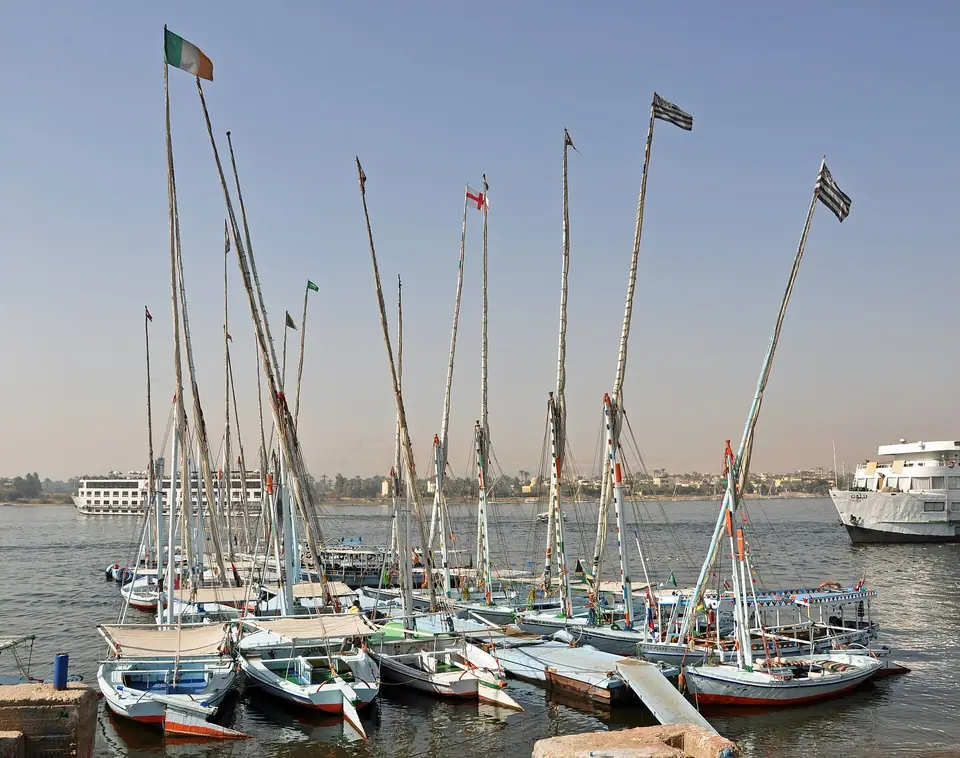
How to charter a sunset wooden felucca sail to Banana Island without middlemen
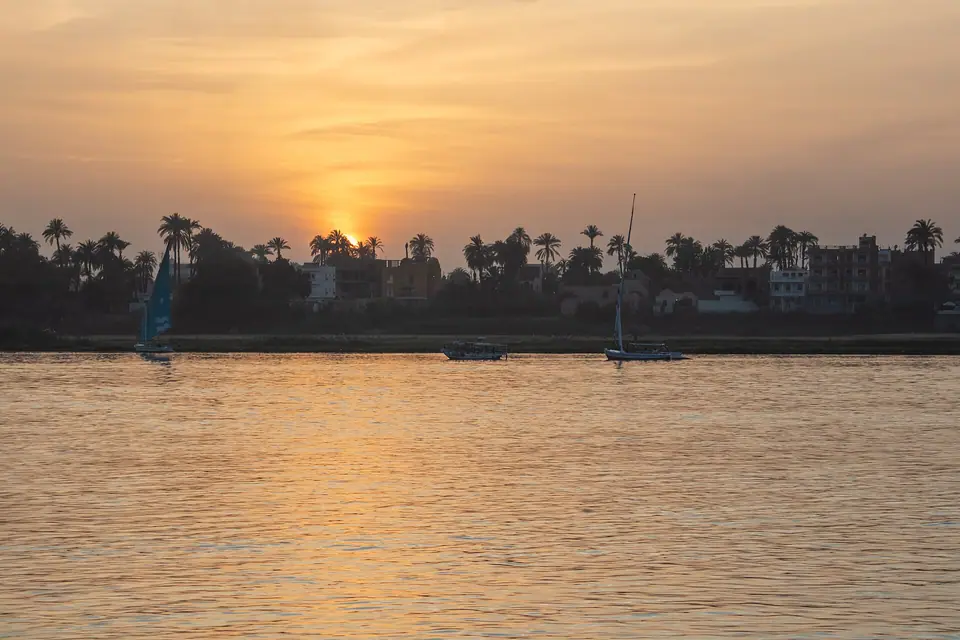
Few moments in Upper Egypt match drifting quietly across the Nile under a towering white lateen canvas sail as the West Bank limestone cliffs turn rose-gold at dusk.
- Book Directly with a Captain at the Corniche Docks (No Street Touts). Skip the commission agents who approach you on the upper pavement outside the Winter Palace. Walk directly down the stone steps to the lower river moorings between the Winter Palace and the Steigenberger Nile Palace around 16:00. Inspect the cushioned wooden boat yourself and agree on the exact duration and total price directly with the boat captain (ra'is).
- 2026 Felucca Rates and the Wind Factor. As of November 2026, a private charter of a wooden felucca for 60 to 90 minutes at sunset costs around 400 to 600 EGP total for the boat (not per person), paid in cash at the end of the sail. Because the Nile flows south-to-north while the prevailing breeze blows north-to-south, feluccas tack between wind and current. If the wind drops completely after sunset, a small motorboat may give the felucca a 5-minute tow back to the East Bank dock. Confirm in advance that any tow is included in your agreed fare.
- The Banana Island (Geziret el-Mozh) Excursion. For a longer 2-hour river trip upstream (5 kilometres south), agree on 600 to 900 EGP for the boat plus 50 to 100 EGP per person at the island landing. On Banana Island, you walk along shaded irrigation paths beneath banana plants, date palms, and mango trees before tasting small, sweet local bananas at a rustic garden table.
Traveller tips
Remember that both the Luxor Museum and the Mummification Museum close for a three-hour midday break between 14:00 and 17:00. Do not take a taxi to either museum at 14:15. Instead, enjoy lunch and a pool break at your East Bank hotel before boarding a sunset felucca at 16:15. Afterwards, stroll along the Corniche into the Luxor Museum for its 17:00 to 21:00 evening session as mapped out in our 3-day Luxor itinerary. Finish your evening with a clay-pot tagine from our Luxor dining guide. Flash-free smartphone photography is permitted free of charge inside both museums, though you must keep your flash switched off around the royal mummies of Ahmose I and Ramesses I.
Where it is
- 1Luxor Museum, Mummification Museum & Nile Felucca
- Luxor International Airport (LXR) · about 7 km from here in a straight line
- Directions in Google Maps
Traveller tips
Real advice from people who have been to Luxor. Every tip is read by our team before it goes live.
No tips yet. Been here? Yours could be the first.
Thank you! Your tip will appear here after a quick review.
More in Luxor
Continue exploring Luxor with related neighbourhood, food, and planning guides
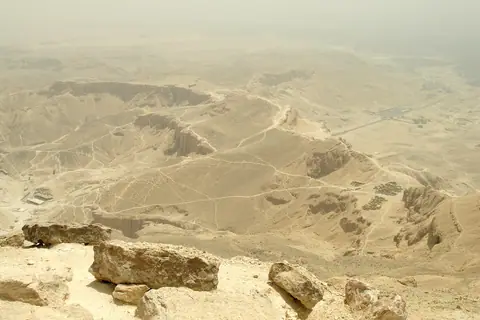
Valley of the Kings Guide: Best 3 Base-Ticket Tombs, KV62 Tutankhamun, KV9 Ramesses V/VI & KV17 Seti I
Luxor, Egypt
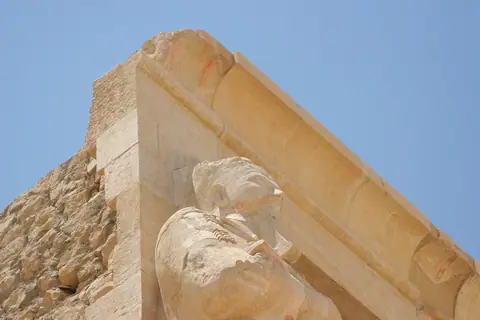
Hatshepsut Temple (Deir el-Bahari) & Valley of the Queens Guide: Punt Reliefs, Tombs of the Nobles & QV66
Luxor, Egypt
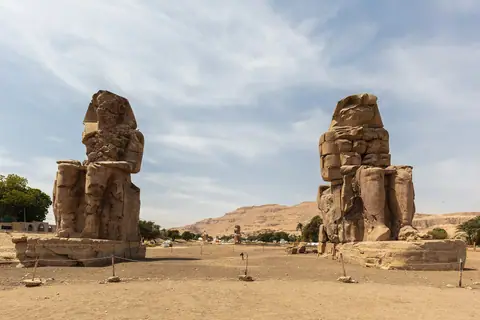
Southern West Bank Guide: Medinet Habu, Deir el-Medina Artisans' Village, Ramesseum & Colossi of Memnon
Luxor, Egypt
Dendera & Abydos Day Trip from Luxor: Temple of Hathor's Turquoise Ceiling, Temple of Seti I & Osireion
Luxor, Egypt
