Nizhny Novgorod
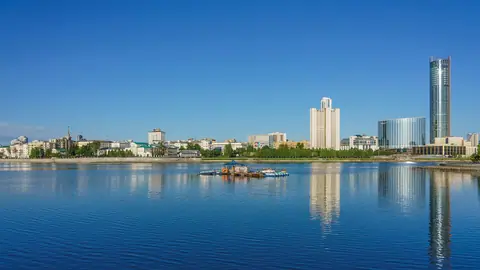
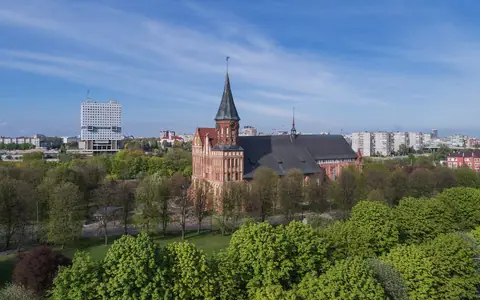
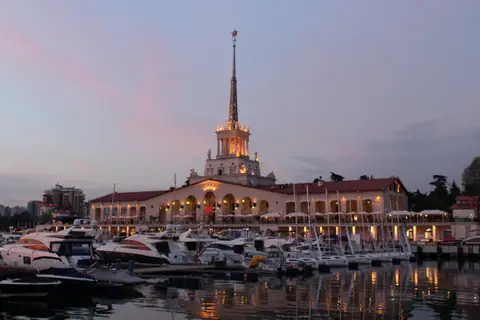
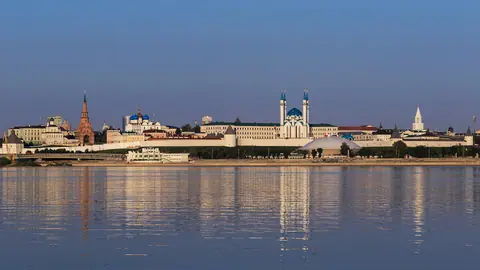
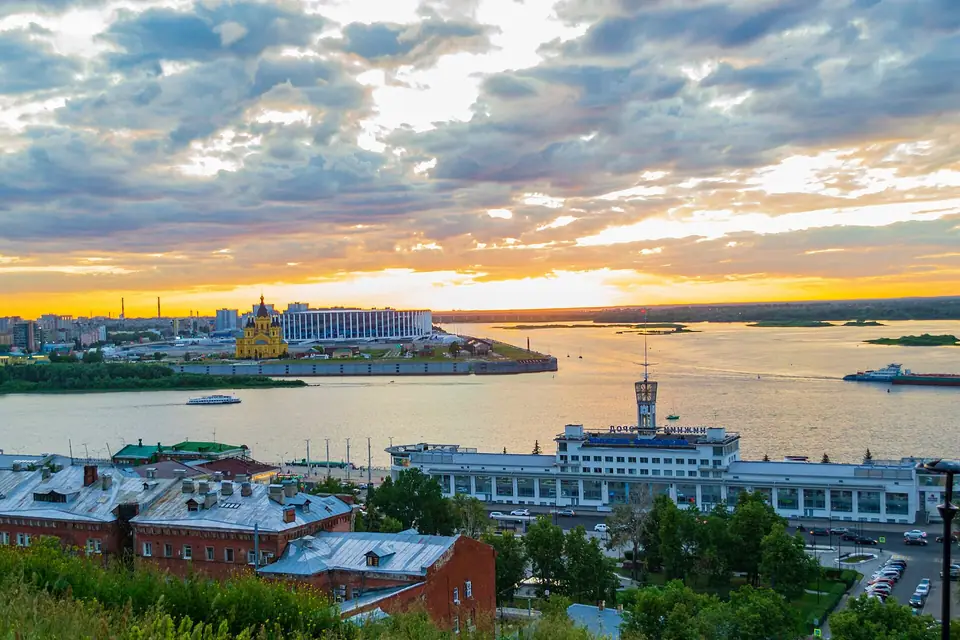
Founded in 1221 on high bluffs where the Oka meets the Volga, Nizhny Novgorod pairs a sixteenth-century brick Kremlin and ornate merchant boulevards with sweeping river views.
Quick decisions
How many days?
Three days cover the 2-kilometre Nizhny Novgorod Kremlin wall, the Chkalov Stairs, Bolshaya Pokrovskaya and Rozhdestvenskaya streets, Strelka Spit, the Volga cable car, and a half-day trip to Gorodets.
Where should I stay?
Stay around Minin and Pozharsky Square or Bolshaya Pokrovskaya Street in the Upper Town for hilltop walks, or along Rozhdestvenskaya Street for riverfront dining.
Do I need a car?
No. The Upper Town is best explored on foot, the Metro Bridge links Moskovskaya and Gorkovskaya stations, and commuter trains or coaches reach Gorodets and Dzerzhinsk.
Best for
Sixteenth-century brick fortress walls, Oka and Volga confluence sunsets, nineteenth-century merchant mansions, open-work 1896 iron exhibition pavilions, and Volga wood-carving towns.
Before you go
Wear cushioned walking shoes for the steep river slopes and the 442 right-side steps of the Chkalov Stairs, and bring a windproof layer for the Volga embankments; see our packing guide.
Getting around
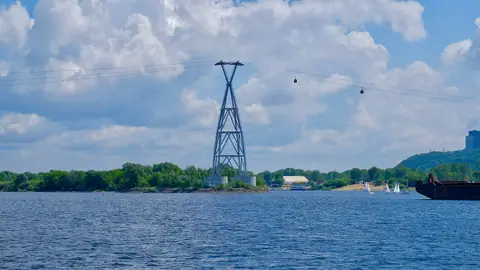
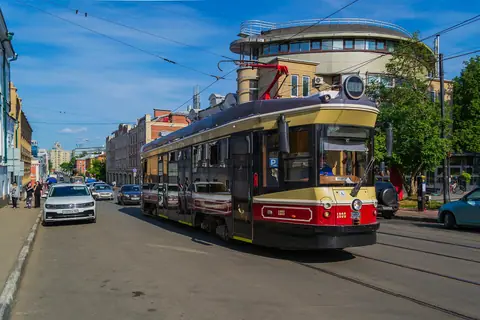
Use the 15-station Metro between the railway terminal and Upper Town, ride Tram 2 on the City Ring or Tram 11 along Rozhdestvenskaya Street, and cross the Volga on the 3,660-metre aerial cable car.
Overview
Founded in 1221 by Grand Prince Yuri II Vsevolodovich of Vladimir at the confluence of the Oka and Volga rivers, 420 kilometres east of Moscow, Nizhny Novgorod occupies one of Russia's dramatic river landscapes. Known as Gorky from 7 October 1932 to 22 October 1990 after native writer Maxim Gorky, the city is split by the Oka into the hilly historic Upper Town (Nagornaya) on the steep right bank and the flat Lower Town (Zarechnaya) on the left bank, where the great Nizhny Novgorod Fair moved in 1817.
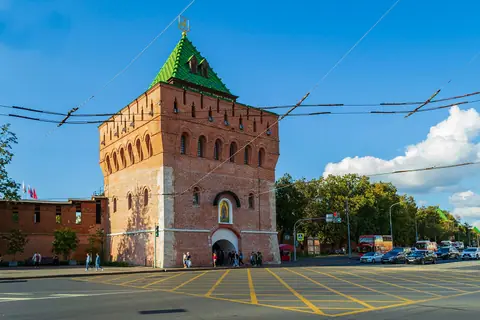
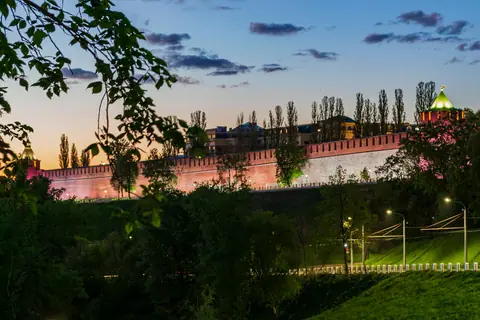
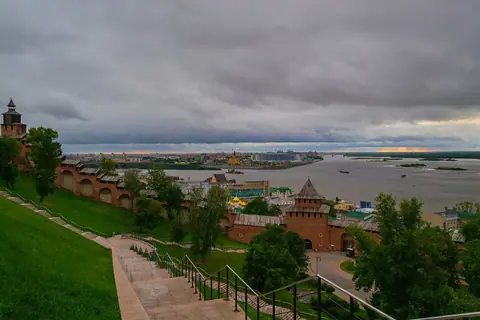
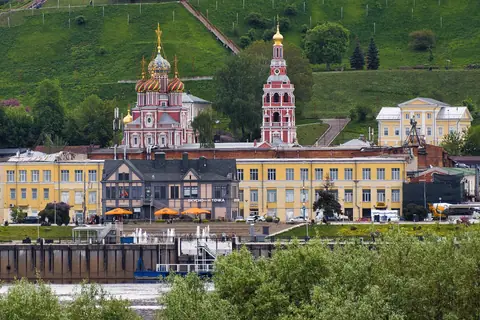
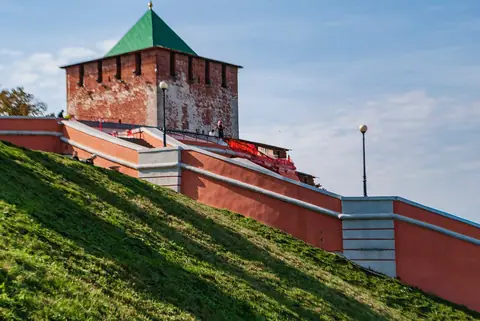
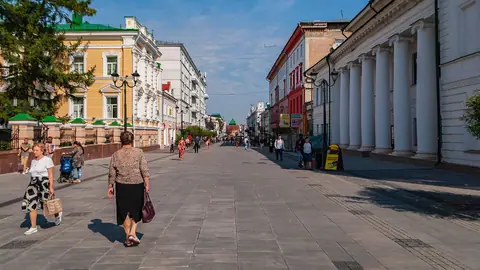
Along the Upper Town bluffs, the 2-kilometre red-brick wall and 13 towers of the Nizhny Novgorod Kremlin (built between 1500 and 1515) overlook the meeting of the two rivers, while the figure-eight Chkalov Stairs drop down the Volga slope. Inland runs pedestrianised Bolshaya Pokrovskaya Street with its 1913 Neo-Russian State Bank, and below the walls Rozhdestvenskaya Street preserves 35 architectural monuments led by the 1719 Stroganov Church.
Getting there
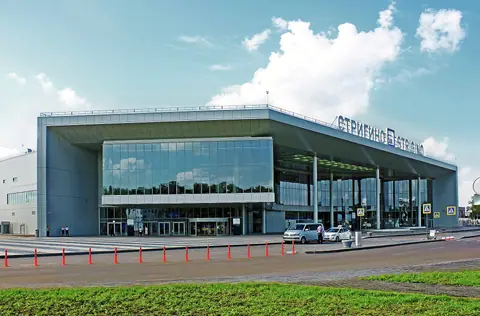
Chkalov International Airport (Strigino, GOJ) sits 18 kilometres southwest of the centre in Avtozavodsky District, while high-speed Lastochka trains from Moscow arrive at Nizhny Novgorod-Moskovsky Railway Station (442 kilometres by rail). Inside the city, two Metro lines (15 stations across about 22 kilometres), historic trams first opened in 1896, and the 3,660-metre Volga aerial cable car to Bor connect both banks.
Where to stay
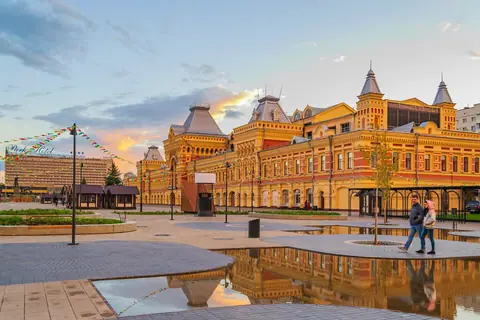
Many visitors stay near Minin and Pozharsky Square or Bolshaya Pokrovskaya Street in the Upper Town for level access to the Kremlin and museums, along historic Rozhdestvenskaya Street in the Lower Posad for waterfront dining, or across the Oka near the 1890 Main Fair Building and Moskovsky Railway Station.
Things to do
Walk the full 2-kilometre rampart of the 1500 to 1515 Nizhny Novgorod Kremlin and visit the 1631 Archangel Michael Cathedral, descend the 442 right-side steps of the Chkalov Stairs, and stroll Bolshaya Pokrovskaya Street past the 1896 Drama Theatre and 1913 State Bank. Cross the Oka to the 87-metre Alexander Nevsky Cathedral and iron Pakgauzy halls on Strelka Spit, ride the Volga aerial cable car above the Pechersky Ascension Monastery, and take a day trip to Gorodets or the 128-metre Shukhov Tower.
Food and drink
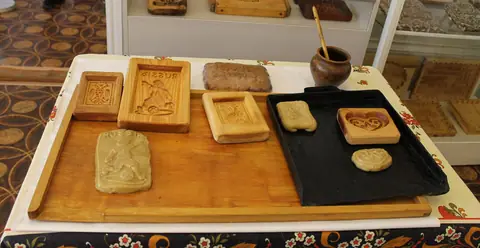
Local food in Nizhny Novgorod draws on Volga and Oka freshwater fish and northern trans-Volga forest produce: sample clear ukha fish soup with sturgeon or pike-perch, hand-pinched pelmeni dumplings with Vetluga woodland mushrooms, and stamped Gorodetsky pryanik spiced gingerbread baked with honey and carved wooden moulds since the eighteenth century.
Culture
Shaped by the great Nizhny Novgorod Fair transferred here from Makaryevo in 1817 and the 1896 All-Russia Industrial and Art Exhibition, the city blends merchant philanthropy with literary and engineering heritage. Museums occupy the 1877 Rukavishnikov Mansion and 1916 Sirotkin House on the Upper Volga Embankment, while the open-work 1896 iron Pakgauzy pavilions on Strelka Spit host concerts overlooking the river confluence.
Weather by month
Nizhny Novgorod is warmest in July, with average highs around 25°C, and coldest in January, when nights drop to about -12°C. July is the wettest month, with rain on about 10 days. For mild weather with fewer rainy days, aim for May, June and August.
| Month | Low | Range | High | Rain | Rainy days |
|---|---|---|---|---|---|
| Jan | -12°C | -6°C | 47 mm | 17 d | |
| Feb | -11°C | -5°C | 39 mm | 14 d | |
| Mar | -5°C | 1°C | 37 mm | 12 d | |
| Apr | 2°C | 11°C | 39 mm | 10 d | |
| May | 9°C | 19°C | 46 mm | 10 d | |
| Jun | 13°C | 23°C | 68 mm | 11 d | |
| Jul | 16°C | 25°C | 74 mm | 10 d | |
| Aug | 14°C | 23°C | 66 mm | 10 d | |
| Sep | 9°C | 16°C | 56 mm | 11 d | |
| Oct | 3°C | 8°C | 61 mm | 13 d | |
| Nov | -4°C | 0°C | 53 mm | 16 d | |
| Dec | -9°C | -5°C | 53 mm | 18 d |
Averages of daily values from 2015 to 2024. Rainy days are days with at least 1 mm of rain. Source: Open-Meteo · Compare destinations by month.
Nizhny Novgorod on the map
Every place we cover in Nizhny Novgorod. Tap a category or pin to explore.
In-depth Nizhny Novgorod guides
Browse the guides grouped by topic: sights, neighbourhoods, food, transport, day trips and trip planning.
Sights, Landmarks & Parks
Key monuments, viewpoints, museums and nature trails.
- Things to Do in Nizhny Novgorod: Kremlin Wall Walk, Strelka and RiversFrom walking the full 2-kilometre circuit of the 1500 to 1515 brick Kremlin to riding the 3,660-metre aerial cableway across the Volga.
- Nizhny Novgorod Kremlin: 13 Brick Towers and Archangel CathedralConstructed between 1500 and 1515 under Italian architect Pietro Francesco, the 2-kilometre brick fortress drops down a steep ravine to the riverfront.
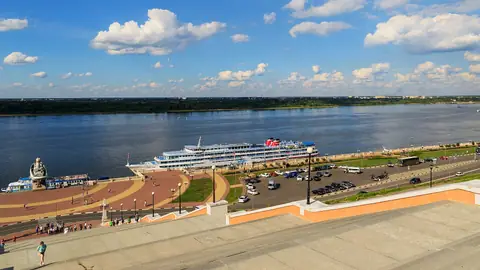
- Chkalov Stairs and Upper Volga Embankment: Mansions and River ViewsLinking the Upper and Lower Volga embankments via two intersecting rings, the 1949 staircase opens onto a clifftop promenade of nineteenth-century mansions.
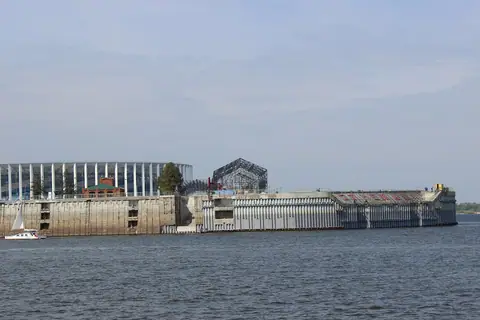
- Strelka Spit: Alexander Nevsky Cathedral, Pakgauzy and FairgroundsWhere the Oka meets the Volga, the landscaped cape brings together an 87-metre 1881 cathedral, open-work 1896 exhibition ironwork, and the 2018 stadium.
- Nizhny Novgorod 3-Day Itinerary: Kremlin, Strelka, Cableway and GorodetsA balanced three-day route across the Upper Town bluffs, the Lower Posad merchant street, the Oka and Volga confluence, and the craft town of Gorodets.
Neighbourhoods & Where to Stay
Districts, historic quarters and the best bases for your stay.
- Nizhny Novgorod: Upper Bluffs, Strelka and SeasonsHow Nizhny Novgorod fits together across the Oka River, linking the sixteenth-century hilltop Kremlin and merchant boulevards with the 1817 Fairgrounds.
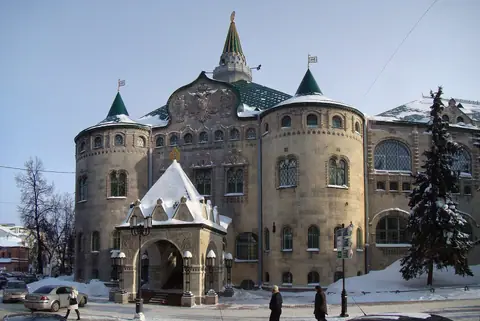
- Bolshaya Pokrovskaya Street and the 1913 Neo-Russian State BankStretching about 2.2 km across four squares, the Upper Town's pedestrian spine showcases the 1913 State Bank castle and the 1896 Drama Theatre.
- Rozhdestvenskaya Street, Stroganov Church and Fedorovsky EmbankmentRunning along the foot of the Upper Town bluffs, the merchant street of the Lower Posad leads from the Kremlin walls to the carved 1719 Stroganov Church.
- What to Wear in Nizhny Novgorod: River Wind, Steep Slopes and ChurchesBetween exposed river bluffs, cobbled Lower Posad lanes, and steep fortress steps, practical footwear and windproof layers matter in every season.
- Where to Stay in Nizhny Novgorod: Upper Town, Rozhdestvenskaya and FairChoose between hilltop hotels steps from the Kremlin and Bolshaya Pokrovskaya Street, boutique merchant buildings on Rozhdestvenskaya, or rail-friendly Kanavino.
Food & Drink
Local dishes, markets, cafés and dining districts.
Getting Around & Arrival
Airport transfers, public transit, passes and driving rules.
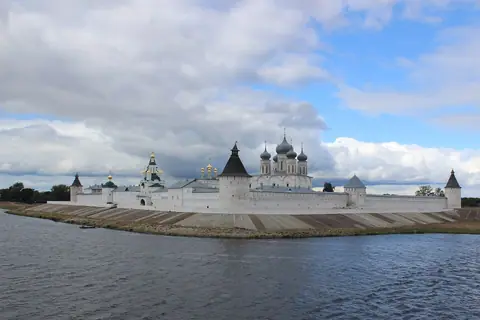
- Volga Aerial Cable Car to Bor and Pechersky Ascension MonasteryCrossing the Volga on two 82-metre steel towers, the 3,660-metre gondola line starts above the white walls of the Pechersky Ascension Monastery.
- How to Get to Nizhny Novgorod: Strigino Airport and Lastochka TrainsHigh-speed Lastochka trains cover the 442-kilometre rail corridor from Moscow to Moskovsky Station in about four hours, while Strigino Airport sits 18 kilometres southwest.
- Getting Around Nizhny Novgorod: Metro Bridge, Trams and CablewayTwo Metro lines meet at a four-track cross-platform interchange at Moskovskaya, while historic trams, Oka bridges, and the Kremlin funicular handle the steep bluffs.
Day Trips & Excursions
Easy half-day and full-day trips from the city.
Need your embassy or consulate in Russia? See embassies and consulates in Russia.
Reviews
Log in to write a review.
No reviews yet.