


























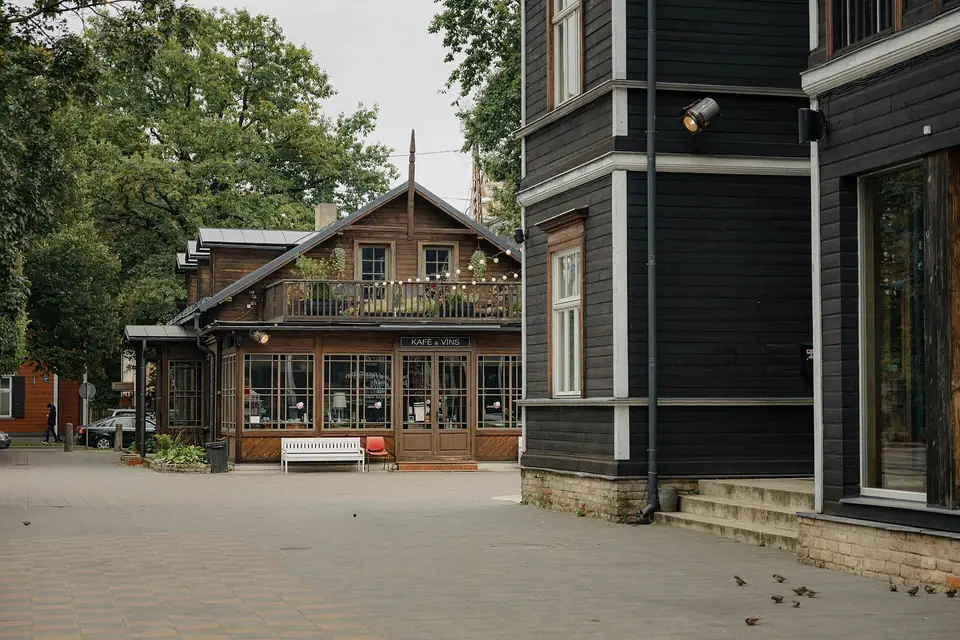
Photo: Wikimedia Commons · CC BY-SA
Three Days in Riga: Old Town, Art Nouveau and the Daugava's Left Bank
Use three district-based days to connect Riga's medieval core, canal and Art Nouveau streets, markets and one left-bank neighbourhood.
Three days in Riga work best when each day has a geographic centre. Put the medieval core and river edge on day one, the boulevard and Art Nouveau district next, then choose one left-bank area or a day trip. The route avoids treating the whole city as a single compact museum. It also leaves enough flexibility for a museum, market meal or change in weather.
Day one: the medieval centre and the river
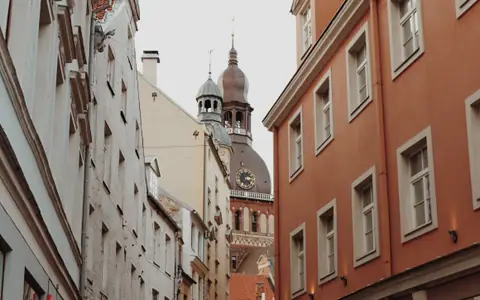
- Begin in Old Town: follow the cobbled lanes and public squares before choosing a church or museum interior. The district is the medieval core within the wider UNESCO-listed Historic Centre, not the entire property.
- Pause at the church landmarks: use the Old Town visitor guide to decide which buildings you want to view from outside and which offer an interior visit. Check current access with each institution.
- Walk towards the Daugava (DOW-gah-vah): look back at the central skyline and orient yourself to the left bank. The river helps explain why Pārdaugava belongs on another day's route.
- Finish near the market district: if the market fits your interests, visit the Central Market and nearby Spīķeri as one cluster. Confirm current access and vendors before planning a specific meal.
Riga's port origins and Hanseatic trade provide context. Keep the day grounded in visible details: street patterns, church towers, river views and market halls. If you want a slower visit, choose either a longer museum stop or a longer meal rather than adding another district.
Day two: canal parks, monument and Art Nouveau
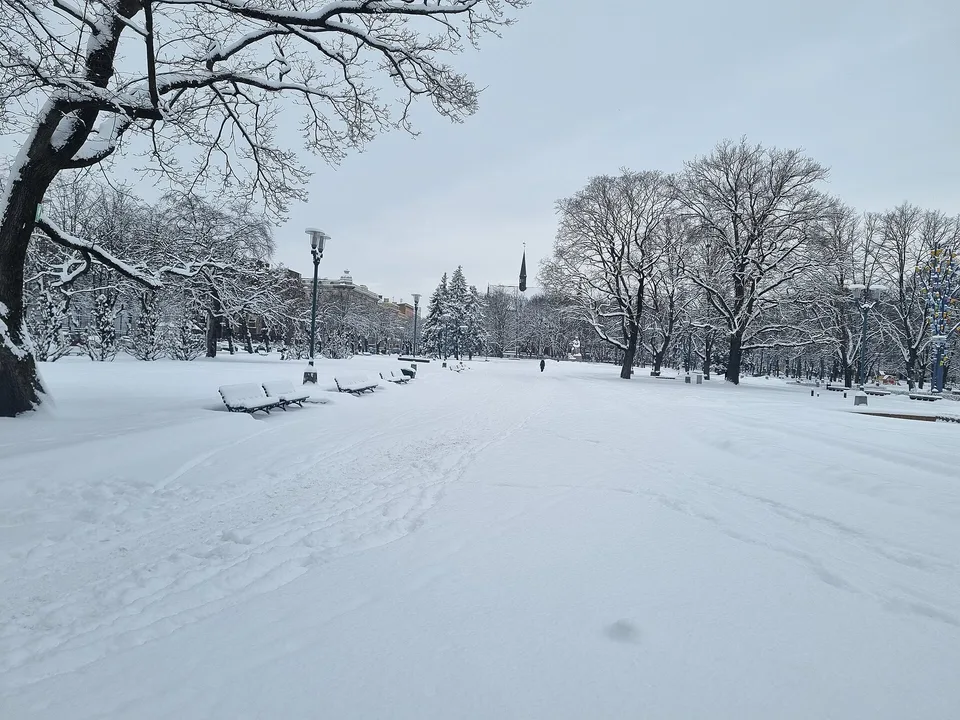
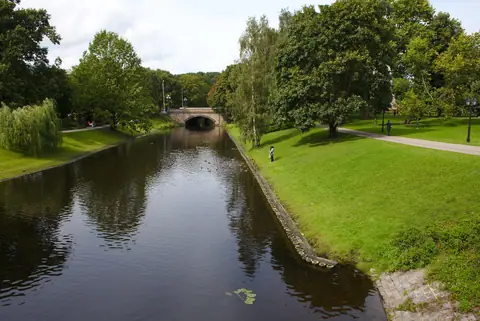
Start with the green belt and City Canal between the Old Town and the nineteenth-century boulevard district. UNESCO includes this semicircle in the historic property. Visit the Freedom Monument, then follow the streets towards Alberta Street. The outdoor sequence shows the shift from the medieval centre to Riga's later expansion.
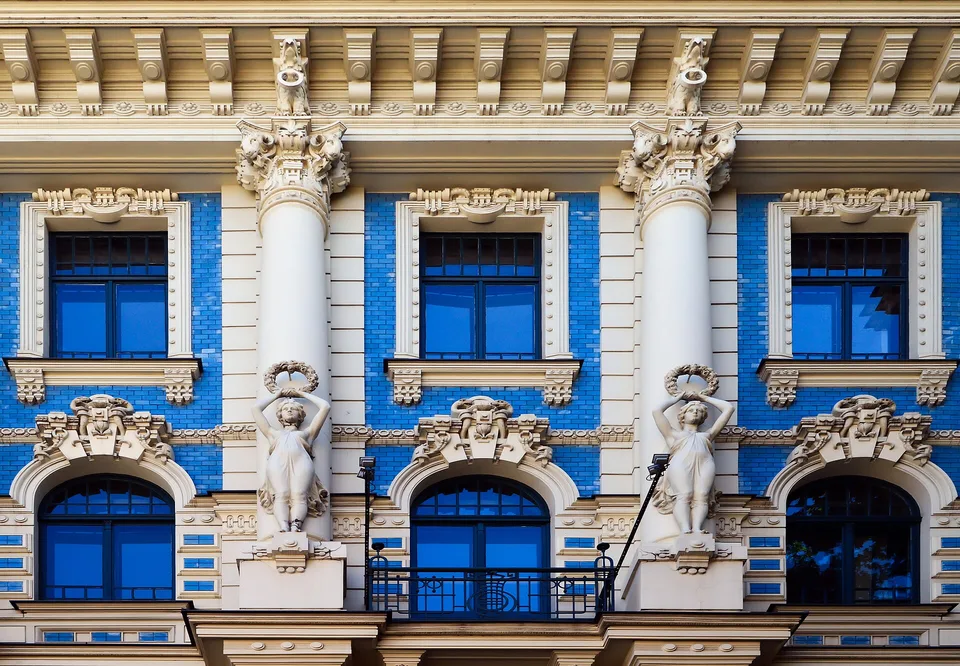
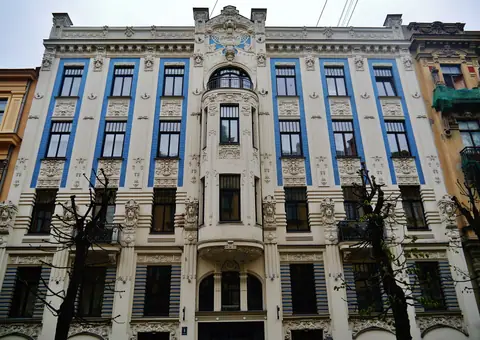
Alberta Street rewards attention to its facades. LiveRiga identifies the street's buildings as dating from 1901 to 1908 and notes national monument status for several houses. Decide whether to add the Riga Art Nouveau Centre at Alberta iela 12. The museum is in a 1903 residence built for architect Konstantīns Pēkšēns and designed with Eižens Laube. It shows an apartment interior and a digital exhibition. Check its current visitor information before you go.
Keep the afternoon flexible for another central museum or a return walk through the canal parks. Do not pack several interiors into a fixed timetable without checking their current operating details. The point of this day is to understand the boulevard transition and look carefully at one architecture district.
Day three: choose a left-bank quarter or Jūrmala
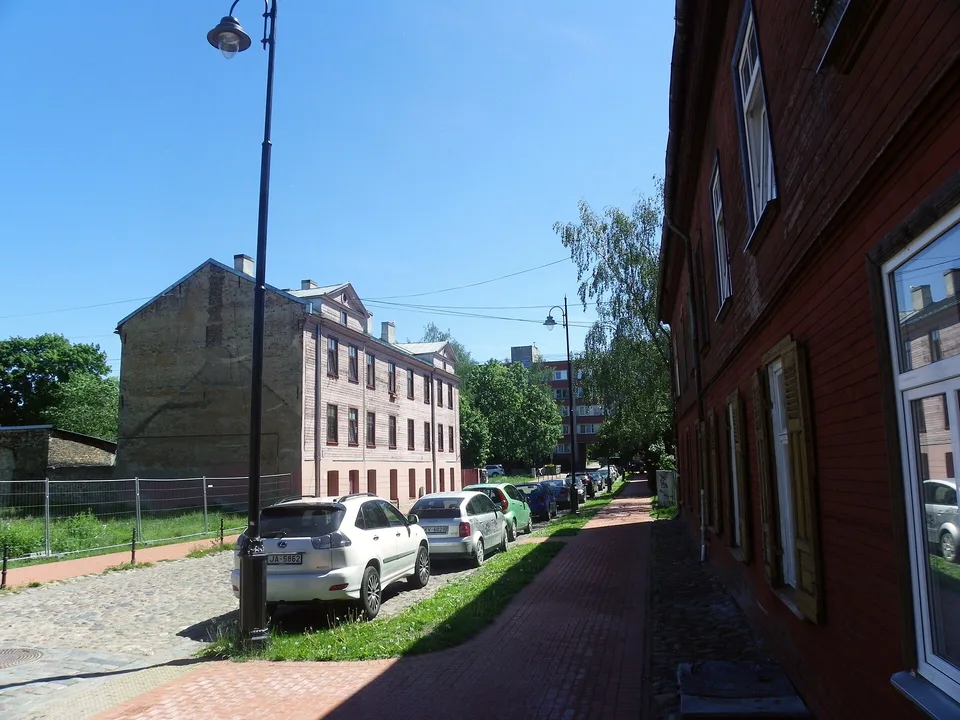
For a neighbourhood day, cross the Daugava to Pārdaugava and choose Kalnciema Quarter or Āgenskalns. Kalnciema's renovated wooden buildings stand at Kalnciema and Melnsila Streets, with a Wooden Architecture Centre and public courtyard. Āgenskalns gives the visit a market focus. Both are in the broader left-bank area, but they are separate destinations. Check each operator's current programme before making a market or event the centrepiece.
If you would rather leave the city, take the train to Jūrmala. The municipality's tourism site says its railway line runs from Priedaine to Ķemeri, with fourteen stops within city limits. Pick the stop based on whether you want a beach area or nature attraction, then check the current Vivi timetable and local conditions. See our day-trip guide.
How to adjust the plan
- If the weather turns: swap a long outdoor stretch for a museum or the indoor market halls, after checking current access.
- If you have less energy: keep the day within one district instead of crossing town to collect extra landmarks.
- If food is a priority: build a meal around the Central Market or Āgenskalns Market, but check the operator's current information.
- If you add a day: give Jūrmala or another regional destination a full travel day rather than compressing it into the central itinerary.
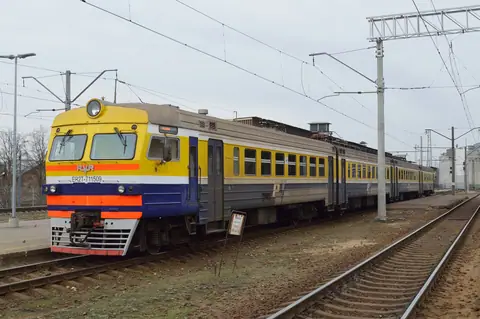
For local movement, Rīgas satiksme publishes current bus, tram and trolleybus routes. Riga Airport identifies the local bus 22 connection, and Vivi lists rail journeys. Use those operator sources for live information, not an old itinerary. The arrival guide and transport guide explain which service to check.
- Day one / day two: Keep the medieval core and canal-side Art Nouveau walk separate to avoid retracing central streets.
- Left bank / Jūrmala: Choose one for day three; both need a distinct transport leg from central Riga.
This route gives each part of Riga a clear purpose. Day one covers medieval streets, day two the canal and Art Nouveau, and day three the left bank or coast. The order can change, but keeping the days geographically grouped makes the city easier to read. Leave a little time unplanned.
Keep a little space between the planned clusters. Markets invite browsing, while architecture walks work better when you are not watching the clock. A museum may have a current exhibition that changes how long you want to stay. These are reasons to plan a route with a clear anchor and optional additions, rather than assigning a precise minute to every stop.
Before the trip, check the visitor information for the Art Nouveau Centre, any church interior and the market you want to visit. Confirm the rail plan separately if you choose Jūrmala. On the day, use a current forecast to decide whether the canal parks or a museum should take priority. This keeps the itinerary accurate without making it rigid.
If all three days are based in Riga, make the third day a neighbourhood visit rather than a second pass through the same central streets. The left bank's wooden architecture adds a different chapter to the city's heritage. A Jūrmala excursion gives a more substantial change of scene, but it requires a deliberate choice of stop and route.
Keep the city days modular. If a museum visit takes longer than expected, shorten the canal walk rather than removing the left-bank day completely. If you choose Jūrmala, use the current local beach or nature guidance to decide which stop matches the outing. This leaves the central itinerary intact while adapting the excursion to the actual conditions.
Where it is
- 1Riga
- Riga International Airport (RIX) · about 9 km from Riga in a straight line
- Directions in Google Maps
Stations and taxi ranks: OpenStreetMap. Airports: OurAirports. Distances are in a straight line.
Traveller tips
Real advice from people who have been to Riga. Every tip is read by our team before it goes live.
No tips yet. Been here? Yours could be the first.
Thank you! Your tip will appear here after a quick review.
More in Riga
Continue exploring Riga with related neighbourhood, food, and planning guides
Riga: Read the City Through Its River and Three Historic Layers
Riga, Latvia
Things to Do in Riga: Choose Between the Medieval Core, Boulevards and Markets
Riga, Latvia
How to Get to Riga: Airport Bus 22, Rail and Cross-Border Coaches
Riga, Latvia
Best Time to Visit Riga: Match Outdoor Walks to Latvia's Climate
Riga, Latvia
