


























Photo: Wikimedia Commons · CC BY-SA
Kalnciema Quarter: Riga's Wooden Houses, Courtyard and Architecture Centre
Visit Kalnciema Quarter for restored nineteenth-century wooden buildings and a public courtyard, then check its current market and cultural calendar.
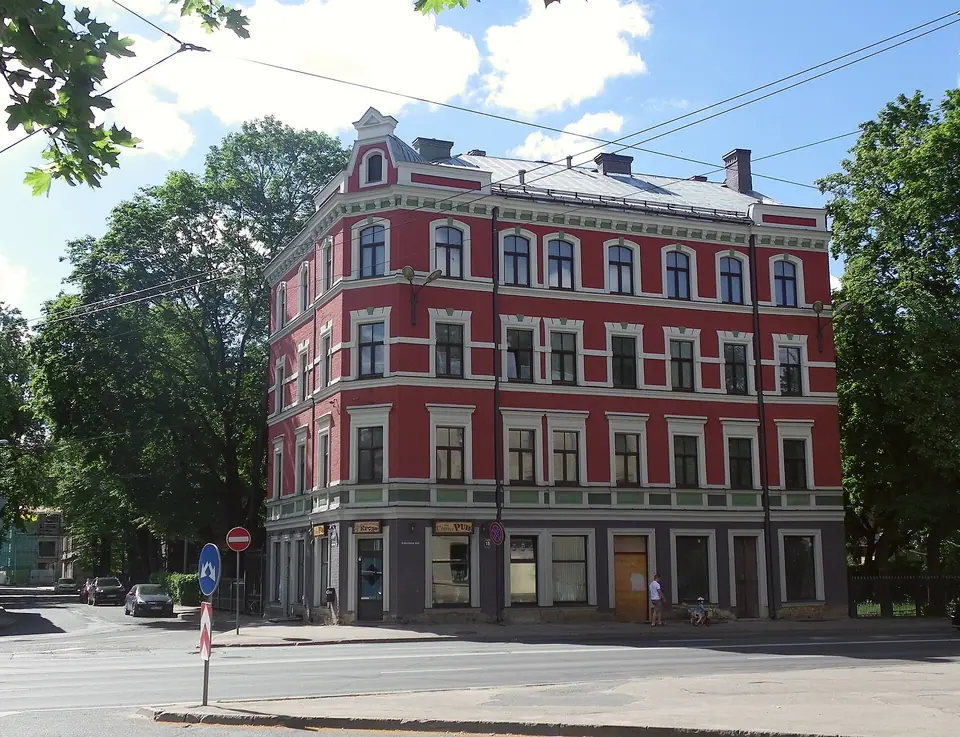
Kalnciema (KALN-tsee-eh-mah) Quarter gives Riga's wooden architecture a clear address. The cluster lies in Pārdaugava, on the left bank of the Daugava, at the crossing of Kalnciema and Melnsila Streets. Its restored wooden buildings date to the nineteenth century and represent late Classicism, according to the quarter's official site. This is a small heritage cluster within a larger residential district, not a name for all of Pārdaugava.
Understand the buildings before browsing the courtyard
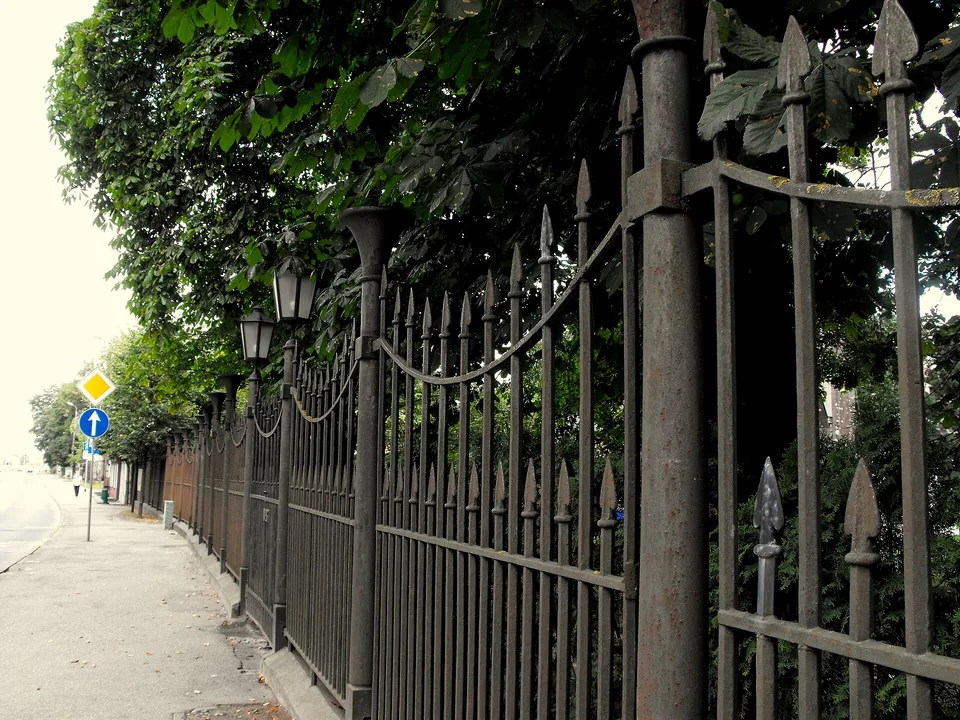
The public yard brings several renovated buildings together, making it easier to compare their scale and materials than when viewing isolated wooden houses elsewhere in Riga. The quarter's operator says that traditional materials and technologies were used in restoration, with modern adaptations. The goal is not to freeze the buildings as museum objects; the site continues to host cultural and commercial uses.
Take time to look at the facades, entrances and details from public areas. Do not enter private offices or restricted interiors without permission. The visible street and courtyard are sufficient to understand why wooden construction is part of Riga's heritage. UNESCO's broader property includes former suburban quarters with eighteenth- and nineteenth-century wooden architecture.
Visit the Wooden Architecture Centre for the craft
The Wooden Architecture Centre opened in a historic wooden building at Melnsila iela 10B. Its official page describes public education around renovation and maintenance, including facade finishes, carvings, doorways, shutters and windows. Check the Centre's current visitor details before planning an interior visit or workshop.
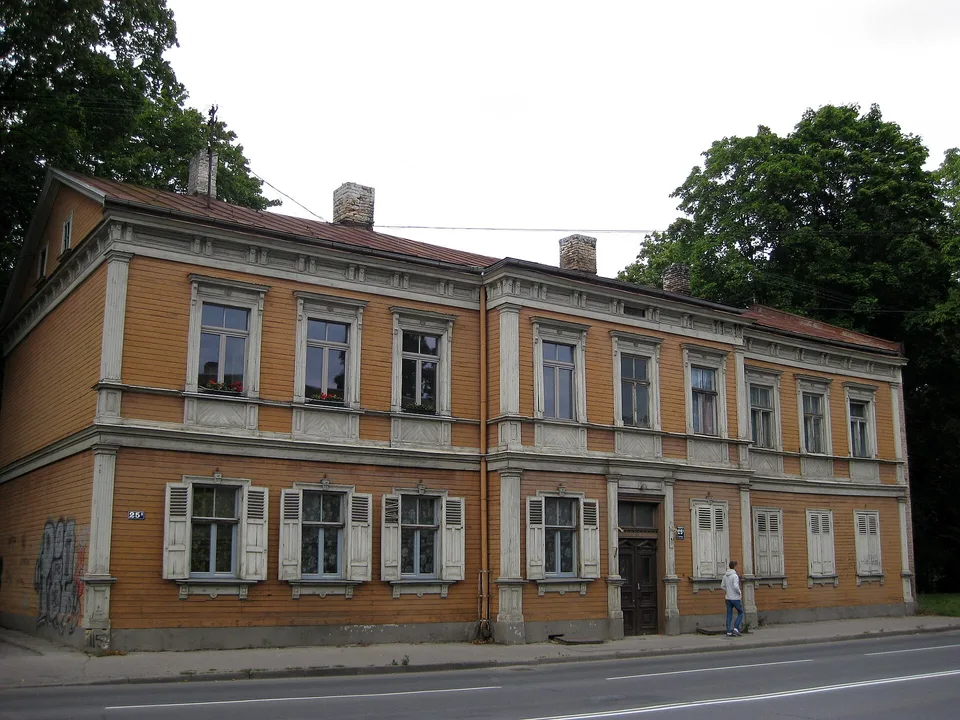
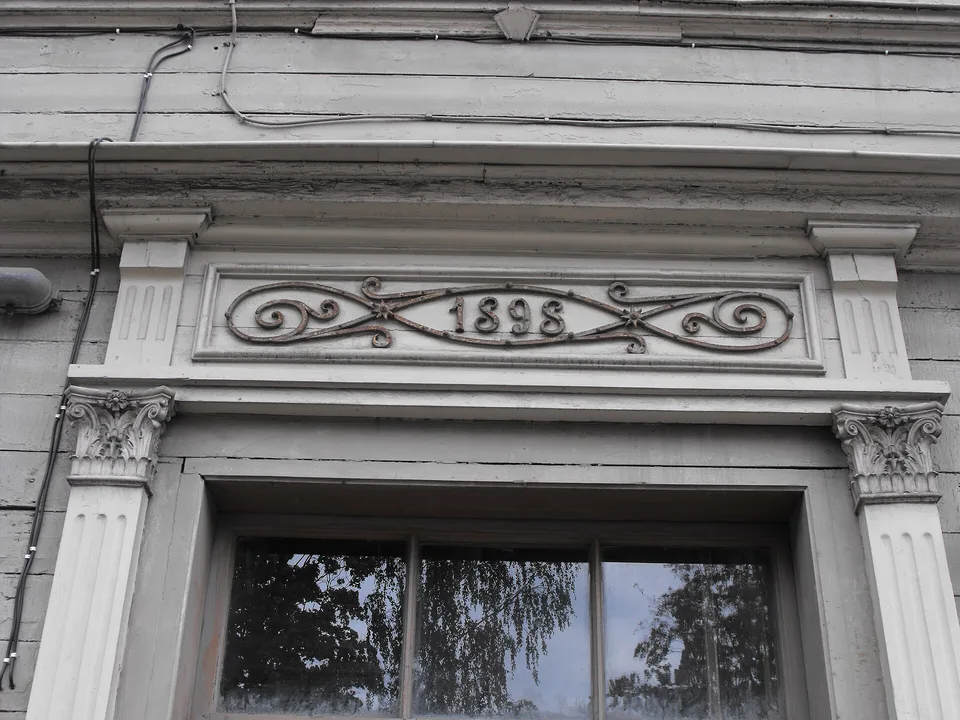
This context changes the way to read a wooden facade. Weathering and repair are not incidental; they are part of how the building remains in use. The Centre's restoration focus helps visitors notice elements that a quick photograph might miss, such as the treatment of timber, window frames and facade details.
Market days and events need a current check
Kalnciema Quarter is known for a market and cultural programme. Its site describes a regular market, but event schedules, vendor participation and seasonal details can change. Check the organiser's current calendar before making a particular market or concert the reason for crossing the river.
If there is no event that matches your dates, the quarter can still be an architecture-focused outing. Treat the courtyard and building cluster as the main subject. Pair it with a separate walk through Āgenskalns when you have time and a clear route.
Getting there and fitting it into Riga
Kalnciema Quarter is across the Daugava from the Old Town. Riga Airport's bus 22 route lists a Melnsila Street stop. Check the current schedule and direction before relying on it. For other starting points, use Rīgas satiksme's route planner and enter the exact address.
Do not describe the quarter as a quick extension of the medieval centre unless your route supports that. The river crossing and neighbourhood streets make it a distinct outing. Combine it with the National Library or another left-bank stop after checking the map and transit connections.
The Āgenskalns guide covers the market district nearby in the broader left-bank context. For a central market experience, compare that with Riga Central Market and Spīķeri. These are different neighbourhoods and should not be presented as the same market.
A short architecture walk
- Arrive at the Kalnciema and Melnsila Streets crossing and orient yourself to the courtyard.
- Walk the public areas and compare the restored wooden facades and roof forms.
- Check whether the Wooden Architecture Centre is open to visitors on your date.
- Use the quarter's current calendar to decide whether a market or cultural event belongs in your plan.
- Kalnciema Quarter / Āgenskalns Market: Choose the restored wooden-building courtyard for architecture, or the market district for food shopping.
- Bus 22 / local route: Airport stops help with orientation, but confirm the route and direction for your destination.
Kalnciema Quarter is most useful to travellers who want to understand Riga beyond stone monuments and medieval streets. It shows how wooden heritage can remain part of contemporary urban life. Visit for the architecture, restoration or current programme. Leave time to see the broader Pārdaugava district as well.
See restoration as ongoing work
Wooden architecture needs maintenance that is easy to overlook when the finished facade is photographed. The Centre's official material discusses linseed-oil paint, timber details, doors, shutters and windows. Those examples show the kinds of decisions involved in preserving a building while keeping it in use. They also explain why a heritage quarter is more than a row of picturesque houses.
The quarter's public and commercial uses mean that visitor access may vary between buildings. Treat the courtyard as a shared place, follow notices and respect spaces that are not open to visitors. If a workshop or guided activity interests you, contact the organiser or check its current schedule.
Kalnciema Quarter is especially useful for travellers who want to connect architecture with practical preservation. It gives a more focused account than a general city walk, while its location makes a wider Pārdaugava visit possible. Combine it with one other stop rather than assuming the surrounding area is a compact theme park.
After the visit, compare the quarter with the wooden buildings described in the UNESCO Historic Centre. The wider context helps explain how Riga's former suburbs developed near the medieval core and later boulevard district.
Kalnciema Quarter's market and public programme can make the visit feel different on different dates. The official site has the authoritative calendar. If no event is scheduled, the buildings and restoration story remain the reason to come. This is useful for planning because the excursion does not depend on a festival or vendor being present.
From the quarter, use the address and current transit planner to choose your return. The airport's bus 22 page includes a Melnsila Street stop, but that route is not automatically the best option from every Riga neighbourhood. Check the direction, stop and timetable for the precise journey.
The quarter's own visitor information is especially useful because it covers both the place and the programme. Check the address, public areas and calendar before crossing to Pārdaugava. If the Centre is closed to visitors on your date, the outdoor building cluster can still anchor a neighbourhood walk. Then decide whether to continue elsewhere on the left bank or return to central Riga.
Where it is
- 1Kalnciema Quarter
- Riga International Airport (RIX) · about 6 km from here in a straight line
- Directions in Google Maps
Stations and taxi ranks: OpenStreetMap. Airports: OurAirports. Distances are in a straight line.
Traveller tips
Real advice from people who have been to Riga. Every tip is read by our team before it goes live.
No tips yet. Been here? Yours could be the first.
Thank you! Your tip will appear here after a quick review.
More in Riga
Continue exploring Riga with related neighbourhood, food, and planning guides
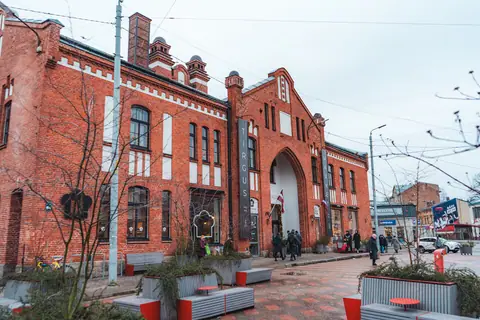
Āgenskalns, Riga: Market Hall, Wooden Streets and the Left Bank
Riga, Latvia
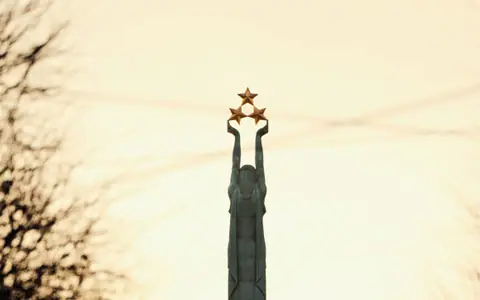
Freedom Monument and Riga's City Canal: A Walk Through the Boulevard Belt
Riga, Latvia
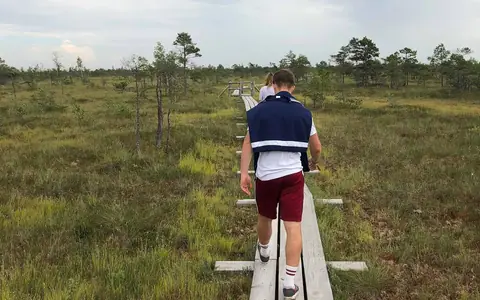
Jūrmala from Riga: Choose a Beach Stop or Ķemeri Nature Day
Riga, Latvia
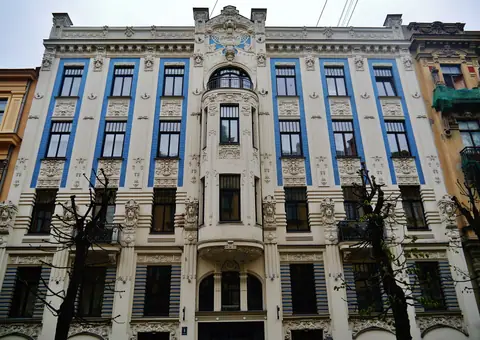
Riga: Read the City Through Its River and Three Historic Layers
Riga, Latvia
