


























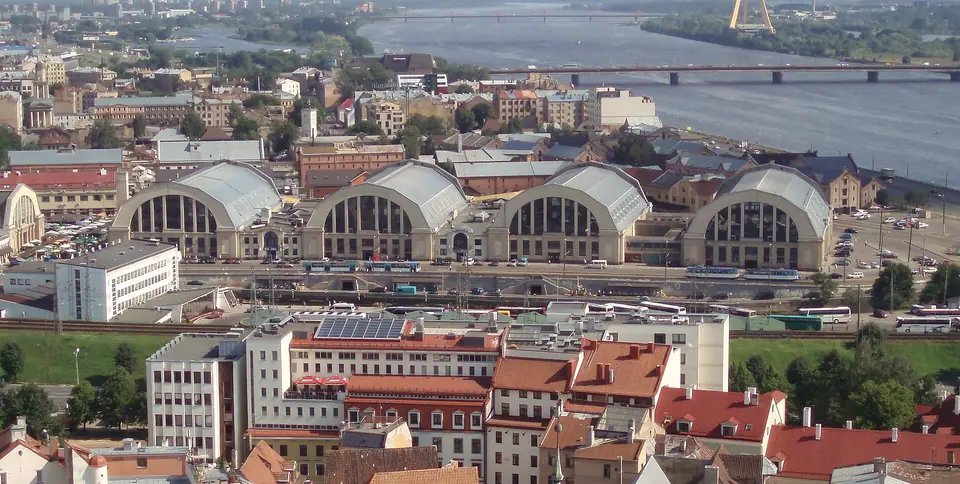
Photo: Wikimedia Commons · CC BY-SA
Riga Central Market and Spīķeri: Food Halls beside the Daugava
Combine Riga Central Market's five repurposed hangar pavilions with Spīķeri's nineteenth-century warehouse quarter and the river edge.
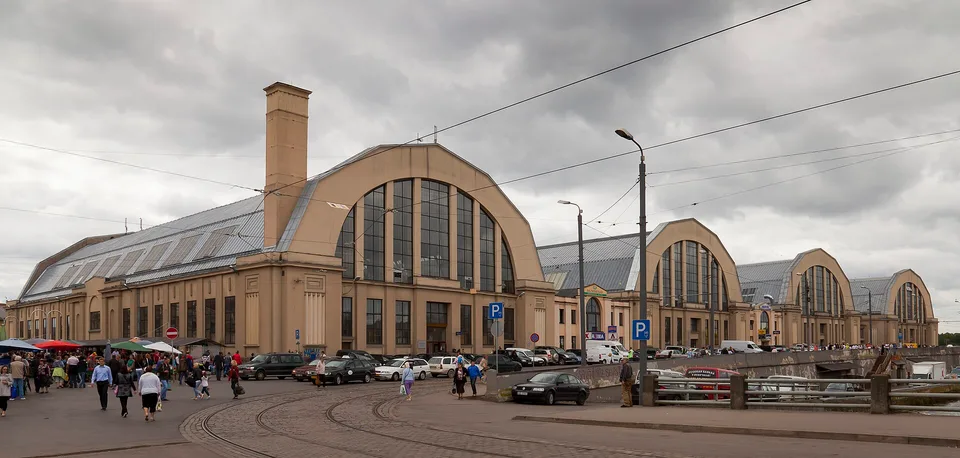
Riga Central Market is both a food destination and a piece of industrial-scale architecture. It stands close to the Old Town, Daugava, Central Railway Station and international bus terminal. The five large market pavilions were adapted from airship hangars. That transformation makes the market easier to understand as part of Riga's transport and trading history, rather than simply a place to buy lunch.
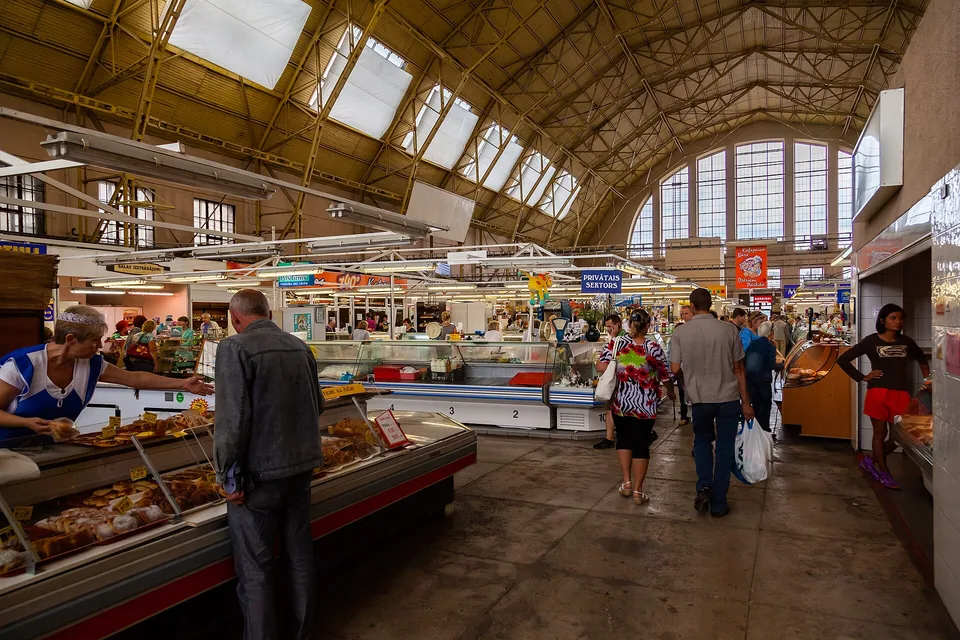
Start inside the market halls
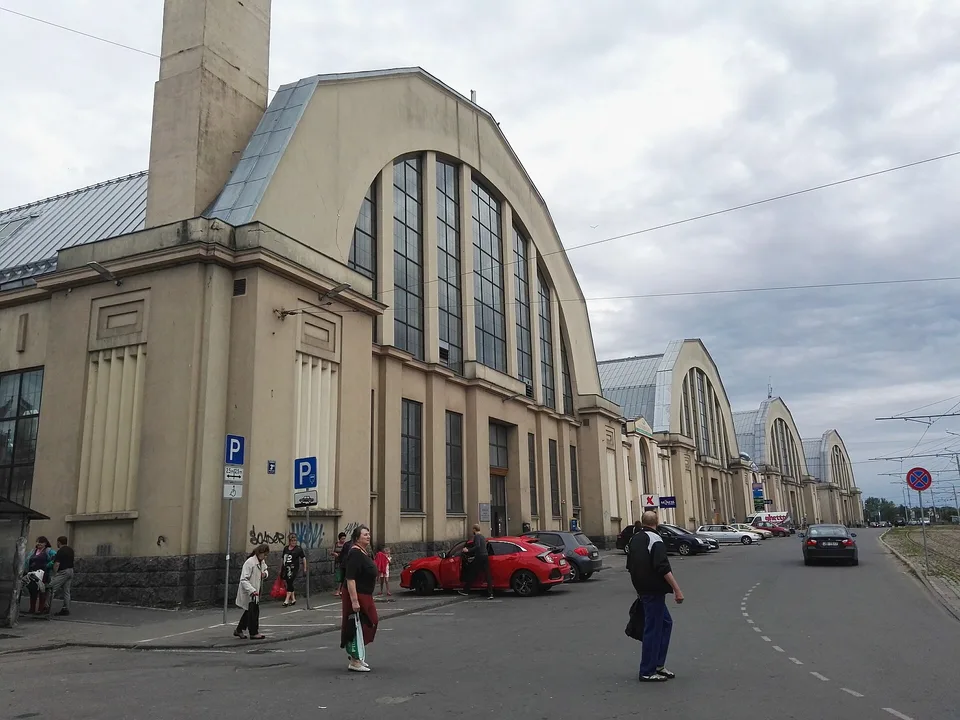
Latvia Travel describes the pavilions as a defining part of the market. Their scale and roof structure stand apart from the narrower streets of Old Town. Walk around the exterior before going inside, then browse the halls without assuming that a particular stall or product will be available every day.
The market sells food categories including fruit and vegetables, meat, fish, dairy and bread. Latvia's national cuisine pages also point to smoked fish, rye bread, pickles, jams and other local products. Use those descriptions as orientation, not a guaranteed inventory. Vendor selection can change, so check current market information if you are looking for something specific.
For a market food stop, choose a small selection that suits your plans for the day. If buying fish or dairy, consider how you will carry it and keep it. Ask vendors about ingredients when you are unsure, particularly if you have dietary needs. The market is a working trading place as well as a visitor stop.
Read the market's location against the transport map
The market sits near the city's central rail and coach facilities, so it can fit at the beginning or end of an arrival day. Riga Airport lists a bus 22 stop at Centrāltirgus in the city-bound direction and Central Market among the central stops served. Confirm the live route and direction before using it; the airport-bound stops differ.
The market's location also makes it easy to combine with the riverfront and Old Town. Keep the sequence simple: market halls, then the nearby warehouse quarter or the embankment. If you are arriving with luggage, follow your carrier's terminal and luggage arrangements rather than assuming a market visit is convenient between connections.
Continue to Spīķeri (SPEE-keh-ree)'s warehouses
Spīķeri is a historic red-brick warehouse quarter by the Daugava. Its official site describes the buildings as nineteenth-century warehouses within the UNESCO historic centre, now used for arts and cultural activity. Spīķeri offers a different stop from the market. The market is a group of food halls; Spīķeri is a former storage district adapted for public and cultural uses.
Check Spīķeri's current programme before planning around a concert, exhibition or event. A venue listing does not guarantee a particular activity on your travel dates. The public-facing quarter and river setting can still form part of a walk when there is no scheduled event.
Walk the river edge with context
The Daugava defines Riga's geography. The medieval centre stands on the right bank, while the National Library and Pārdaugava are across the river. Use the embankment to orient yourself from the market and Spīķeri. Then continue towards Old Town or cross to a left-bank destination. Avoid adding several crossings just to collect landmarks.
If you want to continue across the river, the Kalnciema Quarter guide and Āgenskalns route help distinguish the left-bank options. The National Library is another separate architectural stop listed by Latvia Travel.
A compact visit plan
- Walk around the pavilion exteriors to understand their hangar form.
- Browse the indoor halls and choose food based on the current stalls.
- Continue to Spīķeri if its warehouse architecture or current programme interests you.
- Use the riverfront to decide whether to return to Old Town or cross to Pārdaugava.
- Central Market / Spīķeri: The market's pavilions serve food shopping; the former warehouse quarter has another public role.
- Right bank / left bank: Finish the embankment walk before crossing the Daugava to avoid doubling back.
Market access, vendors and cultural schedules change, so use the operators' official pages for current details. This route works because the three pieces are close and distinct: market architecture, warehouse heritage and river geography. It gives the visitor a practical meal stop while showing how Riga's trading landscape evolved.
Notice how the market relates to Riga's transport history
The Central Market's location beside the rail and bus terminals is practical today, while its pavilion architecture recalls an earlier use of industrial structures. Latvia Travel describes the five buildings as converted airship hangars. Their scale helps explain why the market is such a prominent element of the central landscape. It also makes the market an interesting stop for visitors who are not planning a large shop.
Use the exterior as a way to orient yourself before exploring the interior. Each hall can feel different in purpose and atmosphere, but current vendor arrangements belong to the market operator. Check its visitor page for updated access information, and avoid promising a specific product in an article that may be read months later.
Spīķeri offers a second architectural chapter nearby. Its red-brick warehouses were built in the nineteenth century and have been adapted for contemporary arts and cultural uses. Look for current events on the quarter's official calendar rather than treating a past programme as ongoing. If there is no event, the warehouse setting remains part of the walk.
From there, the riverfront clarifies the relationship between the market, Old Town and Pārdaugava. Choose one direction to continue and save the opposite bank for a separate visit. This keeps the walk coherent and avoids unnecessary backtracking.
Visitors arriving by train or coach can place the market at the start or end of a central visit. Check luggage storage and terminal arrangements with the provider. Do not assume a particular facility is available. If travelling onward, keep enough flexibility to reach the named departure point and follow the carrier's live information.
For a quieter architectural comparison, continue to the canal parks on the opposite side of the central route. For a food-focused extension, cross the river on another part of the trip and compare the left-bank markets. The distinction between these choices helps the day feel intentional rather than overfilled.
Where it is
- 1Riga
- Riga International Airport (RIX) · about 9 km from Riga in a straight line
- Directions in Google Maps
Stations and taxi ranks: OpenStreetMap. Airports: OurAirports. Distances are in a straight line.
Traveller tips
Real advice from people who have been to Riga. Every tip is read by our team before it goes live.
No tips yet. Been here? Yours could be the first.
Thank you! Your tip will appear here after a quick review.
More in Riga
Continue exploring Riga with related neighbourhood, food, and planning guides
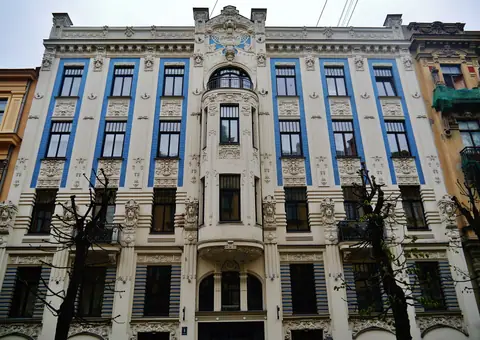
Riga: Read the City Through Its River and Three Historic Layers
Riga, Latvia
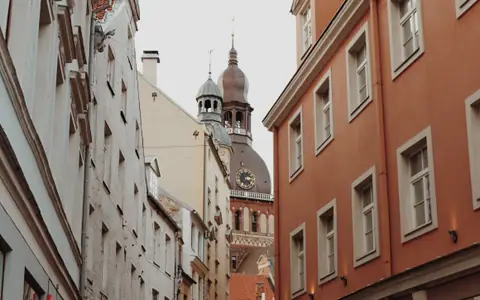
Things to Do in Riga: Choose Between the Medieval Core, Boulevards and Markets
Riga, Latvia
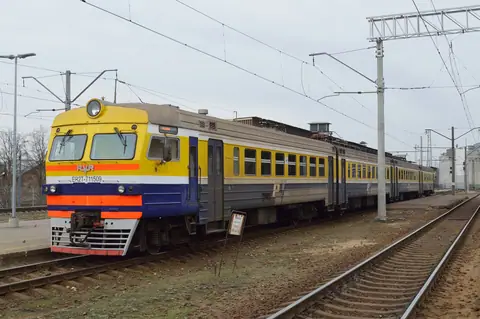
How to Get to Riga: Airport Bus 22, Rail and Cross-Border Coaches
Riga, Latvia
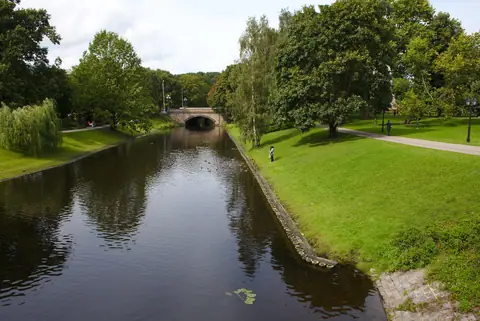
Best Time to Visit Riga: Match Outdoor Walks to Latvia's Climate
Riga, Latvia
