


























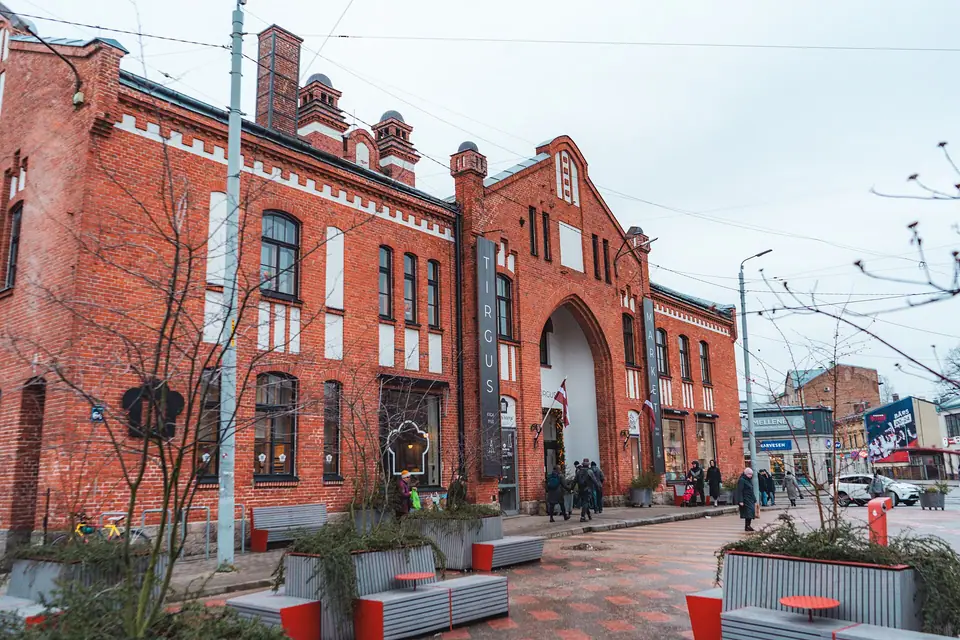
Photo: Wikimedia Commons · CC BY-SA
Āgenskalns, Riga: Market Hall, Wooden Streets and the Left Bank
Explore Āgenskalns as a left-bank neighbourhood, combining its market with surrounding Pārdaugava streets rather than conflating it with Central Market.
Āgenskalns (AH-gen-skalns) is a useful answer to the question of what lies beyond Riga's central postcard route. The neighbourhood sits in Pārdaugava, on the left bank of the Daugava. LiveRiga describes the wider area through wooden architecture, historic markets, churches and cultural venues. Use the district as a neighbourhood visit, not as another name for Riga Central Market or for the whole left bank.
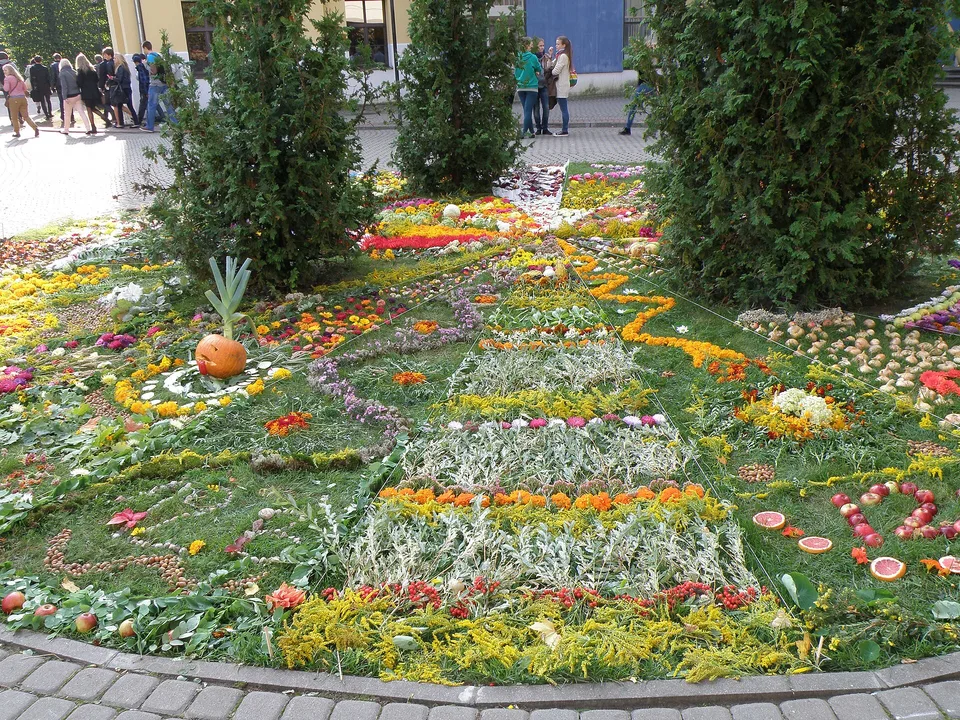
Make the market your anchor
Āgenskalns Market is one of the local food markets identified by Latvia's official tourism portal. The market operator provides its current address and visitor information. Check those details before visiting, especially if you want a particular vendor, food hall or event. Market layouts and opening arrangements can change.
Use the market to browse Latvian produce and prepared foods. National cuisine sources highlight rye bread, smoked and dried fish, pickles, preserves, dairy and seasonal ingredients. That is a guide to the country's food culture, not a promise about the day's stalls. Ask the vendors what is currently available and how a dish is prepared.
Riga Central Market is a different destination, closer to the Old Town, railway station and bus terminal. Its five repurposed hangar pavilions create a larger central market visit. Āgenskalns, by contrast, gives the meal stop a neighbourhood setting. Choose between them based on the rest of your route rather than visiting both simply because each is called a market.
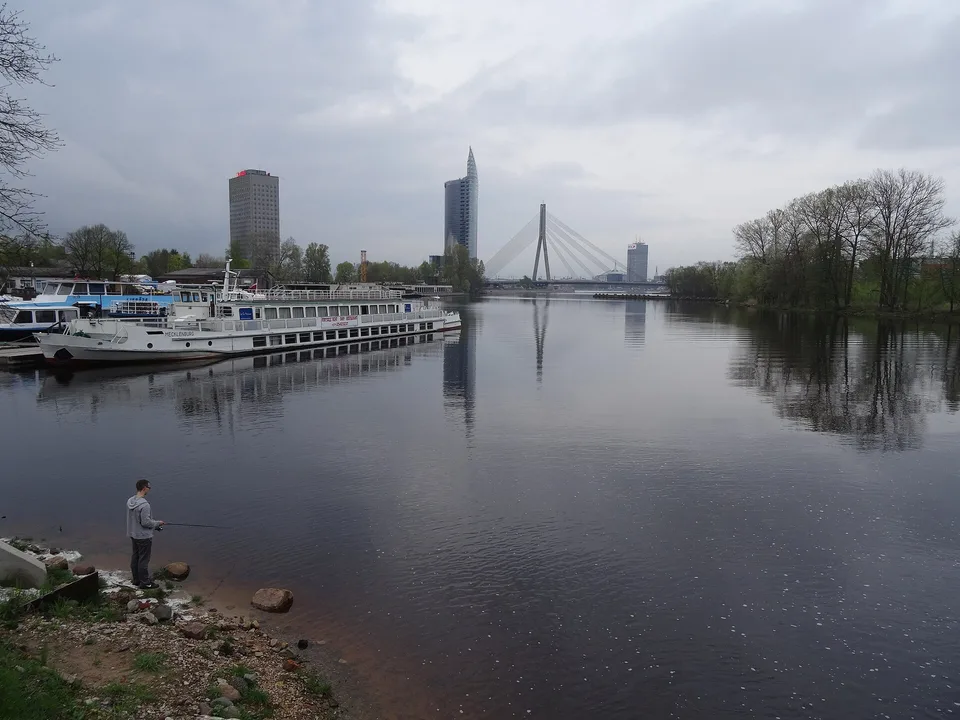
Walk beyond the market doors
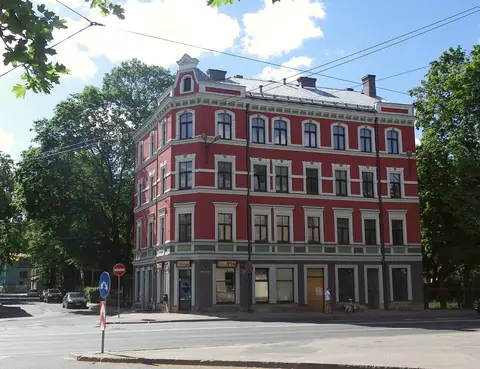
Āgenskalns belongs to Riga's broader wooden-architecture story. The UNESCO Historic Centre property includes former suburban quarters with wooden buildings, while the official tourism portal points visitors to left-bank wooden houses and Kalnciema Quarter. The neighbourhood's character is not reducible to a single architectural style; look at the streets as an evolving residential area.
A modest walk around the market gives context to the district without requiring an invented self-guided route to unnamed buildings. Follow public streets, look for timber facades where they are visible and use official heritage information for specific landmarks. If a building appears to be a private residence, view it from the public way.
For a more focused restoration story, go to Kalnciema Quarter, where the operator documents the wooden building cluster and its Architecture Centre. The two stops complement each other, but they are not the same quarter.
Plan the river crossing
The Daugava separates the central historic district from Pārdaugava. Check your starting point and the exact market address in Rīgas satiksme's route planner. Riga Airport's bus 22 lists left-bank stops, including Melnsila Street. The right stop depends on your destination and direction. Follow the live directions for your journey and its direction.
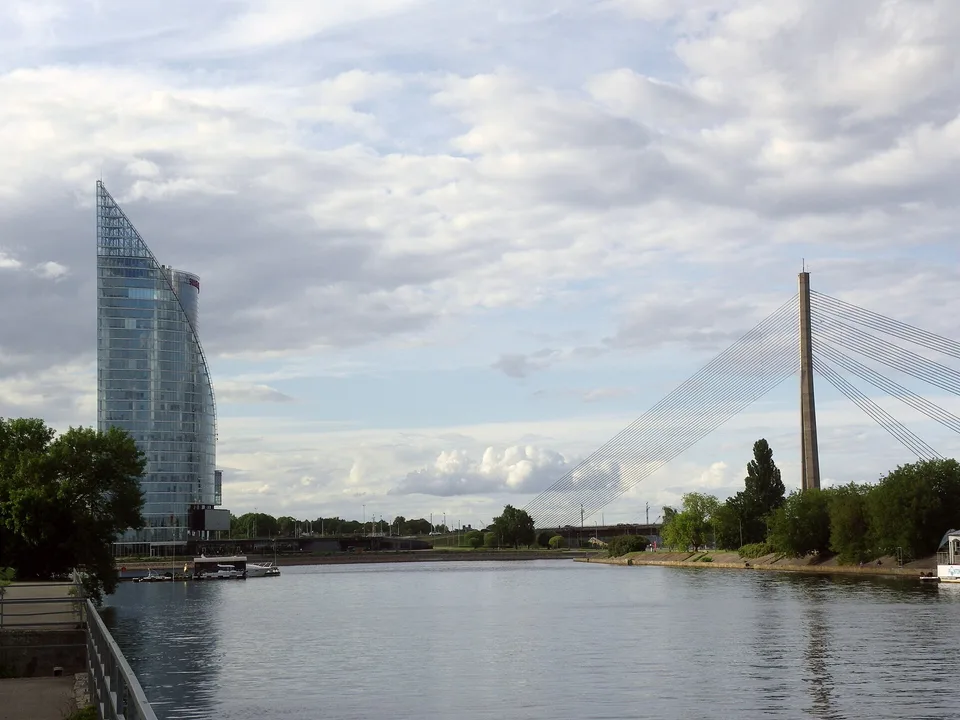
Rīgas satiksme's network includes buses, trams and trolleybuses. Read its ticket registration rules before boarding and confirm the current route. Do not assume a convenient crossing based solely on map distance; bridges and available services shape the practical route.
A half-day with room to browse
- Start at Āgenskalns Market: check the operator's information, browse the current stalls and make a meal stop if something appeals.
- Walk the surrounding public streets: look for the neighbourhood's changing building forms and wooden heritage.
- Add one nearby focus: choose a cultural venue or continue to Kalnciema Quarter after checking its address and current programme.
- Return across the river deliberately: use the official planner for the route back to central Riga.
For regional food context, Latvia's national cuisine page describes ingredients and market products across the country. In Riga, markets can help turn that overview into a practical tasting route. But vendors, prepared dishes and events are not fixed. Keep your plan open enough to respond to what is operating on the day.
Who should include Āgenskalns?
Choose it if you are interested in local food markets, left-bank streets and a less monument-centred view of Riga. It is a stronger fit for a second or third city day than for a very short stop between Old Town sights. Visitors focused on the medieval centre may prefer to keep the day central and return to Pārdaugava when they have time for a deliberate crossing.
- Āgenskalns Market / Kalnciema Quarter: Plan the market around food and daily trade; visit Kalnciema for restored wooden architecture.
- Left bank / Old Town: Group Pārdaugava stops, then cross the Daugava for the medieval centre.
Āgenskalns works because it combines an identifiable market with the broader texture of a lived-in district. Give the market current checks, then let the surrounding streets add context. This makes the visit different from a quick indoor food stop and keeps the distinction between Āgenskalns and Central Market clear.
Keep the visit local in scale
Āgenskalns is most useful when approached as a neighbourhood, not as a distant attraction to photograph and leave. Spend time browsing the market, then walk the public streets and notice how the residential setting differs from the riverfront centre. Latvia's official food guide places Āgenskalns Market among Riga's local markets, while LiveRiga describes Pārdaugava through architecture, markets and cultural venues.
Do not infer that every left-bank building belongs to one period. The city contains wooden houses, stone structures and more recent uses across several neighbourhoods. For a specific architectural claim, use an official heritage source. The experience here is the combination of a local market and a changing street environment.
Check the market's own visitor page for current opening arrangements and any programme information. If you are planning around a specific food stall, event or guided activity, confirm it directly. Otherwise, treat the market as a flexible meal and browsing stop, not a timed attraction.
Travellers staying on the right bank should plan their crossing and return route before setting off. Use the current transit planner and avoid assuming that the shortest straight-line route is available on foot or by one vehicle.
The market operator is the best source for current visitor information, while Latvia Travel provides the broader context on local produce and cuisine. Use each source for the question it answers: the operator for access and current activity, the tourism guide for food traditions. This avoids using a general food description to make promises about today's vendors.
Where it is
- 1Āgenskalns, Riga
- Riga International Airport (RIX) · about 6 km from here in a straight line
- Directions in Google Maps
Stations and taxi ranks: OpenStreetMap. Airports: OurAirports. Distances are in a straight line.
Traveller tips
Real advice from people who have been to Riga. Every tip is read by our team before it goes live.
No tips yet. Been here? Yours could be the first.
Thank you! Your tip will appear here after a quick review.
More in Riga
Continue exploring Riga with related neighbourhood, food, and planning guides
Kalnciema Quarter: Riga's Wooden Houses, Courtyard and Architecture Centre
Riga, Latvia

Freedom Monument and Riga's City Canal: A Walk Through the Boulevard Belt
Riga, Latvia

Jūrmala from Riga: Choose a Beach Stop or Ķemeri Nature Day
Riga, Latvia
Riga: Read the City Through Its River and Three Historic Layers
Riga, Latvia
