


























Getting Around Riga: Trams, Trolleybuses, Bus 22 and Ticket Registration
Use the official route planner for Riga's buses, trams and trolleybuses, and register each ticket according to current operator instructions.
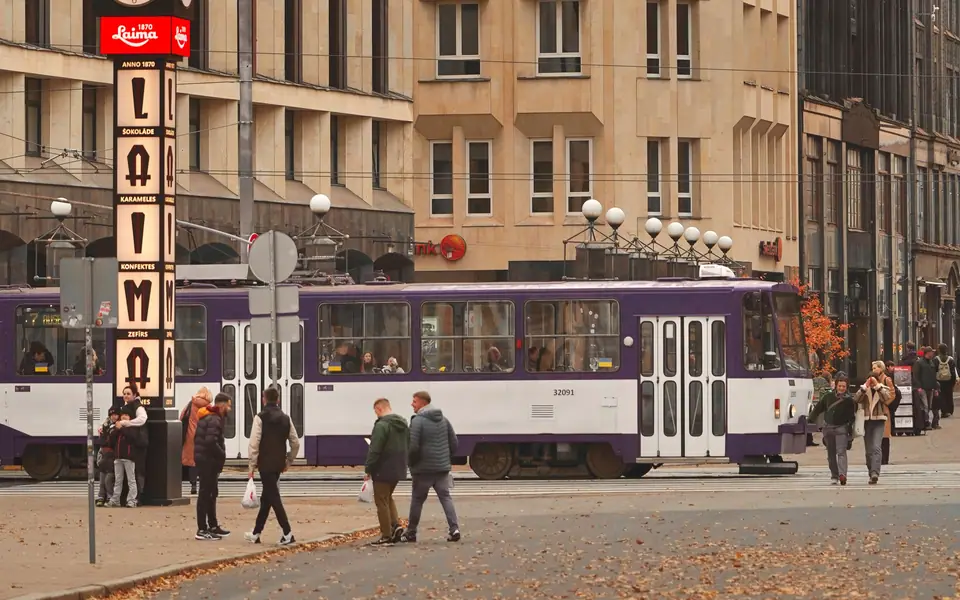
Riga's central districts reward walking, but the city is broader than the Old Town and boulevard belt. Rīgas satiksme (REE-gahs sah-TEEKS-meh) operates buses, trams and trolleybuses and provides maps, a route planner and current schedules. Use that operator's tools for a particular journey instead of relying on a static route description. The Daugava, the airport and the left-bank neighbourhoods make route planning part of the visit.
Know which journeys are walkable
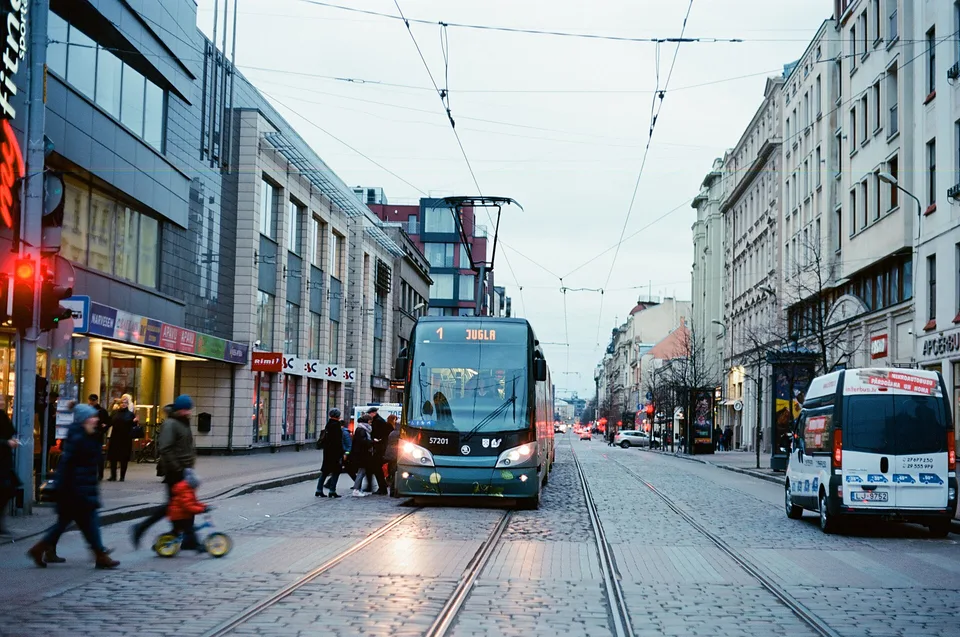
The Old Town, Central Market and nearby central stations form a useful walking cluster. The Freedom Monument and City Canal continue the route towards the boulevard district. Alberta Street is further into the central architecture area. These neighbourhoods connect naturally, but the exact walking route depends on your chosen stops and accommodation.
Crossing the Daugava changes the shape of the day. The National Library and Pārdaugava lie on the left bank, while the medieval centre is on the right bank. For Kalnciema Quarter or Āgenskalns Market, check whether a public transport route is more practical than walking back and forth. Do not rely on an estimated crossing time without checking the exact path.
Use the operator's route planner
Rīgas satiksme's visitor page links route maps, schedules and the planner for its bus, tram and trolleybus services. Put in the actual origin and destination, then check the date-specific result. Construction, traffic and service changes can affect a route. For accessibility, verify vehicle and stop details through the operator rather than assuming every stop has identical facilities.
Tickets have to be registered according to the current operator instructions. The time-ticket page describes where tickets apply and when registration is required after boarding. Digital ticket guidance gives additional rules for smartphone tickets. Read the page for the product you buy; do not assume that having a ticket on a phone automatically counts as registering it for a journey.
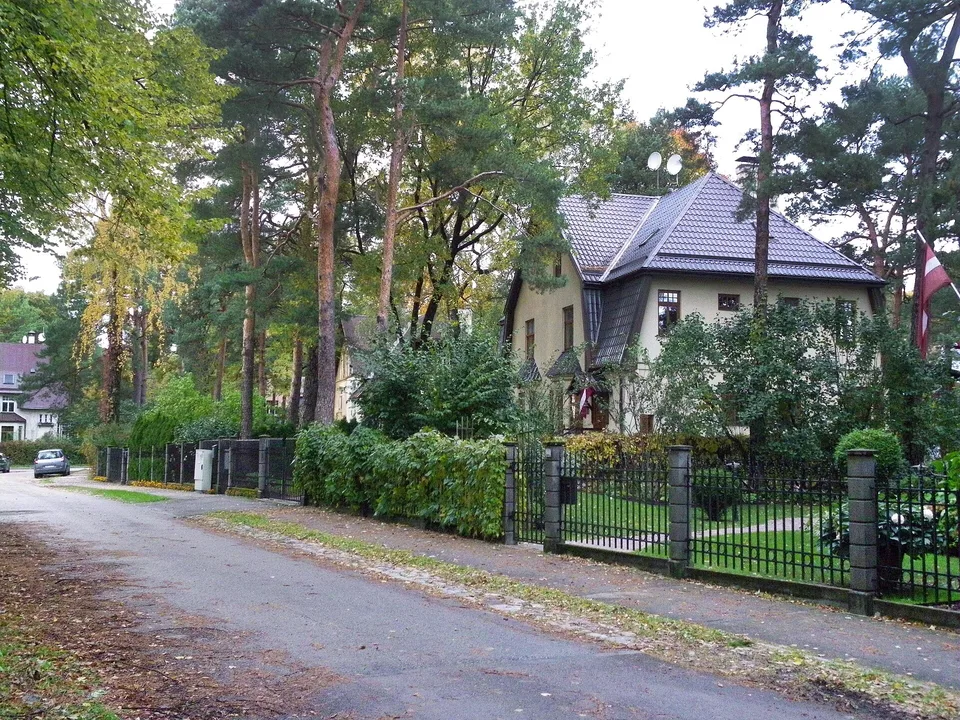
- Bus / tram / trolleybus: all are part of the local network, but route and stop details vary. Check the planner for the exact trip.
- Ticket purchase / ticket registration: buying or activating a ticket and registering it on board are separate steps in the operator's instructions. Follow the current procedure.
- Airport bus / city transfer: bus 22 is the local airport service. The airport identifies its city-bound stop in the P1 car park between arrivals exits C and E.
Airport and intercity journeys
Riga Airport lists bus 22 stops at several central locations, including the National Library, Old City, Central Market and the main stations. The stop for the airport-bound return service is not necessarily in the same place as the arrivals stop. Check the airport's current route details in both directions.
Rail services are handled separately from the municipal network. Use Vivi's journey planner for regional rail, including travel towards Jūrmala. The municipality's tourism site lists fourteen stops within Jūrmala, so select the destination neighbourhood before choosing a ticket or timetable. Cross-border coach terminals and airport stops also differ. Our arrival guide explains those distinctions.
Make a route that suits the district
For an Old Town day, walking is usually the clearest way to understand the medieval street pattern. Add a tram or bus journey when the plan shifts to the airport, a distant district or the left bank. For the boulevard parks and Alberta Street, decide whether the walk itself is part of the visit. That choice matters more than riding for its own sake.
When you plan Kalnciema Quarter or Āgenskalns, note the exact address and the current public transport stop. Those places are not one interchangeable neighbourhood. The market calendar or museum access may further affect the best day to visit.
Simple checks before boarding
- Confirm the destination and route in Rīgas satiksme's current planner.
- Check whether the service is a bus, tram or trolleybus and follow the ticket rules for that product.
- Register the ticket as instructed on each required boarding.
- Use Riga Airport's route page for bus 22 and Vivi for rail rather than applying municipal schedules to those services.
- Rīgas satiksme / Vivi: The city operator covers buses, trams and trolleybuses; Vivi handles regional rail journeys.
- Riga City Pass / city ticket: Riga Pass says public transport is excluded; follow Rīgas satiksme ticket instructions separately. Airport-zone or rail travel needs its own valid ticket.
Riga's network is manageable when you match each journey to its operator. The route planner handles local services; the airport page covers bus 22; Vivi covers trains. That small distinction avoids the common mistake of trusting one source for every mode of travel.
Choose the transport source that owns the journey
Rīgas satiksme covers municipal buses, trams and trolleybuses. Riga Airport publishes the airport connection and its stop locations. Vivi covers passenger rail, including routes towards Jūrmala. International coaches are operated by their named carriers. Keeping these services distinct makes it easier to find the correct timetable and ticket rules.
For transfers, search each leg separately if the journey changes operator. A city time ticket does not cover a regional train. An airport coach booking is not a local bus ticket. Read the terms for the exact ticket product. We omit fares because the official price pages can change.
When using a phone ticket, make sure the device has enough battery for inspection and follow the operator's current validation steps. If you are unsure whether the ticket registered, consult the official instructions before boarding another vehicle. The process is more important than memorising a general rule because ticket products may differ.
Riga's centre has several landmarks within walking distance, but mobility, weather and luggage can change the best mode. The route planner lets you compare available services for the actual origin and destination. Check accessibility details for the particular stop and vehicle if those affect your trip.
When the route involves luggage, a transfer or a mobility requirement, compare the stop names and entrances before departure. Riga Airport publishes access information for passengers who need assistance, while Rīgas satiksme provides local network information. Contact the relevant operator for individual arrangements rather than assuming every stop or vehicle offers the same access.
For an airport or district journey, check both the vehicle's final stop and the direction shown in the live route. This prevents confusion between outward and return stops.
Where it is
- 1Riga
- Riga International Airport (RIX) · about 9 km from Riga in a straight line
- Directions in Google Maps
Stations and taxi ranks: OpenStreetMap. Airports: OurAirports. Distances are in a straight line.
Traveller tips
Real advice from people who have been to Riga. Every tip is read by our team before it goes live.
No tips yet. Been here? Yours could be the first.
Thank you! Your tip will appear here after a quick review.
More in Riga
Continue exploring Riga with related neighbourhood, food, and planning guides

What to Eat in Riga: Rye Bread, Grey Peas, Smoked Fish and Market Produce
Riga, Latvia

Old Town Riga: UNESCO Streets, Market Squares and Church Towers
Riga, Latvia

Alberta Street, Riga: Art Nouveau Facades and the Pēkšēns Museum
Riga, Latvia
Riga Central Market and Spīķeri: Food Halls beside the Daugava
Riga, Latvia
