


























Where to Stay in Riga: Old Town, Centrs and Pārdaugava Compared
Choose a Riga base by the historic district you want outside your door, the river crossings you are willing to make and your transport plans.
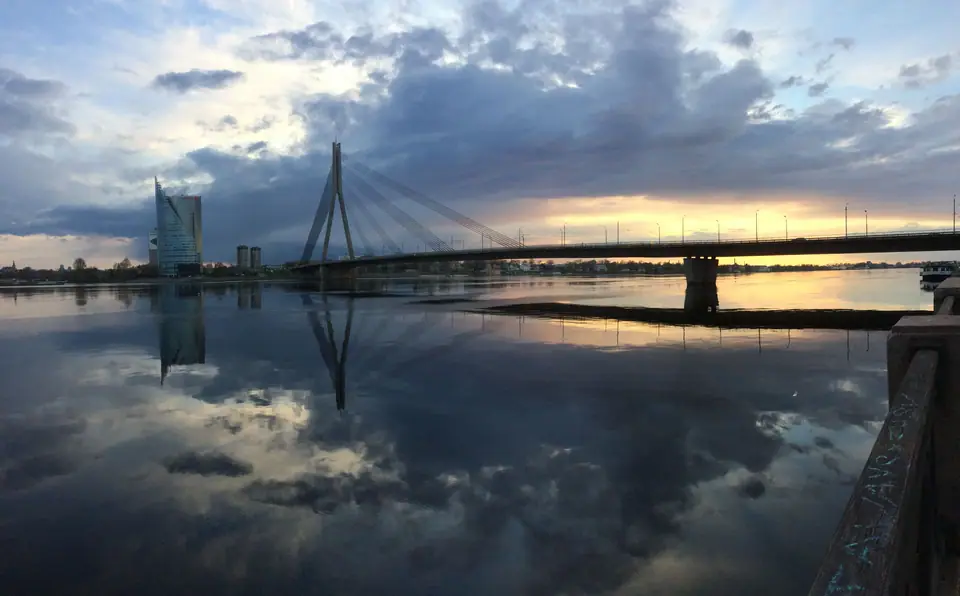
Where to stay in Riga is a choice between different urban settings, not simply a search for the closest hotel to one landmark. The Old Town concentrates medieval streets and church landmarks. The central district beyond it follows the canal-side boulevard belt and leads towards the Art Nouveau quarter. Across the Daugava, Pārdaugava (PAHR-dow-gah-vah) has wooden architecture, local markets and a residential character. Choose the area that matches your daily pattern, then check the exact address against current transport maps.
Old Town: strongest for medieval sights
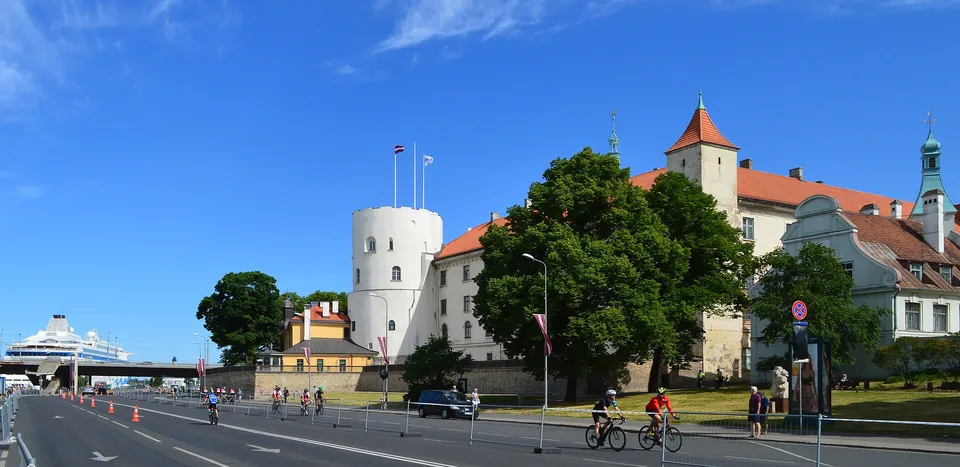
Stay in the Old Town if you want to step straight into the historic core and keep evening walks within its lanes. UNESCO's property includes the medieval centre, although the site itself is a living part of the city rather than a museum district. The trade-off is that this base prioritises one layer of Riga. Alberta Street, the boulevard parks, the Central Market and the left bank still need separate walks or rides.
When comparing addresses, look at the actual street and route to your arrival stop. A hotel described as central may sit on a different side of the river or beyond the historic lanes. The Old Town guide gives a sense of the core; our arrival guide distinguishes the airport bus, coach terminal and railway station.
Central Riga: the most balanced base for architecture
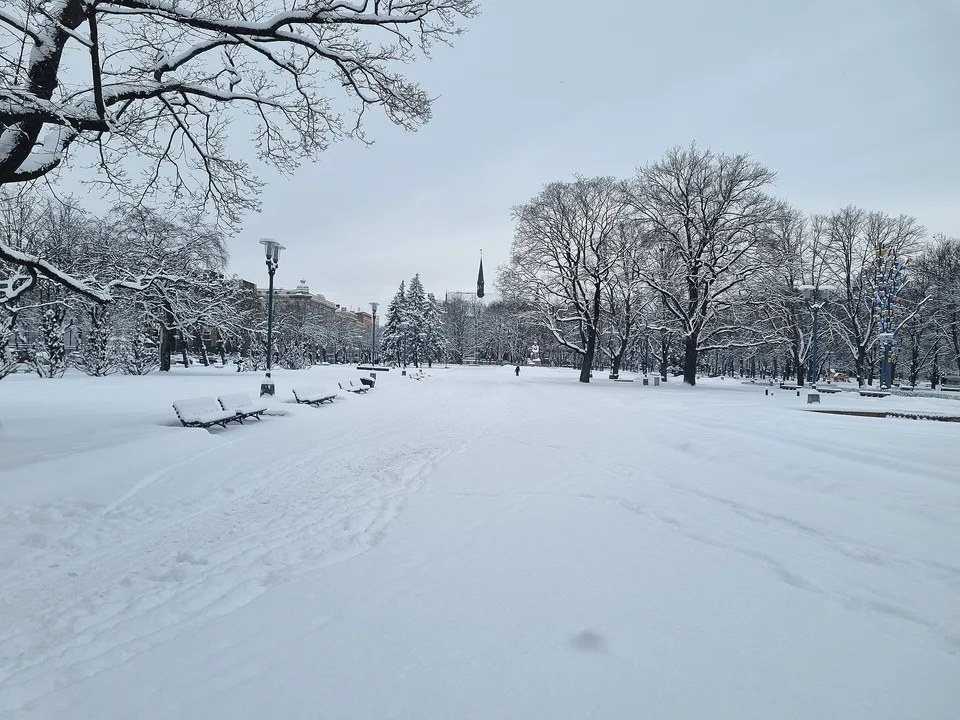
The area between the Old Town, City Canal and Alberta Street suits travellers who want to combine the medieval centre with Art Nouveau architecture and museums. UNESCO describes the canal-side nineteenth-century boulevard semicircle and green belt as part of the historic property. From here, the walk changes gradually from the medieval street pattern to the later city centre.
This base is useful if the day's plan mixes public parks, cultural buildings and street architecture. It does not remove the need to cross the Daugava for Pārdaugava, nor does it make every attraction a short walk. Check your accommodation's precise location and use Rīgas satiksme's route planner for longer journeys. The Alberta Street guide can help determine whether this district is central to your interests.
Pārdaugava: choose the left bank deliberately
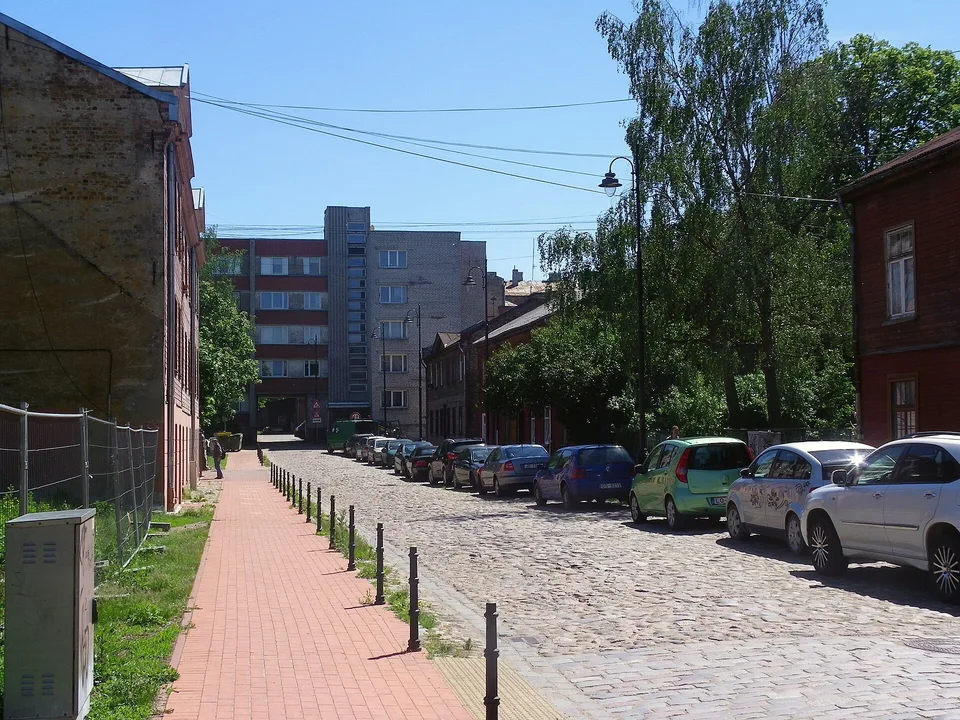
Pārdaugava lies on the opposite side of the Daugava from the medieval centre. It is a sensible base when your plans give substantial attention to wooden architecture, Kalnciema Quarter or Āgenskalns Market. The official tourism material identifies wooden buildings on the left bank, while LiveRiga describes Pārdaugava through its architecture, markets and cultural venues.
Kalnciema Quarter sits at Kalnciema and Melnsila Streets. Its restored wooden buildings, public yard and Wooden Architecture Centre make it a focused destination, not a substitute name for the entire left bank. Āgenskalns Market is another distinct local stop. Compare them in our Kalnciema Quarter guide and Āgenskalns guide.
A left-bank base makes less sense if nearly every day is centred on Old Town and the boulevard district. That does not mean it is inconvenient for every traveller. It means that the bridge and transport links should be part of the accommodation decision, not an afterthought.
Match your neighbourhood to your arrival
- Airport bus 22: Riga Airport lists stops at the National Library, Old City, Central Market and central stations. Check the exact direction and stop for your chosen address.
- International coach: verify whether your booking arrives at the airport's P1 stop or the city coach terminal.
- Train: use the station named on the ticket and check current onward transport with Vivi and Rīgas satiksme.
These distinctions matter more than a broad neighbourhood label. A hotel can be near one important sight while still requiring a transfer from the arrival point. Before booking, map the front door, the nearest useful public transport stop and the places you intend to visit.
Questions to ask before you book
- Which part of the city's heritage is most important to you: the medieval core, the boulevard and Art Nouveau district, or the wooden left-bank quarters?
- Does your daily plan require crossing the Daugava, and how will you make that trip?
- Which airport, rail or coach stop will you arrive at, and what is the route from there to the exact accommodation address?
- Are you relying on a market, museum or venue near the hotel? Check that organisation's current visitor information separately.
- Old Town / Centrs: Old Town has addresses coded LV-1050; Alberta iela 12 is LV-1010. Latvian Post assigns codes by address, so search the street and building number.
- Riga City Pass / Rīgas satiksme: The pass FAQ says public transport is not included, so check separate transit tickets.
For a short stay, Old Town or central Riga usually makes the district sequence easiest to understand. Travellers with a specific interest in Pārdaugava can choose the left bank and build the visit around it. The right choice is the one that reduces unwanted transfers while keeping the neighbourhoods you care about within a realistic plan.
Check the address, not just the district label
Accommodation listings use broad labels such as Old Town, centre and riverside. In Riga, each label can cover more than one kind of street or a different side of the Daugava. Enter the actual street address into a route planner and compare it with your expected arrival stop. Then map the places you want to visit on separate days. This simple check can reveal whether the hotel is central to your own itinerary.
Do not book a left-bank stay on the assumption that the market or wooden quarter is automatically outside your door. Pārdaugava is a broad area, and Kalnciema Quarter and Āgenskalns Market have distinct addresses. Ask the accommodation provider about access if the route or building entrance matters, and use official transport information for connections.
Old Town and central Riga offer different trade-offs even though they are near each other. The former prioritises medieval lanes and church landmarks; the latter makes it easier to include parks, the canal, museums and Alberta Street in a walking day. If you have several days, the choice can be made around the experience you want after sightseeing, not proximity to a famous landmark alone.
Before booking, check whether your trip includes an early flight, late coach or regional train. Transport schedules can shape the value of staying near a particular terminal. Use the current operator timetable and accommodation address together rather than relying on a hotel description alone.
Where it is
- 1Riga
- Riga International Airport (RIX) · about 9 km from Riga in a straight line
- Directions in Google Maps
Stations and taxi ranks: OpenStreetMap. Airports: OurAirports. Distances are in a straight line.
Traveller tips
Real advice from people who have been to Riga. Every tip is read by our team before it goes live.
No tips yet. Been here? Yours could be the first.
Thank you! Your tip will appear here after a quick review.
More in Riga
Continue exploring Riga with related neighbourhood, food, and planning guides
Best Time to Visit Riga: Match Outdoor Walks to Latvia's Climate
Riga, Latvia
Three Days in Riga: Old Town, Art Nouveau and the Daugava's Left Bank
Riga, Latvia

What to Eat in Riga: Rye Bread, Grey Peas, Smoked Fish and Market Produce
Riga, Latvia
Getting Around Riga: Trams, Trolleybuses, Bus 22 and Ticket Registration
Riga, Latvia
