


























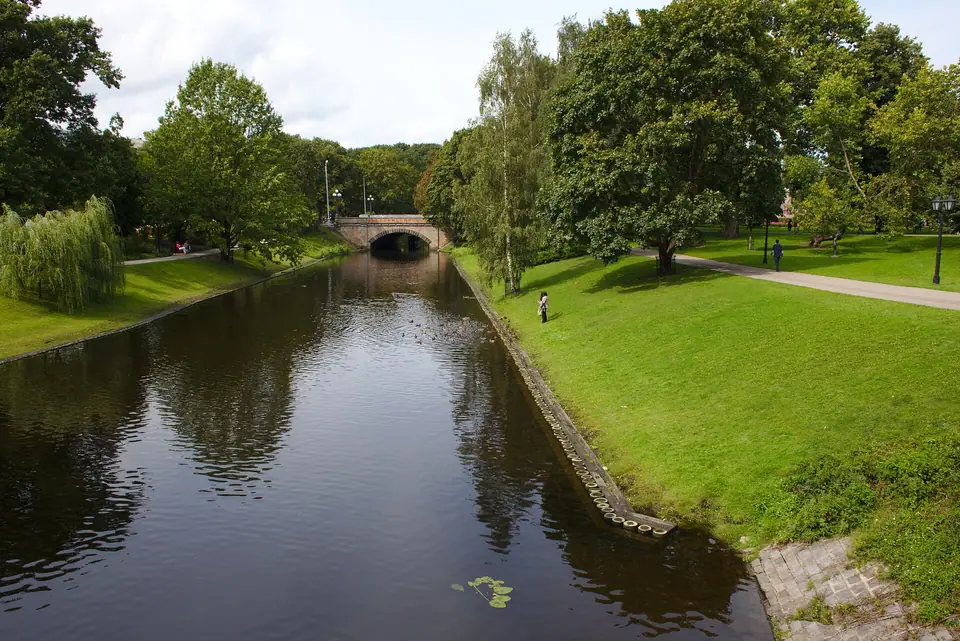
Photo: Wikimedia Commons · CC BY-SA
Best Time to Visit Riga: Match Outdoor Walks to Latvia's Climate
Choose a season around your tolerance for cold, daylight and outdoor time, using national climate normals rather than day-specific promises.
There is no single month that suits every Riga itinerary. Old Town lanes and Art Nouveau facades suit several seasons. The balance between outdoor walks and indoor visits changes with temperature, rain and daylight. Latvia's national climate service is a better starting point than a promise about what the weather will do on your dates.
What the climate normals tell you
The Latvian Environment, Geology and Meteorology Centre publishes climate normals for Riga using the 1991 to 2020 reference period. Its Riga summary identifies July as the warmest month, with a mean temperature of 19°C. January and February share the lowest monthly mean, at minus 2.2°C. These are long-term averages, not a forecast and not a guarantee for a particular week.
The same source identifies July as Riga's wettest month by normal precipitation and March as the lowest. That distinction is useful because a warmer month is not automatically a dry month. Pack for changeable conditions and check a current forecast before setting out on a long park, beach or neighbourhood walk.
We avoid giving monthly high and low figures here because the official page's table is not consistently available in the reviewed text. Do not infer missing figures from a chart or substitute values from an unrelated station. For the complete underlying climate record, use the Latvian climate portal directly.
Summer favours longer outdoor routes
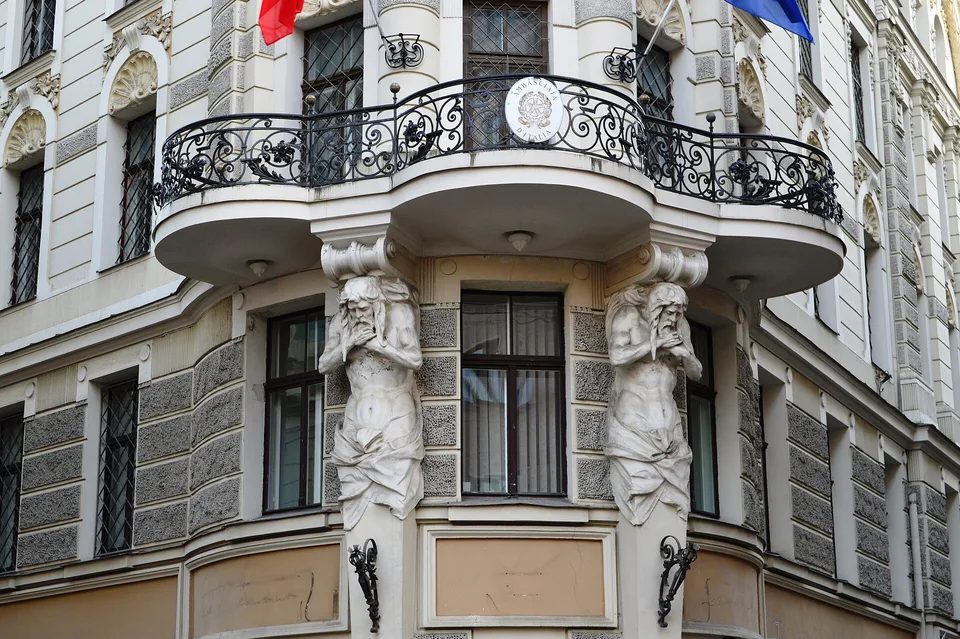
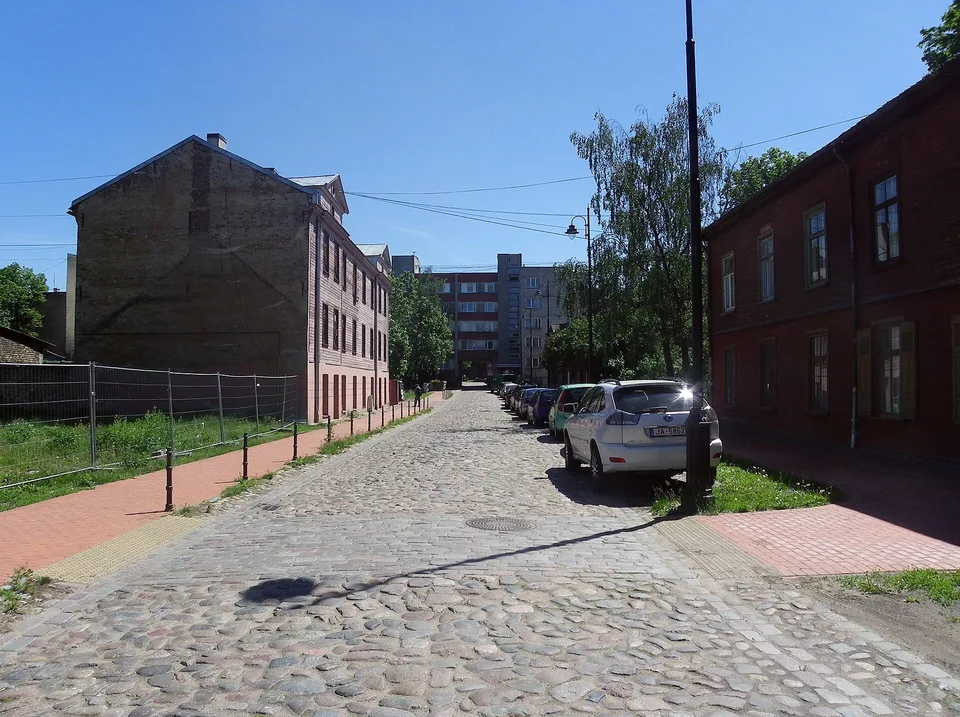
Summer is the natural choice if you want to give parks, street architecture and a possible Jūrmala (YOOR-mah-lah) beach day more time. Riga's boulevard belt and the Daugava embankments are outdoor spaces, while Alberta Street and the wooden quarters are best read on foot. Warm-season planning still needs a rain layer: the national climate summary records July as the wettest month by normal precipitation.
For a beach day, do not assume that every coastal facility or swimming condition remains the same through the season. Visit Jūrmala publishes current beach information and safety notices. Choose the neighbourhood or nature area you want to visit and check that page before leaving Riga. Our Jūrmala guide distinguishes the rail stops and beach areas.
Spring and autumn suit a mixed itinerary
Shoulder seasons work well when your plan combines walking with indoor culture. Use the Old Town and central parks for outdoor time. Keep a museum or the Riga Art Nouveau Centre as a weather-flexible option. Spring and autumn conditions can vary, so a layered outfit is more reliable than packing for one assumed temperature.
Autumn also makes the boulevard parks part of the experience, but do not assign a particular foliage date in advance. Seasonal colour shifts with conditions. Build the day around districts and let the daily forecast decide how long to remain outdoors.
Winter shifts the balance towards interiors
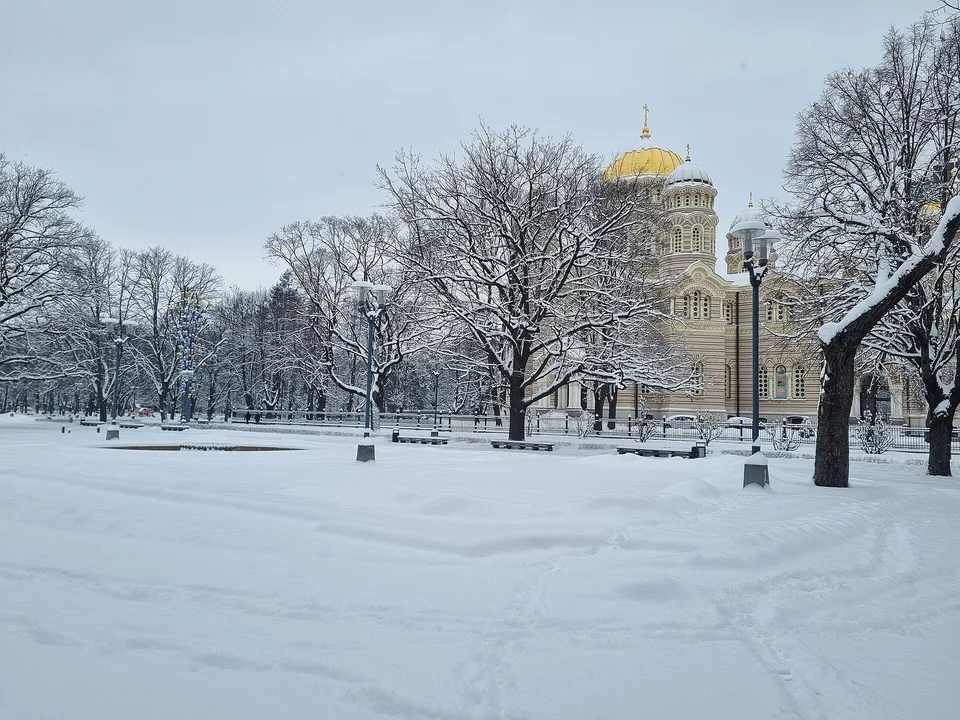
January and February are the coldest months in Riga's 1991 to 2020 normals. Winter visits make sense for travellers comfortable with cold-weather walking and shorter outdoor intervals. Keep outdoor visits compact, then use museums, churches or cafés as separate stops. Check current opening arrangements directly with each venue because seasonal schedules can differ.
Snow and ice conditions cannot be guaranteed from climate averages. Choose footwear with grip and use current local updates for pavements and transport. If the weather makes an outdoor route uncomfortable, the city's architecture remains visible from the street, but a long walking itinerary may need to be divided.
Decide by the kind of day you want
- Street architecture: choose a period when you are happy to spend several stretches outdoors, and keep Alberta Street or the canal parks flexible around rain.
- Market and food: the Central Market works as an indoor anchor, but check the operator's current information for access and vendors.
- Beach and nature: use Jūrmala's current beach and nature pages, then match the chosen area to the live rail timetable.
- Museums: verify current hours and exhibitions at the institution itself. Do not plan around old third-party listings.
- Central Riga / Jūrmala: Keep city walks flexible around rain; choose the coast when the forecast suits outdoor time.
- Summer / shoulder season: Longer daylight favours extended walks, while cooler months make indoor visits more useful.
Riga's best travel season is therefore a personal trade-off, not a universal verdict. The climate data can orient you: July is warmest on average and also the wettest by normal precipitation; winter months are coldest. For any season, check the live forecast and the opening details of the places that matter to your trip. Then group outdoor sights with indoor alternatives so one wet or cold day does not unravel the whole plan.
Build a weather-flexible day
Riga's heritage routes can be rearranged without losing their logic. Keep the Old Town and a market visit together if rain interrupts a longer park walk. Move the canal or Alberta Street route to a clearer period, then use a museum as an indoor option. This is more dependable than committing the entire trip to an assumed sunny day.
The climate service's normals describe long-term averages, not the weather pattern for a particular week. A monthly average cannot tell you whether it will rain during your visit or whether a beach is safe for swimming. Check the Latvian forecast and Visit Jūrmala's current beach guidance for those decisions. Pack layers that can be added or removed as conditions change.
Outdoor sites also have different practical constraints. A street architecture walk remains visible from public space, while a museum visit depends on the institution's visitor arrangements. A beach day depends on current coastal conditions, facilities and rail service. Keep those plans separate enough that one temporary change does not force a full itinerary rewrite.
Travellers choosing dates around cultural events should use official calendars for the venues and organisers involved. Do not rely on an undated reference to a festival or market. Riga's cultural programme changes from year to year, and current event details are more useful than a broad seasonal promise.
Use the same seasonal logic when choosing accommodation and transport. A central stay makes wet-day museum plans easier to adjust. A beach or Ķemeri excursion depends on current conditions and rail service. Check those operators again close to the date rather than relying on a season label.
Where it is
- 1Riga
- Riga International Airport (RIX) · about 9 km from Riga in a straight line
- Directions in Google Maps
Stations and taxi ranks: OpenStreetMap. Airports: OurAirports. Distances are in a straight line.
Traveller tips
Real advice from people who have been to Riga. Every tip is read by our team before it goes live.
No tips yet. Been here? Yours could be the first.
Thank you! Your tip will appear here after a quick review.
More in Riga
Continue exploring Riga with related neighbourhood, food, and planning guides
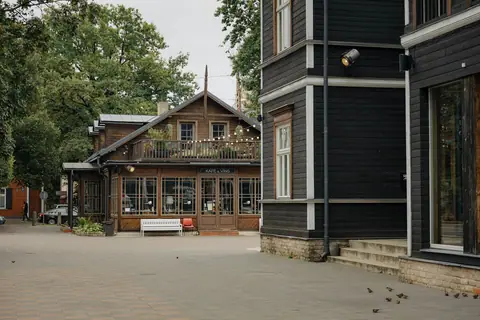
Three Days in Riga: Old Town, Art Nouveau and the Daugava's Left Bank
Riga, Latvia

What to Eat in Riga: Rye Bread, Grey Peas, Smoked Fish and Market Produce
Riga, Latvia

Getting Around Riga: Trams, Trolleybuses, Bus 22 and Ticket Registration
Riga, Latvia
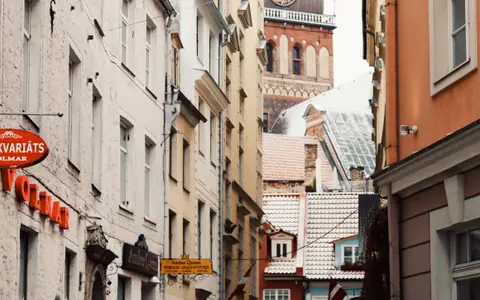
Old Town Riga: UNESCO Streets, Market Squares and Church Towers
Riga, Latvia
