


























Things to Do in Riga: Choose Between the Medieval Core, Boulevards and Markets
Group Riga's main sights by the medieval centre, canal-side parks, Alberta Street, the Central Market and left-bank architecture.
Riga's strongest sightseeing day is not a race between unrelated pins. The city has three connected urban layers: its medieval centre, a nineteenth-century boulevard belt and former suburban districts with wooden buildings. UNESCO recognises the relationships between these areas. Use them to organise the visit, and choose indoor stops around the streets rather than trying to enter every building you pass.
Walk the old centre before choosing a museum
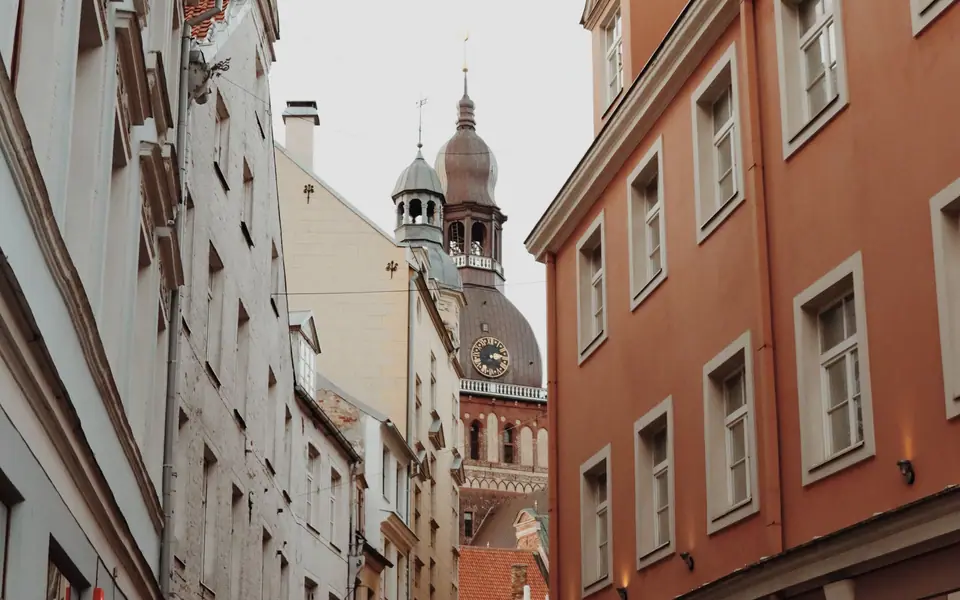
Begin in the Old Town, where cobbled streets, squares and church landmarks introduce the medieval core. The city was founded as a port in 1201 and later became a Hanseatic trading centre. Many early structures were lost or rebuilt, so think of the district as a layered historic fabric rather than a perfectly preserved medieval set. Our Old Town guide links the main public spaces into one walk.
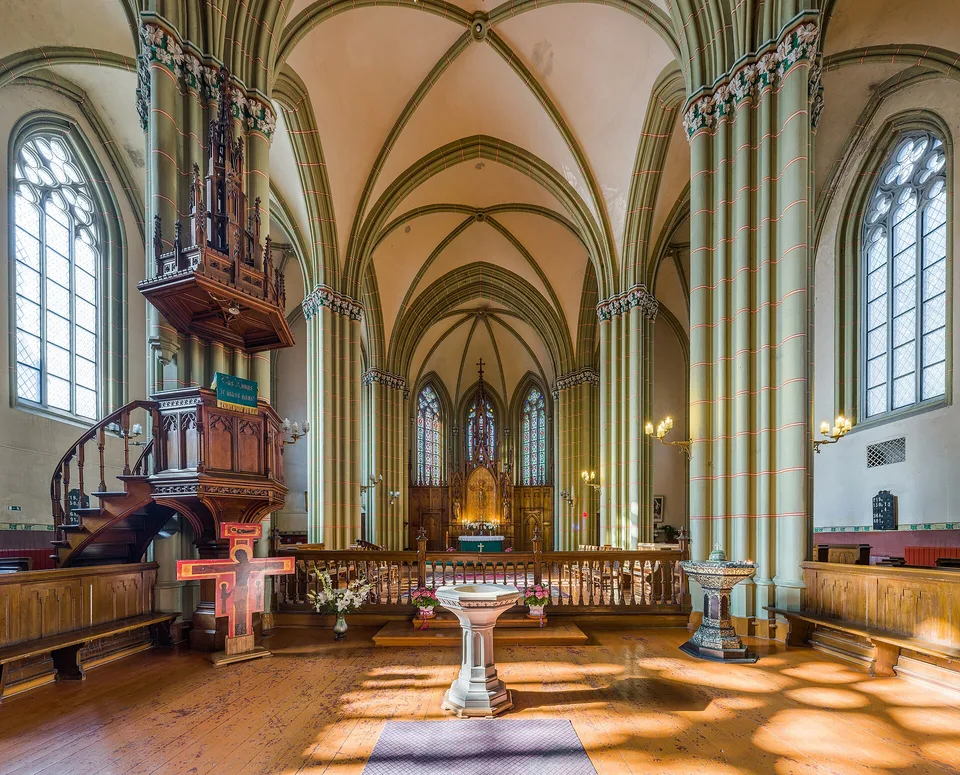
Choose one church interior or museum if you want more context, then keep time for the surrounding lanes. Check each institution's own visitor page for access and current details. The public streets are the common thread, while entry arrangements belong to individual venues.
Follow the canal to the Freedom Monument
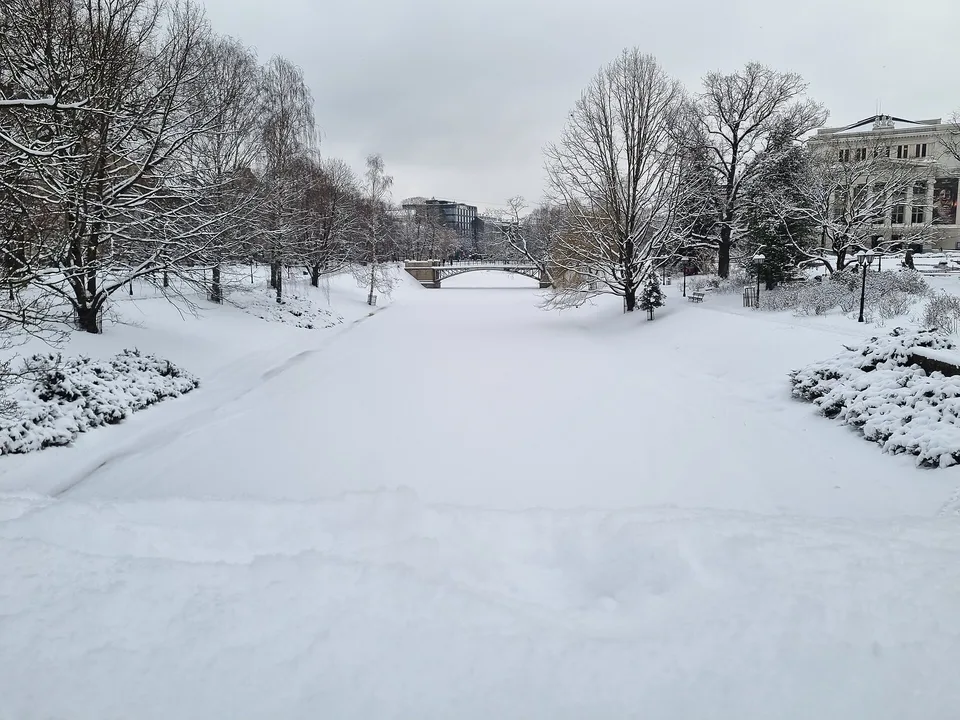
The City Canal and its green belt mark the edge between the medieval centre and the later boulevard district. The Freedom Monument stands in this transition. LiveRiga records its unveiling on 18 November 1935 and explains the three stars above the figure as symbols of Kurzeme, Vidzeme and Latgale. The site is an outdoor stop, so it can anchor a walk without requiring a timed indoor visit.
Continue through the central parks or towards the Latvian National Museum of Art, depending on your interests. Keep the route flexible: the parks connect several cultural buildings, but their exhibitions and access details are separate. See our Freedom Monument and canal walk for the city's nineteenth-century planning context.
Look up on Alberta Street
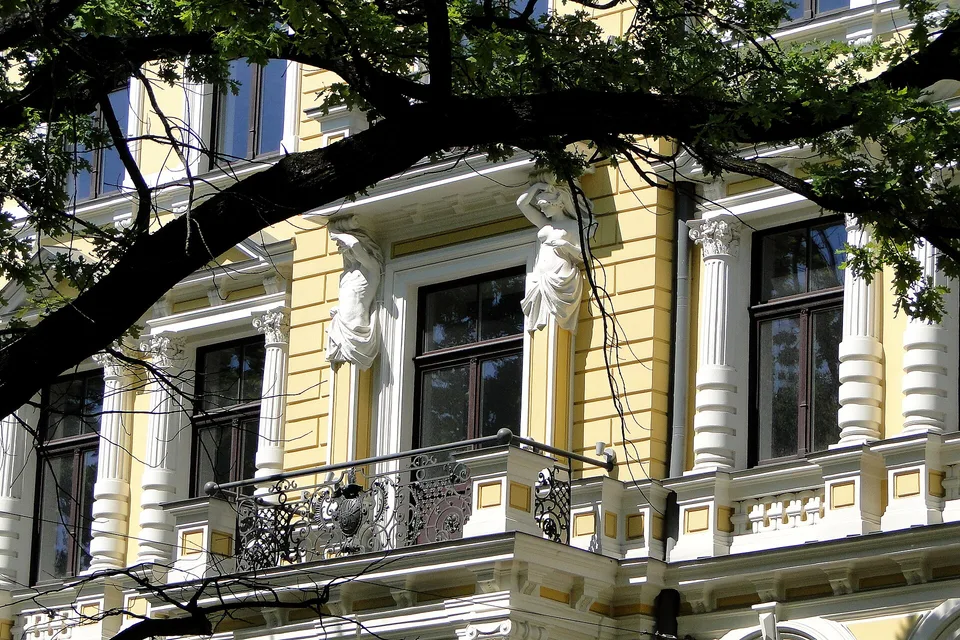
Riga's Art Nouveau architecture belongs to its period of expansion beyond the old centre. Alberta Street is a concentrated place to notice sculpted ornament, projecting balconies and varied rooflines. LiveRiga identifies buildings on the street dating from 1901 to 1908, including several protected as national architectural monuments. A street walk is useful even if you do not visit the museum.
The Riga Art Nouveau Centre occupies Alberta iela 12. The residence was built in 1903 for architect Konstantīns Pēkšēns and designed with Eižens Laube. It presents an apartment interior and a digital exhibition. Treat this as a separate indoor choice, not an extension of the pavement walk. Consult the museum's current visitor information before setting out. Our Alberta Street guide explains what to look for outside and inside.
Use the market as a meal and architecture stop
Riga Central Market is close to the Old Town, river and main transport terminals. Its five large pavilions were adapted from airship hangars and turned into market halls. This unusual structure is a reason to visit even if you are not shopping. Once inside, browse at your own pace and treat stalls as individual businesses rather than assuming every section or product is available at every visit.
Latvian food traditions make the market a practical introduction to regional ingredients. Look for rye bread, smoked fish, preserved vegetables and dairy products, or simply use the halls to understand the city's food culture. The market and Spīķeri route helps join the pavilions to the riverfront. Check current market information before relying on a specific vendor or event.
Cross to the left bank for a different scale
Pārdaugava means the part of Riga across the Daugava from the historic centre. Its wooden buildings, local markets and cultural venues make it a useful contrast to the central stone streets. Kalnciema Quarter gathers restored nineteenth-century wooden buildings at Kalnciema and Melnsila Streets. Its current operator lists public spaces and cultural uses, while the Wooden Architecture Centre explains restoration work.
Āgenskalns offers another left-bank focus around its market and residential streets. Avoid trying to combine every left-bank stop with a full Old Town itinerary. Choose one neighbourhood, check the current market or venue schedule and allow the district to be the point of the visit. Compare Kalnciema Quarter with our Āgenskalns guide.
Choose an excursion after mapping the city route
Jūrmala is an easy regional counterpoint when you want a beach or nature-focused day. The municipality's visitor site describes a rail line running through fourteen stops, from Priedaine to Ķemeri. These are not interchangeable destinations: check the beach guide or nature-area page, select the stop that matches your plan and verify rail schedules with Vivi. See our Jūrmala guide before treating the whole coastline as one place.
- Old Town / boulevard belt: Old Town shows the medieval pattern; the canal parks lead into Riga’s later expansion.
- Market halls / Spīķeri: Treat the Central Market as a food stop and Spīķeri as a former warehouse quarter.
For an initial visit, prioritise the Old Town, the canal-side transition and either Alberta Street or the Central Market. Add Pārdaugava if you have another half-day. That selection gives a better sense of Riga's different urban layers than a long list of quick photo stops.
Choose depth over collecting districts
One practical way to improve a Riga sightseeing plan is to decide what you want to understand, not simply how many places to photograph. The Old Town works as a connected street walk. The canal and Freedom Monument explain the later boulevard landscape. Alberta Street rewards slow attention to architecture, while Central Market offers a more everyday view of food and trade. Pick two of these themes for a day, then use the third day for a left-bank area or Jūrmala.
Visitors who enjoy interiors should choose a museum that adds context to the street route. The Art Nouveau Centre gives a domestic interpretation of the style; other city museums have their own collections and schedules. Confirm those details with the institution. If indoor exhibits are not a priority, spend more time outdoors comparing neighbourhoods and save the museums for poor weather.
Riga's public spaces are part of the sightseeing, not empty gaps between ticketed attractions. Canal parks, squares and the river edge help explain how the city developed around its trading centre. A relaxed walk through these places can be more informative than several rushed entries. Use transport when a route crosses into another district, and keep the rest of the day on foot.
Where it is
- 1Riga
- Riga International Airport (RIX) · about 9 km from Riga in a straight line
- Directions in Google Maps
Stations and taxi ranks: OpenStreetMap. Airports: OurAirports. Distances are in a straight line.
Traveller tips
Real advice from people who have been to Riga. Every tip is read by our team before it goes live.
No tips yet. Been here? Yours could be the first.
Thank you! Your tip will appear here after a quick review.
More in Riga
Continue exploring Riga with related neighbourhood, food, and planning guides
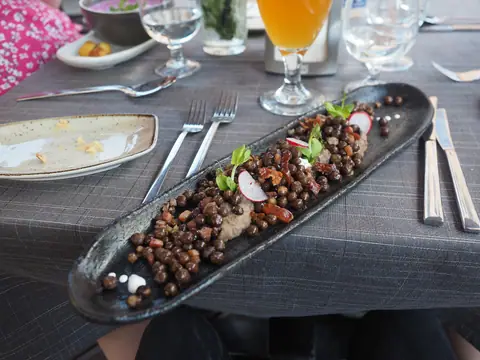
What to Eat in Riga: Rye Bread, Grey Peas, Smoked Fish and Market Produce
Riga, Latvia
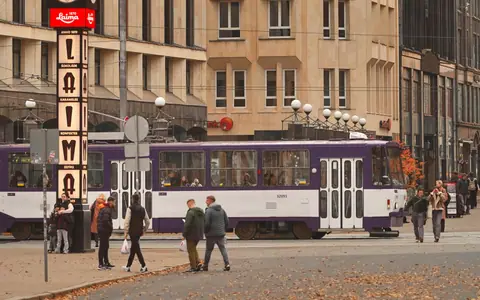
Getting Around Riga: Trams, Trolleybuses, Bus 22 and Ticket Registration
Riga, Latvia
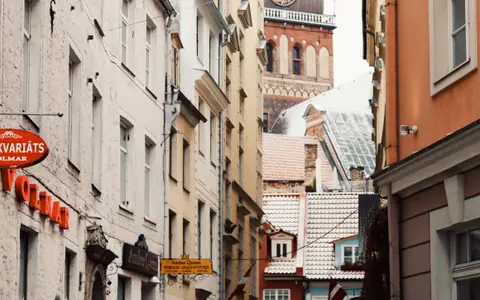
Old Town Riga: UNESCO Streets, Market Squares and Church Towers
Riga, Latvia
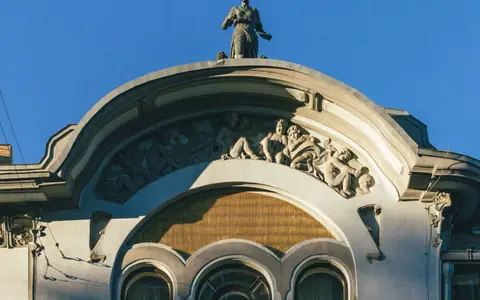
Alberta Street, Riga: Art Nouveau Facades and the Pēkšēns Museum
Riga, Latvia
