Best Time to Visit Toronto
Which season suits which kind of trip, and when the crowds arrive.
Short answer: late spring or early autumn gives the most reliable mix of mild weather, open patios and manageable crowds. Summer is lively but humid, and winter is cold, so each season rewards a different kind of trip.
Summer: festivals and island days
From June to August the city lives outdoors. The Toronto Islands are at their best, with beaches, bike paths and the ferry full of locals, and the waterfront at Harbourfront hosts free events. Neighbourhood patios run late, and the lakeside beaches in the east are ready for swimmers. Expect humidity, heat spells that sometimes reach the thirties Celsius, and sudden thunderstorms that clear quickly. Hotels fill, so book ahead, and use air conditioning breaks in museums or the PATH. Summer is also when large festivals take over the streets, including Pride in June and the Caribbean carnival around the start of August, so check official calendars if you want to join or avoid them.
Autumn: colour and calmer streets
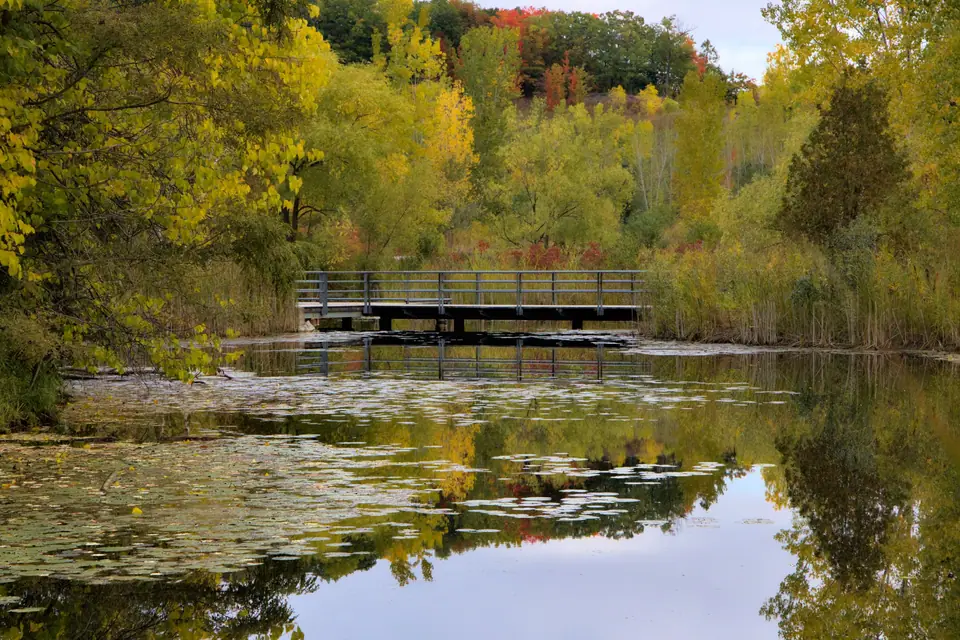
September is arguably the best month, with warm days and cooler nights, though the film festival takes over parts of downtown and some hotels become expensive. October brings colour to the parks and the ravines, especially High Park and the Don Valley around Evergreen Brick Works. Weather becomes changeable, so pack layers. By November the days are short and the trees are bare, but museums and food markets run comfortably, and our winter and Christmas guide picks up from there.
Winter: a real Canadian season
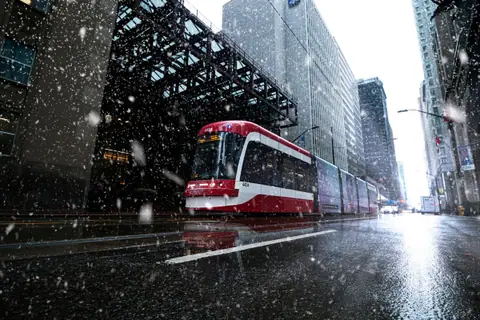
Toronto's winter is cold, grey in patches and often snowy, with a wind off the lake that makes a freezing day feel harsher. It is not a reason to stay away. Skating rinks open in public squares, the Distillery's winter market is atmospheric, and indoor days are easy thanks to museums and the underground PATH network. Heavy snow can slow streetcars and flights, and ice makes pavements slippery near the lake, so leave a margin on travel days. Visitors should read our guide on what to wear before packing, because the right coat changes everything. Winter is also the season for hockey and basketball at home arenas, and accommodation can be easier to find outside the holiday weeks.
Spring: the slow thaw
March and early April are unpredictable, with slush, grey skies and a sudden warm day that tempts everyone outside. Real spring arrives in late April and May, when cherry blossoms appear in High Park and the patios reopen. The islands run again at full strength, and prices ease before the summer rush. This is a fine time for walkers who want the city before the heat. Bring a waterproof jacket, because rain is common.
Big events and crowds
Weather is only half of the decision, so think about what you want to see before choosing a month.
The busiest periods follow the calendar: summer holidays, the late-summer exhibition, the film festival in September, and the weeks around Christmas. Home games for the Blue Jays, Maple Leafs and Raptors also fill hotels and the subway, as the sports guide explains. Tickets and dates change each year, so rely on official sites. If crowds bother you, aim for May, early June or the middle of October, and plan a few mornings at the CN Tower or popular museums on weekdays. For a general overview, see our travel guide.
Our own pick for a first visit is the last week of May or the first half of June: the trees are in leaf, the islands are open and the evenings are long, while the peak summer crowds and heat have not yet arrived. For a second trip, try October for the colour or a mid-winter weekend built around skating and museums.
Traveller tips
Real advice from people who have been to Best Time to Visit Toronto. Every tip is read by our team before it goes live.
No tips yet. Been here? Yours could be the first.
Thank you! Your tip will appear here after a quick review.
More in Toronto
Continue exploring Toronto with related neighbourhood, food, and planning guides