Distillery Historic District Guide
Victorian distillery buildings turned into a car-free district of lanes and galleries.
The Distillery Historic District covers the former Gooderham and Worts distillery, which began in 1832 as a windmill and grew into one of the largest distilleries in the British Empire. Production stopped in the 1990s, and the site was saved from demolition and reborn as a pedestrian district of cafés, galleries, studios, shops and a theatre. It is often described as having the best-preserved group of Victorian industrial buildings in North America, and its status as a national historic site backs that up.
What you see
The charm is in the details. Tall red-brick warehouses, iron fittings and chimney stacks line cobbled lanes, with names that recall the work done here: Tank House Lane, Case Goods Lane and Trinity Street. Old rail tracks are set into the paving, and large metal pipes and tanks have been left in place. Old buildings house independent shops selling jewellery, ceramics and chocolate, and cafes operate in former fermenting cellars. Public sculpture and murals sit in the courtyards.
The district is also an arts site. A resident theatre company performs in a converted tank house, and galleries rotate exhibitions, so check the official site for current programmes. Small craft breweries and distillery-style bars carry on the site's drinking history, though most visitors treat them as stops rather than the reason to come.
When to come
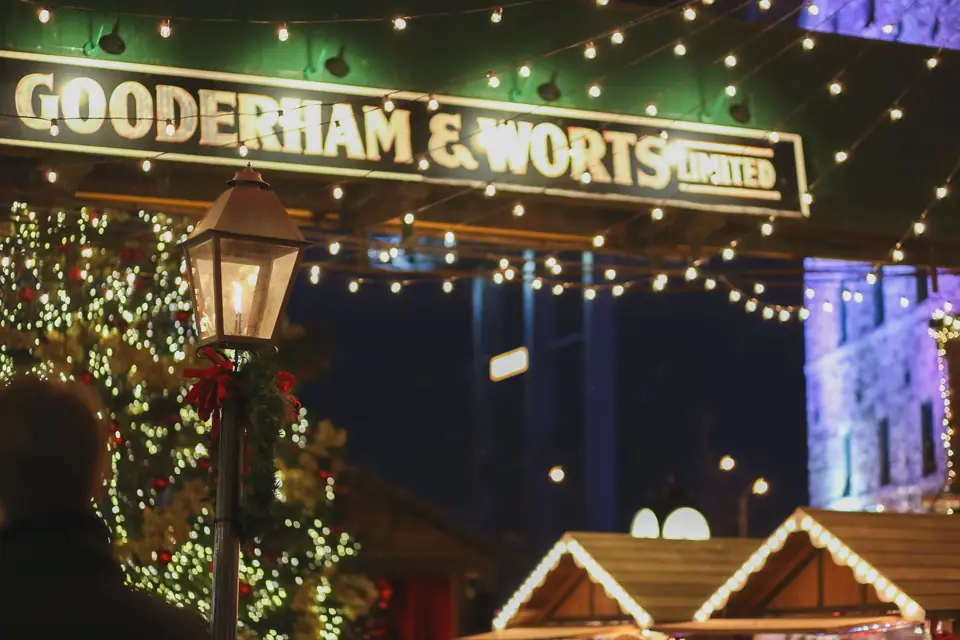
The best moment is late afternoon on a weekday, when the light warms the brick and the lanes are not crowded. Weekends are busy, with wedding parties photographing the lanes and families strolling, and the district can feel like a film set. Come in the evening if you want a meal and lit lanes, but the architecture reads better in daylight. In winter the district holds a seasonal market with lights and a large tree, which we describe in our winter and Christmas guide. The market draws large crowds, so go on a weekday and wear warm boots, as cobblestones become slippery.
How to reach it
The district lies about two kilometres east of Union Station. You can walk through Old Town in about half an hour, or take a streetcar along King Street and walk the last stretch. Our getting around guide explains the streetcar and how to pay. The cleanest plan is lunch at the St. Lawrence Market, a walk east and the Distillery in the afternoon.
The streets are pedestrian only, so you can wander freely, though the cobbles are hard on heels, strollers and wheelchairs. Cyclists need to dismount, and pedestrians should keep to the edges when a delivery vehicle or service cart crosses the lanes.
Who it suits and what to skip
This area is ideal for couples, photographers, shoppers who like handmade goods and anyone who prefers a historic setting to a big museum. It is less interesting if your day is short and your list is long, because the lanes can be seen in an hour or two. Be cautious about the shops: much of the shopping is gift-oriented and a little polished, and our shopping guide points to areas with more local character. Likewise the restaurants are pleasant but not the city's most inventive; for that, look at our food guide and the nightlife guide.
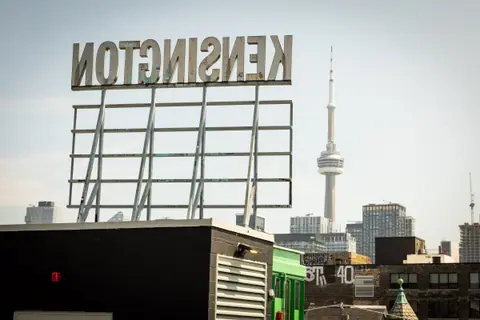
Photographers should look for the contrast between rust, brick and fresh paint, and for the angles on the western edge where the lanes frame the CN Tower. Wear shoes you trust, since cobbles make tripping easy, and keep clear of wedding and film shoots when they appear.
If you want a historic feel and an easy afternoon, pair this with the market and Old Town, and leave the rest of the day free. It rewards a slow walk rather than a checklist.
Traveller tips
Real advice from people who have been to Distillery Historic District. Every tip is read by our team before it goes live.
No tips yet. Been here? Yours could be the first.
Thank you! Your tip will appear here after a quick review.
More in Toronto
Continue exploring Toronto with related neighbourhood, food, and planning guides