Shopping in Toronto
Where to shop in Toronto by area and what makes a worthwhile souvenir.
Toronto shopping works best when you match the area to the kind of shopper you are. The city has large downtown malls, polished luxury streets, creative independent strips and a few markets, and each one is in a different neighbourhood. You can cover the main ones without a car.
The main shopping districts
- Eaton Centre and the PATH. The long glass-roofed mall between Dundas and Queen subway stations is the most practical mainstream choice, with familiar chains and department stores. Connected underground walkways extend the shopping under downtown, which is handy on cold or wet days.
- Yorkville. The luxury end, with designer boutiques along Bloor Street (nicknamed the Mink Mile), art galleries and expensive cafés. See our Yorkville guide.
- Queen Street West. Independent fashion, design stores, music and bookshops run block after block, with the further west reaches getting more creative. The Queen West guide has the details.
- Kensington Market. Vintage clothing, record shops and eccentric one-off stores, mixed with food stalls. Browsing here is part of the fun, and the Kensington Market guide shows how to combine it with lunch.
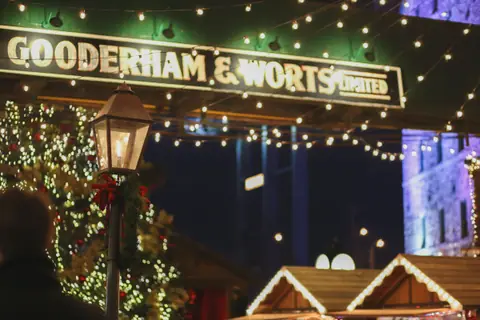
- The Distillery District. Boutiques, galleries and craft studios in restored Victorian industrial buildings, pedestrian only and pleasant for a slow browse.
What to buy
The most useful souvenirs are connected to the place. Think maple syrup and other Canadian food products from St. Lawrence Market, books by Canadian authors, design objects from local makers, team merchandise from the hockey, baseball or basketball clubs, and clothing by Canadian brands. For Indigenous art, look for work sold directly by Indigenous artists or galleries that credit them, rather than mass-produced items sold as souvenirs. Museum shops at the ROM and AGO are dependable for gifts and books, and give a more considered choice than the stalls outside the main attractions.
What to skip
We would skip spending a whole short trip in generic chain stores that you could visit at home. The main malls are useful for specific needs, such as a missing winter layer or a charger, but they tell you little about Toronto. The tourist stalls near the major attractions often sell imported trinkets, and a bookshop or market gives you something more personal. Large outlet malls outside the city need a car and a half day; unless bargain hunting is your main purpose, they are not a sensible trade for a day of sightseeing.
Markets and food shopping
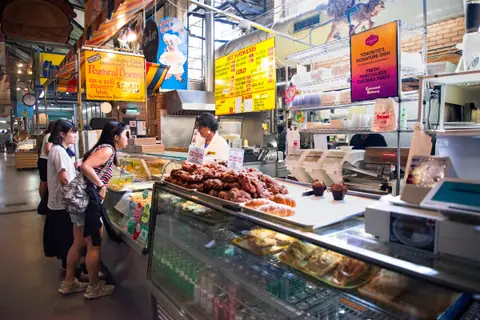
Not every purchase is a shirt. St. Lawrence Market is the place for edible gifts, and the Distillery's chocolate and craft studios fill in the rest. Neighbourhood bakeries on Roncesvalles and in Little Italy make better edible souvenirs than airport shops, though remember that fresh food rules apply when you cross borders.
How to plan it
Use shopping as a flexible block rather than the centre of the trip. Pair Yorkville with the Royal Ontario Museum nearby, and Queen West or Kensington with an afternoon of food and walking. Shop the Eaton Centre during a wet or very cold spell, when outdoor plans are hard.
A few practical points: sales tax is added at the till rather than shown in the shelf label, so the final amount is higher than the tag. Most shops accept cards and phones. Opening times vary by area and season, with holidays changing the pattern, so check a shop's official site before building a plan around it. Boxing Day, the day after Christmas, is a big sale tradition, and it is crowded; if you dislike queues, avoid it. Visitors from outside Canada should check current rules on tax refunds and on bringing goods home through customs.
Traveller tips
Real advice from people who have been to Shopping in Toronto. Every tip is read by our team before it goes live.
No tips yet. Been here? Yours could be the first.
Thank you! Your tip will appear here after a quick review.
More in Toronto
Continue exploring Toronto with related neighbourhood, food, and planning guides