Best Things to Do in Toronto
Thirteen things to do in Toronto, what to skip and how to group them by area.
Toronto's attractions are spread across the whole city, so the order below follows geography as much as popularity. Start at the lake, work north through the museums, and finish in the neighbourhoods where the city's food and street life live.
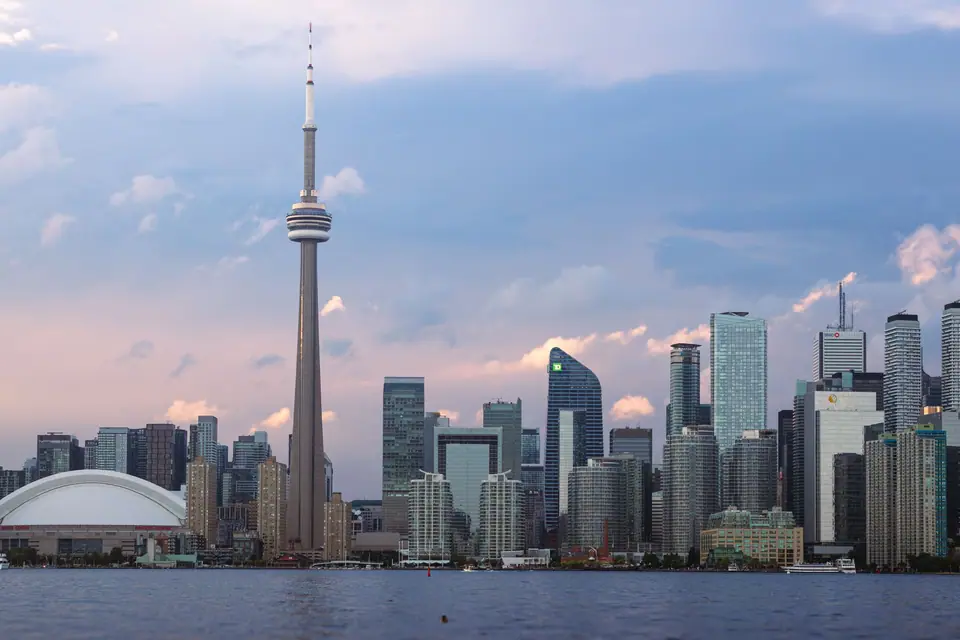
- CN Tower. The skyline's anchor, with a glass floor and a view that can stretch across the lake on a clear day. Pick a bright morning and read our CN Tower guide before you book.
- Ripley's Aquarium of Canada. A walk-through shark tunnel at the foot of the tower, which suits children and rainy afternoons. The aquarium guide explains how to avoid the busiest periods.
- Toronto Islands. A short ferry from the downtown waterfront to car-free parkland, bike paths and the best skyline photographs. Treat it as a half-day. See the islands guide.
- Harbourfront. Boardwalks, public art, cultural venues and harbour boats along the lake. It is an easy low-effort stroll between bigger stops.
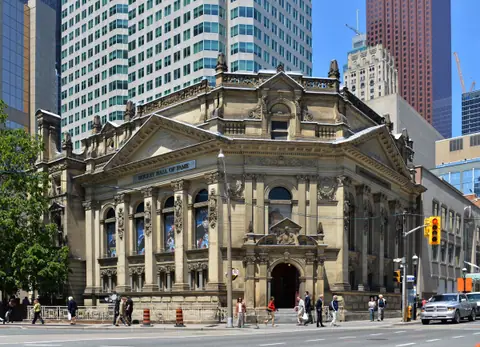
- Hockey Hall of Fame. The sport's national shrine, housed in a former bank hall in the financial district. Fans will love it, and others can skip it.
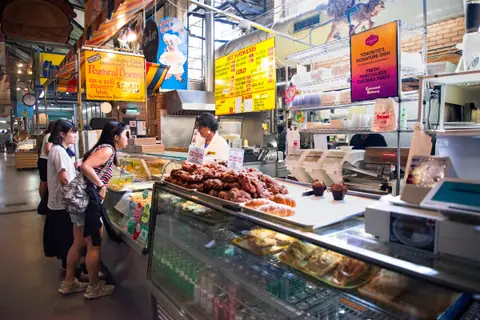
- St. Lawrence Market. Food stalls under one roof, plus the Old Town streets around it. Come hungry, and read the market guide for what to eat.
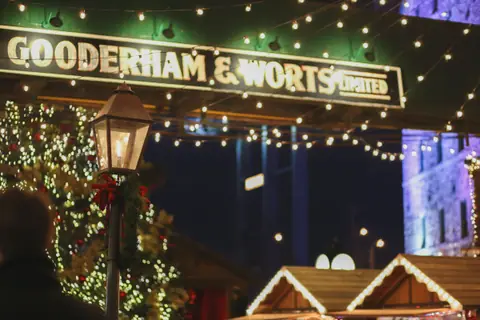
- Distillery Historic District. Victorian industrial brick, now pedestrian-only streets of galleries, cafés and shops. Our Distillery guide compares seasons.
- Royal Ontario Museum. Natural history, world cultures and a dramatic crystal-shaped extension. The deepest rainy-day option; see the ROM guide.
- Art Gallery of Ontario. A large collection that includes strong Canadian and Indigenous art, near Chinatown. Our AGO guide helps you choose a floor.
- Casa Loma. A hilltop castle built in the early twentieth century, with towers, tunnels and gardens. Fun, if a little theatrical.
- Kensington Market. Vintage shops, cheese counters, Latin American food and murals in a tight grid of lanes. Walk it, rather than rushing through. Details are in the Kensington Market guide.
- Chinatown. Dense Spadina and Dundas blocks of bakeries, grocers and noodle shops. Pair it with Kensington for a full food day; see Chinatown.
- High Park. Wooded trails, a pond and a famous cherry blossom display in spring. A relaxing counterweight to museum days; see the High Park guide.
- Evergreen Brick Works. A former brick factory in the Don Valley turned into a community venue with ponds, trails and a weekend food market in season. It rewards anyone who wants green space without leaving the city; see Evergreen Brick Works for the walking links.
What we would skip: any itinerary that stacks three ticketed towers or exhibits in one day. Most visitors only need one major paid stop per half-day, with a neighbourhood walk in between. Wax museums and generic downtown souvenir shops add little that Kensington or the Distillery will not do better. The same goes for repeating the tower view at night after a daytime visit, unless the skyline lights are the whole reason for your trip.
How to group days: keep the lake and the skyline together (tower, aquarium, harbourfront, then islands on a clear day). Put the museums and Yorkville on one day, and give Kensington, Chinatown and the AGO to the west side. Old Town, the market and the Distillery make a natural eastern morning. Our 3-day itinerary follows that pattern, and anyone with more days can add the Beaches, Leslieville or Casa Loma without crossing the city twice. Weather should set the order. Put the islands, High Park and the tower on the clearest days, and save the museums, the market and the PATH for cold or wet ones. A flexible plan beats a perfect one in a city where the forecast can change by lunchtime.
Traveller tips
Real advice from people who have been to Best Things to Do in Toronto. Every tip is read by our team before it goes live.
No tips yet. Been here? Yours could be the first.
Thank you! Your tip will appear here after a quick review.
More in Toronto
Continue exploring Toronto with related neighbourhood, food, and planning guides