Toronto Chinatown Guide
A working Chinatown around Spadina and Dundas, best walked between the AGO and Kensington Market.
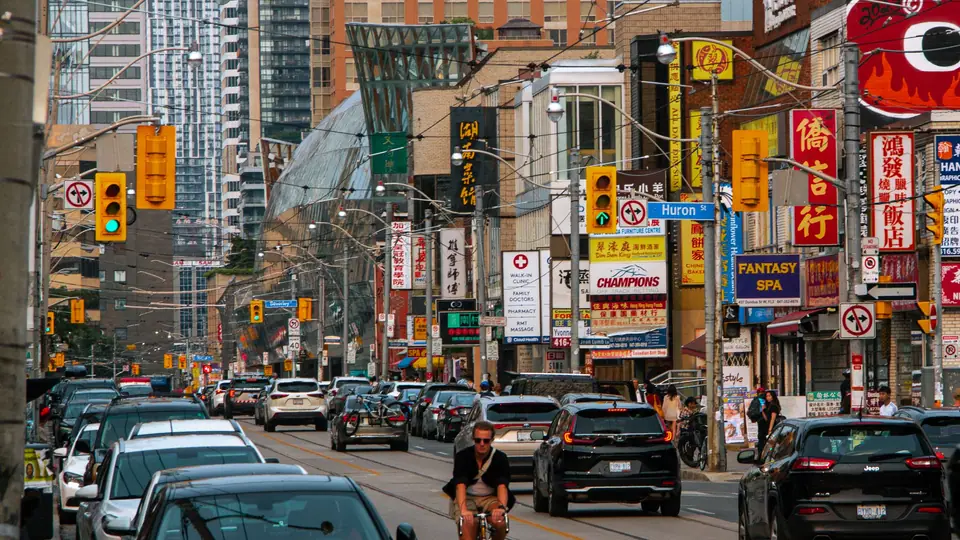
Toronto's main Chinatown is the stretch of Spadina Avenue and Dundas Street West around their crossing, a short walk west of the Art Gallery of Ontario. It is a working neighbourhood before it is a sight. Produce spills onto the pavement, signs run in Chinese and English, and you step round trolleys and delivery boxes on narrow sidewalks. Come hungry and without a rigid plan, and use it as the middle of a west-side day with Kensington Market on one flank.
The first downtown Chinatown stood further east, around Elizabeth Street, until the land was cleared for the new City Hall and Nathan Phillips Square. The community moved west to Spadina, and later large Chinese communities grew in suburbs such as Scarborough and Markham. That is why many Torontonians will tell you the most ambitious Chinese restaurants are now outside the downtown. Spadina is the one you can reach on foot from the gallery district, and the one with the densest mix of shops.
A route that works, about two hours with a meal:
- Grange Park. Start behind the AGO, where Henry Moore's large bronze sits on the lawn, and get your bearings before the crowds.
- Dundas Street West. Walk west. Bakeries and herbal shops begin to appear before you reach Spadina.
- The crossing. Stand at Spadina and Dundas and look in all four directions. Streetcars, shoppers and stacked fruit boxes tell you everything about the district.
- A Cantonese bakery. Try a barbecued pork bun or an egg tart (dan tat), both cheap to share and easy to eat standing up.
- The greengrocers and fish shops. Look for gai lan (Chinese broccoli), tropical fruit, dried mushrooms and tanks of live fish. Buying a single piece of fruit is fine and nobody minds.
- The indoor mall on the corner. It holds small shops, a food court and the sort of stalls that disappear from the street in winter.
- A proper meal. Choose dim sum, a noodle house or a Vietnamese pho shop. The area covers more than Cantonese cooking, and the Vietnamese places are among the most reliable.
- North along Spadina to Baldwin Street. Turn west and you are in Kensington, ten minutes from where you started.
When to come
Weekday late mornings are calmest for browsing groceries. Weekends fill up fast, especially around the main crossing at midday, and dim sum rooms often have a wait then. Evenings suit noodles and hot pot, though the street is quieter after the shops close. Lunar New Year brings lion dances and extra crowds on Spadina, but the dates move each year, so check a local events listing. Carry a little cash for the smaller bakeries and stalls, since not every counter takes cards.
Who it suits, and what to skip
Chinatown rewards people who like markets, ingredients and eating by pointing. If you want a ceremonial gate, a pagoda and a tidy tourist street, you will be disappointed; this is ordinary city life, with traffic, noise and queues at the bus stops. Skip the souvenir shops that sell generic Toronto magnets, and skip any plan to see the district in twenty minutes between museum slots.
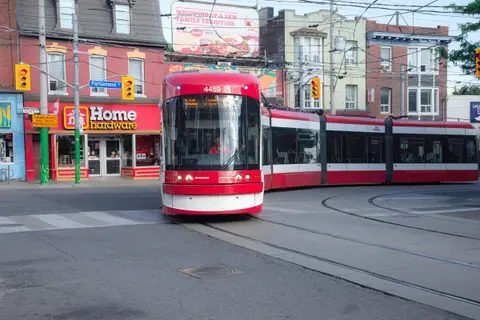
The 510 Spadina streetcar runs along the main street and links the area with the subway at Spadina station and with Union Station, which makes this an easy half-day from downtown. Our getting around guide explains how streetcars and the TTC fit together. After lunch you can continue south to Queen Street West for shops and galleries, and the Toronto food guide places Chinatown beside the other neighbourhood cuisines. If you are building a full trip, it slots naturally into day two of the 3-day itinerary.
Traveller tips
Real advice from people who have been to Toronto Chinatown. Every tip is read by our team before it goes live.
No tips yet. Been here? Yours could be the first.
Thank you! Your tip will appear here after a quick review.
More in Toronto
Continue exploring Toronto with related neighbourhood, food, and planning guides