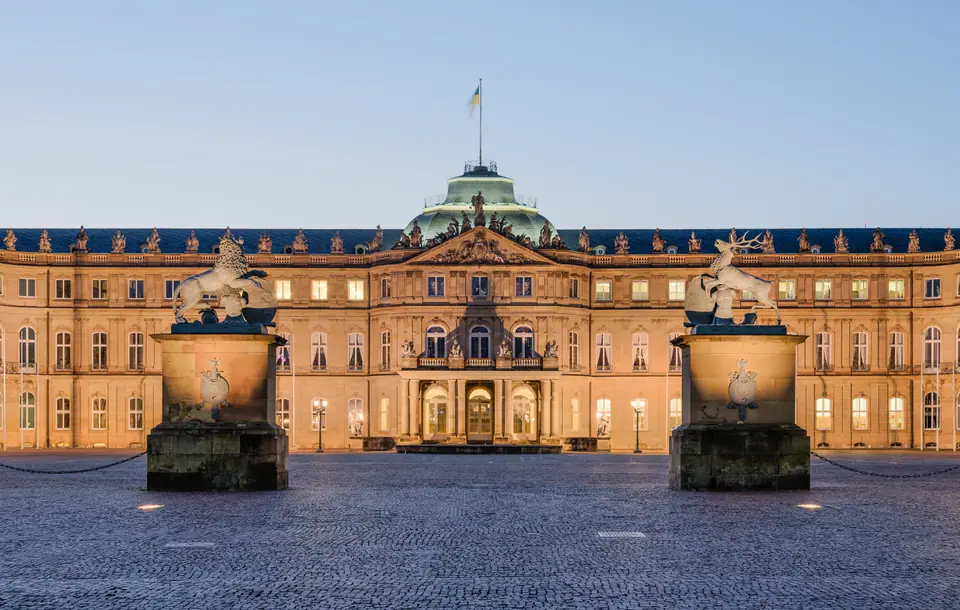
Photo: Julian Herzog (Website) · CC BY 4.0
Stuttgart
Vineyard slopes, rack railways, mineral springs, modernist UNESCO housing, and two heavyweight automotive museums packed inside southwestern Germany's green kettle valley.
Quick decisions
How many days?
Two to three full days cover the central basin, both automotive museums, Weißenhofsiedlung, a wine-slope walk, and Ludwigsburg.
Where should we stay?
Pick Stuttgart-West around Feuersee for flat leafy streets, Mitte for downtown museums, or Bad Cannstatt near mineral pools and S-Bahn rails.
Do we need a car?
No, and driving creates diesel-ban headaches. Citywide green emissions stickers apply, Euro 4 diesels are barred outright, and Euro 5 diesels face inner-basin bans.
Getting around?
Unified VVS tickets cover S-Bahn, Stadtbahn U-Bahn, buses, the 1884 Zacke rack railway, and the 1929 Heslach wooden funicular.
What needs booking?
Reserve Mercedes-Benz Museum and Porsche Museum timed entry slots on busy weekends, plus palace-interior tours at Residenzschloss Ludwigsburg.
Spending less
Use StuttCard PLUS (24, 48, or 72 hours) for bundled VVS travel and attractions, climb free vineyard Stäffele staircases, and walk Birkenkopf for views.
What should we eat?
Order Maultaschen, Kässpätzle, Linsen mit Spätzle und Saitenwürstle, or Zwiebelrostbraten paired with chilled Trollinger inside a seasonal Besenwirtschaft.
Overview
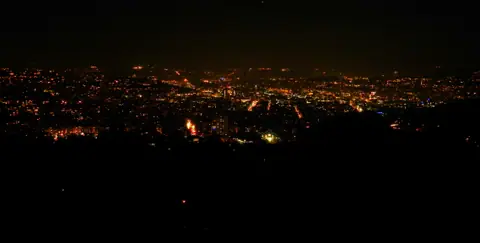
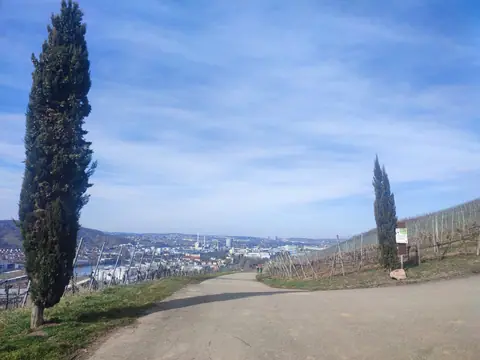
Few major European industrial capitals sit inside a steep green bowl draped with working vineyards. Downtown Stuttgart occupies the horseshoe-shaped Talkessel basin at roughly 207 metres above the Neckar river. Hills rise to 549 metres around forested ridges and the terraced slopes of Untertürkheim, Rotenberg, and Uhlbach. Settled around 950 AD as a ducal stud farm (Stutengarten), Baden-Württemberg's capital mixes royal palace squares with over 400 hectares of urban vines, more than 400 public staircases known as Stäffele, and Europe's second-largest mineral-spring reserves beneath Bad Cannstatt.
That steep relief shaped engineering just as deeply as wine. Visitors ride Germany's only urban rack railway (the 1884 Zacke) and tour both Bad Cannstatt's Mercedes-Benz Museum and Zuffenhausen's Porsche hall. You can inspect Le Corbusier's UNESCO-listed 1927 Weißenhofsiedlung houses before crossing active construction bridges at Stuttgart Hauptbahnhof, where surface terminus platforms stay active during the Stuttgart 21 overhaul.
Getting there
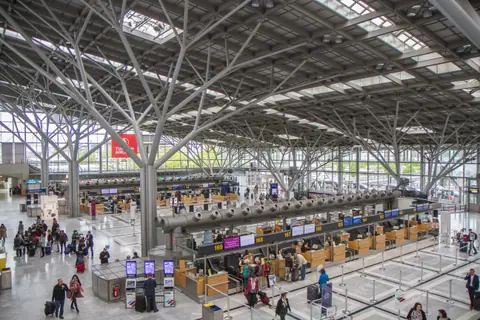
Stuttgart Airport (STR) sits roughly 13 kilometres south of the centre. S-Bahn lines S2 and S3 link Terminal 1 to Stuttgart Hbf tief in 27 to 30 minutes, backed up by direct Stadtbahn line U6. Fast long-distance trains link Hauptbahnhof with Frankfurt in roughly 1 hour 20 to 1 hour 40 minutes, Munich in around 2 hours, Cologne in just over 2 hours, Zurich in roughly 3 hours, and Paris Est in around 3 hours 15 minutes.
Following Deutsche Bahn's June 2026 internal audit, underground commissioning moves across stages from 2027 through 2033. Surface tracks 1 to 16 remain active with fenced walkways adding 10 to 15 minutes for transfers. Check our Stuttgart arrival and transit guide before flying in or parking at outer VVS Park+Ride lots.
Where to stay
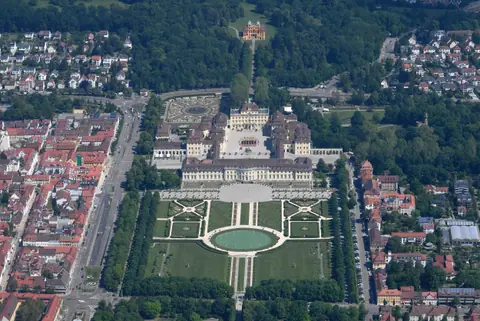
Stuttgart-Mitte (70173, 70182) puts galleries and Markthalle within a flat stroll, though streets around Arnulf-Klett-Platz carry construction detours. Most visitors sleep calmer in leafy Stuttgart-West near Feuersee (70176, 70197), one S-Bahn stop southwest, or in Bad Cannstatt (70372) beside mineral pools and the Mercedes-Benz Museum. Drivers avoiding Euro 5 basin bans often pick Vaihingen (70563) or Airport-Messe (70629).
Things to do
Pair Bad Cannstatt's Mercedes-Benz Museum and Gottlieb Daimler's 1882 workshop with Zuffenhausen's Porsche Museum, keeping separate half-days for each. Climb the 1890 Eugenstaffel steps up to Eugensplatz, ride U7 or U15 to the 1956 Fernsehturm, walk Rotenberg's hilltop Grabkapelle, and take S4 north to Residenzschloss Ludwigsburg.
Food and drink
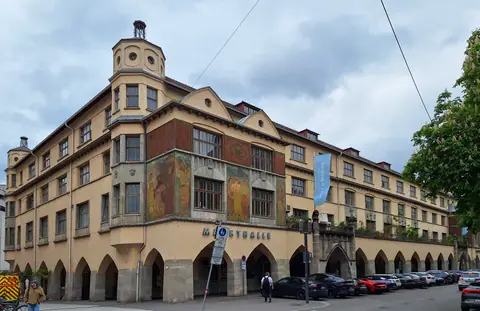
Swabian kitchens build savoury comfort around hand-folded Maultaschen (EU protected since 2009), melted-cheese Kässpätzle, braised lentils with Saitenwürstle, and onion-crowned Zwiebelrostbraten. Sample chilled Trollinger or structured Lemberger inside seasonal vineyard Besenwirtschaft broom taverns and browse 1914 Markthalle stalls on Dorotheenstraße (closed Sundays).
Culture
Beneath Germany's automotive engineering lies an older rhythm tied to seasonal wine fairs, Sonntagsruhe Sunday shop closures, and cash-friendly neighbourhood bakeries. Summers turn humid inside the sheltered valley between May and August showers, while late-summer Stuttgarter Weindorf and autumn Cannstatter Volksfest (founded 1818) fill downtown squares and Neckar meadows.
Weather by month
Stuttgart is warmest in July, with average highs around 25°C, and coldest in January, when nights drop to about -1°C. July is the wettest month by rainfall (84 mm), with rain on about 10 days. For mild weather with fewer rainy days, aim for September.
| Month | Low | Range | High | Rain | Rainy days |
|---|---|---|---|---|---|
| Jan | -1°C | 5°C | 44 mm | 9 d | |
| Feb | 0°C | 7°C | 37 mm | 8 d | |
| Mar | 3°C | 11°C | 44 mm | 9 d | |
| Apr | 6°C | 16°C | 38 mm | 8 d | |
| May | 10°C | 20°C | 78 mm | 12 d | |
| Jun | 13°C | 23°C | 77 mm | 10 d | |
| Jul | 15°C | 25°C | 84 mm | 10 d | |
| Aug | 15°C | 25°C | 74 mm | 10 d | |
| Sep | 11°C | 20°C | 52 mm | 8 d | |
| Oct | 7°C | 15°C | 56 mm | 9 d | |
| Nov | 3°C | 9°C | 53 mm | 9 d | |
| Dec | 0°C | 6°C | 54 mm | 10 d |
Averages of daily values from 2015 to 2024. Rainy days are days with at least 1 mm of rain. Source: Open-Meteo · Compare destinations by month.
Stuttgart on the map
Every place we cover in Stuttgart. Tap a category or pin to explore.
In-depth Stuttgart guides
Browse the guides grouped by topic: sights, neighbourhoods, food, transport, day trips and trip planning.
Sights, Landmarks & Parks
Key monuments, viewpoints, museums and nature trails.
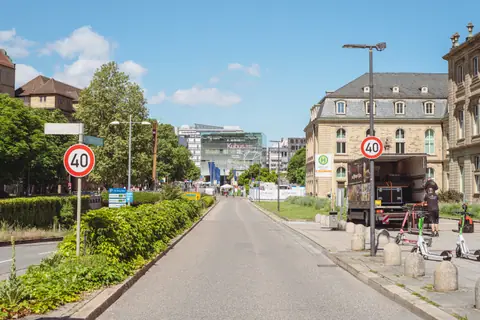
- Two Car Museums, Eugensplatz and Vineyard StairsSide-by-side look at Stuttgart's Mercedes-Benz and Porsche museums, downtown galleries, hillside stairs, concrete TV tower, and Grabkapelle.
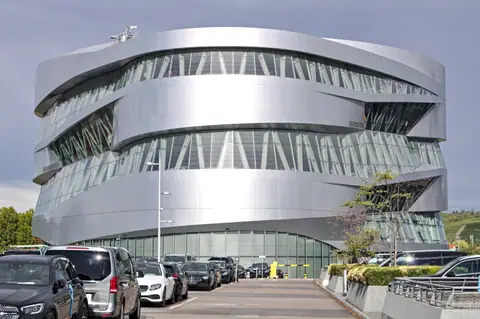
- The Double Helix at Mercedes-Benz and Daimler's WorkshopInside the nine-level UNStudio spiral at Mercedesstraße 100, the 1886 origins, racing Silver Arrows, and Daimler's greenhouse shed.
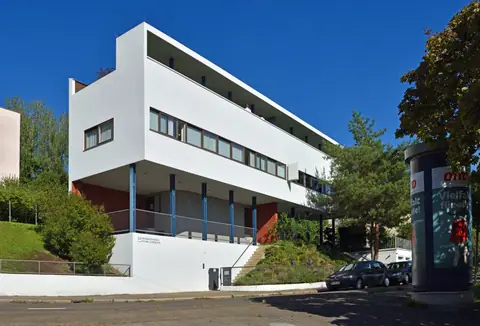
- Weißenhofsiedlung 1927: Le Corbusier and Modern LivingInside the 1927 Werkbund exhibition estate on Killesberg, covering surviving UNESCO buildings, architects, and private-home viewing etiquette.
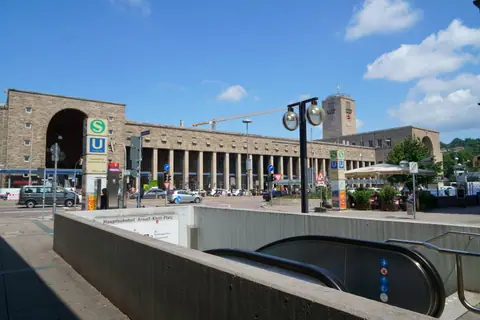
- Bonatzbau Meets Stuttgart 21: Tracks Under the BasinPaul Bonatz's 1928 shell-limestone station, the 28 underground Kelchstützen, June 2026 Deutsche Bahn audit schedule, and passenger walkways.
Neighbourhoods & Where to Stay
Districts, historic quarters and the best bases for your stay.
Food & Drink
Local dishes, markets, cafés and dining districts.
Getting Around & Arrival
Airport transfers, public transit, passes and driving rules.
Day Trips & Excursions
Easy half-day and full-day trips from the city.
Trip Planning & Itineraries
When to visit, what to pack and day-by-day routes.
- Stuttgart in the Kessel: Vineyards, Rack Rails and SteelOrientation inside Stuttgart's kettle valley: vineyards, mineral springs, hillside stairs, cogwheel rail, and basin driving bans.
- Wasen Beer Tents, Wine Villages and Kessel HeatWhen Stuttgart shines and when the valley traps heat: DWD climate normals, Frühlingsfest, August Weindorf, autumn Wasen, and winter markets.
Need your embassy or consulate in Germany? See embassies and consulates in Germany.
Reviews
Log in to write a review.
No reviews yet.