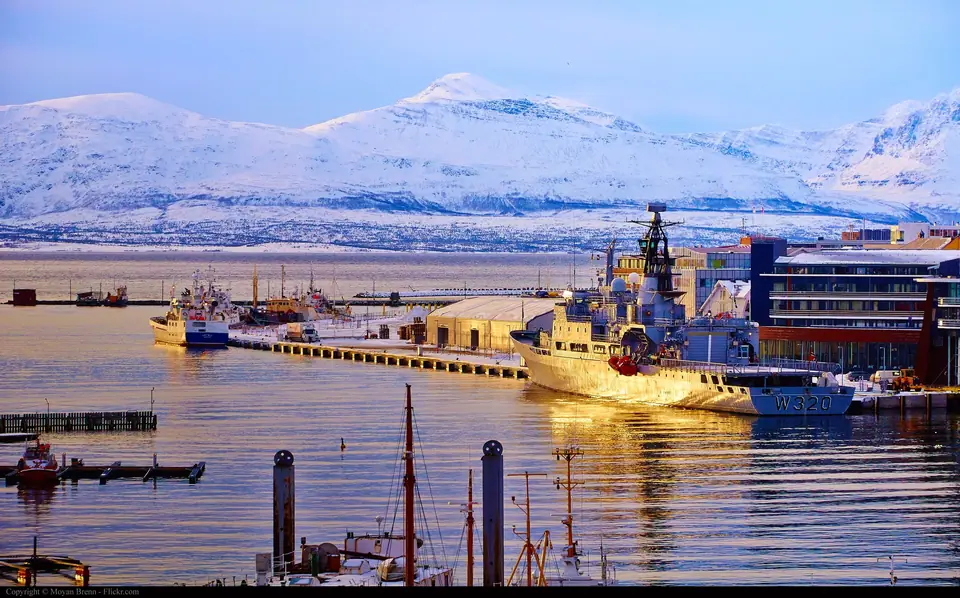
Best Time to Visit Tromsø: Aurora Season, Midnight Sun and Climate
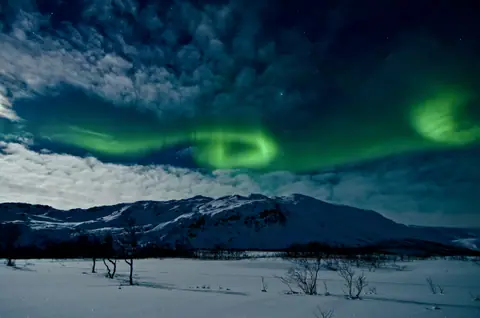
Tromsø has two distinct peak seasons: the dark sky and snow season from October to March for the aurora borealis, and the continuous daylight of 18 May to 25 July for midnight sun hiking.
At 69 degrees 40 minutes north, Tromsø's calendar revolves around shifts in daylight rather than extreme temperature swings. Warmed by a northern branch of the North Atlantic Current, the Norwegian Meteorological Institute station at Vervarslinga on Tromsøya (100 metres above sea level) records 1991 to 2020 monthly mean temperatures ranging from -3.3 °C in February to 12.3 °C in July, a seasonal spread of less than 16 °C. By contrast, daylight swings from zero hours of direct sun during the winter polar night to 24 hours of uninterrupted sunshine in summer; see the aurora borealis and midnight sun guide for viewing locations.
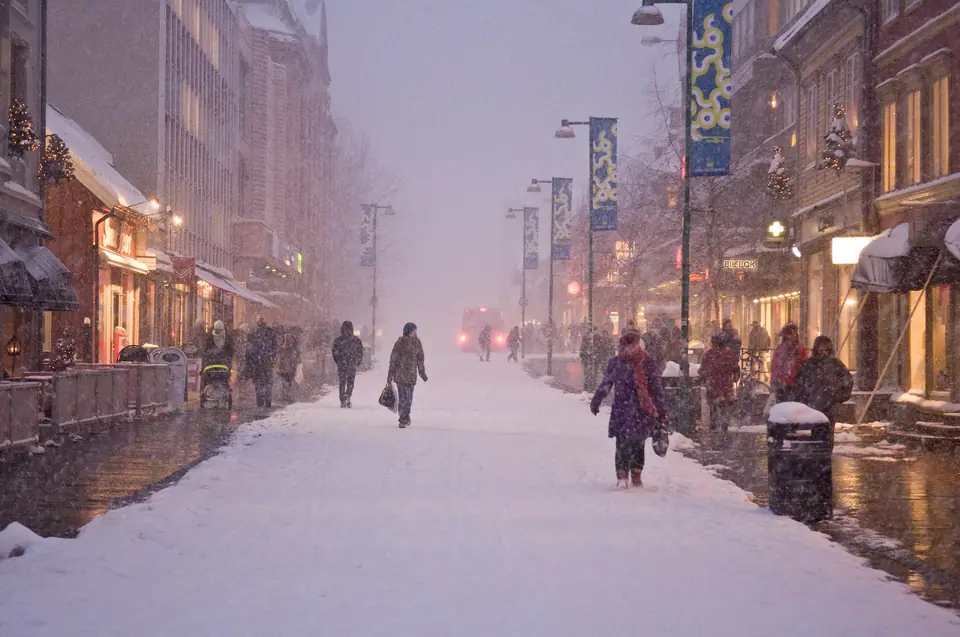
Met Norway 1991 to 2020 Winter and Spring Normals
In deep winter, average daily high and low temperatures at Tromsø (Vervarslinga) stand at -1.0 °C / -5.3 °C in January, -1.2 °C / -5.6 °C in February, and 0.6 °C / -4.4 °C in March. Spring warms gradually through April (high 4.1 °C, low -1.6 °C) and May (high 8.8 °C, low 2.4 °C), while snow accumulated on the ground since October or November typically reaches its deepest level at the beginning of April (the all-time record snow depth hit 240 centimetres on 29 April 1997) before melting down to bare ground near sea level by mid-May.
Summer and Autumn Temperature and Rainfall Normals
Summer brings mild days in June (high 13.0 °C, low 6.2 °C), July (high 16.3 °C, low 9.0 °C), and August (high 15.0 °C, low 8.3 °C), followed by crisp autumn transitions in September (10.9 °C / 5.3 °C) and October (5.2 °C / 0.9 °C). June is the driest month (10.3 precipitation days with at least 1.0 millimetre, 56.2 millimetres total), whereas October is the wettest (17.7 precipitation days, 131.5 millimetres).
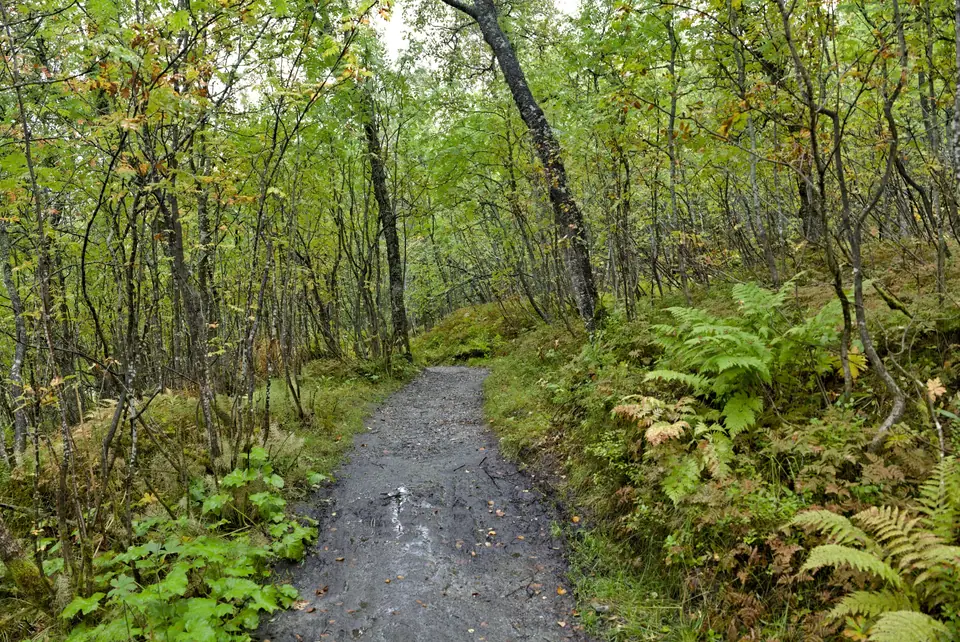
September to Mid-November: Early Aurora and Ice-Free Roads
Night skies darken enough for northern lights viewing from early September while roads across Kvaløya and the Lyngen Alps remain largely free of deep snow and birch woods turn gold around Prestvannet.
Late November to March: Polar Night, Snow and Skrei Season
The sun stays below the horizon from 26 November to 15 January (21 November to 17 January behind mountain ridges), bathing midday in blue civil polar twilight before returning on Soldagen (21 January). February and March combine deep snow cover for dog sledding, cross-country skiing, and winter skrei cod dining with lengthening daytime light and dark nights for the aurora.
Mid-May to August: Midnight Sun and Sherpatrappa Hikes
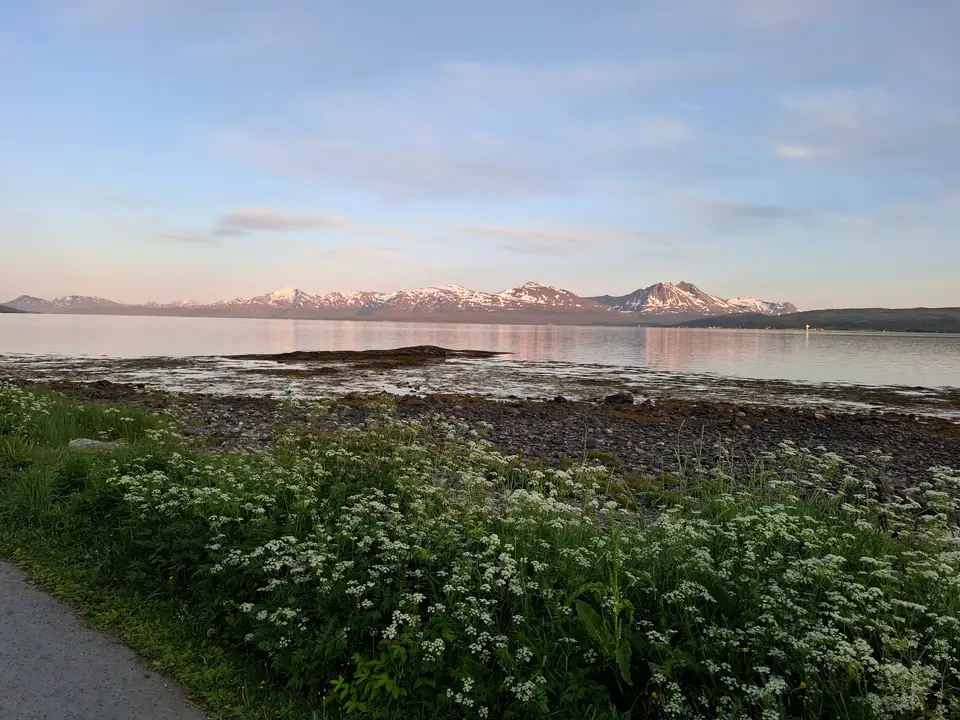
With the sun continuously above the horizon from 18 May to 25 July and averaging about 200 hours of actual sunshine per month in May, June, and July, summer unlocks the 1,203 stone steps of the Sherpatrappa, the flowering rockeries of the Botanic Garden, and hikes to Blåvatnet.
Annual Festivals on Storgata and Telegrafbukta
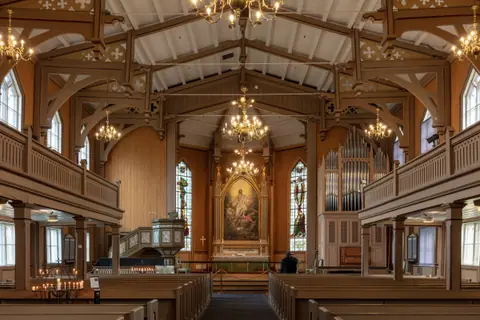
January brings the Tromsø International Film Festival and the Northern Lights Festival (Nordlysfestivalen) concerts inside the Arctic Cathedral; early February hosts Sámi Week and the Norwegian Reindeer Racing Championship on Storgata (since 2005); June stages the Midnight Sun Marathon; and July brings Buktafestivalen to Telegrafbukta.
Travellers looking at a world map are often surprised to discover that Tromsø (situated nearly 350 kilometres north of the Arctic Circle at almost 70 degrees north) experiences far milder winter temperatures than continental locations at the same latitude in Alaska, northern Canada, or Siberia. A warm northern branch of the North Atlantic Current flows directly past the outer islands of Troms county, keeping the sea water open and ice-free year-round and holding the 1991 to 2020 winter monthly mean air temperatures at Vervarslinga around -3.0 °C in January and -3.3 °C in February.
Because maritime air masses meet coastal mountains around Tromsøya and Kvaløya, winter weather alternates between crisp, calm high-pressure days when temperatures dip lower under starry skies and milder Atlantic low-pressure systems that deposit heavy snow across the island. By early April, cumulative winter snowpack regularly blankets parks, birch woods, and rooftops across Tromsøya even as afternoon sunshine stretches late into the evening, creating prime conditions for spring ski touring and outdoor café terraces.
If your primary goal is seeing the aurora borealis, the long dark-sky season from September through early April divides into two distinct experiences. From early September to mid-November, autumn brings mild daytime temperatures, golden birch foliage around Lake Prestvannet and the Botanic Garden, and wet, snow-free asphalt roads that make self-drive day trips across Kvaløya and toward the Lyngen Alps simple, while dark night skies allow green auroral ribbons to reflect off unfrozen fjord water.
From late November through March, deep winter snow transforms the landscape into a bright white arctic scene and unlocks daytime dog sledding, reindeer sled rides, cross-country skiing, and fresh winter skrei cod dining. While the polar night (26 November to 15 January) offers pastel blue midday twilight and long evening windows for aurora chasing, February and March provide balanced winter conditions, combining deep snow cover and dark nights with rapidly returning daytime sunlight across the fjords.
Because weather on an outer coastal island can shift from calm sunshine to snow flurries or brisk sea breezes within an hour, dressing in adaptable layers matters in every season. Between October and April, combine thermal merino wool base layers and a warm mid-layer fleece or wool jumper with a windproof, waterproof outer parka, insulated mittens, a windproof hat, and thick-soled waterproof winter boots. Above all, pack or buy removable metal ice cleats (brodder) at a Storgata pharmacy or sports shop, as freeze-thaw cycles often coat sloping city pavements in smooth ice.
For summer visits between late May and August, pack light breathable hiking layers alongside a windproof rain jacket, a warm sweater for breezy evenings on the Storsteinen mountain ledge or fjord boats, sunglasses, and an eye mask if you are sensitive to bright midnight sun light filtering around hotel curtains at night. Checking the hourly coastal forecast from the Norwegian Meteorological Institute before heading up to Storsteinen or driving out to Sommarøy helps you match your mountain walks, botanical garden visits, and fjord drives to the clearest windows of the day in any month of the year, keeping your daily itinerary flexible against passing maritime showers.
Traveller tips
Real advice from people who have been to Best Time to Visit Tromsø: Aurora Season, Midnight Sun and Climate. Every tip is read by our team before it goes live.
No tips yet. Been here? Yours could be the first.
Thank you! Your tip will appear here after a quick review.
More in Tromsø
Continue exploring Tromsø with related neighbourhood, food, and planning guides