


























Things to Do in Tromsø: Top Arctic Landmarks, Museums and Fjords
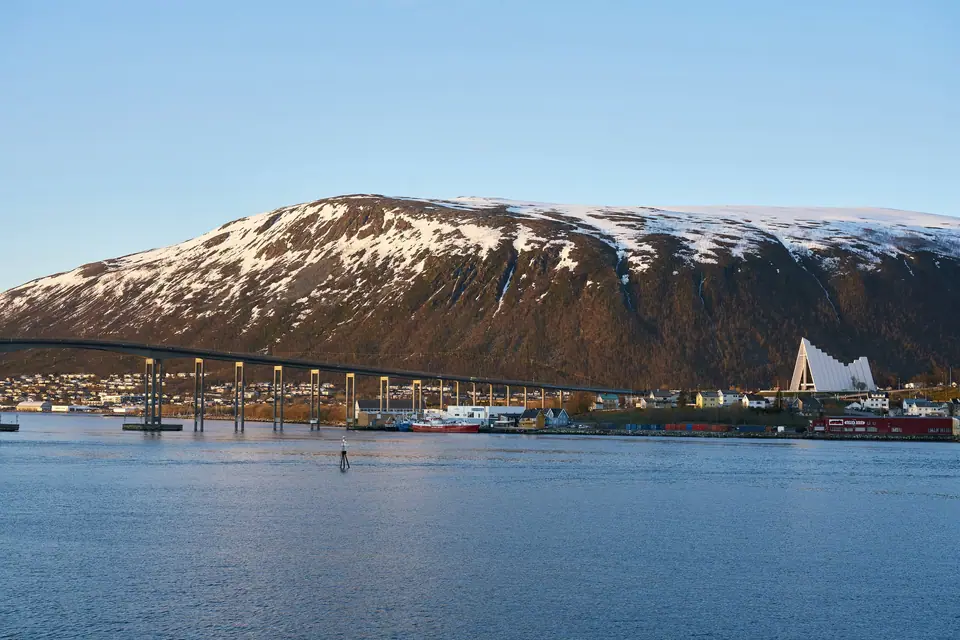
Tromsø's main sights cluster within walking distance along the eastern shore of Tromsøya and directly across the Tromsø Bridge in Tromsdalen, where the Arctic Cathedral and Fjellheisen cable car stand.
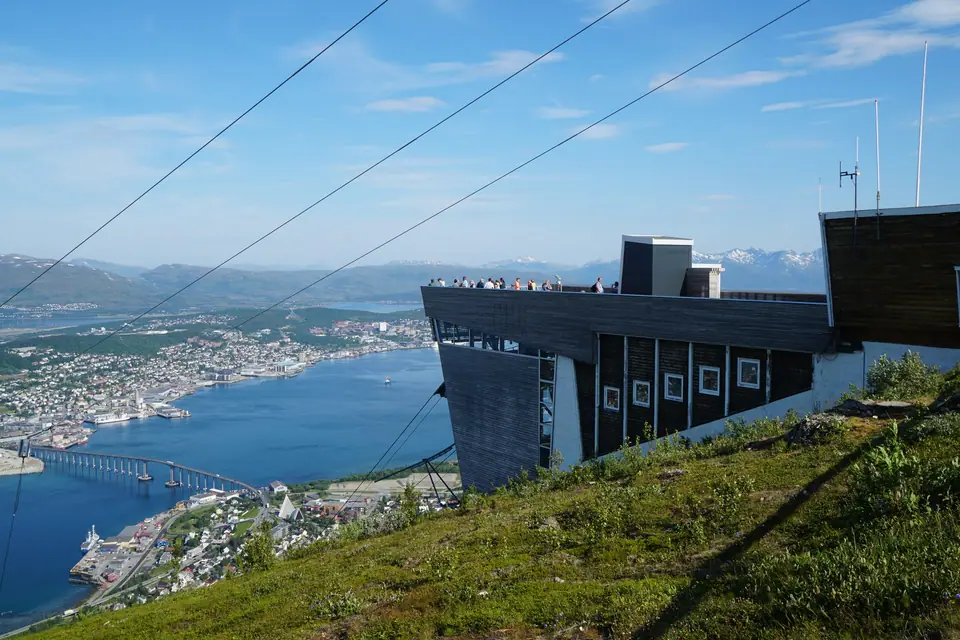
Tromsø divides its headline sights between the historic waterfront of Tromsøya island and the mainland valley of Tromsdalen across the 1,036-metre Tromsø Bridge. On the island side, a 1.5-kilometre waterfront corridor links the 1789 timber tollhouse at Skansen and the red warehouses of the Polar Museum in the north with the 1861 wooden Tromsø Cathedral, the 1877 Mack Brewery cellars, the tilted concrete slabs of Polaria, and the 1949 sealing ship MS Polstjerna in the south. Across the strait in Tromsdalen stand Jan Inge Hovig's 1965 Arctic Cathedral and the 1961 Fjellheisen cable car up to the 421-metre Storsteinen ledge. For a structured multi-day plan, consult the Tromsø 3-day itinerary.
Tromsdalen Landmarks: Arctic Cathedral, Fjellheisen and Sherpatrappa
- Arctic Cathedral (Ishavskatedralen): Consecrated on 19 December 1965 and designed by architect Jan Inge Hovig, Tromsdalen Church is formed by 11 aluminium-coated lamellar concrete roof plates on each side and features Victor Sparre's 1972 eastern glass mosaic The Return of Christ along with a 42-stop, 2,940-pipe organ completed by Ryde & Berg in 2005; read the Arctic Cathedral and Tromsø Bridge guide.
- Fjellheisen and Storsteinen: Opened on 22 February 1961 by Brødrene Jakobsens Rederi, the aerial tramway climbs from 50 metres in Tromsdalen to the Fjellstua upper station at 421 metres on Storsteinen in four minutes. Hikers can also ascend the 1,203 stone steps of the Sherpatrappa built by Nepalese Sherpas between 2016 and 2019; see the Fjellheisen and Sherpatrappa guide.
Waterfront Museums: Polaria, MS Polstjerna and the Polar Museum
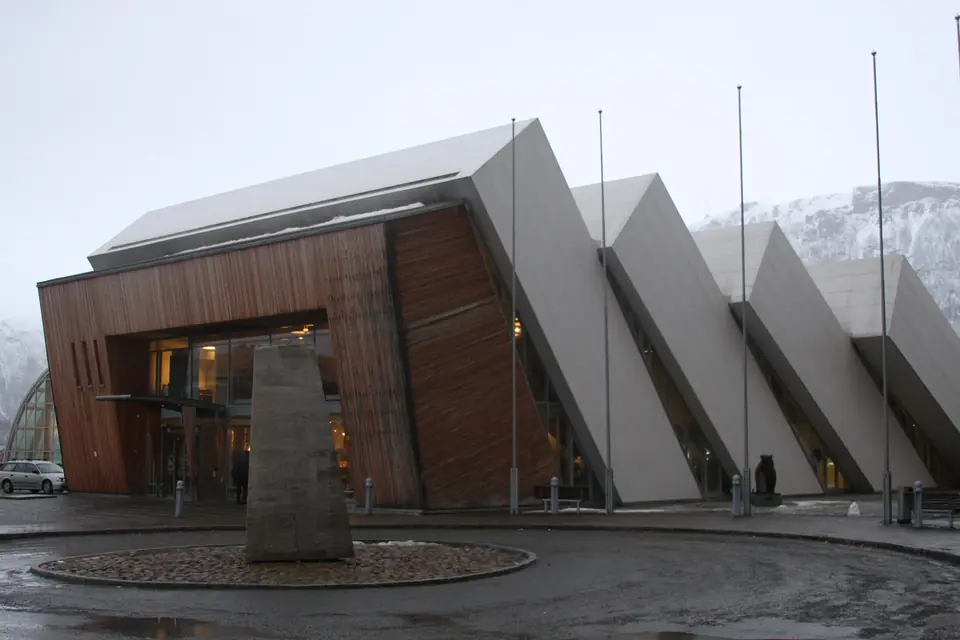
- Polaria and MS Polstjerna: Opened in May 1998 in a building designed by Jaf Arkitektkontor to resemble five blocks of ice pressed ashore by Arctic seas, Polaria houses a panoramic cinema, bearded seal pool, and cold-water aquariums beside the glass hall holding the 1949 wooden sealing cutter MS Polstjerna, which brought home nearly 100,000 seals across 33 hunting seasons; explore the Polaria, MS Polstjerna and University Museum guide.
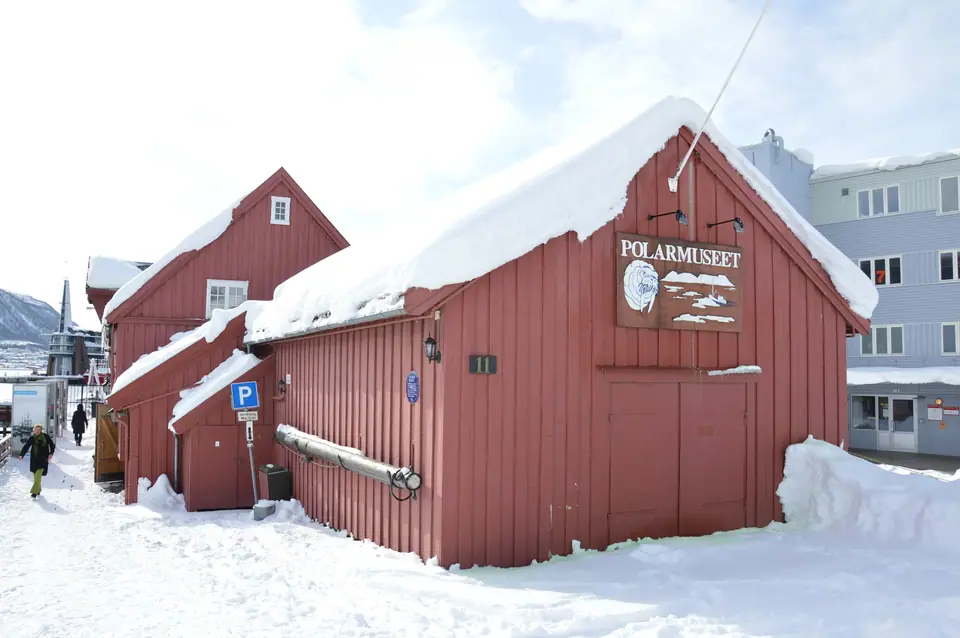
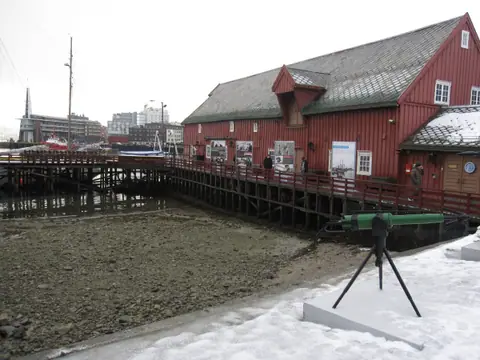
- The Polar Museum (Polarmuseet) and Skansen: Opened on 18 June 1978, the 50th anniversary of Roald Amundsen's final flight from Tromsø aboard the Latham 47 flying boat, inside an 1830s customs warehouse at Søndre Tollbodgate 11B, the museum documents winter trappers Henry Rudi and Wanny Woldstad alongside Nansen's and Amundsen's polar voyages; details are in the Polar Museum and Skansen guide.
- The Arctic University Museum of Norway: Founded in 1872 and housed near Folkeparken on southern Tromsøya, Northern Norway's oldest scientific institution exhibits Sámi ethnography, medieval church art, natural history, and an aurora borealis plasma experiment.
Storgata's Wooden Cathedrals and Mack Brewery
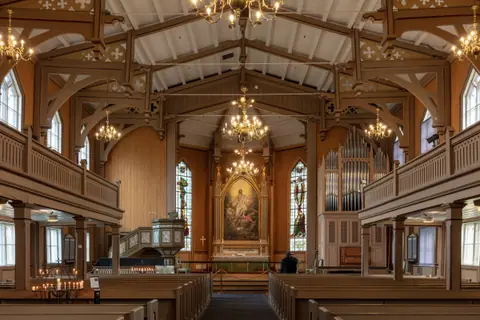
Walk pedestrian Storgata past Christian Heinrich Grosch's 800-seat yellow wooden cathedral from 1861, the 1861 Catholic Cathedral of Our Lady, the 1916 Verdensteatret cinema, and the 1928 Ølhallen beer hall at Mack Brewery.
Botanic Garden, Prestvannet and Kvaløya Fjords
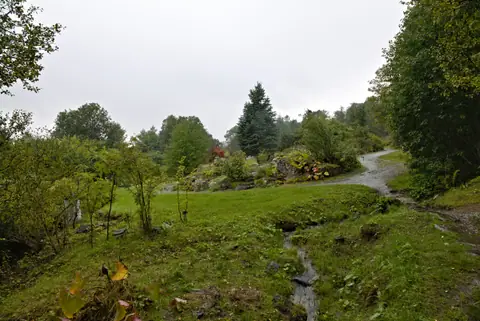
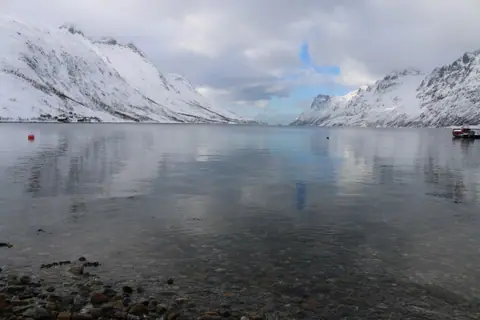
Open year-round without admission fees since July 1994, the 18-dekar Arctic-Alpine Botanic Garden and Prestvannet showcase polar flora and birdlife, while the Sandnessund Bridge leads west to Ersfjordbotn (15 kilometres), Sommarøy (36 kilometres), and the Lyngen Alps.
To make the most of how the city is arranged, group your sightseeing by shore and weather window rather than crossing back and forth across the strait multiple times a day. Clear mornings or crisp twilight hours reward heading straight across the bridge to Tromsdalen so you can pair the parish church at the bridgehead with the mountain ledge above the valley while visibility across the sound and toward the western islands remains sharp. When snow squalls, coastal rain, or gusty winds sweep in off the Norwegian Sea, the sheltered harbourfront corridor on Tromsøya lets you step effortlessly between indoor maritime displays, polar trapping collections, historic timber churches, and warm café tables.
Along the southern waterfront, the pairing of the modern concrete aquarium slabs and the glass-enclosed sealing ship creates a natural half-day focus on Barents Sea marine life and post-war pack-ice navigation. A short bus ride or coastal walk further southwest along the island shore extends that theme at the university museum galleries and the adjacent open-air historic buildings at Folkeparken, where traditional turf huts, timber farmhouses, and coastal boathouses salvaged from across Troms county sit among birch trees overlooking the sound. Linking these southern stops in a single loop saves transit time and leaves the afternoon free for the central pedestrian streets.
Walking north from the brewery cellars toward Skansen takes you through the heart of the nineteenth-century merchant town, where painted horizontal timber siding, classical window cornices, and steep gable roofs reflect the prosperity of the sealing and Pomor trade eras. On the cobbled expanse of Stortorget facing the inner harbour basin, local fishermen and market stalls look out toward the boats moored in the sound, while the surrounding streets hold independent bookshops, woollens outfitters, glass-blowing studios, and cosy coffee houses tucked inside converted nineteenth-century stores.
A block away from the main pedestrian spine, the free municipal photography and local history exhibitions inside Perspektivet Museum and the preserved early-twentieth-century screening room at Verdensteatret add quiet cultural stops between the two wooden cathedrals. Stepping inside the curved glass and concrete shell of the municipal library also reveals how post-war architects contrasted bold modern rooflines with the surrounding low-rise Empire timber blocks without overwhelming the streetscape.
Outdoor Walks, Fjord Excursions and Seasonal Highlights
For travellers who want fresh air without leaving the island, the rockeries of the botanical garden at Breivika, the level perimeter path around Lake Prestvannet, and the sheltered sandy cove at Telegrafbukta provide free, unhurried walks in every month of the year. In summer, alpine plants bloom under continuous daylight while Arctic terns and loons nest on the inland lake; in winter, the same paths turn into groomed snow tracks where residents walk and ski under starry skies away from the brightest harbour floodlights.
Beyond Tromsøya, half-day and full-day excursions branch out across the surrounding bridges and ferry crossings to reach dramatic coastal scenery. Guided RIB boat safaris, hybrid-electric fjord catamarans, and small-group minibuses depart daily from the harbour quays around Prostneset, tracing the deep indentations of Kaldfjorden and Ersfjorden, visiting seasonal reindeer herding camps and husky kennels on the mainland and outer islands, or following clear-sky corridors after dark to photograph the aurora borealis dancing above snow-covered granite ridges.
Traveller tips
Real advice from people who have been to Things to Do in Tromsø: Top Arctic Landmarks, Museums and Fjords. Every tip is read by our team before it goes live.
No tips yet. Been here? Yours could be the first.
Thank you! Your tip will appear here after a quick review.
More in Tromsø
Continue exploring Tromsø with related neighbourhood, food, and planning guides
Polar Museum (Polarmuseet), Skansen and Roald Amundsen Guide
Tromsø, Norway
Storgata, Tromsø Cathedral, Our Lady Church and Mack Brewery
Tromsø, Norway
Arctic-Alpine Botanic Garden, Prestvannet and Telegrafbukta Guide
Tromsø, Norway
Kvaløya Island, Ersfjordbotn, Sommarøy and Lyngen Alps Day Trips
Tromsø, Norway
