Polaria, MS Polstjerna and the Arctic University Museum Guide
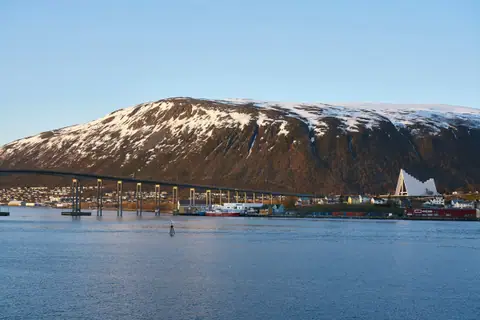
Along the southern waterfront and parkland of Tromsøya, the 1998 Polaria aquarium and the glass-housed 1949 sealing ship MS Polstjerna connect with Northern Norway's oldest museum, founded in 1872.
South of the historic wooden streets of central Tromsø, the waterfront district of Framsenteret and the green shoreline of southern Tromsøya bring together four key scientific and maritime institutions: the Polaria Arctic experience centre, the preserved 1949 sealing cutter MS Polstjerna, the Arctic University Museum of Norway (Norges arktiske universitetsmuseum), and the Science Centre of Northern Norway (Nordnorsk vitensenter). Together they reflect Tromsø's dual status as home to the Norwegian Polar Institute (which relocated its headquarters from Oslo to the Fram Centre next to Polaria in 1998) and the University of Tromsø, established by Parliament in 1968 and opened in 1972 as the world's northernmost university. For the historic 1830s customs wharf museum on the northern harbour, see the Polar Museum and Skansen guide.
Polaria (1998): Jaf Arkitektkontor's Tilted Ice-Floe Aquarium
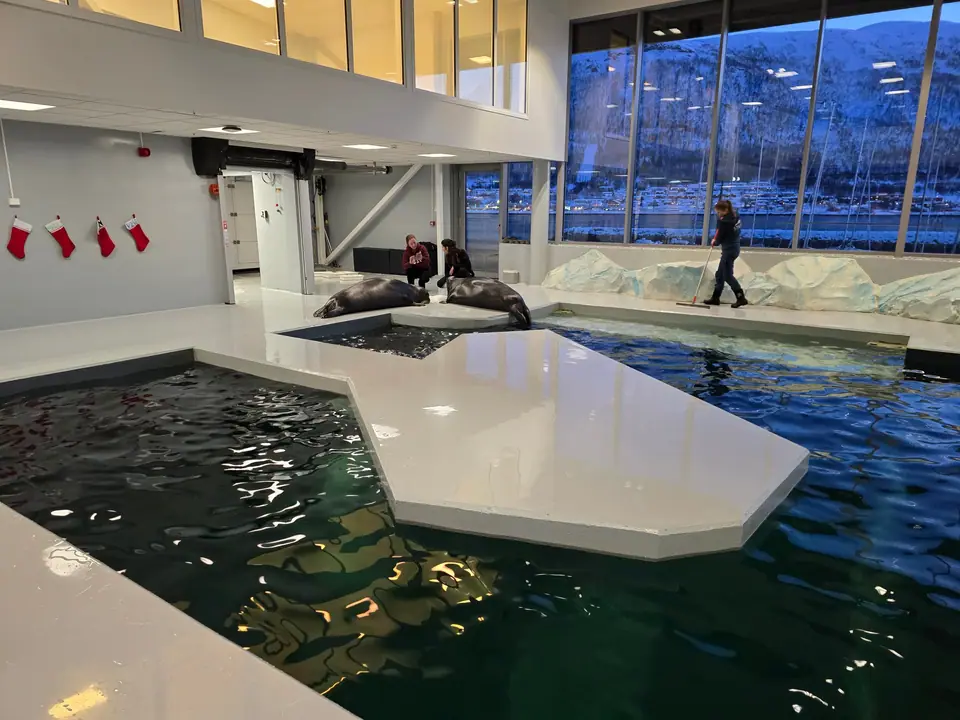
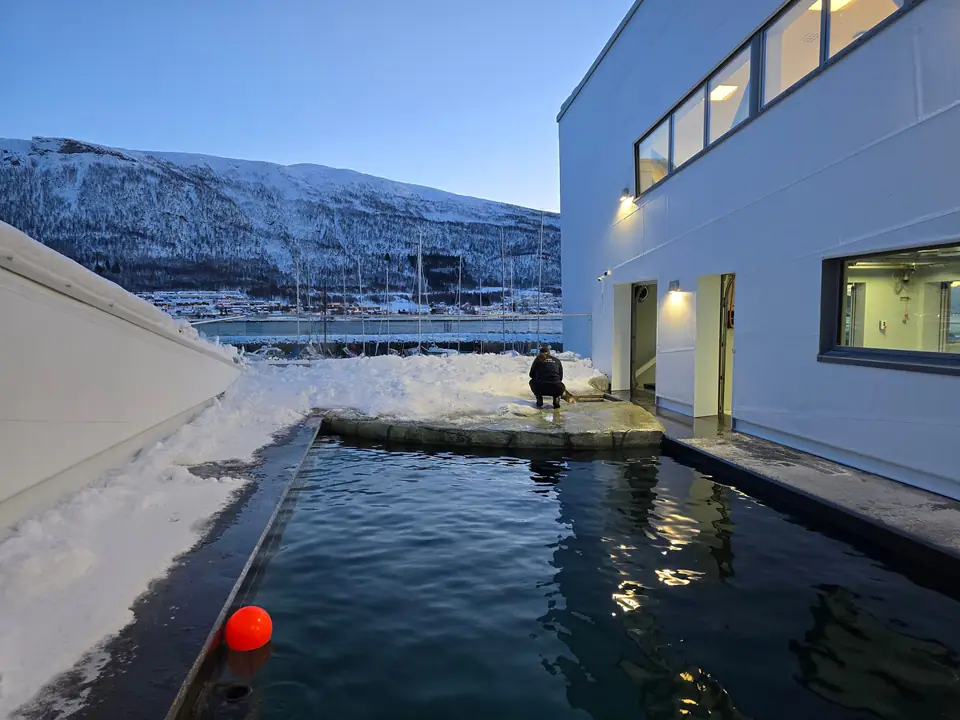
Opened in May 1998 at Hjalmar Johansens gate 12 just five minutes' walk south of Storgata, Polaria occupies one of Northern Norway's most recognisable modern buildings. Designed by Jaf Arkitektkontor, its exterior consists of five white concrete blocks tilting against one another at steep angles, representing slabs of pack ice pressed onto the rocky shore by rough Arctic seas. Inside, visitors walk through a five-screen panoramic theatre screening aerial films of Svalbard and the northern lights, an Arctic Walkway exhibiting permafrost and sea-ice research, cold-water touch pools with Barents Sea king crabs, catfish, and flatfish, and an underwater viewing tunnel beneath the bearded seal (Erignathus barbatus) and harbour seal pool.
MS Polstjerna (1949): Norway's Best-Preserved Sealing Vessel
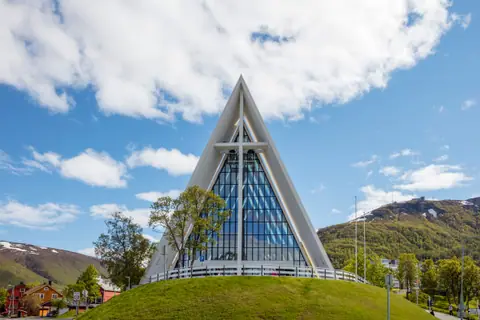
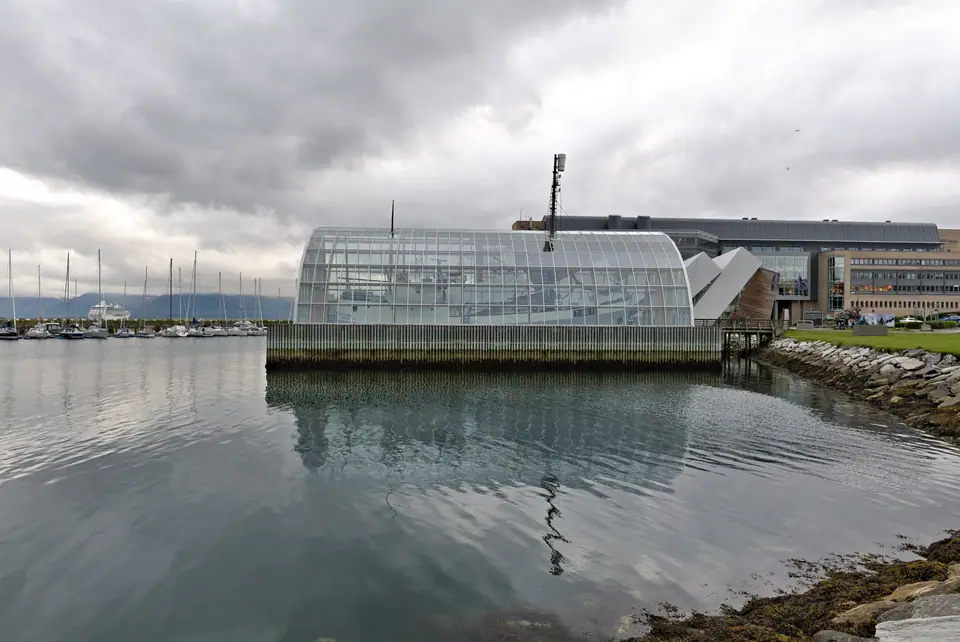
Immediately outside Polaria on the harbour edge stands a triangular glass preservation hall built by architect Per Knudsen in 2003 (opened in 2004) to house MS Polstjerna ("Polar Star"), Norway's best-preserved wooden sealing vessel. Built in 1949 at Skaalurens Skibsbyggeri in Rosendal, Hardanger, for Brødrene Jakobsens Rederi of Tromsø (the same shipping company that opened the Fjellheisen cable car in 1961), the ice-reinforced oak-and-pine hull measures 92.4 feet (28.2 metres) in length with a 23-foot beam and a gross tonnage of 129 tonnes. Across 33 hunting seasons in the West Ice and East Ice between 1949 and 1981, MS Polstjerna brought nearly 100,000 seals back to Tromsø.
The Arctic University Museum of Norway (Founded 1872)
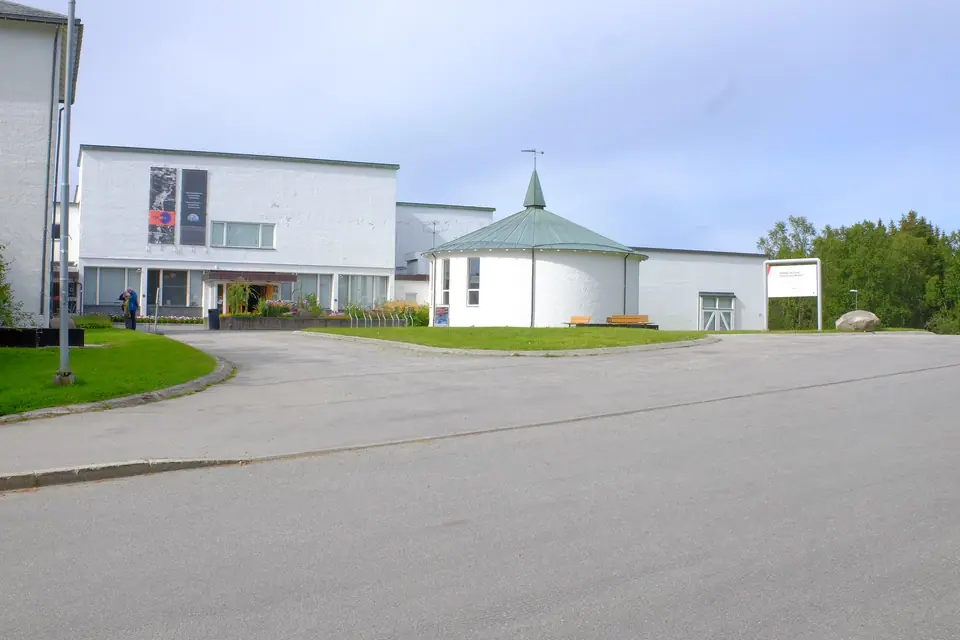
Two kilometres further southwest along Lars Thørings veg near Telegrafbukta (bus routes 33 and 34) stands the Arctic University Museum of Norway (Tromsø Museum), established in 1872 as Northern Norway's oldest scientific institution and incorporated into the University of Tromsø in 1976. Its functionalist main building and circular rotunda, designed by architects Gudolf Blakstad and Herman Munthe-Kaas and completed in 1961, display two permanent Sámi exhibitions (Sápmi: Becoming a Nation and Samekulturen), medieval church altarpieces, skeletons of a northern bottlenose whale and a Svalbard ichthyosaur, and a live terella plasma chamber.
Northern Norway Science Centre and Planetarium at Breivika
On the main Breivika campus in the north, the Science Centre of Northern Norway (founded 29 August 2002, new building opened 7 April 2011) operates nearly 100 interactive exhibits across three floors alongside Norway's northernmost 360-degree full-dome planetarium.
Walking south from the historic timber shops of Storgata toward the Framsenteret research complex shows how closely public education and working polar science sit alongside one another on Tromsøya. Inside the adjacent Fram Centre, marine biologists, glaciologists, geologists, and climate scientists from the Norwegian Polar Institute and partner agencies monitor sea-ice thickness, polar bear populations, and ocean currents across the Barents Sea and Svalbard. That active scientific environment feeds directly into the public exhibitions next door, turning complex high-latitude research into clear visual displays for travellers of all ages.
Inside the tilted concrete slabs of Polaria, the daily feeding and training sessions at the central seal pool allow visitors to watch bearded seals and harbour seals up close both from the upper poolside gallery and through the curved acrylic viewing windows along the lower floor. Nearby cold-water aquariums replicate the rocky kelp forests and sandy seabeds of northern Norwegian fjords, where spotted wolffish, Atlantic cod, lumpfish, sea anemones, and red king crabs thrive in chilled seawater pumped from the sound, while the panoramic cinema sweeps viewers over the glaciers and bird cliffs of Svalbard and across the city's main highlights.
Stepping Aboard MS Polstjerna and Seal Hunting History
Stepping inside Per Knudsen's triangular glass hall next to the aquarium brings you face to face with the heavy timber hull and iron-sheathed bow of MS Polstjerna. Built specifically to withstand the crushing pressure of shifting pack ice in the Greenland and Barents seas, the vessel preserves its original wooden wheelhouse, crowded crew bunks, galley, and lower cargo holds where seal pelts and blubber were salted and stowed during months-long spring voyages into the West Ice and East Ice.
Below the hull on the ground level of the glass pavilion, interpretive displays and historical film footage explain how post-war sealing voyages financed Tromsø's maritime economy while also supplying vessels and ice-hardened crews for scientific expeditions to Svalbard and Greenland. Audio guides and deck walkways let visitors inspect the crow's nest lookout barrel atop the mainmast, from which spotters guided the helmsman through open leads in the drift ice long before satellite navigation existed.
Sámi Ethnography, Medieval Art and Natural History Galleries
At the Arctic University Museum near the southwestern shore of the island, the two permanent Sámi galleries provide essential historical and political context for travelling through Northern Norway. Through traditional duodji handicrafts, coastal and inland winter garments, ceremonial shamanic drums (goavddis), and archival photographs, the exhibitions trace Sámi livelihood from ancient hunting pit systems and seasonal reindeer pastoralism to the nineteenth-century assimilation policies known as Norwegianisation and the modern revival of Sámi parliamentarian and cultural institutions.
In the neighbouring halls of the rotunda and main wing, carved and painted wooden altarpieces and saint sculptures rescued from medieval northern churches stand beside geological minerals, bird dioramas, and marine fossils excavated from high-Arctic islands. Combining a morning visit to Polaria and MS Polstjerna with an afternoon bus ride on route 33 or 34 to the University Museum and a stroll along the shore of Telegrafbukta or up to the planetarium at Breivika creates a rich, bad-weather-proof day of exploration across Tromsøya.
Traveller tips
Real advice from people who have been to Polaria, MS Polstjerna and the Arctic University Museum. Every tip is read by our team before it goes live.
No tips yet. Been here? Yours could be the first.
Thank you! Your tip will appear here after a quick review.
More in Tromsø
Continue exploring Tromsø with related neighbourhood, food, and planning guides