Three-Day Trondheim Itinerary: Cathedral, Fjord and Bymarka
Follow a step-by-step three-day route across Nidaros Cathedral, Erkebispegården, Bakklandet, Kristiansten Fortress, Munkholmen, Rockheim, and Bymarka.
Three days in Trondheim cover Johan Caspar de Cicignon's 1681 river-loop peninsula, the 18th-century wooden lanes of Bakklandet, the 130-kilometre Trondheimsfjord, and the forests of Bymarka.
Day 1 Morning: Nidaros Cathedral and Erkebispegården
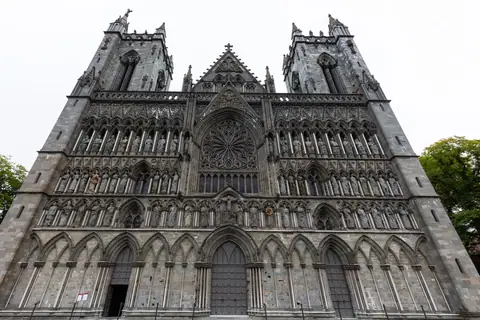
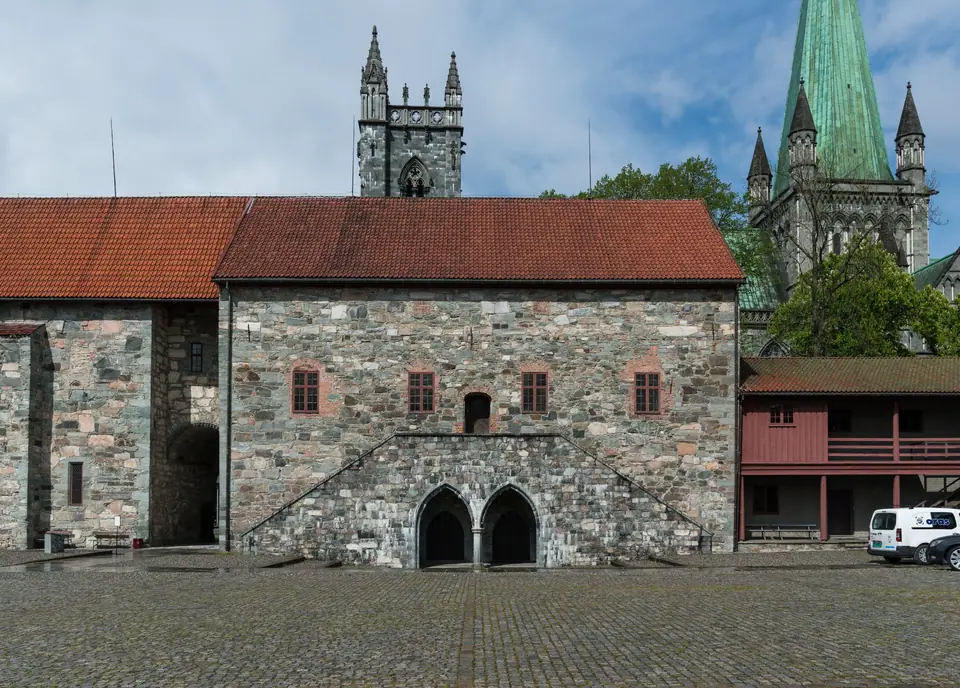
Start at the southern bend of the Nidelva at Nidaros Cathedral, built from 1070 to 1300 over the burial site of St. Olav. Study the carved statues and 10,000-piece rose window of the West Front (completed in 1983) before entering the Gothic nave, the 12th-century Romanesque transept with its 1738 to 1740 Wagner Baroque organ, and the Octagon ambulatory. Spend late morning next door in Erkebispegården, touring the 12th- and 13th-century stone wings, the Archbishop's Palace Museum (with the 1483 to 1537 mint excavations), and the Norwegian Crown Regalia in the west wing.
Day 1 Afternoon: Gamle Bybro, Bakklandet, and Kristiansten Fortress
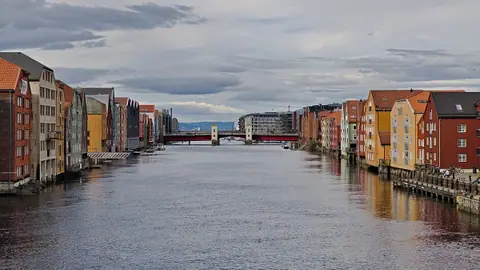
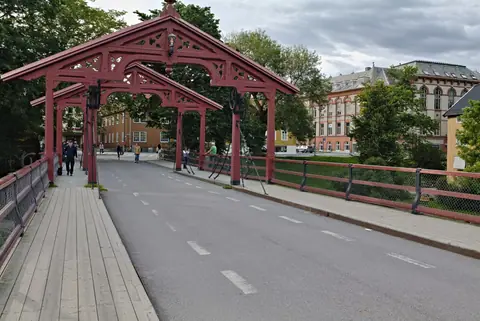
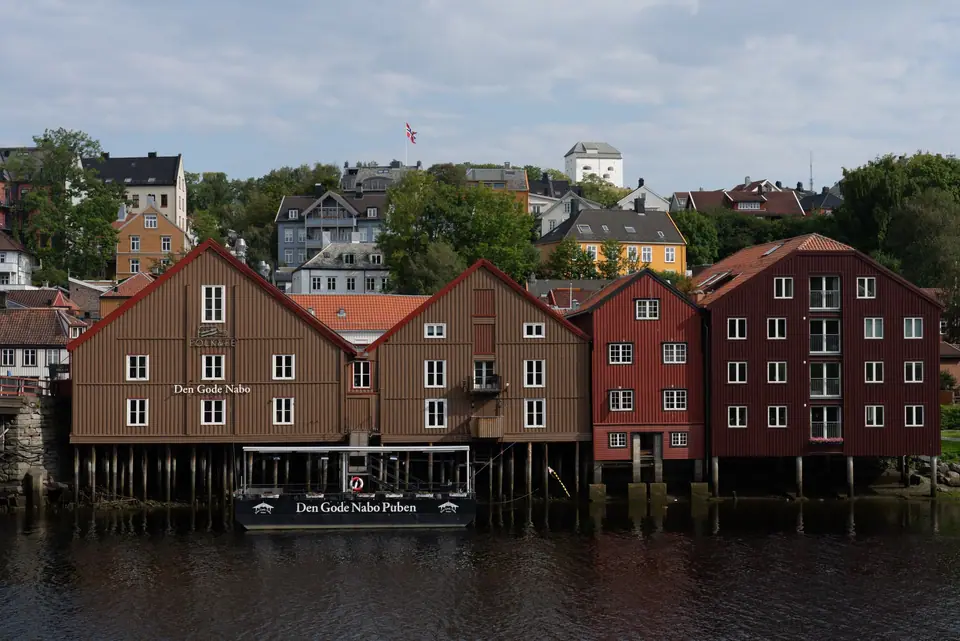
Cross the 82-metre Gamle Bybro through the red wooden arches of Lykkens portal to photograph the 18th-century Kjøpmannsgata and Bakklandet Bryggene warehouses reflected in the Nidelva. Stop for lunch along cobbled Nedre Bakklandet, watch or ride the 130-metre Sykkelheisen Trampe bicycle lift up Brubakken, and spend the afternoon at Kristiansten Fortress (1682 to 1684), visiting the four-metre-thick whitewashed donjon and viewing Midtbyen from the ramparts.
Day 2 Morning: Torvet, Stiftsgården, and Vår Frue Kirke
Begin Day 2 on Torvet at the intersection of Munkegata and Kongens gate to see Wilhelm Rasmussen's 1921 Olav Tryggvason column, the 1930 ground sundial, and nearby medieval Vår Frue kirke (dating from around 1200). Walk one block north on Munkegata to tour the reception rooms of Stiftsgården (1774 to 1778), the 140-room, 4,000-square-metre wooden royal palace, and stroll through Stiftsgårdsparken.
Day 2 Afternoon: Ravnkloa, Munkholmen, Rockheim, and Solsiden
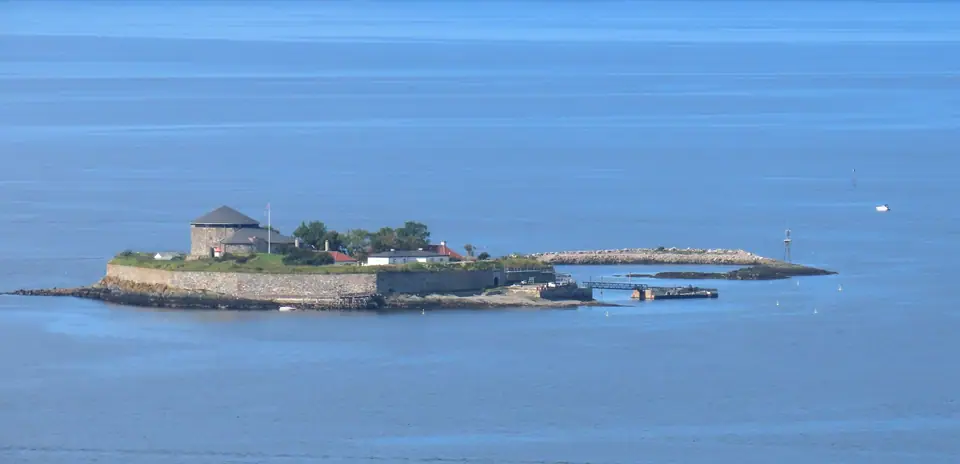
Continue down Munkegata to Ravnkloa on the canal to pick up fresh fjord prawns at the December 2000 fish hall before boarding the summer passenger boat (operating May to September) 1.3 kilometres out into the Trondheimsfjord to Munkholmen. Explore the 1658 to 1661 circular stone fortress and rotunda built over Cnut the Great's 1028 Nidarholm Benedictine Abbey. Back on shore, cross to Brattøra for the interactive 1950s to 2000s Norwegian music rooms inside Rockheim's LED-lit top box, then walk across Verftsbrua (Blomsterbrua) to dine at Solsiden (see our food guide).
Day 3 Morning: Ringve Music Museum and NTNU Gløshaugen
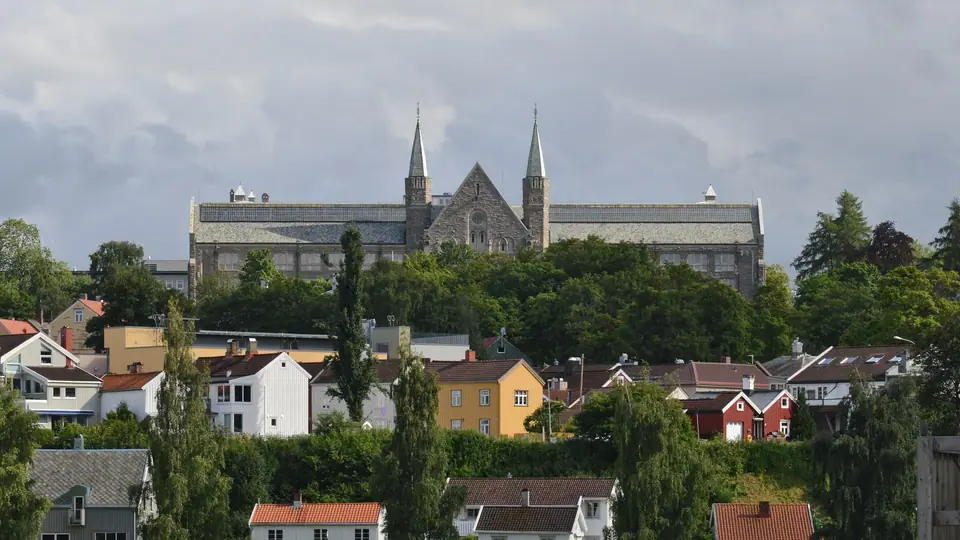
Dedicate your third morning to the Lade peninsula northeast of the centre at Ringve Music Museum (opened 1952), joining a guided demonstration tour inside the 1880s Manor House rooms, visiting the Barn instrument gallery, and walking the 130-decare Ringve Botanical Garden (established 1973). Return via the Gløshaugen plateau to see Bredo Greve's 1910 stone Hovedbygningen at NTNU.
Day 3 Afternoon: Gråkallbanen Tram, Bymarka, and Tyholttårnet
In the afternoon, board the 8.8-kilometre metre-gauge Gråkallbanen tram (Line 9) at St. Olavs gate for the ride through Ila and Munkvoll up to Lian, and hike or ski the forest trails around Lake Kobberdammen and Skistua in the 80-square-kilometre Bymarka reserve before finishing with a 360-degree view at the 74-metre revolving restaurant in Tyholttårnet.
How This Three-Day Route Minimizes Backtracking and Where to Pause
Because Trondheim's historic peninsula, east-bank timber suburb, northern fjord harbour, and western forest hills form four distinct geographical sectors around the Nidelva river loop, grouping sights by riverbank and transit corridor keeps walking distances short and unhurried. Day 1 stays entirely around the southern river bend and eastern ridge, linking Nidaros Cathedral and Erkebispegården directly across Gamle Bybro to Bakklandet and Kristiansten Fortress without needing a single bus or tram ride. Day 2 follows the straight north-south Baroque spine of Munkegata from Torvet and Stiftsgården down to Ravnkloa, out into the fjord to Munkholmen, and across the canal to Brattøra and Solsiden. Day 3 uses city buses and the 8.8-kilometre Gråkallbanen tram to reach the outer plateaus of Lade, Gløshaugen, Bymarka, and Tyholt.
Travellers basing themselves in any of the central neighbourhoods covered in our Trondheim accommodation guide can start Day 1 and Day 2 directly on foot from their front door, picking up an AtB day pass or single mobile tickets for the bus and tram legs on Day 3 (see our transport guide).
- Day 1 Midday and Evening: After touring the cathedral and Crown Regalia in the morning, cross Lykkens Portal into Nedre and Øvre Bakklandet for a lunch of fish soup or open sandwiches with tykklefse and krumkaker at a seventeenth- or eighteenth-century timber café; descend from Kristiansten Fortress in the evening for dinner along Kjøpmannsgata or Torvet featuring Protected Geographical Indication Festsodd fra Trøndelag and crisp skjenning flatbread.
- Day 2 Midday and Evening: Pick up fresh fjord prawns or cured gravlaks at the December 2000 Ravnkloa Fish Hall before boarding the summer boat to Munkholmen (or pause at the island café between May and September), then cross Verftsbrua after Rockheim to dine at one of the 13 sunny riverside restaurants inside the converted Trondhjems Mekaniske Værksted shipyard at Solsiden.
- Day 3 Midday and Evening: Enjoy a late morning coffee in the courtyard café at Ringve Manor House on Lade, stop for warm waffles with caramelised brunost whey cheese at a timber lodge such as Skistua or Lian in Bymarka, and finish your final evening at the 74-metre revolving restaurant in Tyholttårnet as the panorama turns over the fjord.
If you visit between October and April when the Munkholmen passenger boat is paused (check our seasonal weather guide), substitute the Day 2 afternoon island crossing with extra hours inside the warm fjord-facing pools of Pirbadet on Brattøra or the interactive music studios of Rockheim, and swap the Day 3 afternoon Bymarka forest walk for groomed cross-country ski tracks from Lian or Skistua.
Visitors who have an extra half-day before their outbound train on the Dovre or Nordland lines or their flight from Trondheim Airport Værnes can add a leisurely morning stroll through the medieval alleys (veiter) off Nordre gate and Dronningens gate, a visit to the historic collections of the Gunnerus Library and NTNU University Museum at Kalvskinnet, or a brewery tasting tour at E. C. Dahls Brewery at Lade, leaving luggage securely at Trondheim Central Station while exploring the waterfront.
Traveller tips
Real advice from people who have been to Three-Day Trondheim Itinerary: Cathedral, Fjord and Bymarka. Every tip is read by our team before it goes live.
No tips yet. Been here? Yours could be the first.
Thank you! Your tip will appear here after a quick review.
More in Trondheim
Continue exploring Trondheim with related neighbourhood, food, and planning guides