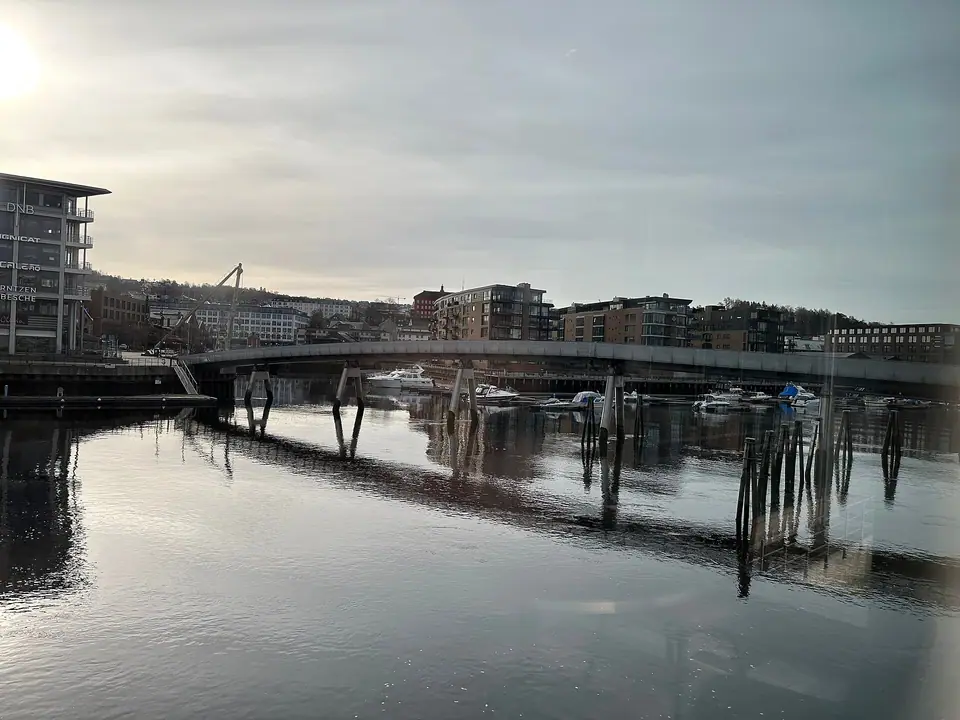
Where to Stay: Midtbyen, Bakklandet, Solsiden and Brattøra
Compare Trondheim's four main accommodation neighbourhoods: walkable Midtbyen around Torvet, historic Bakklandet, waterfront Solsiden, and Brattøra.
Because the historic core of Trondheim sits inside a compact peninsula framed by the Nidelva river and the northern harbour canal, choosing where to stay comes down to whether you prefer classic city-centre streets around Torvet, quiet cobbled lanes lined with 18th-century wooden houses, or contemporary waterfront quarters beside the railway station and marina.
Midtbyen: Best for New Visitors and All-Round Walkability
Enclosed within the loop of the Nidelva river, Midtbyen is Trondheim's historic centre and the most convenient base if you want every major landmark within a 10-minute walk. Staying along Munkegata, Kongens gate, Nordre gate, or Kjøpmannsgata places you between Nidaros Cathedral at the southern tip of the peninsula and the Ravnkloa fish market and canal wharves in the north. Midtbyen also contains the city's central transit hubs: the St. Olavs gate terminus of the Gråkallbanen tram into Bymarka, the main AtB city bus stops along Munkegata and Prinsens gate, and direct footbridges north to Trondheim Central Station.
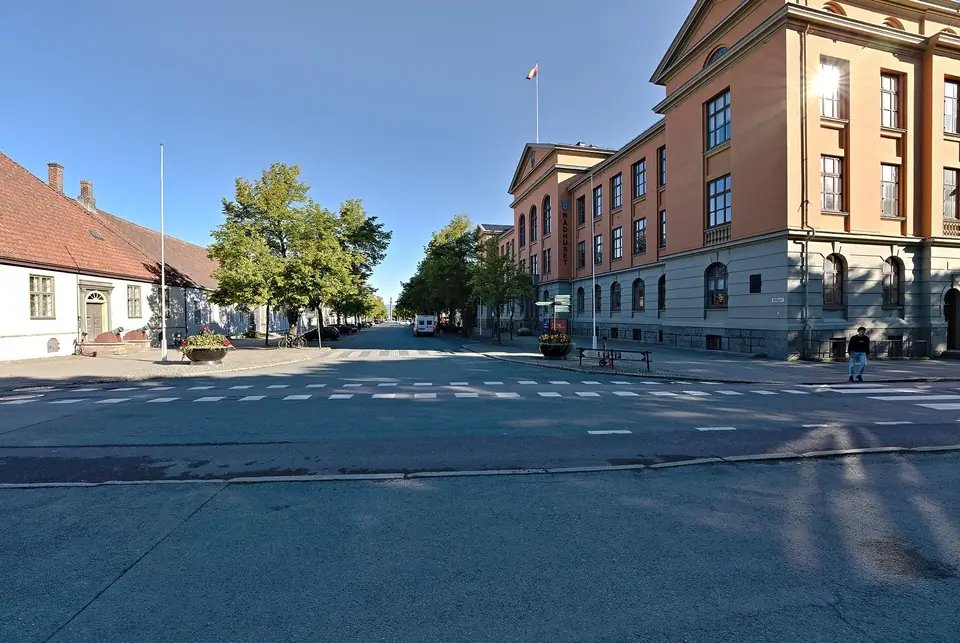
Bakklandet: Best for Historic Timber Character and Quiet Evenings
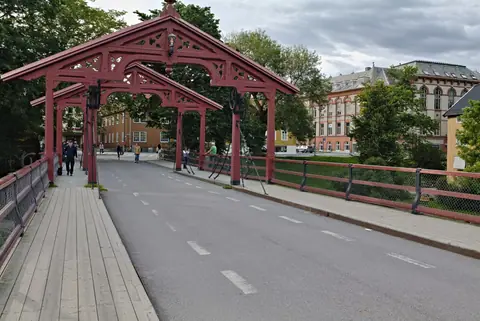
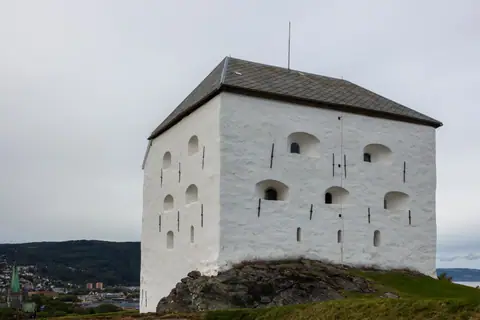
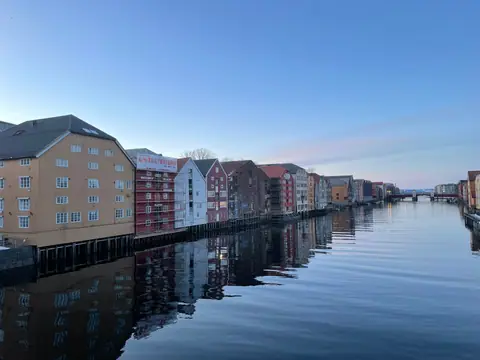
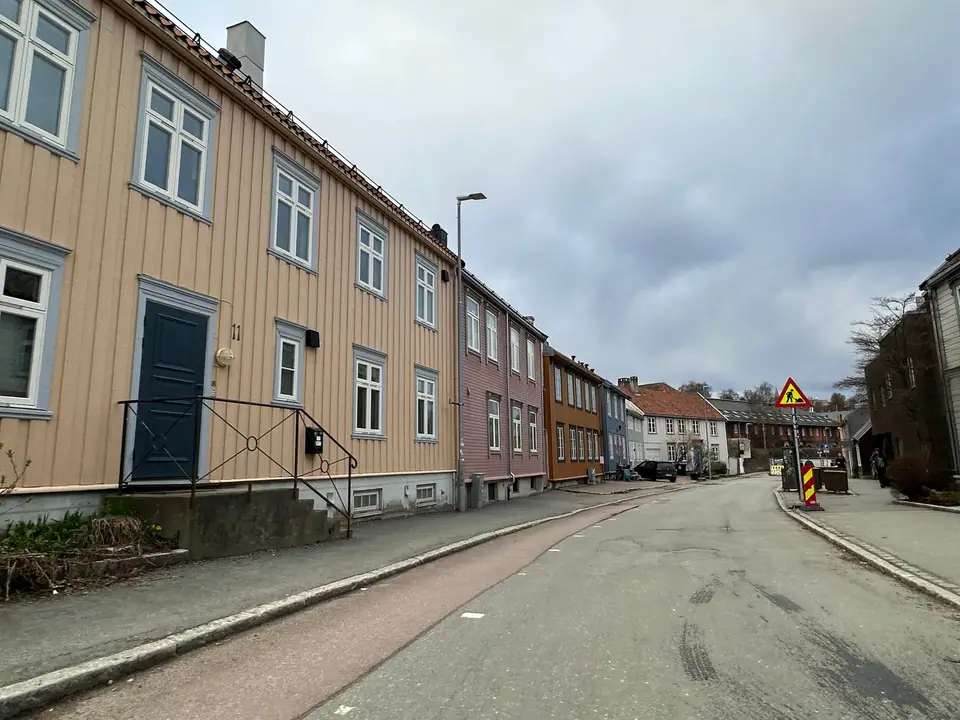
Just across the 82-metre Gamle Bybro (or downstream via Bakke bru) on the east bank of the Nidelva, Nedre and Øvre Bakklandet offer the most atmospheric streets in Trondheim. Saved from a planned motorway in the 1970s and preserved in the 1980s, this 17th- and 18th-century suburb of low-rise painted wooden houses and riverside brygger warehouses sits directly beneath the grassy ramparts of Kristiansten Fortress. Bakklandet is largely residential and closed to through traffic along its cobbled riverside stretch, making it ideal for travellers who want morning coffee steps from Lykkens Portal while remaining a five-minute walk from Nidaros Cathedral.
Nedre Elvehavn (Solsiden): Converted Shipyard and Marina
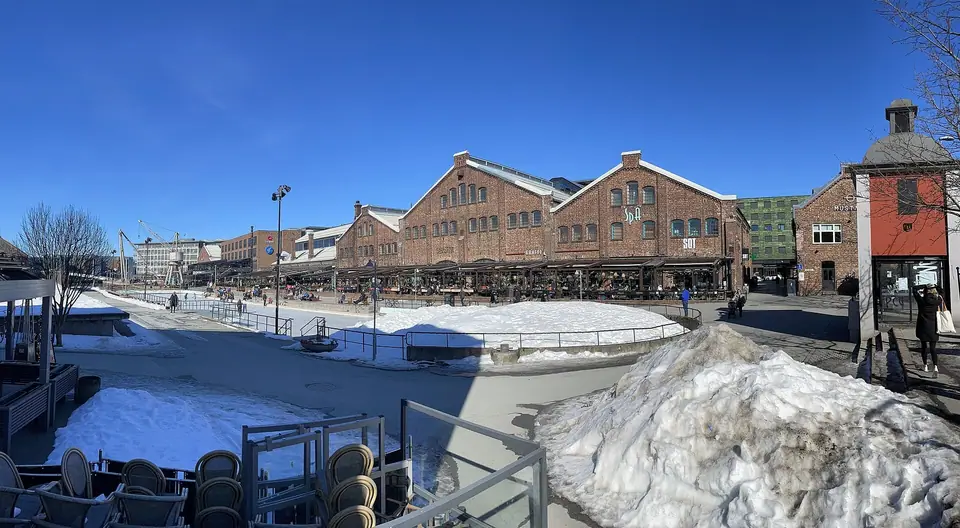
Immediately north of Bakklandet, the redeveloped Trondhjems Mekaniske Værksted shipyard at Nedre Elvehavn, centred on the Solsiden complex opened in October 2000, combines red-brick industrial heritage with a sunny boardwalk of 13 waterfront restaurants and modern hotels beside the Nidelva mouth.
Brattøra: Best for Fjord Views and Early Train or Cruise Departures
Directly across the Verftsbrua (Blomsterbrua) footbridge lies Brattøra, home to Trondheim Central Station, Rockheim, Pirbadet, and two of Trondheim's largest waterfront hotels: the 349-room hotel at Havnegata overlooking the Nidelva river mouth (expanded with 100 rooms in 2009) and the 400-room conference hotel opened on outer Brattøra in 2012 facing the Trondheimsfjord and Munkholmen. Choose Brattøra or Solsiden if you are catching an early train to Oslo or Bodø, boarding the Hurtigruten coastal steamer, or arriving late from Trondheim Airport, Værnes.
How the Four Accommodation Zones Compare
Although Trondheim is Norway's third most populous municipality, its visitor accommodation is concentrated within a tight radius around the lower loop of the Nidelva river and the harbour canal. Even if you book a room on the outer edge of Brattøra or Nedre Elvehavn (Solsiden), walking to Torvet or Nidaros Cathedral takes very little effort across flat streets and pedestrian bridges. Still, each of the four districts has a distinct architectural feel and daily rhythm:
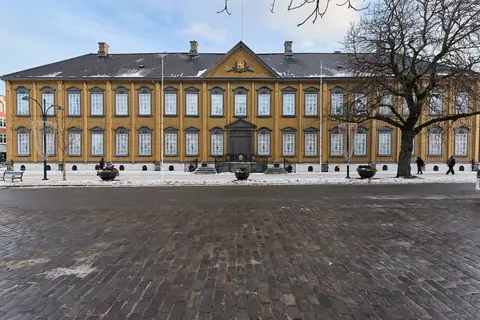
- Central Midtbyen (Munkegata, Kongens gate, Nordre gate, and Kjøpmannsgata): Best suited to travellers who want grand historic hotels, classical stone-and-timber streetscapes, immediate access to the St. Olavs gate tram stop for Bymarka, and direct proximity to Stiftsgården, Vår Frue kirke, and the cathedral precinct.
- Bakklandet (Nedre and Øvre Bakklandet): Ideal for visitors seeking smaller guesthouses, apartments, or quiet residential surroundings among painted seventeenth- and eighteenth-century wooden cottages just east of Gamle Bybro and below the green slopes of Kristiansten Fortress.
- Nedre Elvehavn and Solsiden: A lively urban base built around the converted red-brick halls and dry docks of the former Trondhjems Mekaniske Værksted shipyard (opened in October 2000), popular for its sunny waterside restaurant boardwalk, shopping gallery, and easy access across Bakke bru into Midtbyen.
- Brattøra and the Canal Harbour: The most practical choice for rail and maritime travellers, placing you steps from Trondheim Central Station, the Pirterminalen express boats, the Hurtigruten and Havila coastal steamer quays, Rockheim, and Pirbadet, with unobstructed rooms looking straight out over the Trondheimsfjord toward Munkholmen.
Choosing by Season, Transit Needs, and Travel Style
Your travel dates and arrival mode can help narrow the choice between peninsula and harbourfront (see our seasonal weather guide). In summer, when twenty-hour daylight keeps the outdoor terraces at Solsiden and the fjord promenade at Brattøra active late into the evening, water-facing rooms along the river mouth or canal capture the white-night reflections on the water. In winter, staying inside the compact grid of Midtbyen around Torvet, Søndre gate, or Prinsens gate puts you right beside the December Christmas market, sheltered shopping arcades, and warm city bus and tram connections up to the groomed cross-country ski trails of Bymarka.
Because Trondheim hosts major academic conferences at NTNU alongside late-July St. Olav's Day (Olsok) cultural events around Nidaros Cathedral, central rooms in Midtbyen and Bakklandet fill early during peak summer weeks and university graduation or matriculation periods. Travellers arriving by car should also note that historic streets in Bakklandet and central Midtbyen prioritize pedestrians and cyclists, making hotels near Brattøra, Solsiden, or Kjøpmannsgata with underground garage access simpler for parking. No matter which side of the Nidelva or canal you select, you can step straight from your hotel lobby into the daily loops outlined in our three-day Trondheim itinerary and local dining guide.
Within Midtbyen itself, subtle differences separate the north and south ends of the peninsula. Streets bordering Fjordgata and Søndre gate sit closer to the canal wharves, Ravnkloa Fish Hall, and the footbridges to Brattøra, whereas properties along Kongens gate and Kjøpmannsgata near Gamle Bybro look toward the green cathedral park and the timber gables of the Nidelva river. Checking exact bridge proximity when booking ensures an effortless walk from your train or airport bus stop, and almost every Norwegian hotel rate in these four areas includes a generous breakfast buffet featuring local fish, cheeses, and wholegrain breads before a day of sightseeing. Families travelling with children often appreciate the waterfront hotels at Brattøra and Solsiden for their flat stroller-friendly boardwalks and immediate access to Pirbadet and Rockheim, while couples and architecture lovers gravitate toward the heritage streets of Bakklandet and Torvet.
Traveller tips
Real advice from people who have been to Where to Stay: Midtbyen, Bakklandet, Solsiden and Brattøra. Every tip is read by our team before it goes live.
No tips yet. Been here? Yours could be the first.
Thank you! Your tip will appear here after a quick review.
More in Trondheim
Continue exploring Trondheim with related neighbourhood, food, and planning guides