Essential Sights and Experiences
Explore Nidaros Cathedral, Erkebispegården, Gamle Bybro, Bakklandet, Kristiansten Fortress, Munkholmen island, Rockheim, and Ringve Music Museum.
Trondheim concentrates a thousand years of ecclesiastical, royal, and maritime heritage inside a compact river bend where every major landmark is reachable on foot, by tram, or by summer harbour boat. Tracing medieval pilgrimage routes at the burial church of St. Olav, photographing 18th-century timber warehouses along the Nidelva, or riding the world's northernmost tram line up into the spruce forests of Bymarka rewards unhurried exploration across both banks of the river.
Nidaros Cathedral, the Octagon, and Erkebispegården
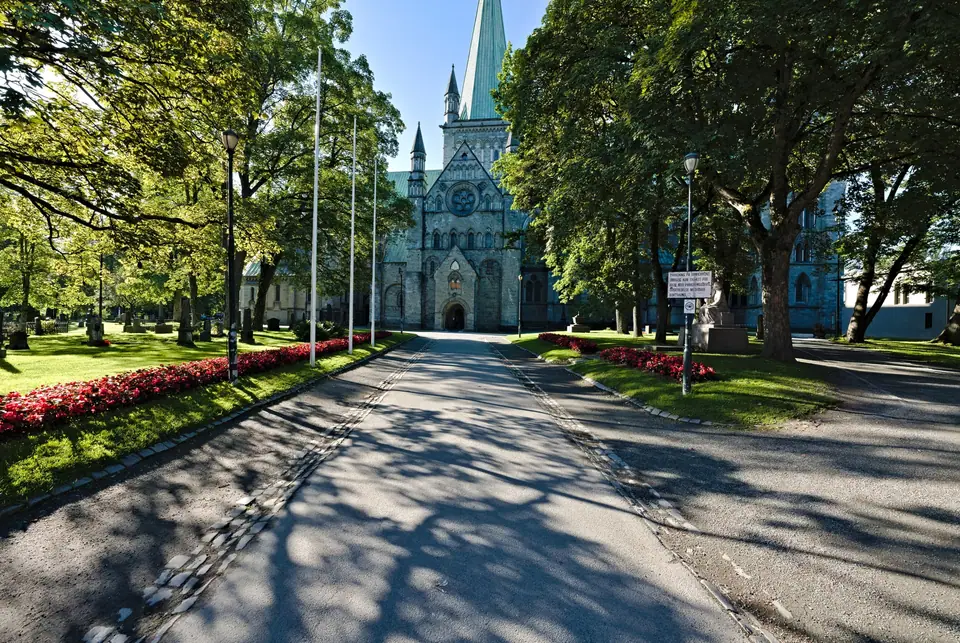
Begin at the southern end of Munkegata with Nidaros Cathedral, constructed between 1070 and 1300 over the grave of King Olav Haraldsson, who fell at the Battle of Stiklestad in 1030 and was canonised a year later. Examine the sculptural rows of the West Front, completed in 1983, and step inside to see the Romanesque transept built under Archbishop Øystein Erlendsson and the Gothic Octagon around the high altar. Directly behind the cathedral, the stone wings of Erkebispegården, the oldest secular buildings in the Nordic countries, begun in the second half of the 12th century, house finds from the 1991 to 1995 excavations and the Norwegian Crown Regalia in the west wing.
Bryggene River Wharves, Gamle Bybro, and Bakklandet
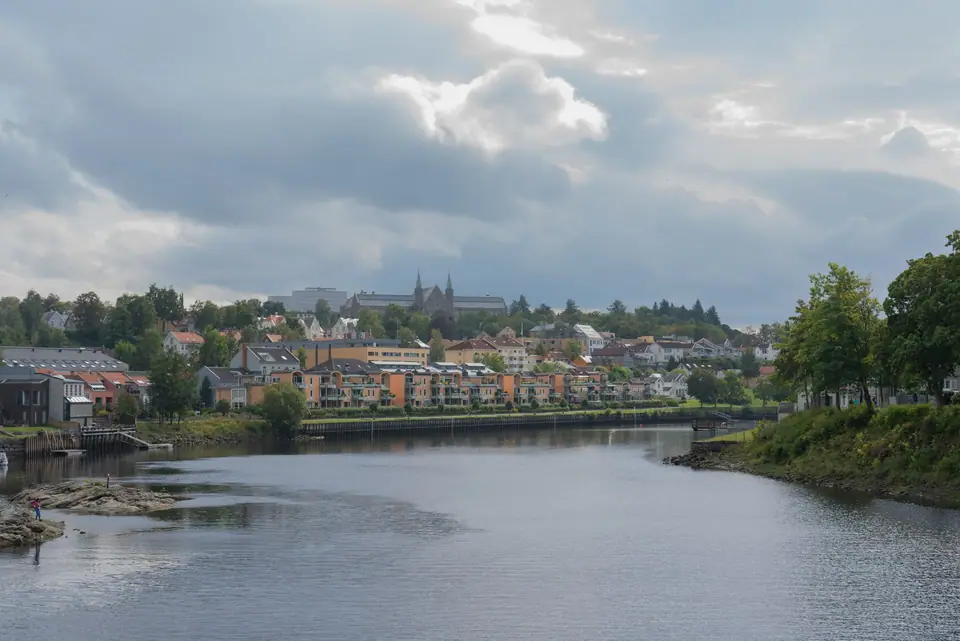
From the cathedral grounds, walk down to the Nidelva to cross Gamle Bybro (the Old Town Bridge), built by Johan Caspar de Cicignon in 1681 and reconstructed by Carl Adolf Dahl in 1861 with its red-painted wooden gates known as Lykkens portal from Oskar Hoddø's 1940 waltz about the Nidelva river. From the bridge deck, look north along both banks to see the Bryggene: gable-fronted wooden warehouses on stilts whose oldest structures along Kjøpmannsgata and Bakklandet date from the first half of the 18th century. On the east bank, follow cobbled Nedre Bakklandet and test the Sykkelheisen Trampe bicycle lift on Brubakken.
Kristiansten Fortress, Stiftsgården, and Munkholmen
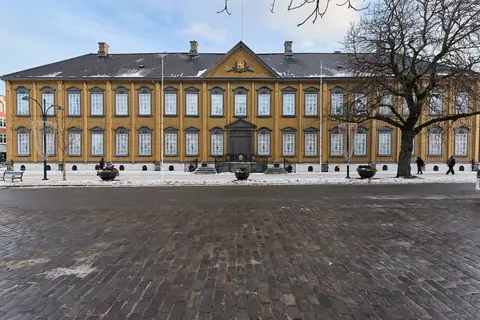
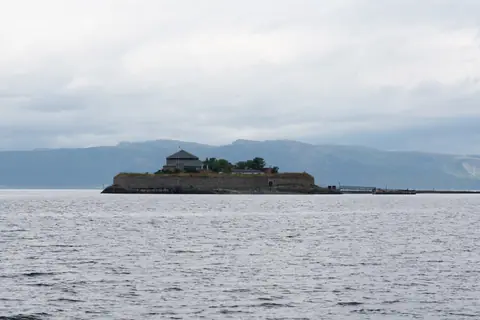
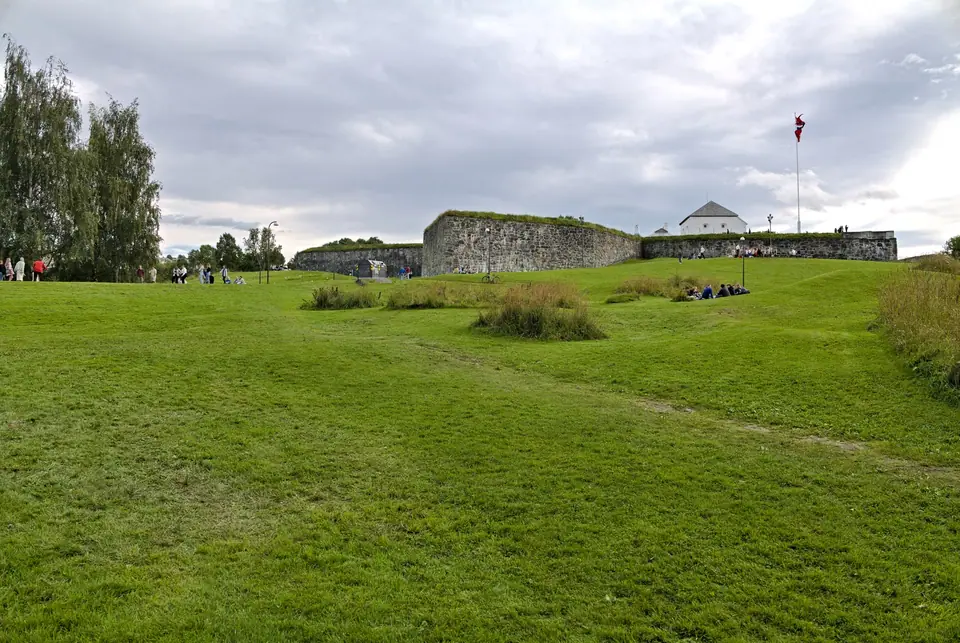
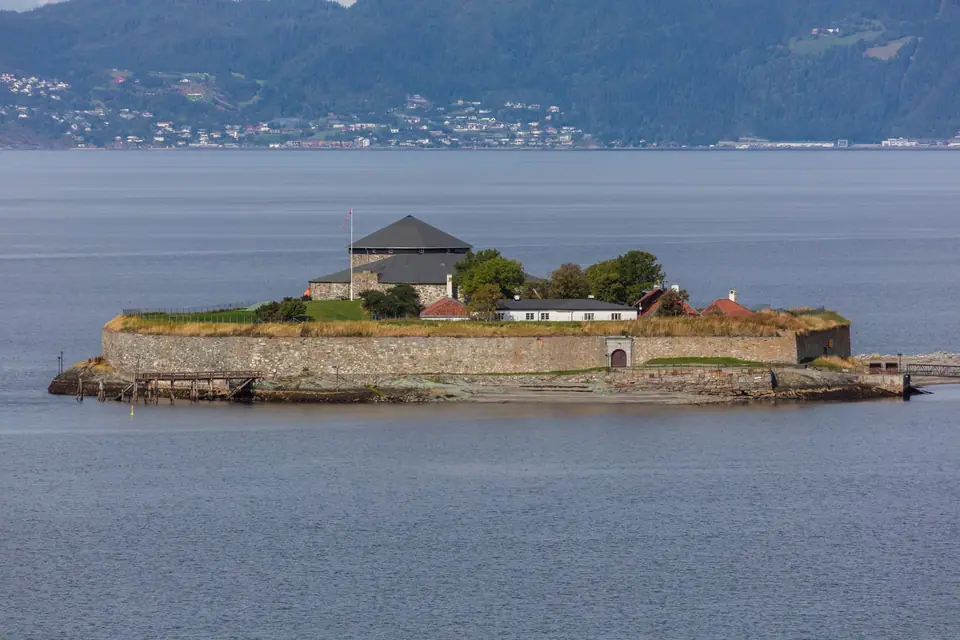
Climb Brubakken to Kristiansten Fortress, erected between 1682 and 1684 after the 1681 fire; its four-metre-thick whitewashed donjon helped repulse General Carl Gustaf Armfeldt's Swedish forces during the 1718 siege. Back in Midtbyen, visit Stiftsgården, the 140-room wooden palace built in 1774 to 1778 for Cecilie Christine Schøller, and pause at the 1921 Olav Tryggvason column and 1930 sundial on Torvet. Between May and September, board the boat from Ravnkloa out to Munkholmen, a 13,000-square-metre islet 1.3 kilometres offshore that served as a Viking execution site, the 1028 Benedictine Nidarholm Abbey, and a 1658 fortress.
Music Museums, Brattøra, and Bymarka Trails
On the harbourfront at Brattørkaia, Rockheim, Norway's national museum of popular music from the 1950s to the present, opened on 5 August 2010 in a 1919 grain warehouse topped by a glass box lit by 13,000 LEDs. On Lade, Ringve Music Museum (opened in 1952) displays around 2,000 instruments surrounded by a 130-decare botanical garden, while the Gråkallbanen tram carries hikers to Lian in Bymarka.
Architectural Details, Scenic Walks, and Fjord Promenades
Beyond the headline monuments, slow architectural walks along Kjøpmannsgata, Fjordgata, and Sandgata reward close attention. Trondheim's timber heritage splits into two very different building types: the multi-storey commercial Bryggene warehouses perched on wooden stilts over the water with projecting hoist beams in their gables, and the residential and palatial town structures along the main grid. On Munkegata, the pale panelled facade of Stiftsgården demonstrates how eighteenth-century master carpenters translated European Rococo and Neoclassical proportions into notched log timber, whereas the low two-storey houses of Nedre and Øvre Bakklandet show the modest domestic scale of seventeenth- and eighteenth-century artisans, boatmen, and river tradespeople.
One block east of Torvet on Kongens gate, visitors can also step inside Vår Frue kirke (Church of Our Lady), where whitewashed medieval stone walls from around 1200 meet seventeenth- and eighteenth-century timber furnishings and a west tower completed between 1739 and 1742. Together with Nidaros Cathedral, the stone wings of Erkebispegården, and the medieval foundations on Munkholmen, it forms part of the small group of pre-Reformation masonry structures that survived the city's recurring timber fires across the centuries.
When clear weather opens across the Trondheimsfjord, several outdoor routes link the historic core with coastal and hillside vistas, allowing you to experience the city's topography from water level up to the surrounding ridges:
- The Bakklandet to Kristiansten Ridge Walk: Cross Gamle Bybro, watch cyclists use the Trampe footplate lift up steep Brubakken, and walk the grassy earthen ramparts around the whitewashed donjon of Kristiansten Fortress for an elevated perspective over the river loop and cathedral spire.
- The Brattøra and Solsiden Harbour Loop: Follow Munkegata north to Ravnkloa, cross the canal to the fjord seawall behind Rockheim and Pirbadet, and return via the Verftsbrua footbridge through the brick shipyard halls and dry docks of Solsiden.
- The Lade Peninsula and Botanical Garden Path: Combine a musical tour at Ringve Manor House with a stroll through the surrounding botanical collections, heritage Trøndelag perennial beds, and coastal trails overlooking the fjord waters.
- The Gråkallbanen Tram to Lian: Board Line 9 at St. Olavs gate in Midtbyen for the climb along the western hills to Lian Lake, where marked forest paths lead toward Kobberdammen and the timber cabin at Skistua.
Because museum tours inside Stiftsgården and Ringve Manor House, as well as the passenger ferry from Ravnkloa to Munkholmen, follow seasonal timetables that expand between May and September, checking our seasonal weather and daylight guide helps align indoor and outdoor plans. In cooler months, indoor stops such as the Crown Regalia exhibition, the interactive music studios at Rockheim, and the fjord-facing pools at Pirbadet balance crisp walks along the riverbanks. Visitors staying for several days can organize these sights into logical daily loops using our step-by-step Trondheim itinerary and regional food guide.
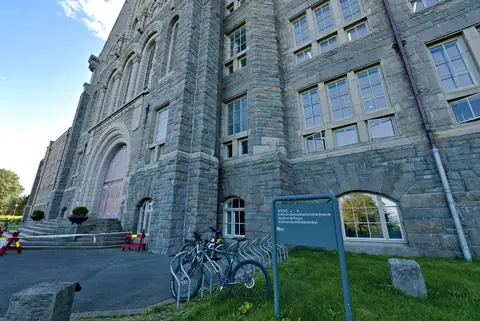
Academic and scientific heritage adds another dimension to a city walk. Just west of Nidaros Cathedral in the Kalvskinnet quarter stand the historic collections of the NTNU University Museum and the Gunnerus Library, founded in 1768 by the Royal Norwegian Society of Sciences and Letters, while across the river to the south rises the 1910 granite-and-soapstone main building of NTNU on the Gløshaugen plateau. Pairing these scholarly landmarks with the riverside wharves and music museums shows how deeply learning, maritime trade, and craft traditions intertwine across Trondheim.
Traveller tips
Real advice from people who have been to Essential Sights and Experiences. Every tip is read by our team before it goes live.
No tips yet. Been here? Yours could be the first.
Thank you! Your tip will appear here after a quick review.
More in Trondheim
Continue exploring Trondheim with related neighbourhood, food, and planning guides