


























Uppsala 3-Day Itinerary: Cathedral, Gamla Uppsala, Sigtuna & Skokloster
A step-by-step three-day route combining Uppsala's academic core, Viking mounds, and Lake Mälaren day trips.
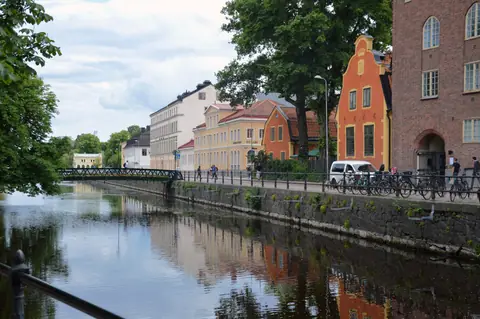
Three days in Uppsala give you the ideal pace to explore every major monument on the west bank of the Fyrisån, trace Carl Linnaeus's botanical legacy alongside the 6th-century Vendel burial mounds of Gamla Uppsala, and spend a third day visiting the medieval lakeside town of Sigtuna and the Baroque time capsule of Skokloster Castle on Lake Mälaren (or Carl Linnaeus's country farm at Linnés Hammarby).
Because all central sights lie within a short walk of central hotels along the Fyrisån and Stora Torget and green UL city buses connect the northern plain in 15 minutes, this three-day route works smoothly on foot and by public transport without a car.
Day 1 Morning: Domberget, Uppsala Cathedral and Gustavianum
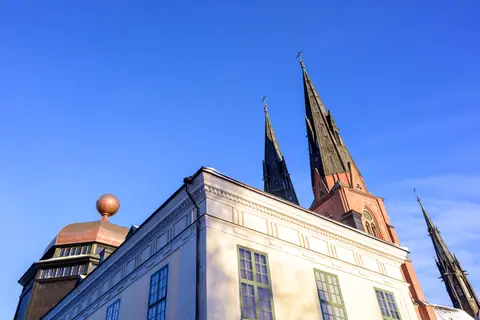
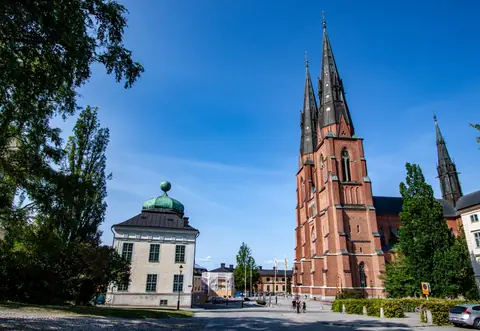
Begin your opening morning by crossing the medieval stone bridge of Dombron onto the western academic hill of Fjärdingen. Step inside Uppsala Cathedral, consecrated in 1435 and rising 118.7 metres above the city, to view the gilded silver reliquary shrine of Sweden's patron saint King Eric IX, the frescoed Vasa burial chapel of King Gustav Vasa and his three consorts, the marble monument of Queen Catherine Jagiellonica and King John III, the ledger stone of Carl Linnaeus, and the medieval royal textiles in the north tower Treasury Museum.
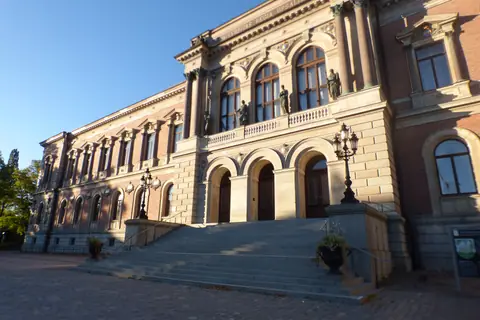
Directly across Domkyrkoplan, spend late morning inside Gustavianum, built between 1622 and 1625 as the historic main building of Uppsala University (founded in 1477). Climb to Olaus Rudbeck's 1662 anatomical theatre cupola on the roof, inspect the 1,000 miniature curiosities of the 1633 Augsburg Art Cabinet, and view the Vendel and Viking Age boat-grave helmets from Valsgärde before walking across Universitetsparken to admire the Viking runestones and Herman Holmgren's 1887 Renaissance Revival University Hall.
Day 1 Afternoon: Saluhallen, Silver Bible and Uppsala Castle
Walk down to Sankt Eriks torg for a midday seafood, cheese, or charcuterie lunch at the 1909 National Romantic Uppsala Saluhall ('The Meat Basilica') overlooking the Kvarnfallet weir. After lunch, climb the tree-lined slope of Carolinabacken to Carolina Rediviva, completed in 1841 as the main university library building, where the exhibition hall displays the 6th-century purple-vellum Codex Argenteus (Silver Bible) and Olaus Magnus's 1539 woodcut map Carta marina.
From Carolina Rediviva, follow the gravel ridge of Kasåsen south to the salmon-pink ramparts of Uppsala Castle, begun by Gustav Vasa in 1549. Take in the sweeping view from the Styrbiskop bastion and Gunilla Bell, explore the subterranean 16th-century casemates of Vasaborgen, and browse the Upsala-Ekeby ceramic collection inside Uppsala Konstmuseum before descending for an evening stroll past the swan pond of Svandammen into the late-19th-century Stadsträdgården park.
Day 2 Morning: Botanical Garden, Pelle Svanslös and Linnaean Garden
Start your second morning below the western slope of the castle in the Botanical Garden (Botaniska trädgården). Walk through Carl Hårleman's symmetrical Baroque parterre to the 1802 neoclassical Linneanum orangery and step inside the humid rooms of the Tropical Greenhouse, or add a morning walk through the nearby Kåbo university quarter to visit the palaeontology hall at the Museum of Evolution and the sculptures at Bror Hjorths Hus.
Return through the cobbled lanes of Fjärdingen along Övre Slottsgatan and Åsgränd to spot the bronze statue of Gösta Knutsson's tail-less cat Pelle Svanslös and the historic houses of the student nations. Cross the white iron arch of Jernbron over the Fyrisån and walk along Svartbäcksgatan to the 1655 Linnaean Garden (Linnéträdgården), arranged according to Linnaeus's plant classification system, and tour his family home inside the 1693 Linnaeus Museum.
Day 2 Afternoon: Fika on Östra Ågatan and Gamla Uppsala
Pause on the riverside terrace of Güntherska Hovkonditori along Östra Ågatan for coffee and a cinnamon bun or seasonal cardamom semla. Afterward, board a green UL city bus at Stora Torget or Uppsala Central Station for the short ride 5 kilometres north to the Gamla Uppsala Royal Mounds. Walk the ridge trail across the three monumental Vendel Period cremation mounds (dating from AD 550 to 625), climb the flat-topped assembly platform of Tingshögen, inspect the posthole terrace of the Iron Age royal hall, visit the 12th-century stone church that served as Sweden's medieval cathedral (where Anders Celsius is buried), and tour the archaeological finds inside Gamla Uppsala Museum.
Day 3: Excursion to Sigtuna and Skokloster Castle (or Linnés Hammarby)
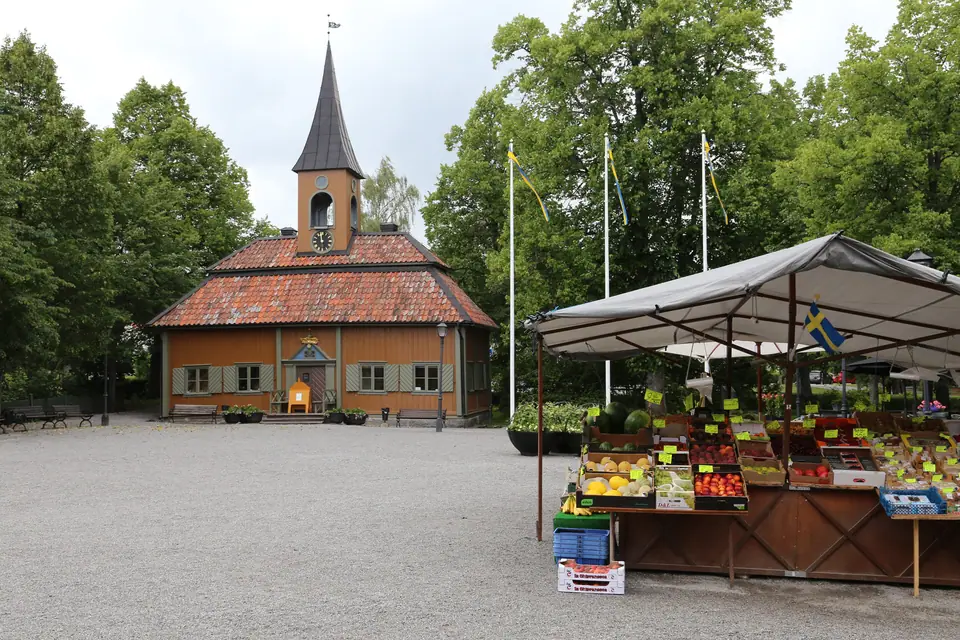
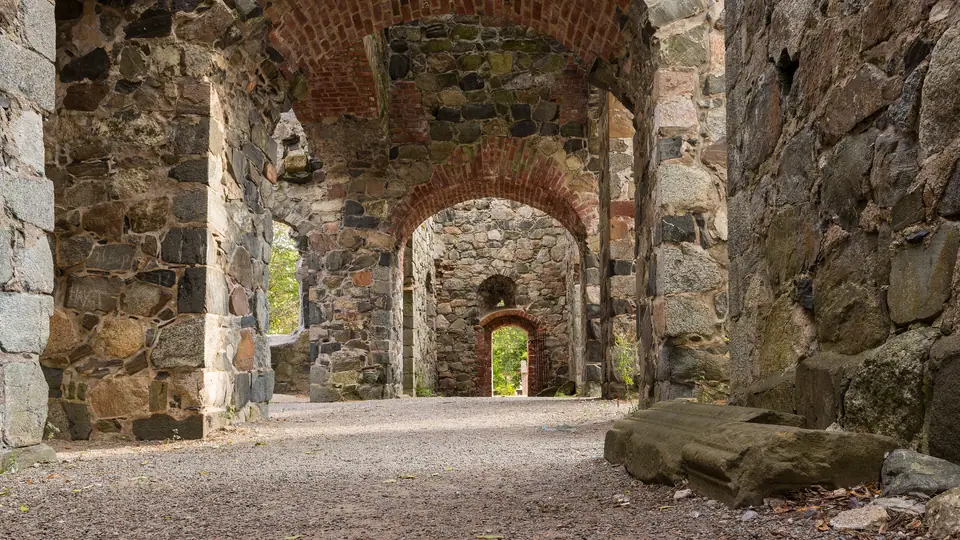
Dedicate your third day to two historic Lake Mälaren landmarks south of Uppsala reached by UL regional buses (or seasonal summer excursion boats along the Fyrisån and Skarven bay). Founded around AD 980 on the shore of Lake Mälaren, 4 kilometres east of Old Sigtuna during the reign of King Eric the Victorious, Sigtuna is Sweden's oldest surviving town, where King Olof Skötkonung minted Sweden's first coins around 995 and where over 30 Viking Age runestones stand along the streets and churchyards. Walk the medieval curve of Stora gatan past the miniature 18th-century wooden town hall (Sigtuna rådhus), visit the intact 13th-century brick Dominican monastery church of St. Mary (Mariakyrkan), and explore the atmospheric medieval stone church ruins of St. Per, St. Olof, and St. Lars.
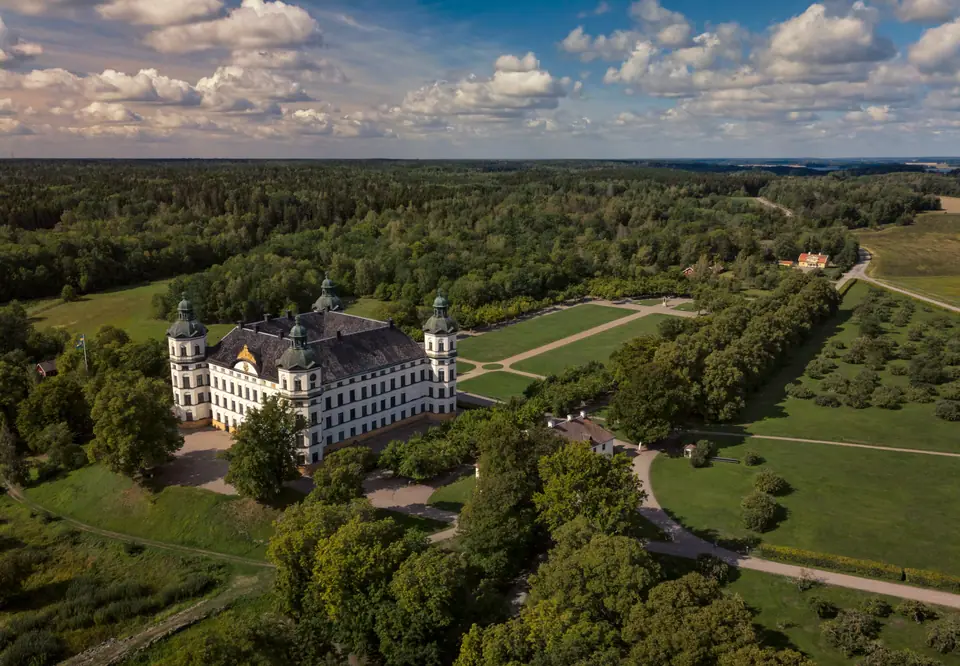
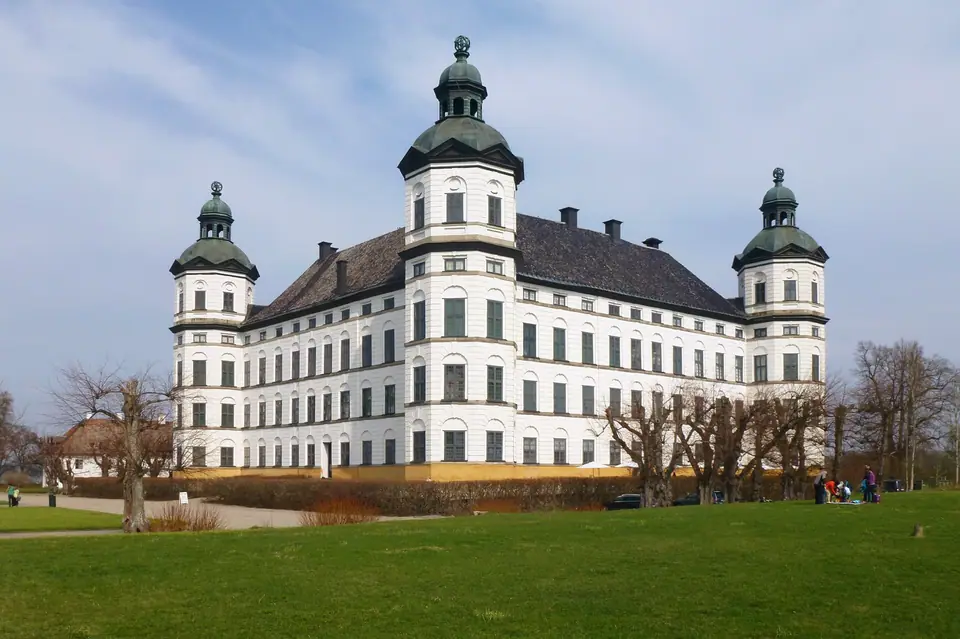
Across the water on the wooded Sko peninsula stands Skokloster Castle (Skoklosters slott), a grand Carolean Baroque palace erected between 1654 and 1676 by field marshal Count Carl Gustaf Wrangel to designs by architects Caspar Vogell, Jean de la Vallée, and Nicodemus Tessin the Elder. Preserved as a Swedish state museum since 1967 with over 50,000 original textiles, weapons, books, and artworks, the four-winged white palace is famous for its 1676 Unfinished Banqueting Hall, left exactly as the carpenters laid down their tools and scaffolding when news of Wrangel's death arrived, and for Giuseppe Arcimboldo's 16th-century fruit-and-vegetable portrait of Emperor Rudolf II as Vertumnus. Alternatively, summer visitors can spend Day 3 touring Linnaeus's country estate at Linnés Hammarby or riding the narrow-gauge Lennakatten heritage railway; check the official site of each attraction for seasonal opening hours, boat departures, and guided tour schedules before setting out across the Lake Mälaren region, and return to central Uppsala for a final evening dinner beside the Fyrisån.
Traveller tips
Real advice from people who have been to Uppsala 3-Day Itinerary: Cathedral, Gamla Uppsala, Sigtuna & Skokloster. Every tip is read by our team before it goes live.
No tips yet. Been here? Yours could be the first.
Thank you! Your tip will appear here after a quick review.
More in Uppsala
Continue exploring Uppsala with related neighbourhood, food, and planning guides
Uppsala: Essential Planning for Sweden's University City
Uppsala, Sweden
Best Things to Do in Uppsala: Landmarks, Museums & Gardens
Uppsala, Sweden
Uppsala Cathedral (Domkyrka): Gothic Architecture, Royal Tombs & Treasury
Uppsala, Sweden
Gustavianum & University Hall: Rudbeck's Anatomical Theatre & Academic Uppsala
Uppsala, Sweden
