


























What to Eat in Uppsala: Saluhallen, Historic Konditorier & Swedish Fika
Where to experience Uppsala's 1909 market hall, riverside pastry cafés, and classic Uppland and Swedish dishes.
Uppsala's culinary scene blends two distinct Swedish traditions: the centuries-old academic fika culture of riverside pastry shops where professors, writers, and students have debated over filter coffee and cardamom buns since the 19th century, and the market-hall gastronomy of the fertile Uppland agricultural plains and nearby Baltic coast. Because the historic centre is compact and walkable, the finest food stops cluster within a few hundred metres of the Fyris River between Uppsala Cathedral and Islandsbron.
Visitors looking for an artisan cheese and seafood lunch beside the rushing river weirs, a historic konditori serving late-winter almond-paste buns, or a traditional Swedish husmanskost dinner will find that central Uppsala rewards unhurried exploration on foot across both banks of the river.
Uppsala Saluhall: The 1909 'Meat Basilica' at Sankt Eriks Torg
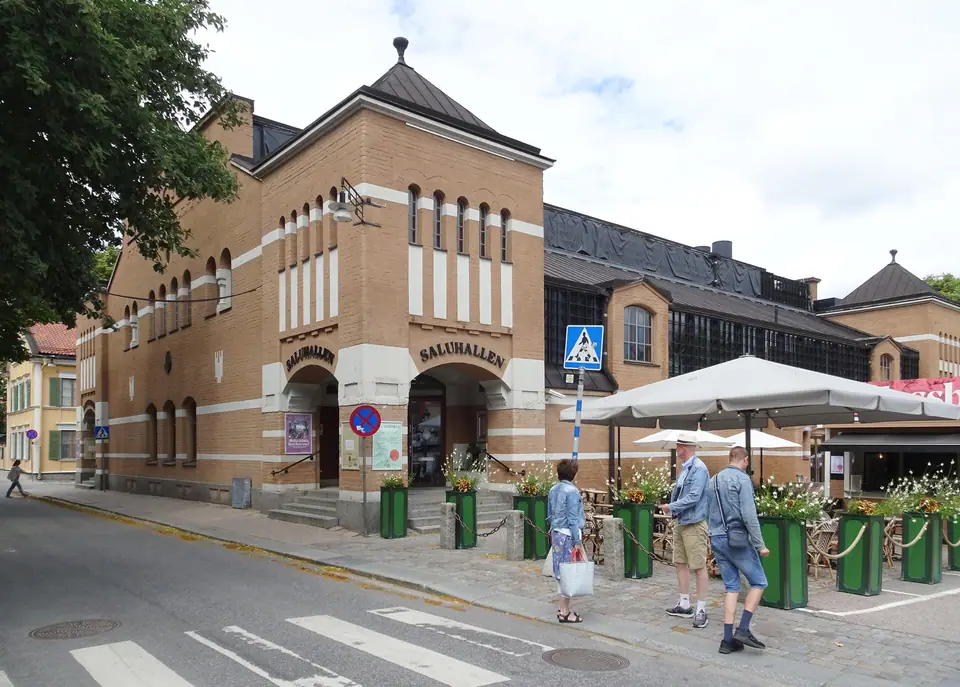
At the eastern foot of Dombron on the corner of Sankt Eriks torg and Vattugränd stands Uppsala Saluhall, one of Sweden's oldest surviving indoor food market halls. Designed in 1907 by prolific local architect Ture Stenberg in National Romantic style and inaugurated in 1909, the hall was built so that butchers and country merchants would no longer stand outdoors selling meat on the open square exposed to wind, rain, insects, and rodents, providing a climate-sheltered indoor hall with running water and improved hand hygiene.
Stenberg, who designed numerous landmark buildings across early-20th-century Uppsala, gave the market hall the distinctive silhouette of a three-aisled church basilica with a semicircular eastern apse overlooking the Fyrisån, a profile that immediately earned it the affectionate local nickname Köttbasilikan ('The Meat Basilica'). Originally faced in exposed red brick with recessed white-painted panels (today rendered and painted in warm beige), the interior was remodelled in 1922 under city architect Gunnar Leche and thoroughly renovated in 1982 after 1970s plans to demolish the hall and replace it with a dance palace were abandoned.
From the 2002 Fire to Today's Delicatessen Counters
On 9 May 2002, a fierce blaze ignited the wooden roof structure of Uppsala Saluhall, causing large sections of the roof to collapse and destroying the interior while leaving the historic outer brick walls standing. Rebuilt in slightly simplified form between 2003 and 2004 and owned since October 2013 by local hospitality group Svenssons Krogar, which also operates restaurants inside the building, the market hall today houses six specialist food shops and three restaurants under its bright basilica roof.
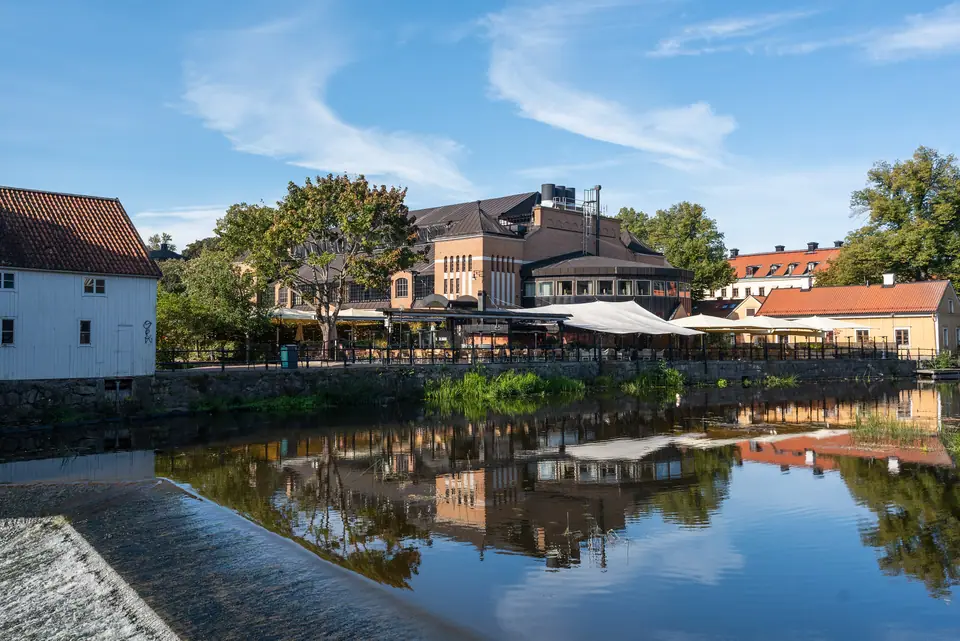
Walking the central aisle, you can browse counters stocked with aged Uppland and Västerbotten cheeses, cured meats and game charcuterie, spice blends, artisan sourdough breads, hand-made chocolates, and fresh fish and shellfish, or sit at the outdoor riverside tables beside the Kvarnfallet weir for a seafood lunch overlooking the cathedral spires and the old mill island.
Riverside Fika on Östra Ågatan and Classic Student Konditorier
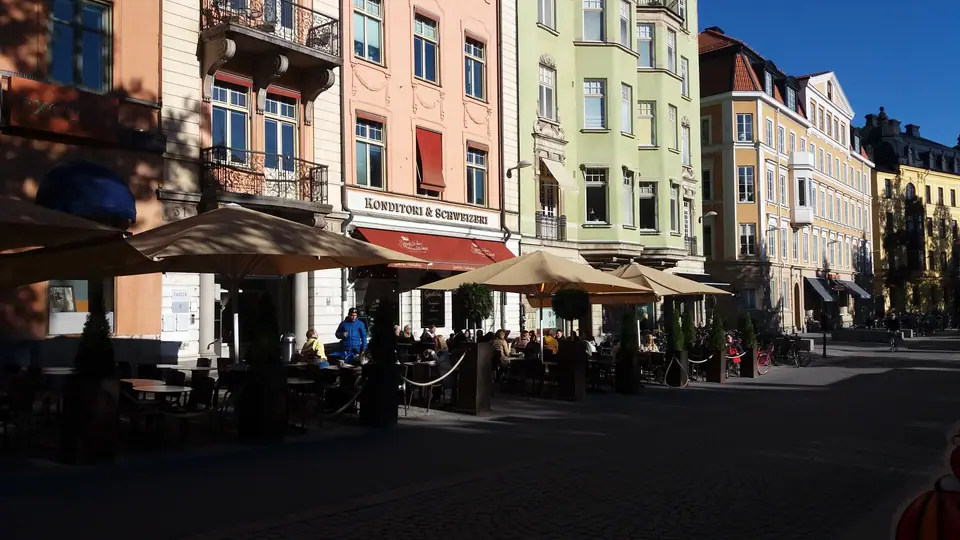
Directly south of Dombron and Nybron, the cobbled river promenade of Östra Ågatan is the heart of Uppsala's café culture, led by Güntherska Hovkonditori & Schweizeri, where outdoor tables look across the water toward the willow trees and historic facades of Västra Ågatan. Just up the hill along Sysslomansgatan and Drottninggatan toward Carolina Rediviva sit venerable student literary cafés such as Ofvandahls Hovkonditori, famed since the late 19th century for its plush velvet salons, marble tables, and student poetry readings, and Storken facing Stora Torget.
In Swedish academic life, fika is far more than a quick coffee break; it is a daily social institution where study groups, colleagues, and friends pause over a pot of filter coffee or loose-leaf tea and freshly baked bread from the bakery ovens, lingering in winter inside warm wood-panelled rooms or in summer along the sunny stone embankments of the river.
Traditional Pastries: Semlor, Hetvägg and Kanelbullar
Stopping for morning or afternoon fika in Uppsala is an essential ritual paired with strong dark-roast Swedish filter coffee (often poured with a complimentary refill, known as påtår) and classic pastries:
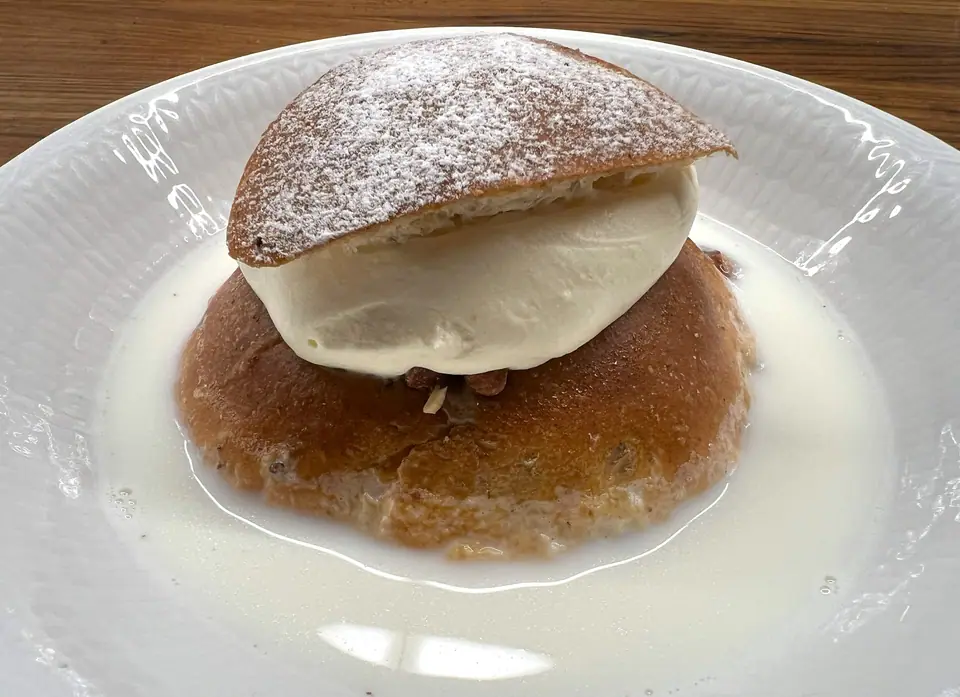
- Semla and Hetvägg: Baked from January through Shrove Tuesday (Fettisdagen) and Easter, the Swedish semla is a light cardamom-spiced wheat bun with its top cut off and hollowed out, filled generously with sweet almond paste (mandelmassa) and whipped cream, and dusted with icing sugar. Many Uppsala bakeries also serve it in the traditional 18th-century style as hetvägg, floating in a shallow bowl of steaming hot milk with a dusting of cinnamon.
- Kanelbullar and Kardemummabullar: Twisted yeast buns fragrant with cinnamon or coarsely ground green cardamom pods and topped with crunchy pearl sugar.
- Prinsesstårta and Uppland Kubb: Rounded domes of airy sponge cake, vanilla pastry cream, raspberry jam, and whipped cream cloaked in bright green marzipan, alongside traditional dense spiced rye-and-wheat loaves cooked in a water bath and served with butter and aged cheese.
Swedish Husmanskost, Station Brasseries and Student Sillunch
For heartier midday and evening meals, brasseries around Stora Torget, Drottninggatan, and the listed 1866 Dutch Renaissance railway station building beside Uppsala Central Station serve weekday lunch specials (dagens rätt) and classic Swedish home-style dishes (husmanskost). Look for toast Skagen (hand-peeled prawns tossed in dill mayonnaise on sautéed bread and topped with bleak roe), pan-fried Baltic herring (stekt strömming) with mashed potato and tart lingonberries, cured salmon (gravad lax) with mustard-dill sauce, and traditional meatballs with cream sauce and pickled cucumber.
During the warmer months from June to August, several of the 13 historic student nations open their leafy courtyard gardens to visitors without requiring a student card, offering relaxed lunches, grilled dishes, and local craft beers. Every 30 April on Walpurgis Night, restaurants and nations across the city also serve the celebratory sillunch platter of pickled herrings, crispbread, Västerbotten cheese, and spring potatoes. Because dining rooms and café terraces fill quickly on sunny afternoons and weekends, check the official site of individual restaurants, bakeries, and market vendors for current seasonal hours, menu specials, and table reservation policies before dining in central Uppsala, and take time to sample both the historic konditorier on the west bank and the waterside tables along Östra Ågatan.
When planning your dining stops across the river, remember that the western academic quarter of Fjärdingen around Uppsala Cathedral, Gustavianum, and Carolina Rediviva keeps a quieter daytime rhythm focused on traditional bakeries and university cafés, whereas the pedestrianised commercial blocks on the eastern bank of the Fyris River concentrate broader evening restaurant tables within a short walk of Uppsala Central Station.
Traveller tips
Real advice from people who have been to What to Eat in Uppsala: Saluhallen, Historic Konditorier & Swedish Fika. Every tip is read by our team before it goes live.
No tips yet. Been here? Yours could be the first.
Thank you! Your tip will appear here after a quick review.
More in Uppsala
Continue exploring Uppsala with related neighbourhood, food, and planning guides
Gustavianum & University Hall: Rudbeck's Anatomical Theatre & Academic Uppsala
Uppsala, Sweden
Uppsala Castle (Uppsala Slott): Vasa Fortress, Queen Christina & Art Museum
Uppsala, Sweden
Uppsala's Botanical Gardens: Botaniska Trädgården, Linnéträdgården & Hammarby
Uppsala, Sweden
Gamla Uppsala: The Royal Mounds, Vendel History & Medieval Church
Uppsala, Sweden
