


























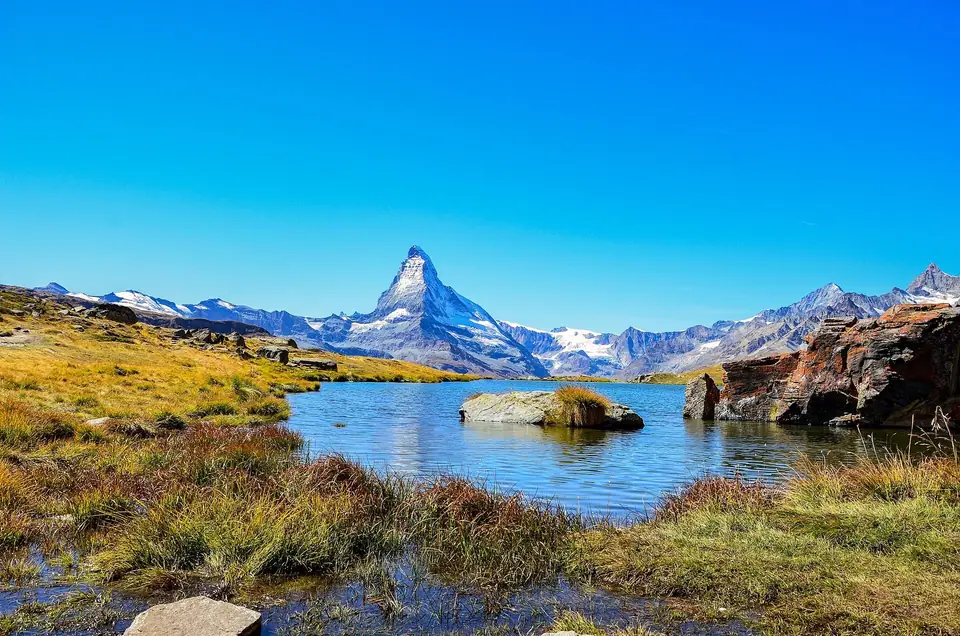
3-Day Zermatt Itinerary: Village, Gornergrat, Lakes and Matterhorn
A balanced three-day plan linking Zermatt's three mountain sectors, mirror lakes, glacier viewpoints, and historic larch-wood village quarters.
Three full days in Zermatt allow you to experience all three mountain lift sectors, Gornergrat to the east, Sunnegga and Rothorn to the northeast, and Schwarzsee and Klein Matterhorn to the south, while leaving time for the 16th-century larch barns, glacier gorges, and museums on the valley floor. Always check morning webcams at Bahnhofplatz and put your high-mountain ascent on the clearest day.
Day 1: Sunnegga Five Lakes Walk, Findeln, Hinterdorf & Zermatlantis
- Morning, Sunnegga and the Five Lakes Walk: Start at the Kirchbrücke bridge for sunrise on the Matterhorn, then walk five minutes to the 1980 Sunnegga underground funicular and ride the connecting gondola up to Blauherd (2,571 metres). Hike the downhill Five Lakes Walk past the mirror reflections of the Stellisee (2,537 metres) and larch-fringed Grindjisee (2,334 metres), continuing past the Grünsee, Moosjisee, and Leisee before descending on foot into the sunny hamlet of Findeln (2,051 metres) for lunch facing the Matterhorn.
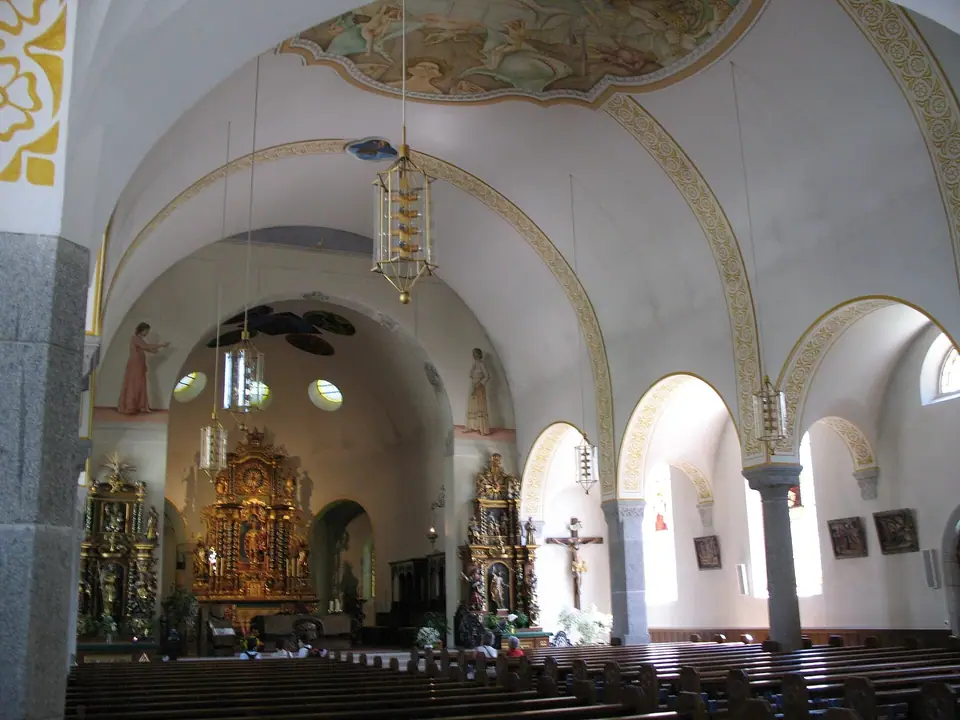
- Afternoon, Hinterdorf Stadel and Matterhorn Museum: Walk or take the funicular back to Zermatt and explore Bahnhofstrasse and the Hinterdorf, where more than thirty 16th- to 18th-century larch-wood Stadel and Spycher barns stand on stone mouse-plates. On Kirchplatz, visit the 1916 Parish Church of St. Mauritius, the Mountaineers' Cemetery, and the underground Matterhorn Museum (Zermatlantis) to see the 14 reconstructed houses and Edward Whymper's severed 1865 climbing rope.
- Evening: Dine on wood-fired Raclette du Valais AOP and Walliser Trockenfleisch IGP along Bahnhofstrasse.
Day 2: Gornergrat Railway (3,089 m), Gorner Glacier, Riffelsee & Riffelalp
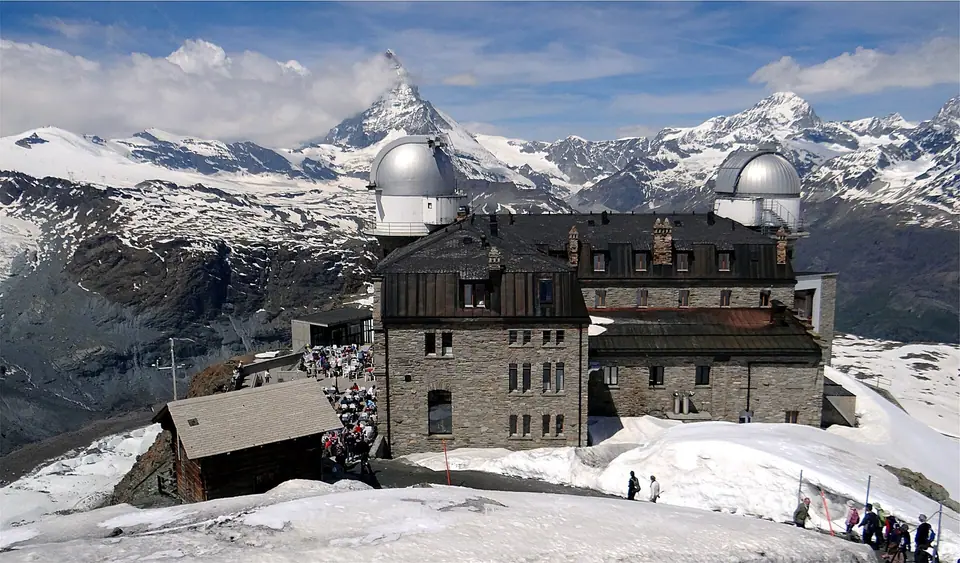
- Morning, Gornergrat and the 29 Four-Thousanders: Board the 1898 Gornergrat Railway opposite Zermatt station (sit on the right-hand side) for its 9.34-kilometre climb to 3,089 metres. Walk up to the 3,120-metre Kulmhotel Gornergrat viewing terrace to survey the Dufourspitze (4,634 metres), the Gorner and Grenz glaciers, and the 2009 aluminium-clad Monte Rosa Hut (2,883 metres) across the ice.
- Afternoon, Riffelsee Mirror Walk and Riffelalptram: Ride one stop down to Rotenboden (2,815 metres), walk ten minutes to the Riffelsee (2,757 metres) and its lower companion tarn for the classic Matterhorn reflection, and hike 45 minutes across the alpine meadow to Riffelberg (2,582 metres). Continue down to Riffelalp (2,211 metres) to ride the 675-metre battery-powered Riffelalptram to the Riffelalp Resort (2,222 metres) before returning to Zermatt.
Day 3: Klein Matterhorn (3,883 m), Schwarzsee, Hörnli Hut & Gorner Gorge
- Morning, Klein Matterhorn Glacier Paradise: Ride the Matterhorn Express gondola from the southern end of Zermatt to Trockener Steg (2,939 metres) and transfer to the 2018 3S tricable gondola up to Klein Matterhorn (3,883 metres), Europe's highest cableway station, for the 360-degree summit platform, the sub-glacial Glacier Palace, and views of the 4,164-metre Breithorn and 2023 Testa Grigia crossing.
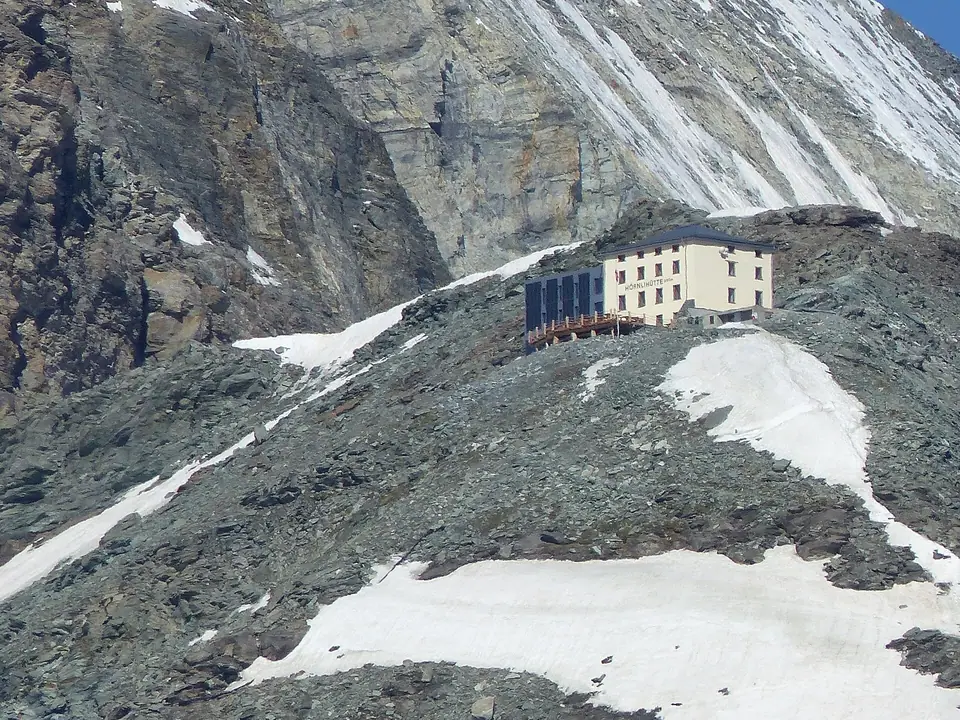
- Afternoon, Schwarzsee, Hörnliweg or Gorner Gorge and Zmutt: Descend to Schwarzsee (2,583 metres) to visit the whitewashed lakeside chapel of Maria zum Schnee (2,552 metres) and either hike up the Hörnliweg to the Hörnli Hut (3,260 metres) or walk down via the hamlet of Zmutt (1,936 metres) and the wooden galleries of the Gorner Gorge (Gornerschlucht) back into Zermatt.
Adapting This Three-Day Plan for Weather, Season and Walking Pace
Because mountain weather in the high Pennine Alps can shift from cloudless blue skies on one day to high-altitude wind or valley mist on the next, treat the sequence of Days One, Two, and Three as three interchangeable daily modules rather than a rigid order. On the evening of your arrival, and again each morning over breakfast, check the live high-definition webcams and wind speed readings displayed at the railway square, valley lift portals, and hotel lobbies. Whenever the forecast promises a crystal-clear, low-wind morning, prioritize the high-altitude ascent on Day Three to the glacier saddle or the Day Two rack railway ride to the eastern ridge, saving the lower forest paths, gorge boardwalks, and underground museum halls for a day when clouds cap the upper summits.
This three-day structure also adapts smoothly to different walking abilities and seasonal conditions. Travellers who prefer gentle, low-impact sightseeing without long mountain hikes can still enjoy every single viewpoint in the itinerary: on Day One, ride the underground funicular and connecting gondola up to the eastern terrace to admire the nearest lake and take the funicular back down; on Day Two, ride the cogwheel train all the way to the summit terrace and hop off for just the ten-minute stroll to the reflection tarn before riding the historic tram through the stone pines; and on Day Three, ascend by heated tricable gondola to the high glacier platform and return via the lakeside chapel without climbing the steep ridge path.
Conversely, energetic summer hikers can expand each day by walking the full downhill trails between intermediate stations, combining the western glacier trail with the woodland descent through the old farming hamlets and river canyon. If you visit during the winter ski months described in our seasonal climate guide, when the high alpine lakes sleep beneath deep snow, replace the summer lake paths with groomed winter walking trails, high-altitude sledging runs on the eastern ridge, and long ski descents across all three mountain sectors before warming up each evening over melted raw-milk cheese and air-dried beef in the car-free village core.
To keep your daily transitions unhurried, group your dining and village sightseeing around the valley terminal where each afternoon ends. After descending from the eastern lakes on Day One, you are already on the right side of the river to wander into the timber lanes of the old quarter; after returning from the cogwheel railway on Day Two, you step out directly onto Bahnhofplatz at the top of the main promenade; and after descending from the southern gondolas or river gorge on Day Three, you walk naturally through the quiet southern chalets of Winkelmatten back toward the church bridge.
Purchasing a multi-day peak pass or using a Swiss half-fare card across all three days also simplifies morning departures, letting you scan straight through the valley turnstiles onto the funicular, rack railway, and gondolas without queuing at individual ticket windows when the morning mountain light is at its sharpest. Keeping a small flask of water, sun protection, and a warm windproof layer in your daypack ensures you stay comfortable from early morning sunrise on the village bridge to late afternoon descents off the high ridges.
Traveller tips
Real advice from people who have been to 3-Day Zermatt Itinerary: Village, Gornergrat, Lakes and Matterhorn. Every tip is read by our team before it goes live.
No tips yet. Been here? Yours could be the first.
Thank you! Your tip will appear here after a quick review.
More in Zermatt
Continue exploring Zermatt with related neighbourhood, food, and planning guides
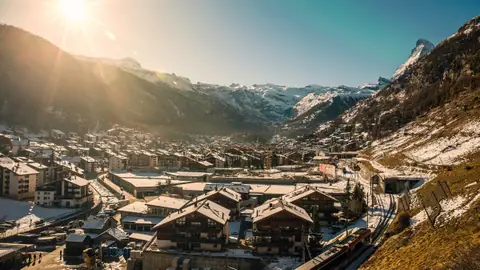
Zermatt: Car-Free Valley Layout and Four-Thousanders
Zermatt, Switzerland
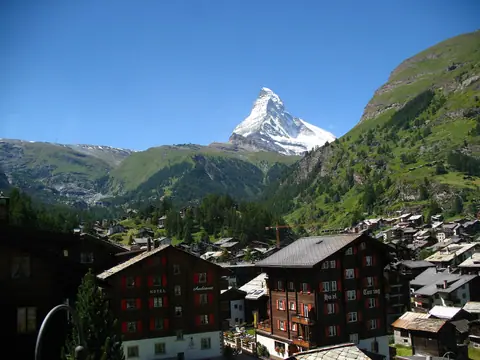
Things to Do in Zermatt: Matterhorn Views, Railways and Lakes
Zermatt, Switzerland
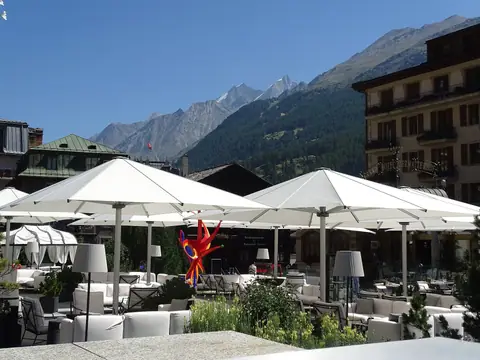
Bahnhofstrasse, Hinterdorf Timber Barns and Matter Vispa Walk
Zermatt, Switzerland
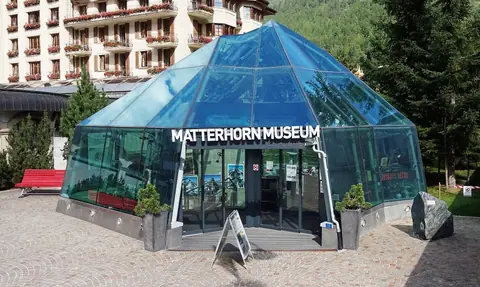
Matterhorn Museum (Zermatlantis), 1865 Ascent and Mountaineers' Cemetery
Zermatt, Switzerland
