


























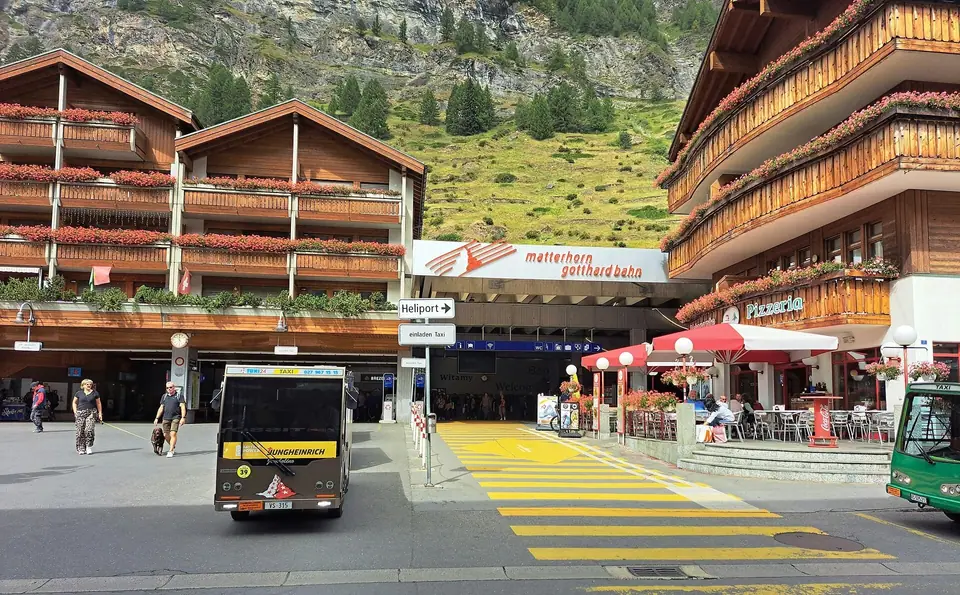
How to Get to Zermatt: Täsch Shuttle, Visp Trains and Glacier Express
Step-by-step instructions for reaching car-free Zermatt by train from Zurich, Geneva, and Bern, parking at Täsch, and boarding the Glacier Express.
Because Zermatt (1,604 metres at the station) sits at the southern end of the narrow Mattertal and enforces a strict ban on private combustion-engine cars, every visitor completes the final leg of the journey on the metre-gauge (1,000 mm) tracks of the Matterhorn Gotthard Bahn (MGB). Reaching the village is straightforward whether you arrive by international train, Swiss airport rail, or car.
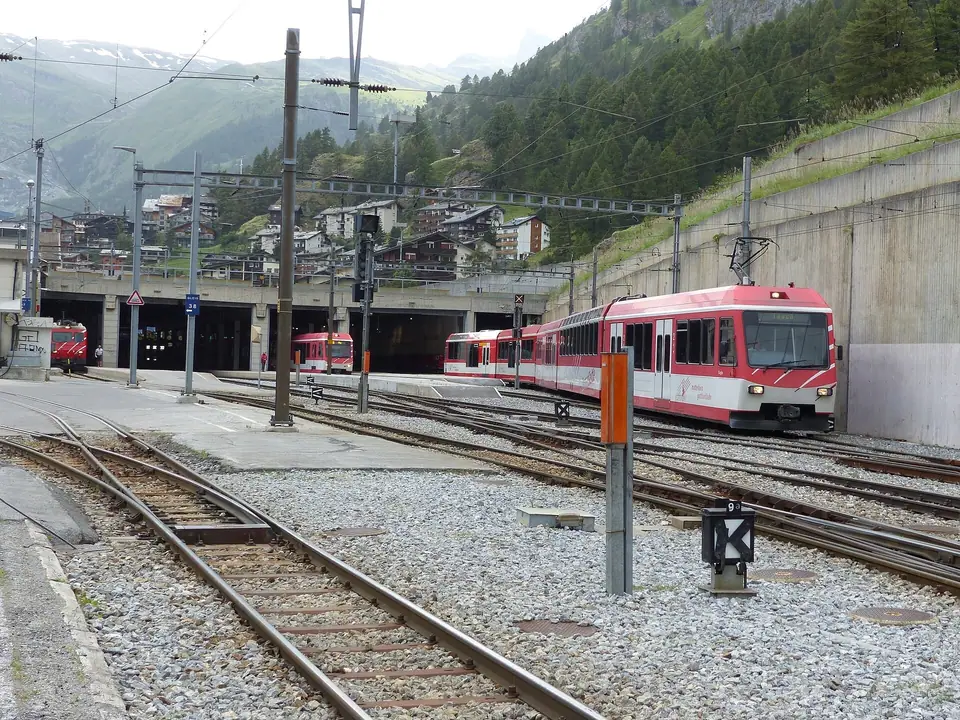
1. By Train via Visp and Brig on the 1891 Railway Line
From Zurich, Bern, Basel, Interlaken (via Spiez), or Milan, standard-gauge SBB InterCity and EuroCity trains run through the Lötschberg Base Tunnel (opened 2007) or the Simplon Tunnel to Visp (651 metres) and Brig in the Rhône Valley; from Geneva Airport and Lausanne, direct IR90 and InterCity trains follow Lake Geneva and the Rhône Valley to Visp. At Visp, you walk directly across the platform (no stairs required) to the metre-gauge Brig to Zermatt railway line. Concessioned on 21 September 1886 and opened to Zermatt on 18 July 1891 as the Visp-Zermatt-Bahn (merged in 2003 with the Furka Oberalp Bahn to form the MGB), the 44-kilometre line climbs nearly 1,000 vertical metres along the rushing Matter Vispa using six Abt rack-rail sections with a maximum gradient of 12.5 percent. Trains depart Visp every thirty minutes and reach Zermatt in roughly one hour and eight minutes (total journey time: about 3 hours 15 minutes from Zurich Airport and 3 hours 45 minutes from Geneva Airport).
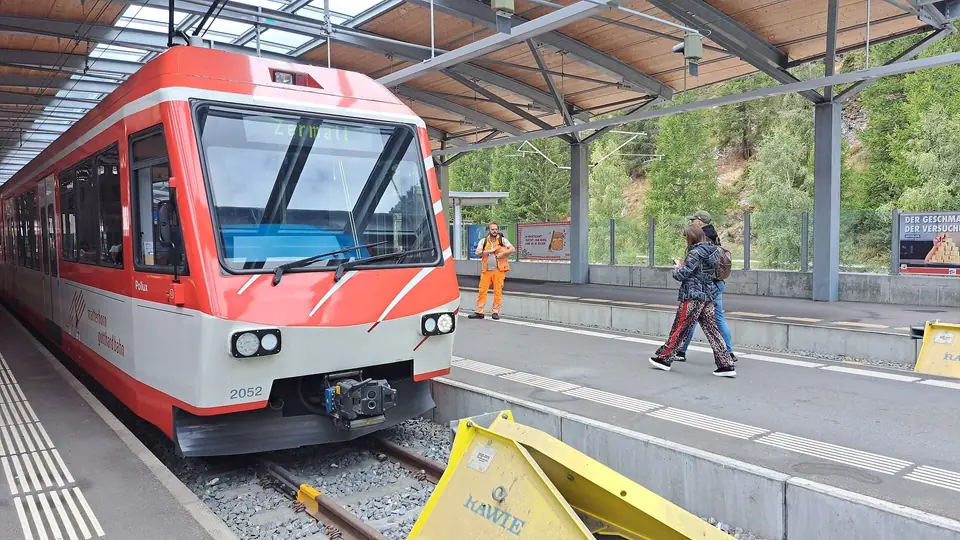
2. Driving to the Matterhorn Terminal in Täsch (5 km North)
The public cantonal road up the Mattertal ends for private motorists at Täsch (1,449 metres), located 5 kilometres north of Zermatt. Directly beside the road stands the Matterhorn Terminal Täsch, a covered multi-storey park-and-ride garage with 2,100 parking spaces (plus overflow parking in the village). From the terminal platform inside the same building, low-floor MGB shuttle trains depart every 20 minutes, covering the final 5-kilometre rack climb into Zermatt railway station in just 12 minutes with luggage trolleys that roll straight onto the carriages.
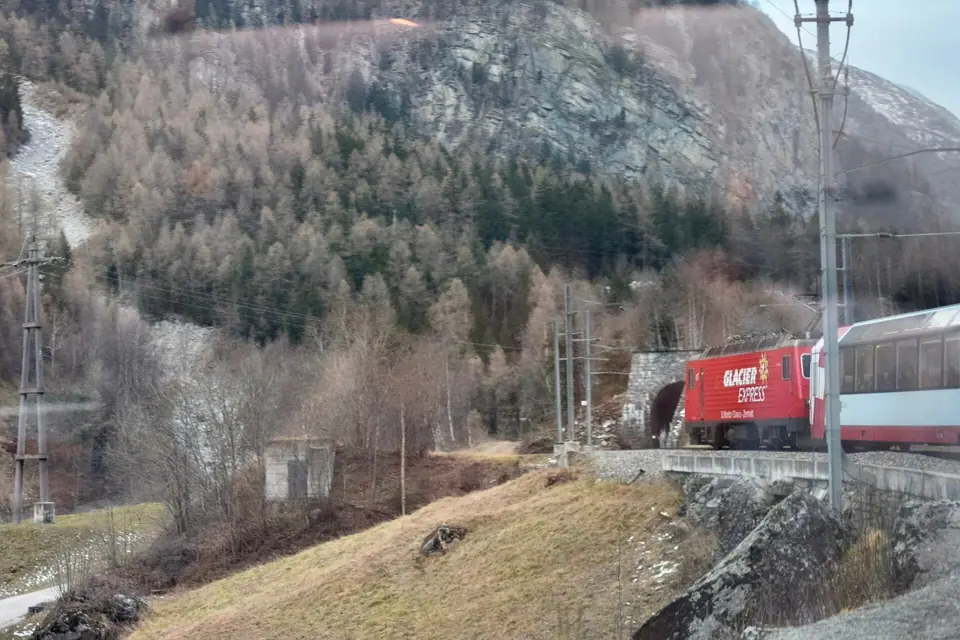
3. Riding the Glacier Express from St. Moritz, Chur and Andermatt
Zermatt is the western terminus of the world-famous Glacier Express, which made its inaugural run from Zermatt in the early morning on 25 June 1930 after the metre-gauge link between Visp and Brig opened. Operated jointly by the MGB and the Rhaetian Railway (RhB) since 1982 as a year-round service through the 15.34-kilometre Furka Base Tunnel, the panoramic train covers 291 kilometres between St. Moritz and Zermatt in roughly eight hours, crossing 291 bridges, passing through 91 tunnels, and climbing over the 2,033-metre Oberalp Pass.
4. Local Transfers Inside Zermatt
Outside Zermatt station, battery-powered hotel shuttles, electric taxis (Elektromobile), and two municipal electric bus lines connect Bahnhofplatz with Kirchplatz, the Sunnegga funicular, Winkelmatten, and the Matterhorn Express valley terminal.
All trains, shuttles, and local buses are coordinated around luggage-friendly transfers, so whether your trip involves a week's worth of winter ski equipment or a light summer daypack, moving from the station platform to your hotel neighbourhood or straight to the Gornergrat rack railway opposite the station takes only a few minutes.
5. Luggage Transfers, Rail Passes and Electric Taxi Logistics
Travellers exploring Switzerland by public transport can use national rail passes and half-fare cards on the standard-gauge mainlines to Visp and Brig as well as on the metre-gauge climb up the Mattertal, while also receiving discounted fares on the mountain railways and cableways to Gornergrat, Klein Matterhorn, and Sunnegga. If you plan to board the panoramic Glacier Express between St. Moritz and Zermatt, remember that seat reservations are compulsory in addition to a valid rail ticket and should be arranged well ahead of travel during peak summer and winter weeks; alternatively, regular regional metre-gauge trains cover the exact same scenic tracks and bridges over the Oberalp Pass with a couple of easy platform changes and no reservation supplement.
When riding the climb from Visp up the valley, sit on the right-hand side of the carriage if you want early views of the tumbling river gorge and the dramatic initial glimpse of the Matterhorn just before the tracks enter the village station. Drivers arriving at the covered terminal in Täsch can pull directly into the unloading bays, transfer bags onto free luggage carts that roll straight into the low-floor shuttle carriages, and leave their cars in weather-protected parking spaces for the duration of their stay, including dedicated charging bays for electric vehicles.
Once your train glides into Zermatt station, check whether your hotel operates its own private battery-powered shuttle cart from the covered waiting area on the north side of the station square. Many properties meet arriving guests at the platform when given your train arrival details in advance, while visitors staying along pedestrianised Bahnhofstrasse or Kirchplatz can simply roll their wheeled suitcases down the smooth paved street in five to ten minutes while breathing crisp, exhaust-free mountain air.
For departing travellers whose return flight or mainline train leaves later in the evening, left-luggage lockers and staffed baggage counters inside the railway station allow you to store suitcases securely after checking out of your room, freeing your final afternoon for one more mountain cableway ride or a leisurely lunch in the village before boarding your train down the valley.
Inside the village, municipal electric buses run on two main loops linking the railway square with the eastern funicular portal, the southern gondola terminal, and the elevated streets of Winkelmatten. Because the entire valley floor is level along the river channel and compact from north to south, most visitors find they rarely need wheeled transport once their bags are dropped at their hotel, walking effortlessly between bakeries, trailheads, and lift stations throughout our three-day itinerary.
Checking return train connections on the national rail app before your final mountain descent ensures a smooth handover at Visp or Brig, where mainline carriages wait directly across the platform to carry you onward to Geneva, Zurich, Basel, Bern, or northern Italy without stress, while giving you a final look at the steep rock walls of the lower Mattertal.
Traveller tips
Real advice from people who have been to How to Get to Zermatt: Täsch Shuttle, Visp Trains and Glacier Express. Every tip is read by our team before it goes live.
No tips yet. Been here? Yours could be the first.
Thank you! Your tip will appear here after a quick review.
More in Zermatt
Continue exploring Zermatt with related neighbourhood, food, and planning guides
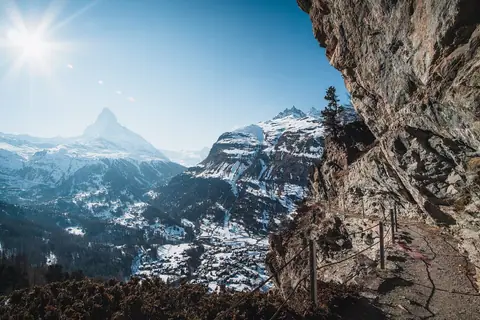
Best Time to Visit Zermatt: Climate Normals, Hiking & Ski Seasons
Zermatt, Switzerland
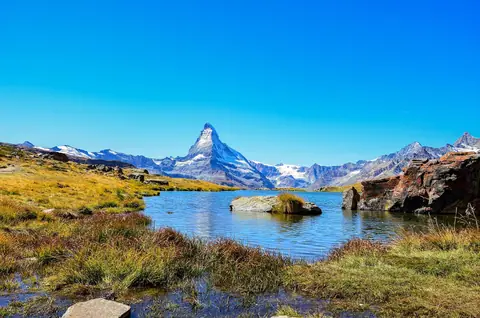
3-Day Zermatt Itinerary: Village, Gornergrat, Lakes and Matterhorn
Zermatt, Switzerland
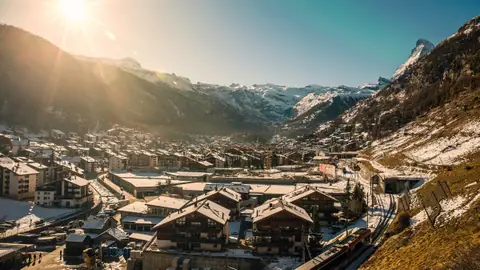
Zermatt: Car-Free Valley Layout and Four-Thousanders
Zermatt, Switzerland
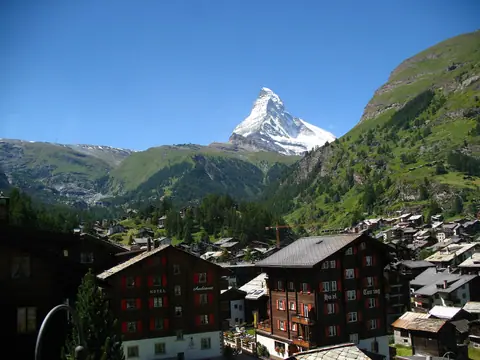
Things to Do in Zermatt: Matterhorn Views, Railways and Lakes
Zermatt, Switzerland
