


























What to Eat in Zermatt: Raclette du Valais, Trockenfleisch and Cholera
An editorial guide to Zermatt's traditional Valais mountain dishes, from wood-fired Raclette du Valais AOP and air-dried beef to baked Cholera pastry.
Before the railway reached the Mattertal in 1891, families in Zermatt (1,620 metres) had to survive long, snowbound winters using what could be grazed on high alpine pastures, grown on sunny terraces like Findeln, and preserved in the dry wind of the Valais. Today, whether you eat in a timber stube along Bahnhofstrasse or on a mountain terrace at Sunnegga, three regional specialities define the local table.
1. Raclette du Valais AOP and Käseschnitte
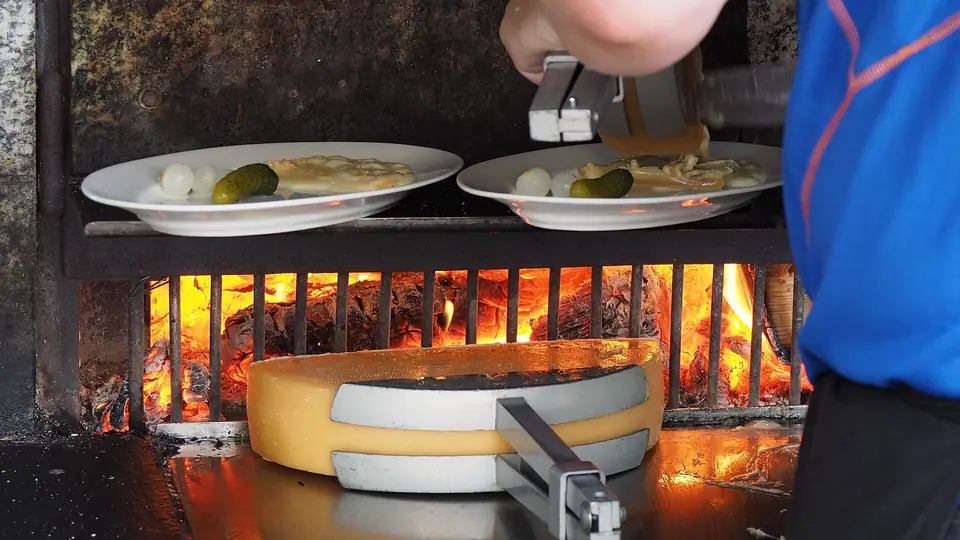
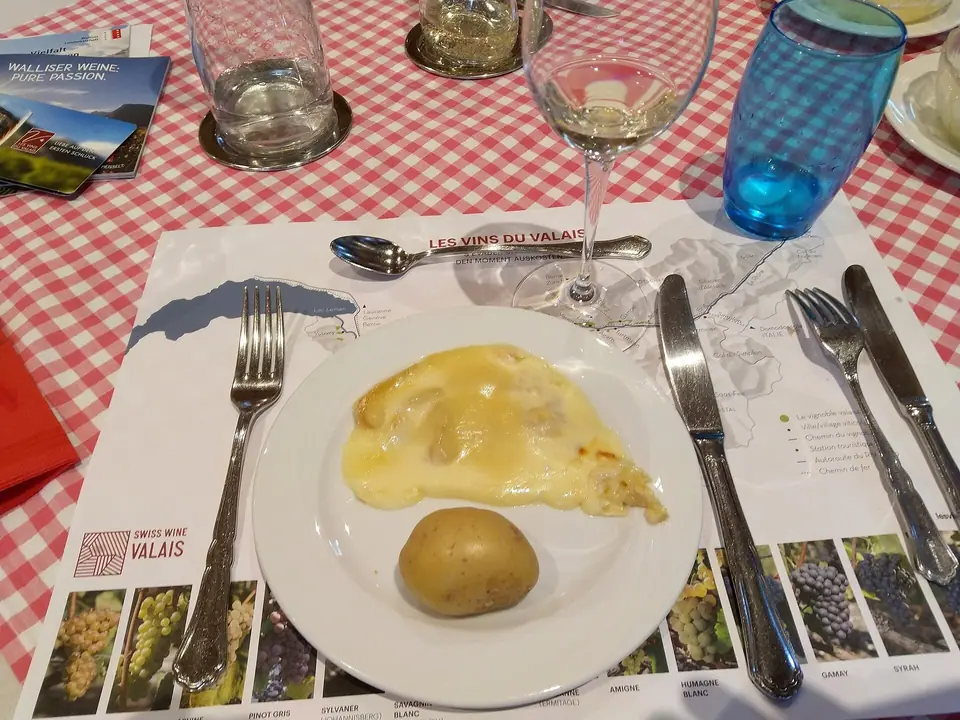
The canton of Valais is the historic homeland of Raclette, whose name comes from the Franco-Provençal dialect verb racler ("to scrape"), recorded in Valais cheese documents as early as 1574 and officially named in 1874 before gaining nationwide fame at the 1909 cantonal exhibition in Sion. Authentic Raclette du Valais AOP is made exclusively from unpasteurised raw cow's milk in Valais dairies and aged for at least three months (with a minimum 50 percent fat content in dry matter). In traditional Zermatt restaurants, a half-wheel of cheese is clamped in front of a glowing wood fire or electric radiant bar; as the top layer blisters and browns, the server scrapes a molten portion directly onto a warm plate alongside small jacket potatoes (Gschwellti), pickled gherkins, silverskin onions, and freshly ground black pepper. Another beloved dairy staple is Walliser Käseschnitte: thick slices of bread soaked in dry Valais white wine, topped with ham, tomatoes, and mountain cheese, and baked until bubbling, often crowned with a fried egg.
2. Walliser Trockenfleisch IGP and Walliser Roggenbrot AOP
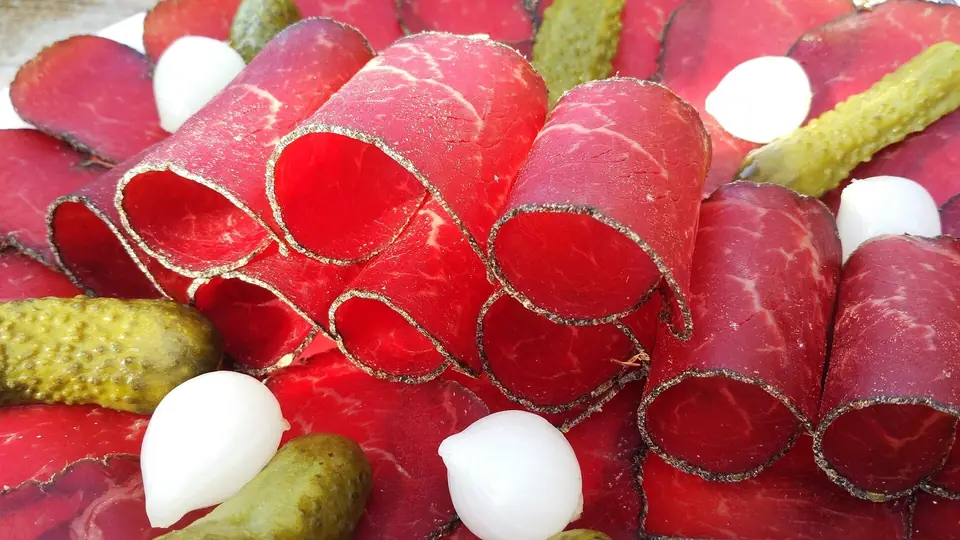
Every mountain lunch begins with a wooden board called a Walliser Teller, led by paper-thin ruby-red slices of Walliser Trockenfleisch IGP (protected geographical indication). Documented in the region since the 14th century and in Sebastian Münster's 1544 Cosmographia, this air-dried beef is made strictly from Swiss beef hindquarters rubbed with salt and alpine herbs and hung in ventilated Valais drying lofts (between 800 and 1,000 metres or higher, never smoked) for five to sixteen weeks until it loses 40 to 50 percent of its weight. It is served alongside air-dried raw ham (Rohschinken), herb-cured bacon (Trockenspeck), dry sausages, and dense, round sourdough rye bread, Walliser Roggenbrot AOP, traditionally baked in communal village ovens so it would stay edible for months in the Hinterdorf Spycher storehouses.
3. Gommer Cholera and Valais Alpine Wines
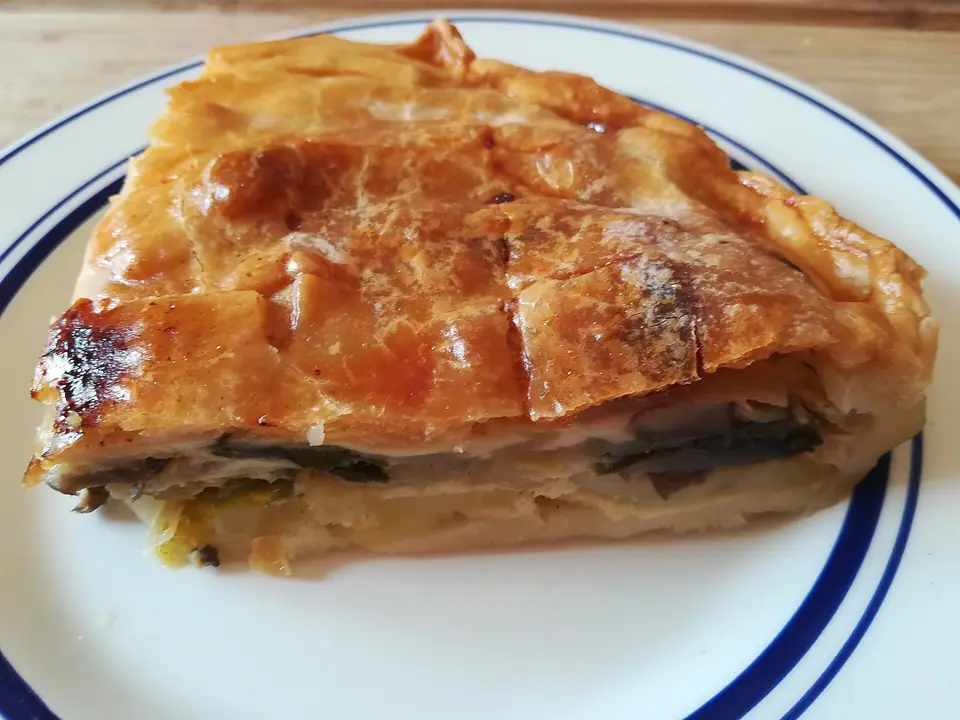
A signature dish of Upper Valais is Cholera (or Gommer Cholera), a savoury double-crust shortcrust or puff-pastry pie that originated during the 1830s cholera epidemic, when villagers avoided markets and baked whatever staples they had stored in their cellars, including layered boiled potatoes, caramelized leeks and onions, sliced apples or pears, bacon, and aged mountain cheese, into a rich golden tart. Pair your meal with crisp Valais white wines grown on terraced Rhône vineyards downstream from Visp, such as Fendant (Chasselas), Johannisberg (Sylvaner), or high-altitude Heida (Savagnin Blanc).
Alongside those white wines, local cellars pour characterful Valais reds such as Pinot Noir, Syrah, and indigenous Cornalin and Humagne Rouge, whose dark berry fruit and firm acidity cut cleanly through rich melted cheese, roasted meats, and buttery pastry crusts.
4. Rösti, Alpine Barley Soup and Sweet Apricot or Apple Pastries
Walkers pausing at mountain huts and hamlet terraces around Schwarzsee or Riffelalp will also encounter hearty pan-fried potato Rösti, shredded from waxy parboiled potatoes and crisped in butter inside a cast-iron skillet until golden brown on the outside and tender within, often topped with melted alpine cheese, crispy bacon strips, and a sunny-side-up egg. On chilly afternoons or after a winter morning on the pistes, a steaming bowl of regional barley and vegetable soup simmered with diced air-dried meat restores warmth quickly. For dessert or afternoon coffee along the pedestrian promenade, bakeries turn out flaky fruit tarts baked with tangy Valais apricots or spiced apples, dense walnut pastries, and fruit brandies such as clear Abricotine or pear Williamine distilled in the orchards of the Rhône Valley.
Dining Etiquette, Mountain Lunch Timing and Table Reservations
Dining in the village and on the mountain slopes ranges from rustic dark-timber cellar stubes where wooden beams smell of woodsmoke and melted cheese to sunlit gourmet terraces in the hamlets above town. If you plan to eat midday lunch at the popular outdoor terraces in Findeln, Zum See, or Blatten during the busy summer hiking months or the winter ski season, book a table in advance and time your arrival either for an early seating around noon or a relaxed late seating after the midday rush, leaving plenty of daylight for the pleasant downhill walk back to the valley floor.
In the evening along the central village streets and in historic hotel dining rooms, reserving a table ahead of time is equally wise, especially if you want to sit beside a wood-burning hearth where half-wheels of raw-milk cheese are scraped to order. Eating slowly over several freshly scraped portions of cheese accompanied by warm jacket potatoes and crisp white wine, while skipping cold ice water in favour of warm herbal mountain tea or dry white wine as local tradition recommends, turns an evening meal into one of the most memorable cultural experiences of our three-day itinerary.
Visitors who prefer to assemble a mountain picnic for a day on the high trails can stop at the village bakeries and dairy shops along Bahnhofstrasse in the morning to pick up a round loaf of sourdough rye bread, vacuum-sliced air-dried beef, and a wedge of aged alpine cheese. Enjoying those regional staples on a sunlit boulder beside a high tarn links the flavours of the valley directly with the pastures where the ingredients originated.
Many family-run restaurants and mountain inns also highlight seasonal autumn game specialties, alpine herb infusions gathered on the surrounding slopes, and artisanal cheeses from individual valley alps, giving curious diners the chance to compare subtle differences in flavour between pastures at different elevations around the Mattertal. Asking your server which local dairy produced the evening's cheese wheel or which vineyard terraced above the Rhône supplied the house white wine adds a rewarding local story to every course.
Traveller tips
Real advice from people who have been to What to Eat in Zermatt: Raclette du Valais, Trockenfleisch and Cholera. Every tip is read by our team before it goes live.
No tips yet. Been here? Yours could be the first.
Thank you! Your tip will appear here after a quick review.
More in Zermatt
Continue exploring Zermatt with related neighbourhood, food, and planning guides
Matterhorn Museum (Zermatlantis), 1865 Ascent and Mountaineers' Cemetery
Zermatt, Switzerland
Gornergrat Railway (3,089 m), Kulmhotel and Riffelalp Tram Guide
Zermatt, Switzerland
Riffelsee Mirror Lake, Gorner Glacier and Monte Rosa Hut Guide
Zermatt, Switzerland
Klein Matterhorn (3,883 m), Glacier Paradise and 3S Cableway Guide
Zermatt, Switzerland
