


























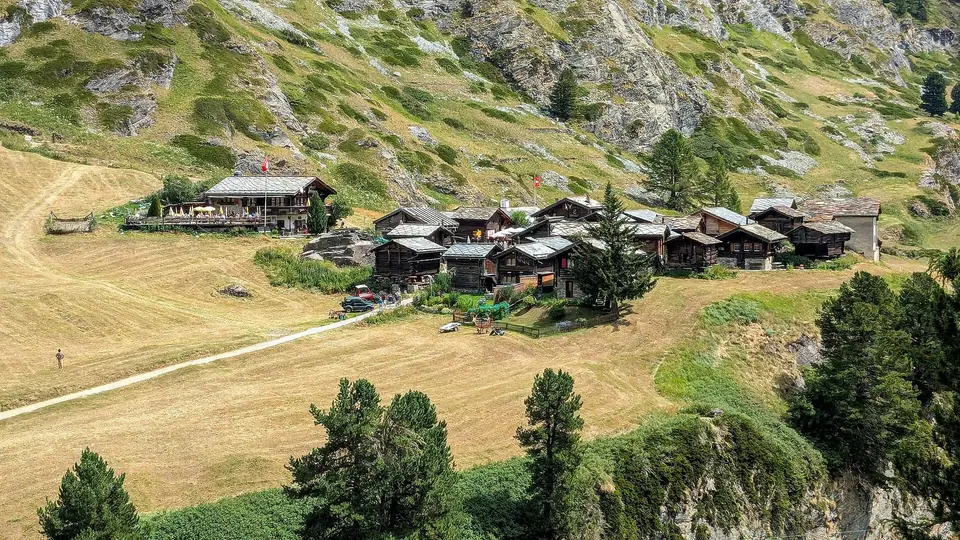
Gorner Gorge (Gornerschlucht), Zmutt and Findeln Hamlets Guide
Explore Zermatt's best low- and mid-altitude valley walks, from the serpentinite chasm of the Gorner Gorge to the historic chapels of Zmutt and Findeln.
When high clouds cap the upper peaks, or when you want a quiet half-day walk through larch woods and wildflower meadows without buying a high-alpine cableway ticket, the valleys immediately above Zermatt preserve a ring of historic summer farming hamlets (Weiler) and a dramatic glacial river canyon just twenty minutes from Kirchplatz.
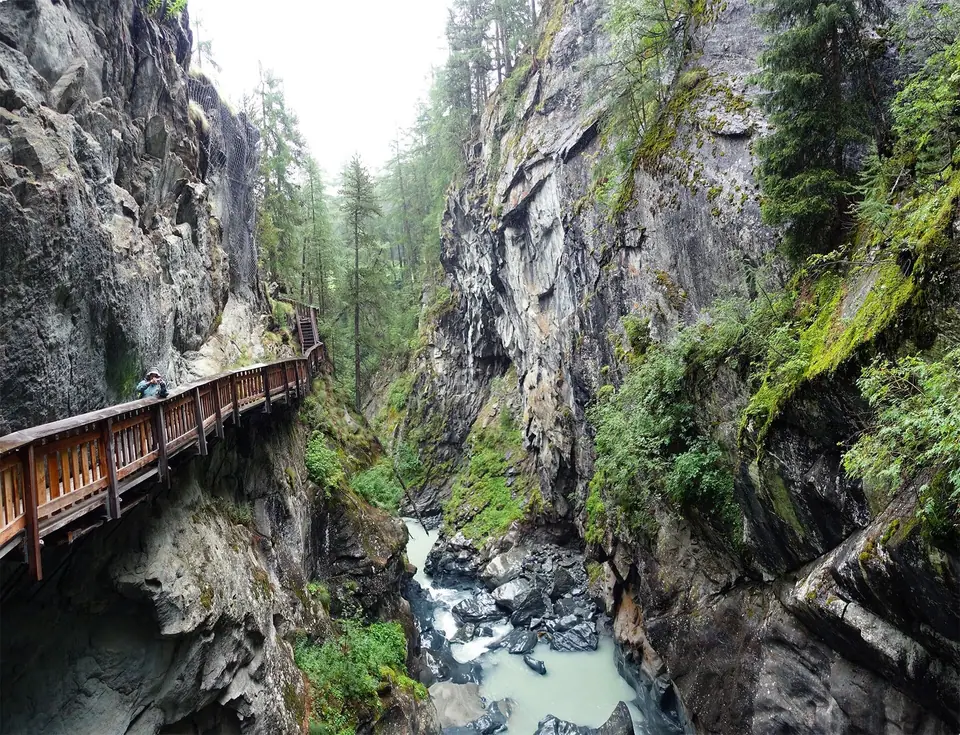
Walking the Wooden Galleries of the Gorner Gorge (Gornerschlucht)
Twenty minutes on foot south of the village centre past the quarter of Winkelmatten, the meltwater of the Gornera river, draining from the Gorner Glacier and Furgg Glacier, plunges into the narrow chasm of the Gorner Gorge (Gornerschlucht). Over thousands of years since the last ice age, sediment-laden water carved deep potholes, chutes, and waterfalls through bands of greenish 220-million-year-old serpentinite rock. Opened to visitors with timber walkways between 1886 and 1887 by three citizens from nearby Zum See, the 200-metre-long gorge is crossed in fifteen to twenty minutes along cantilevered wooden bridges and rock stairs open from late May to October (small entry fee at the kiosk). Exiting the upper end of the gorge puts you ten minutes below the tiny larch-wood hamlet of Blatten and Zum See (1,766 metres, home to a 17th-century chapel and traditional garden restaurant) on the path toward Furi (1,867 metres).
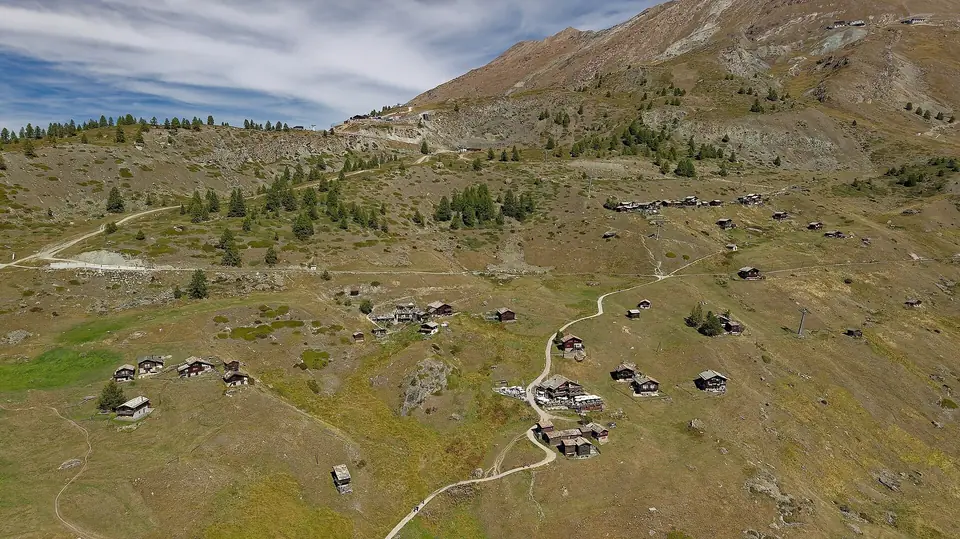
Zmutt (1,936 m) and the Grande Dixence Reservoir Dam
West of Zermatt, a gentle 3.5-kilometre footpath climbs steadily along the northern flank of the Zmuttbach ravine through larch forest to the car-free hamlet of Zmutt at 1,936 metres (roughly one hour from the village). Inhabited for centuries as a summer pasture settlement on the medieval trade route toward the Val d'Hérens, Zmutt clusters around twenty dark timber houses, Stadel granaries on stone mushroom slabs, and the whitewashed baroque chapel of St. Catherine, with the north face of the Matterhorn rising directly behind the roofs. Ten minutes west of the hamlet stands the 74-metre-high concrete arch dam of the Zmutt Reservoir (Stausee Zmutt, built between 1961 and 1964), where a pumping station collects glacial meltwater from the Zmutt, Schönbiel, and Gorner basins and channels it through mountain tunnels to the Lac des Dix, the main reservoir of Switzerland's Grande Dixence hydroelectric complex.
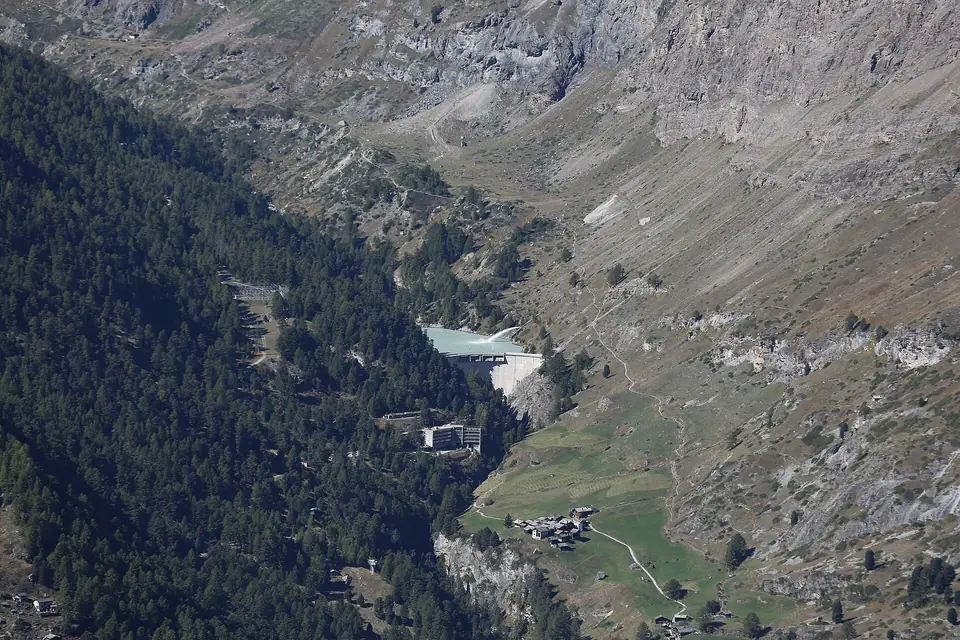
Findeln (2,051 m): Sunny Terraces and High-Altitude Rye
On the opposite eastern slope below Sunnegga (2,280 metres), the terraced settlement of Findeln spreads between 2,000 and 2,150 metres above the Findelbach gorge. Once famous for cultivating rye and barley at over 2,000 metres, among the highest grain plots in Europe, and centred around the white chapel of St. Jakob, Findeln is now celebrated for its sunny mountain restaurants (such as Chez Vrony and Findlerhof) along the trail descending from Sunnegga back to Zermatt.
Walking down through Findeln toward the valley floor takes you past weathered larch-wood barns balanced on round stone mouse-plates and across wooden bridges spanning the tumbling Findelbach stream, returning you to the eastern bank of the main river near the Sunnegga funicular portal. Because the hamlet faces southwest across the valley, its terraces stay bathed in warm sunshine long after shadow falls over the lower river channel.
Linking the Hamlets and Gorge into Half-Day or Full-Day Loops
One of the major advantages of these mid-altitude hamlet trails is their flexibility: you can walk each route as a gentle out-and-back stroll from the village or link them together into a longer circular hike without ever rising into thin high-alpine air. A classic half-day western loop climbs through the larch woods along the north side of the Zmuttbach ravine to the baroque chapel of Zmutt and the concrete arch dam beyond, then returns along the southern bank past the timber houses of Blatten and Zum See before descending through the wooden galleries of the Gorner Gorge to the southern residential quarter of Winkelmatten.
Inside the gorge itself, spray from the churning glacial cascades keeps the air cool even on warm midsummer days, and rays of midday sunlight filtering down through the narrow rock cleft illuminate the polished green-and-black bands of serpentinite stone. Wear shoes with solid grip and bring a light water-resistant jacket for the boardwalks, as mist from the waterfalls dampens the timber railings. In autumn, the surrounding larch forests turn brilliant amber and gold, making October one of the quietest and most colourful months to walk between the chapels and traditional mountain restaurants of Zmutt, Zum See, and Findeln, as detailed in our seasonal guide.
Because these woodland and pasture trails stay well below the upper snowline, they open earlier in spring and remain walkable later in autumn than the rocky paths around Schwarzsee or Rotenboden. They also serve as a sheltered, scenic backup plan whenever high winds or thick cloud banks hide the upper four-thousand-metre summits, letting you experience centuries-old alpine farming architecture and dramatic glacial geology on foot straight from your hotel door.
Photography enthusiasts will also appreciate how the dark timber roofs and whitewashed chapel bell towers of Zmutt, Zum See, and Findeln provide classic foreground framing for the Matterhorn. Unlike the bare rock ridges higher up, these pastoral settlements surround the mountain view with flower-filled meadows, stacked firewood piles, and ancient larch trees, showing how human settlement adapted to the steep tributary valleys surrounding the village.
Along the footpaths connecting Zum See and Blatten with the southern edge of town, small stone shrines, historic wooden water channels, and dry-stone pasture walls illustrate the traditional summer grazing rhythm known as transhumance, when families moved their cattle progressively higher up the valley slopes as snow melted from the lower meadows to the high alpine pastures beneath the glaciers. Stepping into these quiet hamlets takes you back to the agricultural world preserved inside the Matterhorn Museum while keeping you within an easy downhill walk of the village centre.
Whether you choose the western forest walk to Zmutt in the morning when sunlight fills the ravine, the midday boardwalk through the cool green depths of the Gorner Gorge, or an afternoon descent from the eastern lakes through the sunny meadows of Findeln, these three historic corridors reveal the quiet rural heart of the Mattertal just beyond the valley lift terminals.
Traveller tips
Real advice from people who have been to Gorner Gorge (Gornerschlucht), Zmutt and Findeln Hamlets. Every tip is read by our team before it goes live.
No tips yet. Been here? Yours could be the first.
Thank you! Your tip will appear here after a quick review.
More in Zermatt
Continue exploring Zermatt with related neighbourhood, food, and planning guides
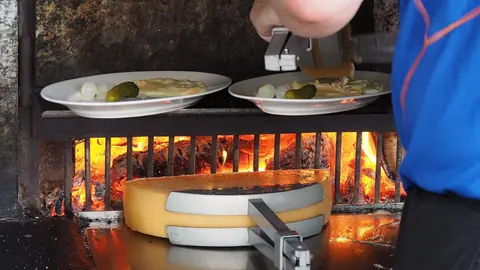
What to Eat in Zermatt: Raclette du Valais, Trockenfleisch and Cholera
Zermatt, Switzerland
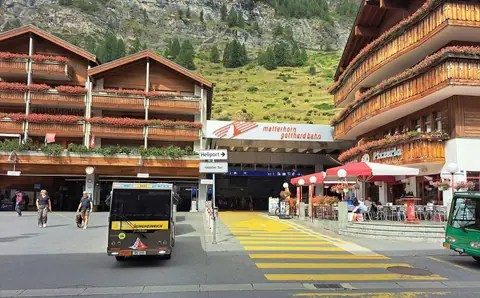
How to Get to Zermatt: Täsch Shuttle, Visp Trains and Glacier Express
Zermatt, Switzerland
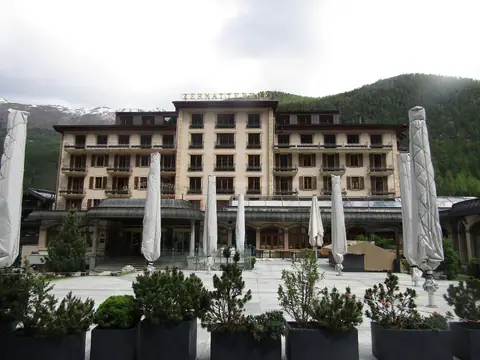
Where to Stay in Zermatt: Bahnhofstrasse, Winkelmatten & Riffelalp
Zermatt, Switzerland
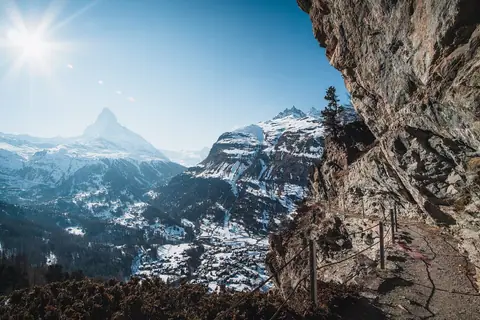
Best Time to Visit Zermatt: Climate Normals, Hiking & Ski Seasons
Zermatt, Switzerland
