


























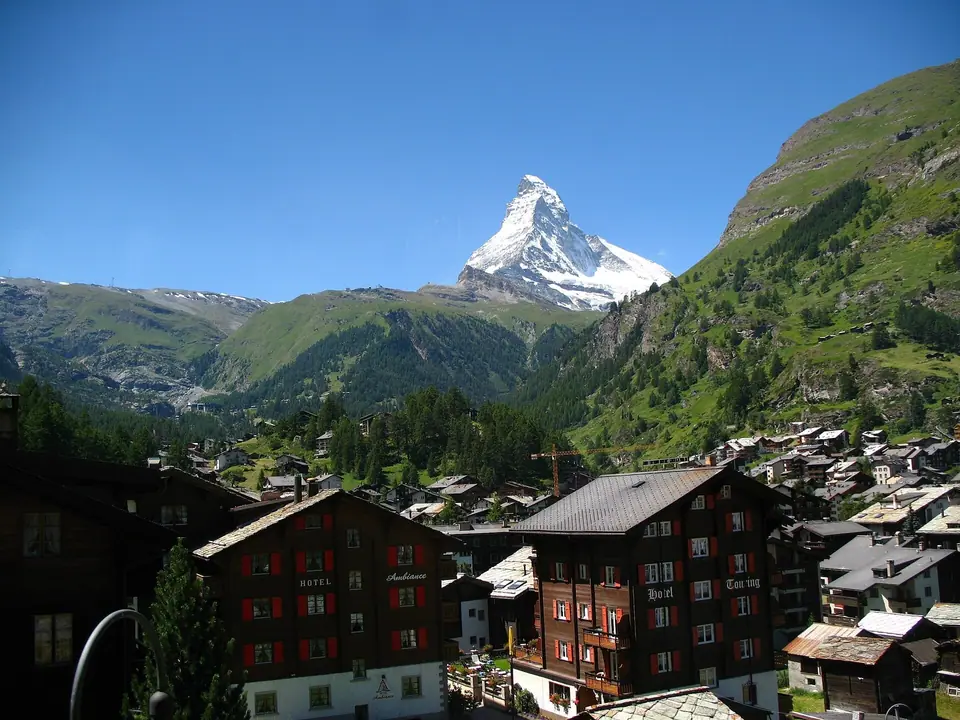
Things to Do in Zermatt: Matterhorn Views, Railways and Lakes
A structured guide to Zermatt's top experiences across three high-alpine lift networks, mirror lakes, glacier gorges, and historic larch-wood alleys.
Surrounded by 22 four-thousand-metre peaks and the second-largest contiguous glacier system in the Alps, Zermatt offers far more than a single postcard glimpse of the Matterhorn. Whether you visit for summer ridge hikes or winter snow, the town's highlights fall into four distinct experiences.
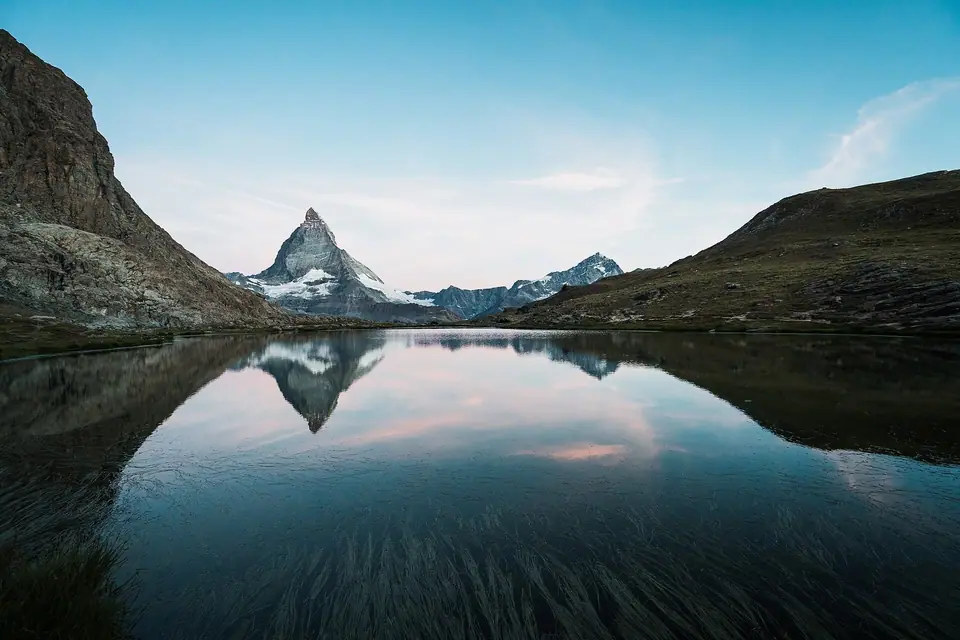
1. Ride the 1898 Gornergrat Railway to Riffelsee and 3,089 Metres
Directly across the square from Zermatt station, board Switzerland's first electric rack railway, the Gornergrat Railway, opened on 20 August 1898, for its 9.34-kilometre climb to Europe's highest open-air railway station at 3,089 metres. From the two observatory towers of the Kulmhotel Gornergrat (3,120 metres), you look straight across the Gorner and Grenz glaciers to the 4,634-metre Dufourspitze and 28 other 4,000-metre peaks. One stop below at Rotenboden (2,815 metres), walk ten minutes down to the Riffelsee (2,757 metres) to see the Matterhorn mirrored in the alpine tarn, or ride Europe's highest tramway (675 metres long) at Riffelalp (2,222 metres).
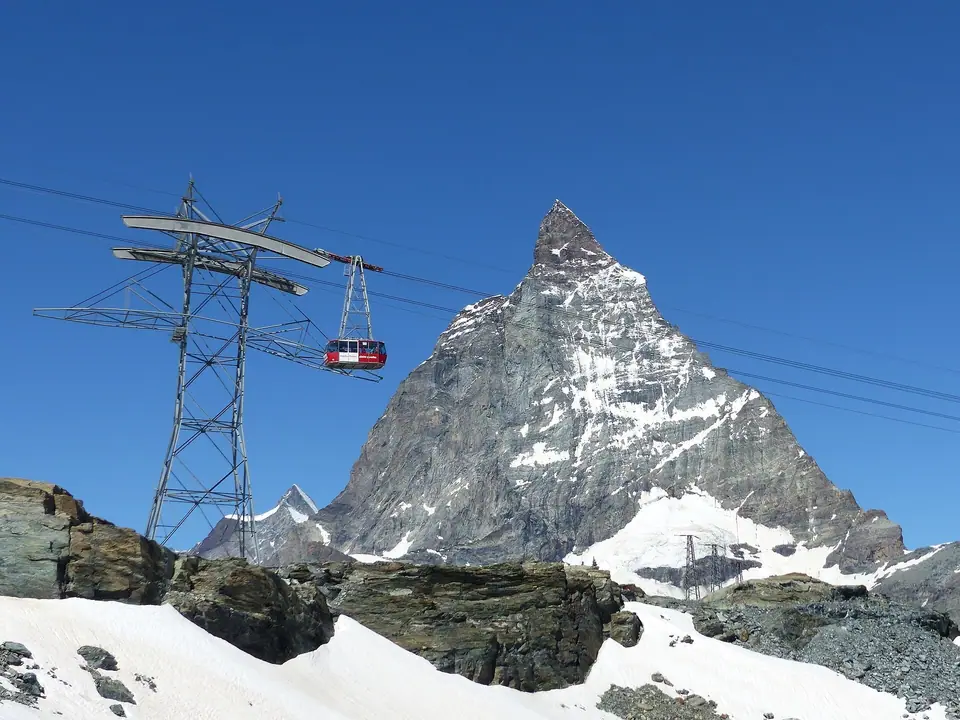
2. Ascend to Klein Matterhorn (3,883 m) and Schwarzsee (2,583 m)
At the southern end of the village, the eight-seat cabins of the Matterhorn Express gondola rise via Furi to Schwarzsee (2,583 metres), home to the whitewashed lakeside chapel of Maria zum Schnee and the trailhead for the two-to-three-hour hike up the northeast ridge to the Hörnli Hut (3,260 metres). Continuing via Trockener Steg (2,939 metres), the 1979 aerial tramway and the 2018 3S tricable gondola climb to Klein Matterhorn, where a summit lift reaches the 3,883-metre viewing platform, a sub-glacial Ice Palace, and the 2023 Matterhorn Alpine Crossing to Testa Grigia (3,480 metres) on the Italian border.
3. Hike the Sunnegga Five Lakes Walk and Gorner Gorge
On the sunny eastern slope above town, the 1980 Sunnegga tunnel funicular and Blauherd gondola (2,571 metres) give access to the Five Lakes Walk (5-Seenweg) past the Stellisee (2,537 metres) and pine-fringed Grindjisee (2,334 metres) down through the gourmet hamlet of Findeln (2,051 metres). Closer to the valley floor, walk the cantilevered wooden galleries inside the Gorner Gorge (Gornerschlucht) carved by the Gornera river, or follow the high meadow path west to the 17th-century chapel of Zmutt (1,936 metres).
4. Explore Hinterdorf, Zermatlantis and Valais Cuisine
Between mountain ascents, wander the 16th- to 18th-century larch-wood granaries on stone mushroom stilts in Hinterdorf, inspect the severed 1865 hemp rope inside the underground Matterhorn Museum (Zermatlantis), and sample melted Raclette du Valais AOP in our guide to what to eat in Zermatt.
Exploring the village core on foot reveals how tightly the nineteenth-century Golden Age of Alpinism is woven into the everyday streetscape. Bronze plaques set into the pavement along the central avenue commemorate famous mountain guides and historic ascents, while the quiet churchyard beside the parish church honours climbers from across Europe who tested themselves on the surrounding rock and ice walls. Stepping from the sunlit square into the subterranean museum halls lets you examine early ice axes, hemp ropes, and hand-turned stone vessels that connect prehistoric pass crossings with modern high-alpine engineering.
In the surrounding larch-wood alleys, dark timber beams weathered by centuries of dry mountain air and intense sunshine show how local families stored rye, air-dried beef, and hard mountain cheese above circular stone slabs designed to keep field mice at bay. Walking through these narrow passages in the late afternoon, before sitting down to a wood-fired cheese dish or a platter of cured meats, grounds your high-altitude excursions in the agricultural history of the upper valley.
5. Balancing High-Alpine Viewpoints with Valley and Forest Trails
To get the richest experience across your stay, alternate your mechanical ascents to rock ridges and glacier plateaus with half-day hikes through the lower valleys and alpine pastures. While the high terminals deliver sweeping views across dozens of snow-capped summits and crevassed ice streams, the mid-altitude footpaths let you walk beneath gnarled Swiss stone pines and golden larches, listen to glacial meltwater rushing through narrow green serpentinite chasms, and pass whitewashed baroque chapels standing in quiet mountain meadows.
Morning hours almost always provide the calmest water surfaces on the high reflection tarns and the clearest sightlines before afternoon convective clouds build along the main Alpine divide. Setting out on the early cogwheel trains or underground funiculars allows you to photograph still mirror reflections on the lakes and walk downhill through wildflower pastures toward sunny hamlet terraces for a leisurely midday meal facing the great rock pyramid.
Even when low clouds or snowfall sweep into the valley, the range of activities remains wide. You can follow sheltered woodland paths to west-valley hamlets and hydroelectric dams, tour the underground archaeological houses beneath the church plaza, warm up in traditional timber dining rooms over melted cheese and sourdough rye bread, or ride the avalanche-protected rack railway to watch snow squalls drift across the surrounding glaciers.
For travellers visiting with families or preferring gentler gradients, several intermediate stations offer level panorama terraces, self-operated shuttle lifts down to shallow picnic tarns, and short botanical or marmot-watching loops that require no technical climbing skills. More ambitious walkers can link the upper cableway stations via rocky moraine traverses and ridge footpaths, descending on foot through quiet larch woods all the way back to the river bridges on the valley floor before evening alpenglow fades from the surrounding summits.
Checking the daily trail and lift status boards at the railway plaza or valley terminals each morning ensures you match your route to current snow and wind conditions. Because the three mountain networks fan out toward different compass points, you can follow the sun from the eastern lake terraces in the morning to the western hamlet paths and sunny south-facing balconies in the late afternoon.
Evening hours in the car-free village bring their own quiet rewards: watching the final pink light leave the upper snowfields from a riverside bridge, browsing mountaineering bookshops and artisanal bakeries along the main lane, and listening to the glacial river rush past dark wooden chalets under clear, star-filled alpine skies. Linking these experiences across our three-day Zermatt itinerary ensures you see every facet of the valley without rushing, from early morning mirror lakes to warm Valais dining rooms after sunset.
Traveller tips
Real advice from people who have been to Things to Do in Zermatt: Matterhorn Views, Railways and Lakes. Every tip is read by our team before it goes live.
No tips yet. Been here? Yours could be the first.
Thank you! Your tip will appear here after a quick review.
More in Zermatt
Continue exploring Zermatt with related neighbourhood, food, and planning guides
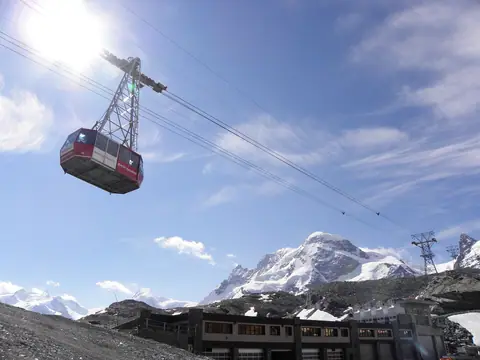
Klein Matterhorn (3,883 m), Glacier Paradise and 3S Cableway Guide
Zermatt, Switzerland
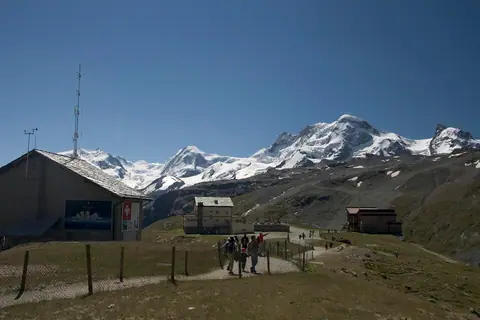
Schwarzsee (2,583 m), Maria zum Schnee Chapel and Hörnli Hut Hike
Zermatt, Switzerland
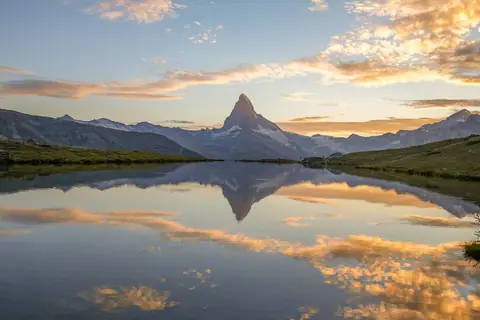
Sunnegga Funicular, Stellisee, Grindjisee and Five Lakes Walk Guide
Zermatt, Switzerland
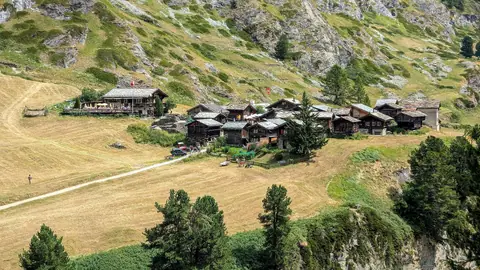
Gorner Gorge (Gornerschlucht), Zmutt and Findeln Hamlets Guide
Zermatt, Switzerland
