
























What to Eat in Petra & Wadi Musa: Mansaf with Jameed, Maqluba, Zarb, Kunafa & Sage Tea
Taste the signature dishes of Petra and Wadi Musa, from UNESCO-listed Jordanian lamb mansaf in fermented jameed sauce and upside-down maqluba to Bedouin sand-pit zarb and Nabulsi kunafa.
Walking 12 to 18 kilometres per day across Petra's sandstone gorges and climbing 800-step mountain staircases burns immense energy, and southern Jordan's highland and Bedouin kitchens are built to replenish it. Centred on slow-braised lamb and goat, fermented ewe's-milk yogurt, aromatic rice dishes, wood-fired flatbreads, and wild mountain herbal teas, the food of Wadi Musa reflects centuries of caravan hospitality. Below, we introduce the seven signature dishes and drinks to order in Petra. We pair these with field advice on how to distinguish overpriced tourist-buffet traps from authentic local kitchens in Lower and Upper Wadi Musa.
Seven essential Jordanian and Bedouin dishes and drinks to try
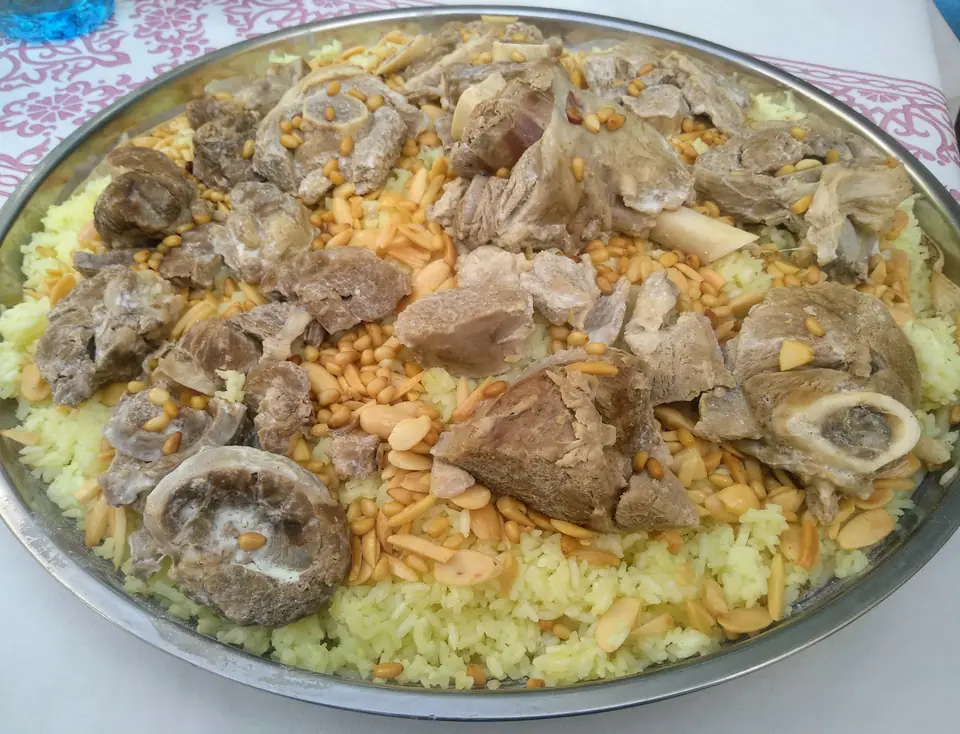
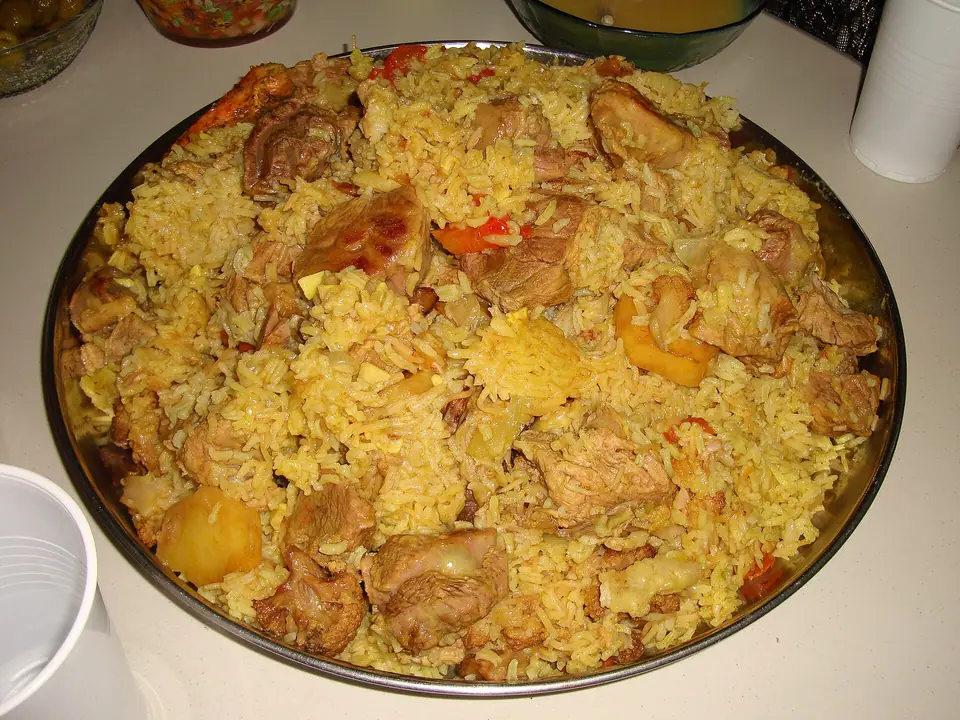
- Mansaf (MAN-saf), Jordan's National Dish (UNESCO Intangible Heritage 2022). No culinary experience in Jordan ranks higher than mansaf, inscribed on the UNESCO Representative List of the Intangible Cultural Heritage of Humanity in 2022. Originating among the pastoral Bedouin tribes of the Karak and Jabal ash-Sharah highlands, authentic mansaf is built for mountain appetites. Bone-in cuts of local lamb simmer until fork-tender in a tangy white sauce made from rehydrated jameed (jah-MEED). These hard, rock-salt-cured balls of sun-dried fermented ewe's or goat's milk yogurt allowed desert herders to preserve dairy without refrigeration. Cooks line a wide platter with thin unleavened whole-wheat shrak (SHRAHK) flatbread baked on a convex iron griddle (saj). They top it with turmeric-spiced rice, slow-cooked lamb, toasted pine nuts, and slivered almonds, served with a jug of hot jameed broth.
- Zarb (ZAHRB), Subterranean Bedouin Sand-Pit Barbecue. If you stay overnight in a Bedouin camp near Little Petra (Al-Beida) or continue south on our Wadi Rum day trip and overnight loop, dinner centers on zarb. Developed by desert nomads to cook meat without losing moisture to dry desert winds, zarb uses a cylindrical brick- or steel-lined pit dug one metre into the desert sand. Hardwood charcoal burns down to glowing embers at the bottom of the shaft before cooks lower a multi-tiered iron rack of marinated lamb, chicken, potatoes, onions, carrots, and courgettes over the coals. Sealed with a metal lid under a mound of sand, the rack slow-roasts for two to three hours. When dug up after sunset, the meat emerges smoky, caramelized, and falling off the bone.
- Maqluba (mahk-LOO-bah), the "Upside-Down" Spiced Rice Casserole. Across family-run restaurants in Wadi Musa, maqluba (literally "upside-down" in Arabic) is the quintessential Levantine comfort dish. Cooks layer the bottom of a deep pot with golden-fried aubergine, cauliflower florets, potatoes, and braised chicken or lamb. They cover the base with long-grain rice seasoned with baharat (allspice, cinnamon, cardamom, cloves, and black pepper) and steam it slowly in rich stock. At the table, the cook flips the entire pot upside-down onto a wide copper tray so the caramelized vegetables crown a steaming dome of spiced rice. It is served with chilled cucumber-and-mint yogurt (laban) and finely chopped tomato-and-parsley salad.
- Galayet Bandora (gah-LAH-yet ban-DOH-rah) & Hummus with Fresh Taboon Bread. For a lighter lunch or vegetarian staple, order galayet bandora. Cooks sauté ripe Jordanian valley tomatoes in olive oil with whole garlic cloves, green chillies, and sea salt until reduced to a jammy skillet sauce. Scoop it up using warm rounds of stone-oven taboon flatbread paired with creamy hummus, smoky roasted-aubergine mutabbal, and crisp chickpea falafel.
- Arbood (ar-BOOD) & Rashoof (rah-SHOOF), Highland Bedouin Specialties. In community kitchens around Uum Sayhoun and Upper Wadi Musa, look for two traditional southern highland recipes rarely seen in capital-city hotels. One specialty is arbood, an unleavened Bedouin shepherd's bread buried under hot wood-ash embers and dipped into olive oil or sheep's-milk ghee (samneh baladi). Second is rashoof, a warming winter highland soup simmered from cracked wheat (jareesheh), lentils, chickpeas, and tangy liquid jameed topped with caramelized onions.
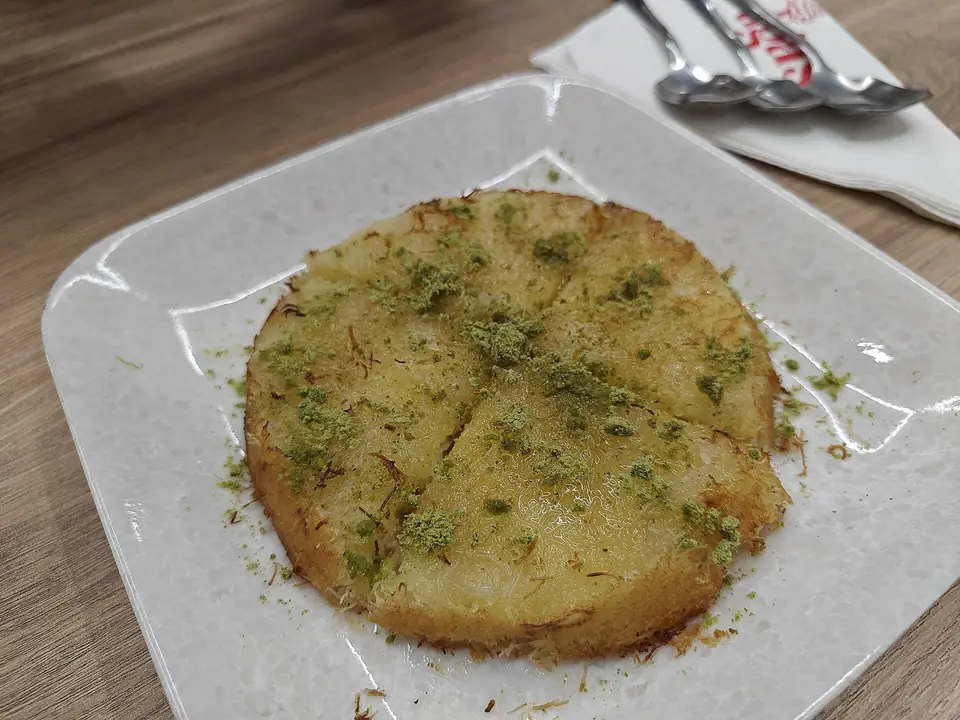
- Kunafa Nabulsiyeh (koo-NAH-fah), Spun-Pastry & Stretchy Cheese Dessert. To restore blood sugar after climbing the 800 Monastery steps, step into a pastry shop in Wadi Musa for a warm slice of kunafa. A crisp, golden-orange crust of shredded phyllo threads (kataifi) or fine semolina dough soaked in butter and rose-or-orange-blossom sugar syrup (attar). It is layered over melted, unsalted stretchy white Nabulsi cheese and topped with crushed green pistachios.
- Bedouin Tea with Desert Sage (Shai bil-Maramiyya) & Cardamom Arabic Coffee (Qahwa Sada). Inside every cliff shelter and canyon tent from the High Place of Sacrifice to Ad-Deir, Bedouin hosts brew blackened kettles of sweet black tea over charcoal fires. They infuse the pot with wild desert sage (maramiyya, Salvia judaica) in winter and fresh mint (na'na) in summer. Meanwhile, formal Bedouin hospitality begins with a tiny handleless cup (finjan) of unsweetened, golden-roasted Arabic coffee (qahwa sada) heavily perfumed with crushed green cardamom pods. Shake your empty cup gently from side to side when you have had enough, otherwise your host will politely refill it.
Field engineering: How to avoid Wadi Musa restaurant and park food traps
Dining around Petra involves three practical field decisions that protect both your stomach and your travel budget:
- Inside the Archaeological Park (Bring Your Own Trail Picnic vs Basin Buffets). Two permanent restaurant complexes operate at the western end of the Colonnaded Street in the Central Basin (the upscale Basin Restaurant run by Crowne Plaza and the adjacent Nabataean Tent buffet). While both offer shaded seating and clean washrooms, midday tour-group buffets are pricey and heavy before an afternoon climb. Most experienced hikers ask their Wadi Musa hotel to pack a takeaway lunch box, or stop at a bakery in Upper Wadi Musa the evening before for fresh flatbread, cheese, falafel wraps, dates, and nuts. Inside the canyon, you can simply buy cold drinks or hot sage tea.
- Lower Tourism Street vs Upper Wadi Musa Town Pricing. Restaurants along the bottom 300 metres of Lower Tourism Street cater exclusively to foreign visitors and often add service and tax charges onto already elevated menu prices. Take a five-minute taxi or walk uphill to the local commercial streets around the Wadi Musa Town Circle (Martyrs' Roundabout). There you can eat freshly cooked mansaf, charcoal-grilled chicken mashawi, and kunafa with local families at everyday Jordanian prices.
- Alcohol Availability in Wadi Musa. Because Wadi Musa is a conservative municipality, unlicensed local restaurants do not serve alcohol. Unlicensed town restaurants do not serve alcohol. For a Jordanian draft beer (such as Carakale craft beer or Petra Beer) or regional wine, visit the licensed hotel bars at the Visitor Center gate, most famously the Cave Bar inside the Petra Guest House, housed inside a first-century CE Nabataean rock-cut tomb right beside the park entrance. Pair your dining plans with our 3-day Petra itinerary and Petra orientation guide.
Breakfast staples, trail snacks, and food hygiene tips in Wadi Musa
Before setting out for the 06:00 gate opening, fuel up on a traditional Jordanian breakfast spread. Across hotels and local cafes in Wadi Musa, morning tables feature warm rounds of sesame-crusted ka'ak and pita bread. Spreads include local green olive oil, wild thyme and sesame blend (za'atar), strained yogurt balls (labneh), boiled eggs, tomatoes, and cucumbers. Beside them sit steaming bowls of ful medames, slow-simmered fava beans mashed with garlic, lemon juice, and cumin. For pocket trail energy during your climb to Ad-Deir or the High Place of Sacrifice, visit a nut roastery in Upper Wadi Musa. Pick up Jordan Valley Medjool dates, roasted salted almonds, pistachios, and sesame-seed halva bars. Tap water in Jordan is treated but high in minerals and stored in rooftop tanks. As a result, always drink bottled or filtered water and use sealed water to brush your teeth if you have a sensitive stomach.
Vegetarian, vegan, and gluten-free travellers will find Wadi Musa one of the easiest towns in the region to navigate once you know the local menu vocabulary. Beyond galayet bandora and falafel, almost every Levantine starter table features naturally plant-based dishes prepared with cold-pressed Jordanian olive oil and lemon juice. Hummus, smoky charred-aubergine baba ghanoush, parsley-and-mint tabbouleh, stuffed vine leaves (warak enab), lentil soup (shorbat adas) served with crispy pita wedges, and mujaddara (slow-cooked brown lentils and rice topped with sweet crisped onions). Because authentic mansaf is cooked in lamb stock and fermented dairy jameed, vegetarians should ask specifically for vegetable maqluba or clay-pot vegetable tagine (fukharat khudar) baked under a sesame bread lid.
Where it is
- 1Petra
- Ramon International Airport (ETM) · about 80 km from Petra in a straight line
- Directions in Google Maps
Traveller tips
Real advice from people who have been to Petra. Every tip is read by our team before it goes live.
No tips yet. Been here? Yours could be the first.
Thank you! Your tip will appear here after a quick review.
More in Petra
Continue exploring Petra with related neighbourhood, food, and planning guides
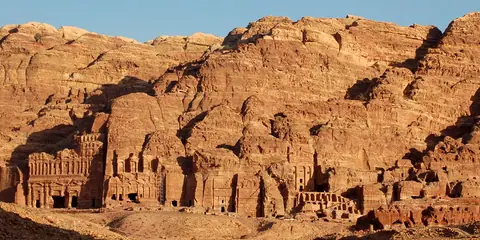
Best Time to Visit Petra: Wadi Musa Climate Normals, Flash Floods, Heat & Crowd Strategy
Petra, Jordan
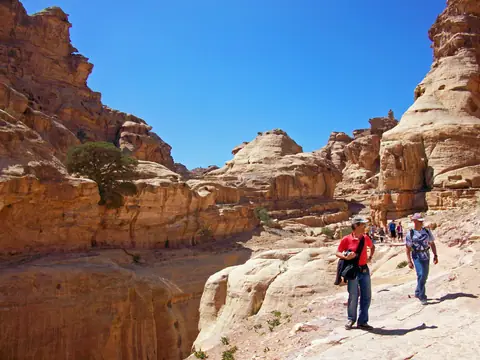
What to Wear in Petra: Sandstone Canyon Footwear, Sun & Dust Protection & Modest Dress
Petra, Jordan
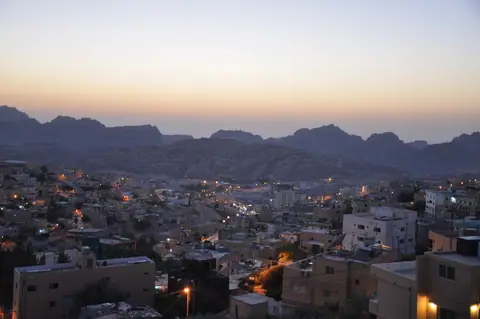
Where to Stay in Petra: Lower Tourism Street vs Upper Wadi Musa, Uum Sayhoun & Taybeh
Petra, Jordan
Petra 3-Day Itinerary: Main Spine, Little Petra Back-Door Hike & High Place of Sacrifice
Petra, Jordan
