
























How to Get to Petra: Amman (AMM) & Aqaba (AQJ) Airports, JETT Buses, Highways & Local Shuttles
Navigate arrivals via Amman Queen Alia Airport (AMM) and Aqaba (AQJ), daily JETT coaches, Highway 15 vs Route 35 (King's Highway), local taxis, and park mobility options.
Situated in the Jabal ash-Sharah mountains of southern Jordan's Ma'an Governorate, Petra and its gateway town of Wadi Musa have no passenger railway station or municipal airport of their own. All overland travel funnels along two north-south road corridors connecting the capital, Amman, in the north with the Red Sea port of Aqaba in the south. Understanding which airport to fly into, how the official JETT coach network operates, the stark difference between Highway 15 and Route 35, and how local taxis and park shuttles work will save you hours of transit friction before you reach the Visitor Center turnstiles.
Choosing your aviation gateway: Amman (AMM) vs Aqaba (AQJ)
International travellers fly into Jordan through one of two customs-cleared airports, each offering a distinct overland link to Wadi Musa:
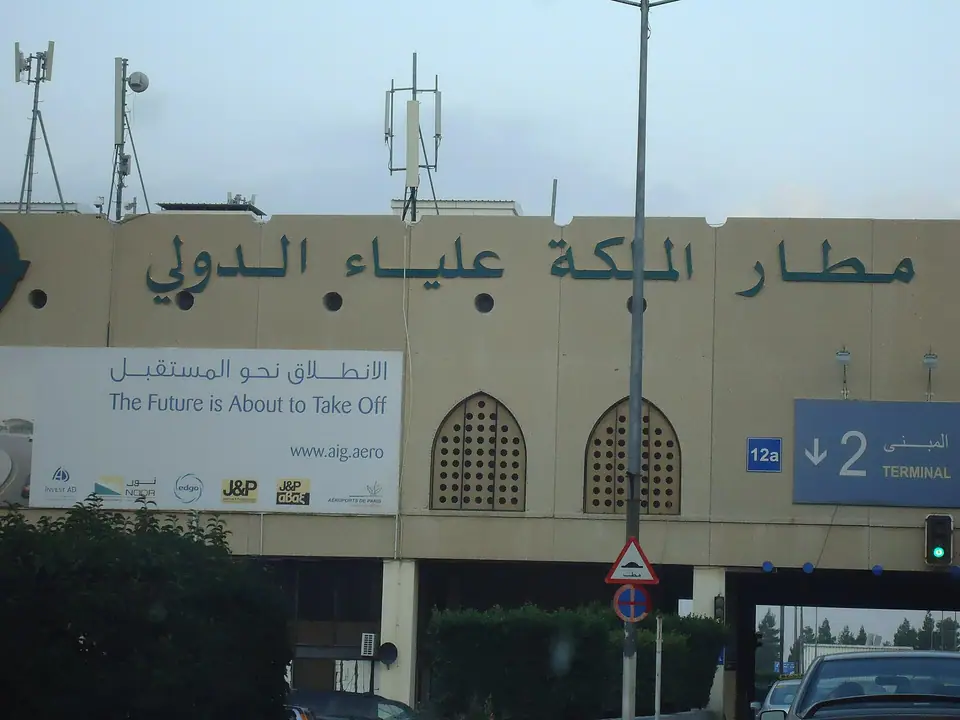
- Queen Alia International Airport (IATA: AMM, Amman). Located at Zizya roughly 30 kilometres south of central Amman along Highway 15, Queen Alia is Jordan's primary international hub. It handles direct long-haul and regional flights from Europe, North America, Cairo, and Dubai. Because AMM sits 30 kilometres south of the capital on the Desert Highway, you can rent a car or book a pre-arranged transfer right at the terminal. That route puts you in Wadi Musa (205 kilometres south of AMM, or 235 kilometres south of Downtown Amman) in 2.5 to 3 hours without entering Amman traffic. If you ride the Sariyah Airport Express bus into Amman first, allow 45 to 60 minutes from AMM to Amman's 7th Circle or North Bus Station.
- King Hussein International Airport (IATA: AQJ, Aqaba). Positioned 9 kilometres north of Aqaba on the Gulf of Aqaba coast, this secondary airport receives domestic flights from Amman and seasonal European low-cost and charter flights. From AQJ, Wadi Musa lies only 125 kilometres north via Highway 15 and the scenic Ras an-Naqab escarpment climb. That makes Aqaba the shortest airport transfer (1 hour 45 minutes to 2 hours by road) for travellers combining Petra with Wadi Rum and the Red Sea.
Before boarding your flight, remember the visa rule covered in our Petra orientation guide. Purchasing the official Jordan Pass online prior to landing waives the tourist Visa on Arrival fee at both AMM and AQJ, as well as at the Sheikh Hussein Bridge land crossing. You simply need to stay at least 3 consecutive nights (4 days) in Jordan. Note that visitors crossing overland through the Wadi Araba (Yitzhak Rabin) border near Aqaba/Eilat must check current advance visa application rules and border departure taxes before travel.
Taking the JETT Bus from Amman or Aqaba to the Petra Visitor Center
For travellers without a rental car, Jordan's national coach operator, JETT (Jordan Express Tourist Transport), runs the most reliable, fixed-price, air-conditioned bus service directly into Wadi Musa. Avoid unregulated shared white minibuses from Amman's southern Wahdat station unless you speak Arabic and have flexible afternoon plans. Those local vans depart only when every seat fills, stop only on the highway outside Ma'an or in Upper Wadi Musa, and often stop running by mid-afternoon. When booking the official JETT Petra coach online or at a ticket office, keep four operational details in mind:
- Amman Departure Terminals (Abdali vs 7th Circle). JETT coaches bound for Petra depart early every morning from central Amman's Abdali office (near the Abdali Boulevard and King Abdullah I Mosque). They stop roughly 20 to 30 minutes later at the 7th Circle (Dawar as-Sabe'a) terminal on the western highway exit before heading south down Highway 15. You must select your specific boarding station when reserving your seat online.
- Journey Time and Highway Rest Stop. The coach covers the 235 kilometres from Amman to Petra in 3 to 3.5 hours. Halfway down the Desert Highway, the driver pauses for a 20-minute rest stop for washrooms, hot coffee, and snacks.
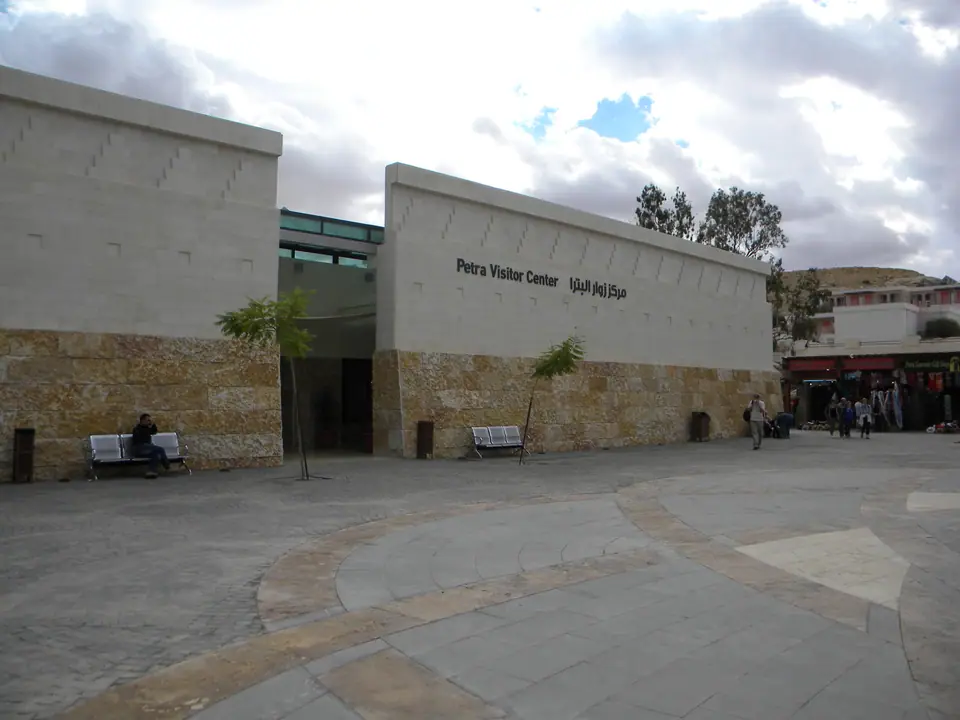
- Bus Drop-Off Location in Wadi Musa: The JETT bus terminates at the official Wadi Musa JETT car park directly beside the Petra Visitor Center at the bottom of Lower Tourism Street. That terminal location lets day-trippers and overnight guests walk straight to the park ticket window or lower-valley hotels in three minutes. The afternoon return coach back to Amman departs from the exact same Visitor Center parking lot. Standard one-way fares between Amman and Petra sit around 10 JOD per passenger as of November 2026 (subject to seasonal change; check the official JETT portal for current timetables).
- Aqaba and Wadi Rum JETT Links. JETT operates daily tourist coach links connecting Aqaba and the Wadi Rum Visitor Center with Petra, making it simple to build a car-free southern Jordan circuit.
Self-driving in Jordan: Highway 15 (Desert Highway) vs Route 35 (King's Highway)
Renting a car at Queen Alia Airport or in Amman requires a valid national driving licence and a credit card for the security deposit. Two completely different road corridors run south from Amman to Wadi Musa:
- Highway 15 (The Desert Highway): Fast Four-Lane Transit (2.5 to 3 hours). Cutting straight down the flat eastern plateau parallel to the historic 1908 Hejaz Railway, Highway 15 is a modern, multi-lane arterial highway used by JETT coaches and long-distance drivers. Follow Highway 15 south past Qatraneh, Al-Hasa, and Jurf ad-Darawish, then turn west at the signposted Ma'an / Udruh or Ras an-Naqab junctions onto the mountain approach road into Wadi Musa. Watch strictly for radar speed cameras, police checkpoints (where officers routinely wave foreign tourists through after checking licences), and tall speed bumps at desert town intersections.
- Route 35 (The King's Highway): Mountain Switchbacks & Castles (5 to 6.5 hours with stops). Following the ancient Bronze Age trade spine along the crest of the Rift Valley highlands, two-lane Route 35 winds south through Madaba (home to the sixth-century Byzantine Mosaic Map of the Holy Land inside St, George's Church). It plunges 1,000 vertical metres across the Wadi Mujib canyon dam and climbs past the twelfth-century Crusader fortress of Kerak Castle. Continuing south past Dana Biosphere Reserve, it passes 1115 Shobak Castle (Krak de Montréal) before entering Wadi Musa. Never drive Route 35 after dark, as steep hairpin bends lack street lighting and stray livestock occasionally cross the road.
Free outdoor public parking sits right at the Visitor Center car park in lower Wadi Musa, and nearly all hotels along Tourism Street and in Upper Town provide off-street guest parking.
Local taxis in Wadi Musa, the Little Petra 4x4 rule, and internal park mobility
Once you arrive in Wadi Musa, local transport splits between steep town streets outside the gate and pedestrian trails inside the archaeological park:
- Wadi Musa Town Taxis and Hotel Shuttles. Ride-hailing apps such as Uber and Careem do not operate inside Wadi Musa. Yellow town taxis cover the steep 2-to-3-kilometre hill between Upper Wadi Musa (1,350 metres) and the Visitor Center (1,080 metres) in five minutes. Because local drivers rarely use meters for short tourist hops, always agree on the total fare in Jordanian Dinars before opening the car door, or use your upper-town hotel's free scheduled morning and afternoon shuttle.
- Getting to Little Petra (Siq al-Barid) for the Back-Door Hike. Little Petra lies 9 kilometres north of the Visitor Center in Al-Beida (a 12-to-15-minute road drive). Remember the rule detailed in our Monastery and Back-Door hike guide. Validate your Petra ticket at the main Visitor Center first, then take a hotel shuttle or agreed-rate taxi to the Little Petra parking lot. At the barrier, board the official local Bedouin 4x4 pickup cooperative for the 5-kilometre off-road track to the Back-Door trailhead.
- Inside the Archaeological Park. Motorised private vehicles are banned inside Petra. Most visitors walk 12 to 18 kilometres per day in the trail shoes recommended in our Petra packing guide. The only regulated motorised option is the fleet of official PDTRA electric club cars running between the Visitor Center, the Treasury, and the Qasr al-Bint Basin. Pair these arrival logistics with our 3-day Petra itinerary.
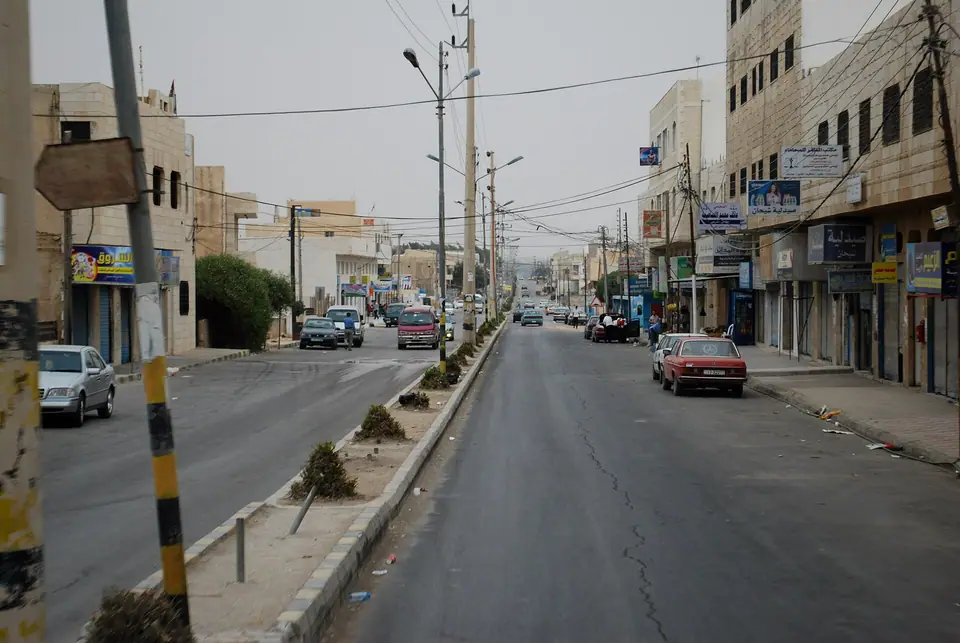
Border crossing logistics and arrival timing tips
Travellers entering Jordan overland from neighbouring countries should verify border operating hours and visa rules before departure. At the northern Sheikh Hussein Bridge and the southern Wadi Araba (Yitzhak Rabin) crossing near Aqaba, hours shift during religious holidays and weekends. Arriving at the Wadi Musa JETT terminal or your hotel before dusk gives you time to withdraw Jordanian Dinars at local ATMs and pick up water and trail snacks. Having your cash and passport ready the night before means you can walk straight to the Visitor Center ticket window when the gates open at 06:00.
Where it is
- 1Petra
- Ramon International Airport (ETM) · about 80 km from Petra in a straight line
- Directions in Google Maps
Traveller tips
Real advice from people who have been to Petra. Every tip is read by our team before it goes live.
No tips yet. Been here? Yours could be the first.
Thank you! Your tip will appear here after a quick review.
More in Petra
Continue exploring Petra with related neighbourhood, food, and planning guides
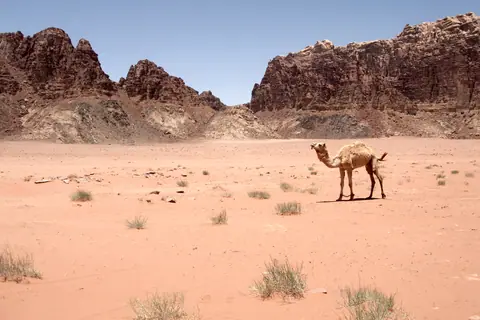
Day Trips & Onward Loops from Petra: Wadi Rum, Aqaba Red Sea, Shobak Castle & Dana
Petra, Jordan
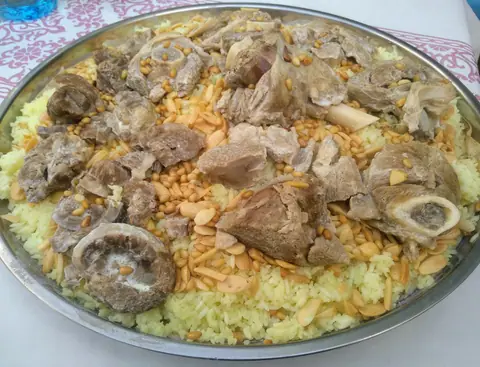
What to Eat in Petra & Wadi Musa: Mansaf with Jameed, Maqluba, Zarb, Kunafa & Sage Tea
Petra, Jordan
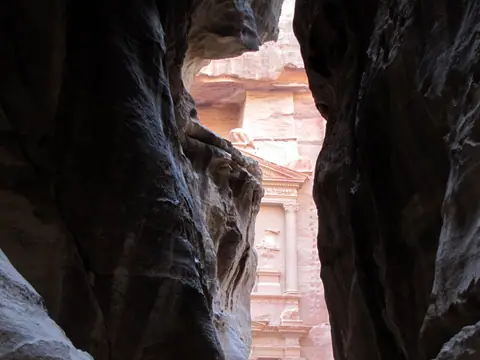
Petra Orientation: Wadi Musa Layout, Main Trail Spine, Jordan Pass Rules & Field Traps
Petra, Jordan
Best Things to Do in Petra: The Siq, Treasury, Monastery, High Place & Little Petra
Petra, Jordan
