Met Norway Climate Normals and Fjord Hiking Seasons
Compare Stavanger's 1991 to 2020 Met Norway climate normals, May to June dry spells, July to August 20 °C highs, and seasonal access to Preikestolen and Kjerag.
Exposed directly to the North Sea and the warm North Atlantic Current at nearly 59°N, Stavanger experiences a mild temperate oceanic climate (Köppen Cfb). According to the 1991 to 2020 climate normals recorded by the Norwegian Meteorological Institute (Met Norway) at Stavanger Airport, Sola (7 metres above sea level), the city registers an annual mean temperature of 8.9 °C, the highest average annual temperature of any city in Norway, with 1,256.1 millimetres of precipitation spread across 165 days with at least 1.0 millimetre of rain or snow.
Because maritime winds moderate both summer heatwaves and winter freezes, the coastal peninsula stays green and ice-free for almost the entire year, while the high granite plateaus east of the city along Lysefjorden experience much colder, snowier mountain conditions from late autumn through mid-spring. Choosing when to visit therefore depends on whether your priority is dry spring sightseeing, high-summer mountain trekking to Kjerag, or quiet off-season museum and coastal walks.
Late Spring and Summer (May to August): Fjord Trails and Long Daylight
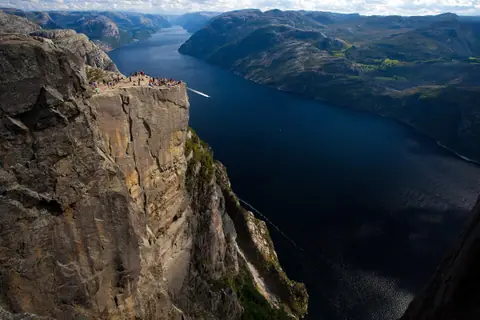
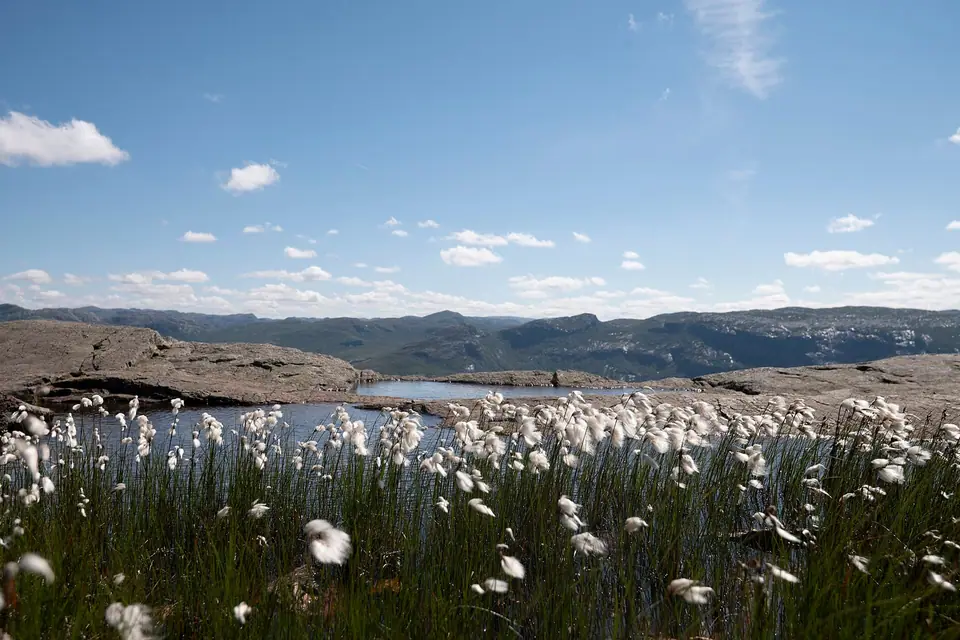
May and June are statistically the driest months of the year in Stavanger, averaging just 10 precipitation days per month (54.8 mm in May and 62.6 mm in June) while afternoon highs climb from 15 °C in May to 18 °C in June and midsummer daylight extends late into the evening. July and August bring the warmest weather, with average daily highs of 20 °C and overnight lows of 12 °C to 13 °C (and daily mean temperatures of 16.0 °C in July and 16.5 °C in August). This is the prime window when the high mountain road to Øygardsstølen and the Kjeragbolten trail are open (late May or June through September), the 4,444 steps at Flørli are snow-free, and Vågen harbour hosts the Gladmat food festival.
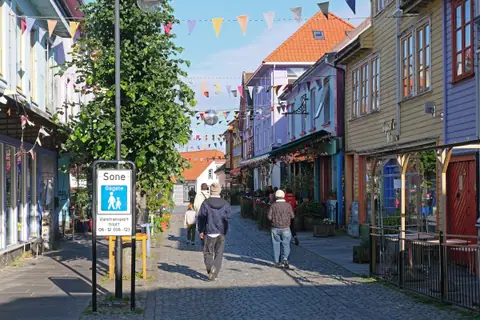
Visiting in late May or June gives walkers crisp, clear visibility above Lysefjorden, blooming apple trees and lilac bushes across the gardens of Gamle Stavanger, and noticeably lighter foot traffic on the stone steps to Preikestolen than during the peak July holiday weeks. By July and August, North Sea water temperatures reach their seasonal high for swimmers and windsurfers along Solastranden, and outdoor restaurant terraces fill Skagenkaien and Øvre Holmegate.
Autumn and Winter (September to March): Mild Coastline and Storm Watching
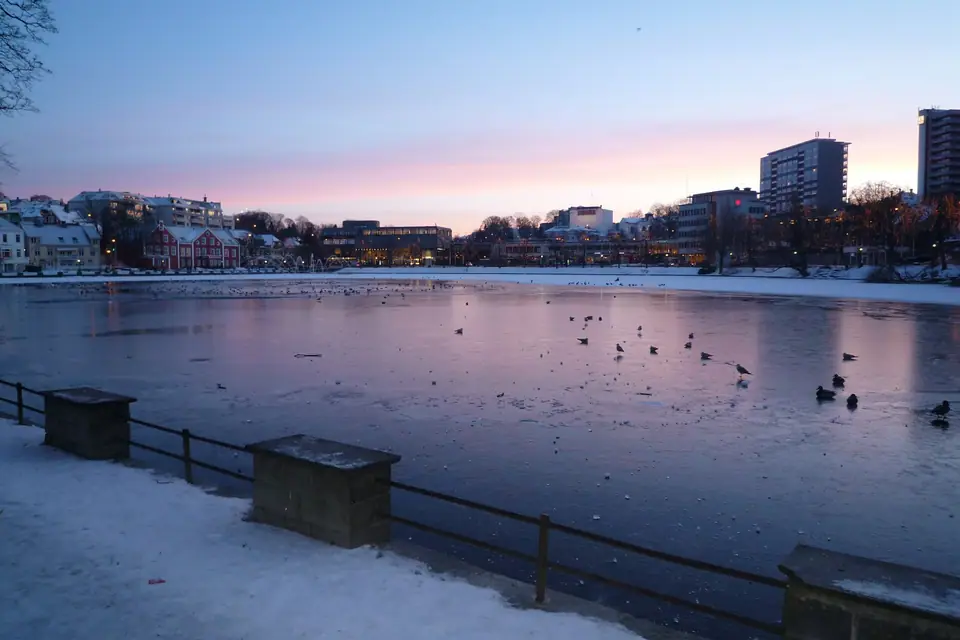
In September (high 16 °C, low 10 °C) and October (high 12 °C, low 7 °C), crowd levels drop sharply on the Preikestolen trail while autumn foliage colours Byparken and Ullandhaug, though precipitation increases to 15 days in September and 17 days in October (148.2 mm). From December through February, daytime highs hover at 4 °C to 5 °C and average lows remain just above freezing at 0.5 °C to 1 °C. Heavy snow cover in the city centre is brief, making Gamle Stavanger, the Norwegian Petroleum Museum, and year-round Lysefjorden boat cruises easy to visit even when high mountain hikes are closed.
Autumn and winter also showcase the dramatic energy of the Jæren coastline, when Atlantic low-pressure systems drive foaming swells onto the sandy beaches of Sola and Orre. After a brisk coastal walk among the dunes or around Hafrsfjord, travellers can warm up inside wood-panelled harbour cafés on Thursday afternoons for traditional komle dumplings or attend orchestral performances inside the glass-and-concrete halls of Stavanger Konserthus.
Month-by-Month Highlights
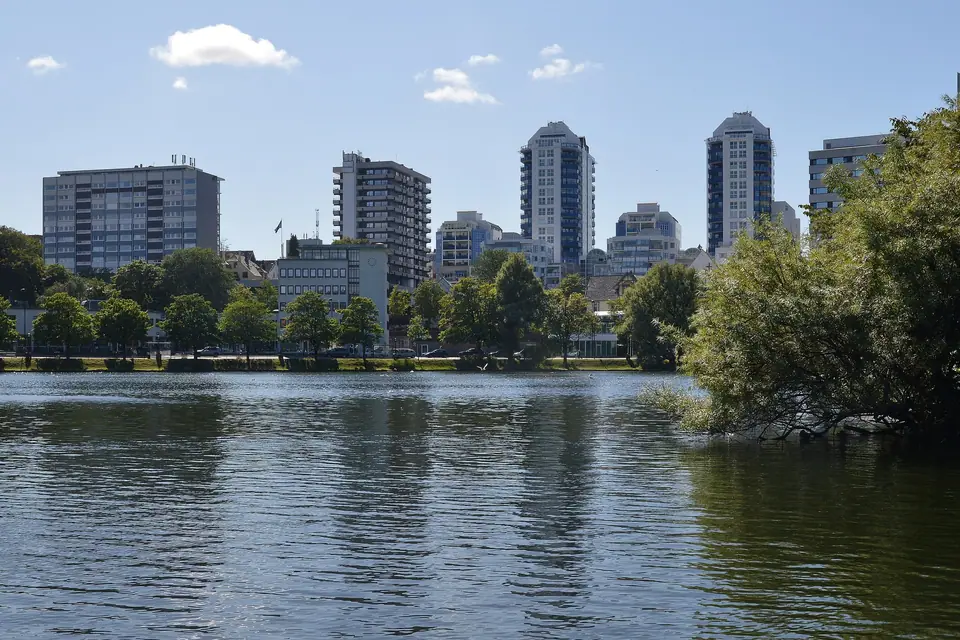
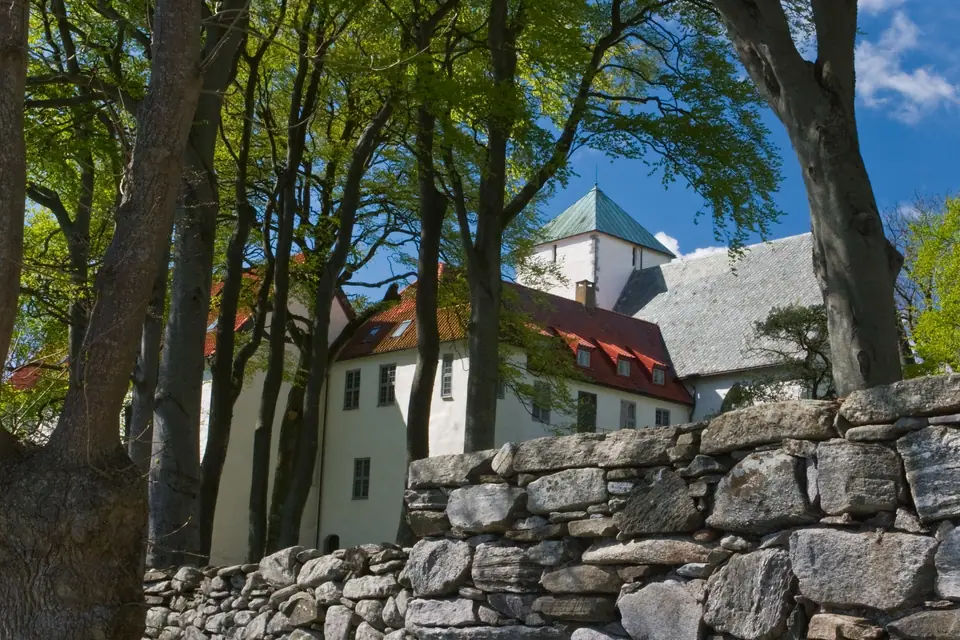
- April to May: Spring blossoms in Gamle Stavanger and Utstein Monastery, lowest monthly rainfall (10 to 11 rain days), and the start of the main Preikestolen hiking season, plus Norwegian Constitution Day parades around Breiavatnet in mid-May.
- June to August: Full access to Kjeragbolten, Flørli, Preikestolen, Flor & Fjære island gardens, and Solastranden beach, with 18 to 20 °C highs and long northern twilight.
- September to October: Quiet autumn trails at Preikestolen and Ullandhaug before mountain frost arrives, paired with Rogaland lamb harvest menus across local restaurants.
- November to March: First Sunday of Advent Christmas lights on the 64-metre Ullandhaugtårnet (a tradition since 7 December 2001), festive pinnekjøtt dinners, indoor museum days, and winter surf waves along Jæren.
Packing for Coastal Wind and Mountain Elevation Changes
Even during a sunny July week, temperatures on the 604-metre plateau of Preikestolen or the 1,132-metre summit plateau of Kjerag sit several degrees cooler than down on Skagenkaien, and fjord breezes on open catamaran decks feel brisk year-round. Packing breathable base layers, a fleece or wool mid-layer, a hooded windproof and waterproof jacket, and broken-in ankle-high hiking boots prepares you for both harbour strolls and high granite trails.
Understanding how daylight hours and microclimates vary across the year helps you structure each day in Stavanger efficiently. Around the June solstice, northern twilight lingers across the harbour long after sunset, giving photographers and evening walkers hours of soft golden and blue light along the white cottages of Gamle Stavanger, the bronze blades of Sverd i fjell on Hafrsfjord, and the sandy crescent of Solastranden. By midwinter in December and January, daylight shortens to a compact mid-morning to mid-afternoon window, encouraging travellers to schedule outdoor harbour walks and fjord cruises around midday and reserve late afternoons for illuminated museums, cosy cafés in Øvre Holmegate, and evening concerts at Sandvigå.
Wind and rain patterns also differ noticeably between the flat coastal rim and the deep inland fjords. On days when moist westerly air off the North Sea brings low cloud or drizzle to the open beaches of Jæren, the sheltered inner basin of Vågen and the tree-lined paths around Breiavatnet and Mosvatnet remain comfortable under an umbrella or hooded rain shell. Conversely, before heading up onto the exposed granite ledges of Preikestolen or Kjerag, always check mountain-specific forecasts for wind speed and fog rather than relying solely on temperature readings from Sola Airport.
Because Stavanger's cultural calendar runs through all four seasons, from spring jazz concerts and midsummer food festivals along the quayside to autumn art exhibitions and Advent markets in Byparken, any month of the year offers a rewarding mix of coastal scenery, historic timber streets, and urban museums when paired with proper waterproof layers, wind-resistant outerwear, sturdy footwear, and flexible daily planning between indoor galleries and outdoor fjord viewpoints across the peninsula and neighbouring islands.
Traveller tips
Real advice from people who have been to Met Norway Climate Normals and Fjord Hiking Seasons. Every tip is read by our team before it goes live.
No tips yet. Been here? Yours could be the first.
Thank you! Your tip will appear here after a quick review.
More in Stavanger
Continue exploring Stavanger with related neighbourhood, food, and planning guides