Norwegian Petroleum Museum and Vågen Harbour Wharves
Explore Lunde & Løvseth's platform-inspired museum at Kjeringholmen and walk the eighteenth-century merchant quays of Skagenkaien.
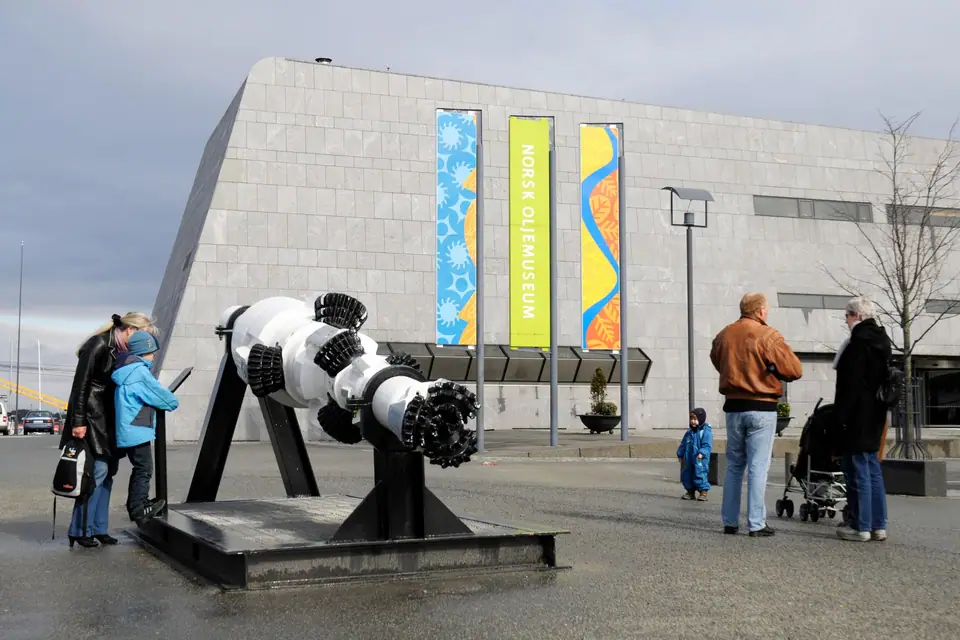
Jutting into the mouth of Østervåg and Vågen harbour on the artificial island of Kjeringholmen, the Norwegian Petroleum Museum (Norsk Oljemuseum) explains how a regional canning and shipping port became the operational headquarters of Norway's offshore energy sector. Opened by King Harald V on 20 May 1999 after the museum foundation was established in 1981, the 5,000-square-metre building was designed by Oslo architects Lunde & Løvseth (Ivar Lunde and Morten Løvseth), whose winning entry among 82 submissions in the 1992 architectural competition evokes dark gneiss bedrock along the waterfront and three cylindrical metal-clad offshore drilling platforms rising directly out of the sea.
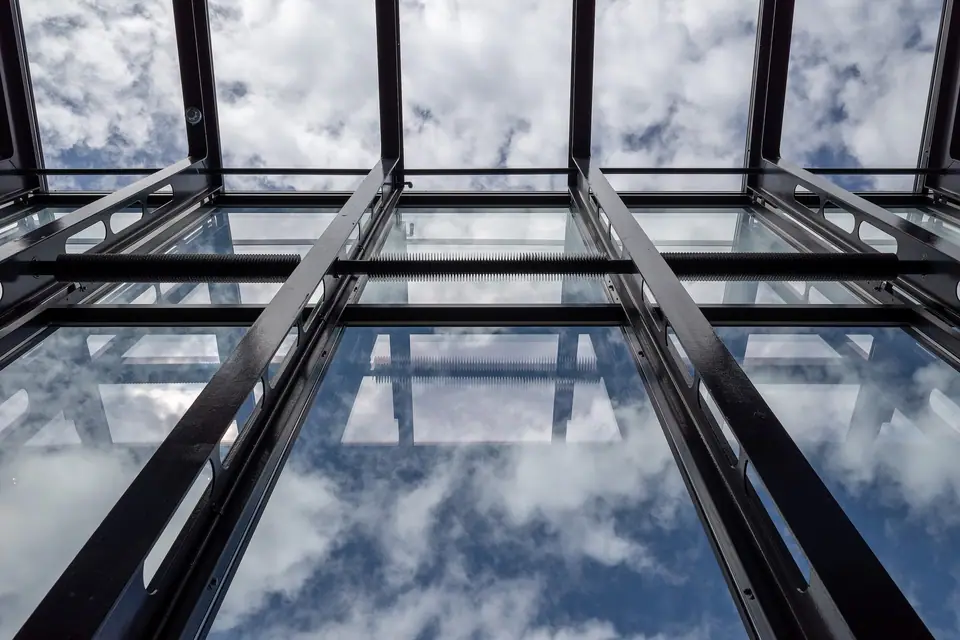
Approached on foot along the quayside from Skagenkaien or viewed from passing fjord ferries, the museum's angular stone wing and gleaming metallic towers stand in deliberate dialogue with the small timber warehouses of the historic port. Inside, natural light pours through glass walkways suspended above the harbour water, connecting the geological origins of North Sea hydrocarbons with the everyday lives of roughnecks, divers, helicopter crews, and offshore engineers.
From the 1969 Ekofisk Strike to Deepwater Engineering
Norway proclaimed sovereignty over its continental shelf in May 1963 and awarded initial exploration licences in 1965. The museum's galleries recount how the semi-submersible rig Ocean Traveler drilled the first North Sea well in July 1966, and how Phillips Petroleum struck the giant Ekofisk field on 23 December 1969, a discovery that led the Norwegian Parliament on 14 June 1972 to establish both the state oil company Statoil (now Equinor) and the Norwegian Petroleum Directorate in Stavanger. Scale models inside the main hall trace the evolution from early steel jacket platforms to the towering Concrete Deepwater Structure (Condeep) gravity-base platforms built in Stavanger's Gandsfjorden at Jåttåvågen in Hinna, where the sleek concrete shafts of Gullfaks C and Troll A were slip-formed before being towed offshore.
Detailed architectural cutaways and archival film footage show how thousands of workers poured continuous concrete in the sheltered deepwater fjord beside Hinna, creating hollow cylindrical legs that rose higher than European cathedrals before tugboat fleets guided them out into the North Sea. The exhibitions also examine how Norway structured its sovereign petroleum fund, taxation rules, and state participation to manage resource revenues over decades while developing domestic engineering expertise across Rogaland.
Interactive Drilling and Subsea Exhibits
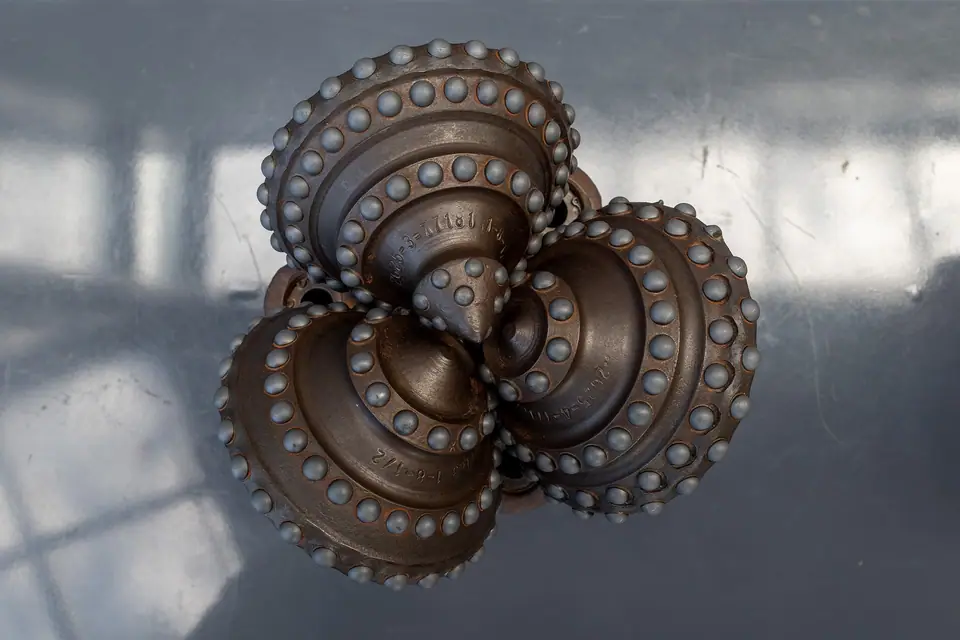
Visitors examine genuine three-cone roller drill bits, saturation-diving bells, subsea production templates, and a walk-through offshore platform catastrophe room, escape chute, and orange free-fall rescue capsule, alongside exhibits on the March 1980 Alexander L. Kielland platform disaster at the Ekofisk field and contemporary North Sea climate and offshore wind technology.
Hands-on stations allow guests to test seismic survey tools, step inside cramped diving chambers used by pioneer saturation divers on the seabed, and experience the dark, noisy conditions of a simulated offshore storm. By pairing heavy industrial hardware with personal testimonies from platform crews and rescue teams, the museum makes complex subsea engineering intelligible to non-specialists and families alike. Upper-level galleries address global atmospheric change, carbon capture storage beneath the seabed, and the transition toward floating offshore wind turbines.
Geoparken and Reclaimed Frigg Field Equipment
Outside the museum entrance lies Geoparken, an urban youth park constructed for Stavanger's 2008 European Capital of Culture year from recycled structures and equipment salvaged from the decommissioned Frigg gas field in the North Sea. Brightly painted steel pipes, giant anchor chains, and platform modules form climbing walls, skateboarding ramps, and geological display zones that remain open to the public free of charge throughout the day, turning heavy industrial salvage into a lively waterfront gathering spot.
Skagenkaien Merchant Wharves and Sjøhus
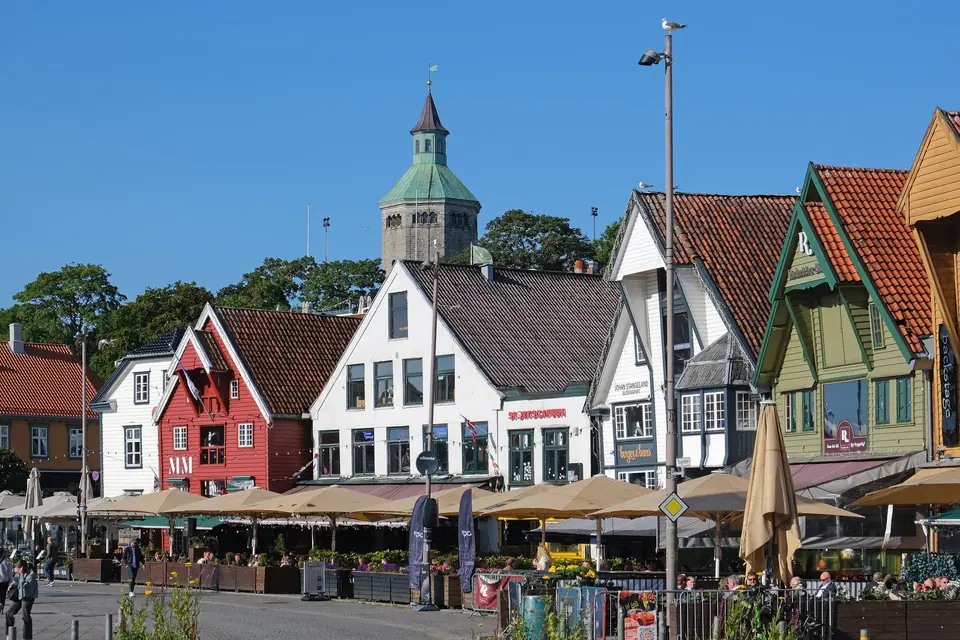
Walking south from Kjeringholmen along Skagenkaien and Nedre Strandgate passes rows of steep-gabled eighteenth- and nineteenth-century timber sea-houses (sjøhus) where herring barrels and salt cargoes were winched directly from sailing sloops into upper-floor lofts. Built side by side on stone pilings at the water's edge, these narrow wooden warehouses still display their projecting roof beams and loading hatches above the harbour promenade, where ground-floor cellars now house seafood brasseries, bakeries, and maritime taverns.
Maritime Museum and Fjord Quays
On the opposite western shore at Nedre Strandgate 17 and 19, the Stavanger Maritime Museum (established in 1926 and housed in these 1770 to 1840 merchant premises since 1985) recreates a nineteenth-century shipowner's office, sailmaker's loft, merchant apartment, and general store, while its historic vessels Anna af Sand (1848) and Wyvern (1896) moor along the harbour when in port. Exploring both the Maritime Museum and the Petroleum Museum on the same afternoon reveals how nineteenth-century wooden shipbuilding and herring commerce laid the maritime foundation for twentieth-century offshore supply shipping. From the adjacent Strandkaien and Fiskepiren terminals, passenger catamarans depart year-round into Lysefjorden, while a short walk across Torget leads to Gamle Stavanger and a brief climb east from Skagenkaien leads directly into Øvre Holmegate and Valbergtårnet.
Along both banks of Vågen, the contrast between the pre-industrial timber sea-houses and the specialized vessels tied up at the quayside illustrates the continuity of Stavanger's seafaring economy. Where wooden sloops and steam drifters once crowded the basin gunwale to gunwale during the spring herring runs, modern high-speed passenger catamarans, pilot launches, and offshore support vessels now manoeuvre past the Kjeringholmen peninsula. Bronze memorials and maritime markers along the quayside commemorate sailors, wartime convoys, and offshore personnel lost at sea, reminding passers-by of the human cost behind coastal prosperity.
Inside the Norwegian Petroleum Museum, temporary exhibition spaces, film theatres, and technical libraries expand on the permanent displays with deep dives into marine geology, subsea robotics, and remotely operated vehicles that inspect pipelines on the ocean floor. Families travelling with children find dedicated interactive zones where younger visitors can climb through offshore structures, test drilling mechanics, and follow rescue drills, while the waterfront museum restaurant looks straight out across the harbour mouth toward Hundvåg and the cable-stayed span of Bybrua. Spending half a day combining the Kjeringholmen exhibits with a slow walk down Skagenkaien and across Torget to Nedre Strandgate gives a thorough understanding of how sea trade, wooden shipbuilding, and subsea engineering shaped modern Norway.
Before leaving the waterfront, pause along the outer stone jetty beside Kjeringholmen to watch island ferries and fishing vessels round the harbour beacons against the backdrop of the Ryfylke hills. This vantage point brings together every layer of Stavanger's maritime story in a single panorama, from eighteenth-century merchant gables to contemporary offshore technology.
Traveller tips
Real advice from people who have been to Norwegian Petroleum Museum and Vågen Harbour Wharves. Every tip is read by our team before it goes live.
No tips yet. Been here? Yours could be the first.
Thank you! Your tip will appear here after a quick review.
More in Stavanger
Continue exploring Stavanger with related neighbourhood, food, and planning guides