Essential Sights from Vågen to Lysefjorden
Prioritise Stavanger's top historic quarters, industrial museums, concert halls, royal manors, and fjord excursions across the city and Rogaland.
Stavanger rewards visitors who pair its half-day urban museums and timber neighbourhoods with half-day or full-day excursions into the surrounding fjords and North Sea coast. Within the municipality, nearly nine centuries of ecclesiastical, maritime, canning, and offshore petroleum history sit alongside contemporary architecture and outdoor sculpture trails.
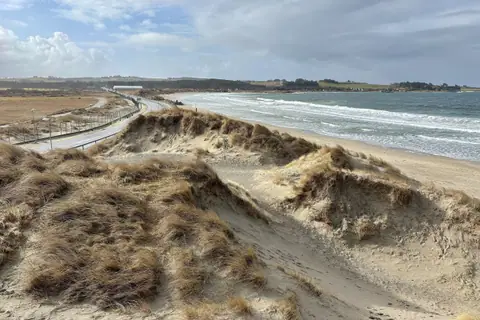
Because the principal urban museums stand within walking distance of one another around Vågen and Eiganes, travellers can easily adapt their daily schedule to the shifting coastal skies. Clear mornings suit granite cliff hikes above Lysefjorden or windswept walks along the sandy beaches of Sola and Jæren, while passing rain showers invite unhurried hours inside historic canneries, maritime merchant lofts, and waterfront engineering halls. Even on a compact weekend break, you can move from medieval stonework and nineteenth-century shipping villas to subsea drilling exhibits without boarding a single vehicle.
Harbour Quarters and Cultural Venues
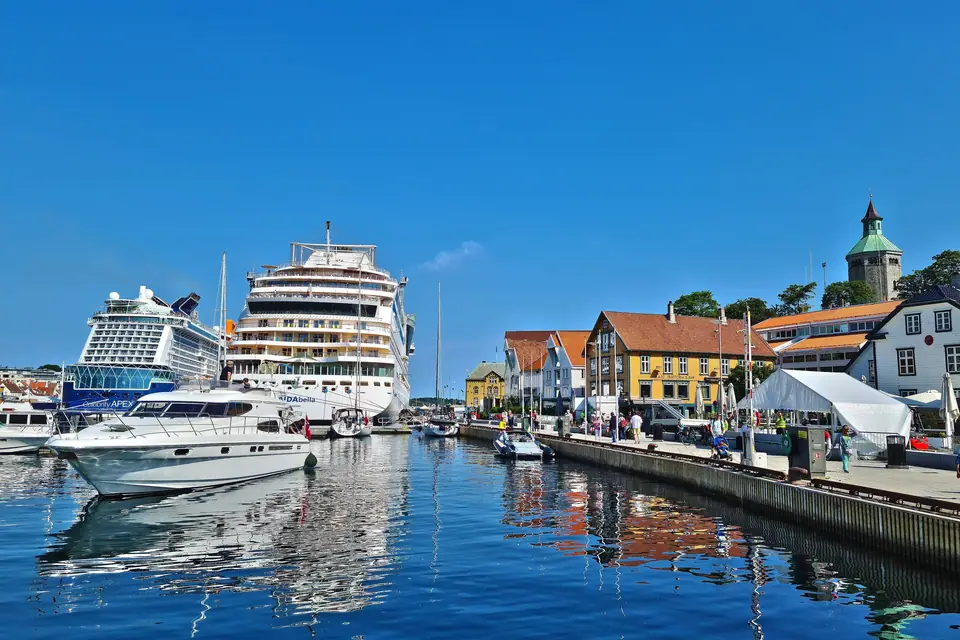
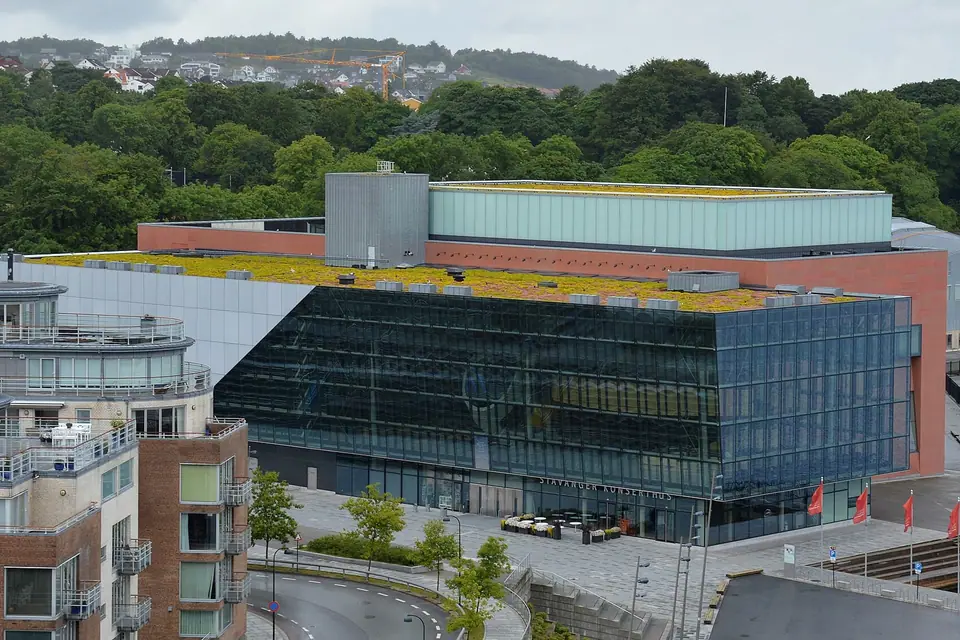
Start on the western hillside of Vågen in Gamle Stavanger, where 173 wooden cottages painted predominantly in white surround the 1916 cannery buildings of IDDIS, home to the Norwegian Canning Museum and Norwegian Printing Museum. Just north along the Sandvigå waterfront rises Stavanger Konserthus, opened on 15 September 2012 and designed by Medplan Arkitekter across two distinct acoustic spaces: the red concrete Zetlitz hall for up to 1,900 spectators and the glass-enclosed Fartein Valen concert hall seating 1,500, equipped with a 4,554-pipe Ryde & Berg organ inaugurated in 2013. On the opposite side of Vågen, the Norwegian Petroleum Museum traces North Sea drilling since 1969, while the Stavanger Maritime Museum occupies merchant wharves at Nedre Strandgate 17 and 19 dating from 1770 to 1840 and maintains the historic sailing vessels Anna af Sand (1848) and Wyvern (1896).
Walking between these harbour institutions also reveals how the waterfront transitioned from sail and steam to modern offshore logistics. Old iron mooring rings, timber cargo cranes, and steep warehouse gables remain intact along the quayside, providing sheltered promenades where fishing boats and pleasure craft tie up right beside outdoor dining terraces and broad stone steps facing the water. Outside the Petroleum Museum, the open-air Geoparken repurposes retired offshore gas-field structures into an urban plaza and climbing space.
Cathedral Core and Eiganes Manors
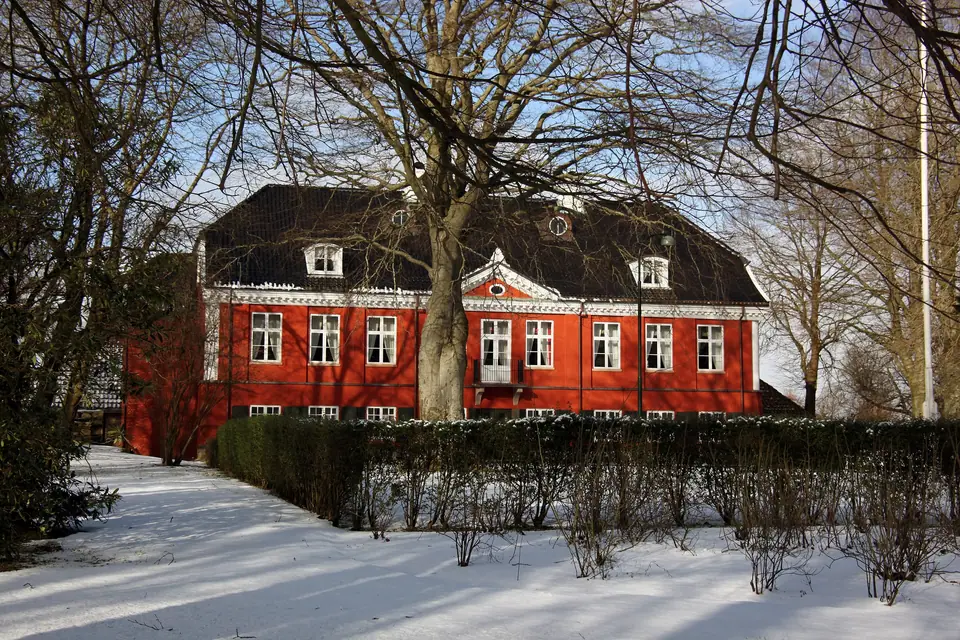
At the head of the harbour, Stavanger Cathedral preserves its twelfth-century Anglo-Norman nave and post-1272 Gothic choir beside Kongsgård and Breiavatnet. A fifteen-minute walk south along Muségata reaches the 1893 neo-Renaissance main building of Stavanger Museum, designed by architect Hartvig Sverdrup Eckhoff and housing natural history, cultural history, and the Norwegian Children's Museum. Walking west along Eiganesveien reaches Ledaal, built between 1799 and 1803 as a summer estate for merchant Gabriel Schanche Kielland and his wife Johanna Margaretha Bull, who formed the name Ledaal from the final letters of their six names, and used since 1949 as the official royal residence in Stavanger alongside the 1881 to 1882 villa Breidablikk designed by Henrik Nissen for shipowner Lars Berentsen.
Together, Ledaal and Breidablikk illustrate how wealthy shipping and herring-trading dynasties lived outside the crowded harbour lanes during the nineteenth century. Surrounded by landscaped park trees and gravel paths, both residences retain period furniture, porcelain, chandelier-lit salons, and family portraits that document Stavanger's commercial ties with ports across Northern Europe. The nearby main museum building on Muségata complements these domestic interiors with zoological collections, regional folk costumes, and hands-on play spaces for younger travellers.

Colourful Streets and Watchtower Views
East of the harbour, climb the cobbled slope of Valberget to inspect the octagonal granite watchtower Valbergtårnet, completed in 1853 to guard the timber town against fire, before descending into the pedestrian lanes of Øvre Holmegate. Painted in bold pastel and neon tones under an artistic master plan launched in 2005, the wooden shopfronts house independent coffee roasters, textile studios, vintage record shops, and relaxed neighbourhood pubs that stay lively from morning espresso hours into the evening.
Mosvatnet Art and Fjord Excursions
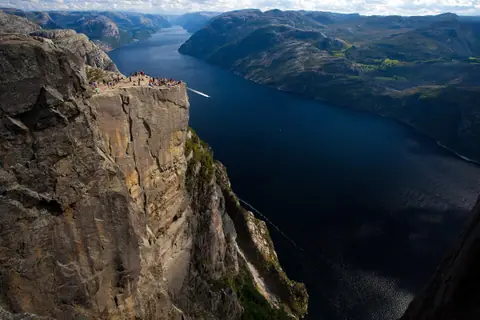
Continuing to the western shore of Mosvatnet lake brings you to Stavanger Art Museum (opened in 1990 and 1991), which holds more than 3,000 works including over 70 watercolours and oil paintings by Lars Hertervig, works by Kitty Kielland and Edvard Munch, the Halvdan Hafsten collection, and Antony Gormley's 2003 project Broken Column, comprising 23 cast-iron figures standing 1.95 metres tall placed at rising elevations from the museum to the harbour. Beyond the centre, local buses and fjord ferries reach Sverd i fjell on Hafrsfjord, the reconstructed Migration Period farm Jernaldergården on Ullandhaug, the 2,300-metre dune beach of Solastranden, and the 42-kilometre Lysefjorden for Preikestolen, the 4,444 timber steps at Flørli, and Kjeragbolten.
Island Gardens at Flor & Fjære
From spring to early autumn, sightseeing boats also sail twenty minutes northeast from Vågen to the island of Sør-Hidle in Ryfylke, where the family-run botanical garden and restaurant Flor & Fjære, planted since 1965 and opened to visitors in 1995, cultivates palm trees and exotic flower beds sheltered by coniferous windbreaks 4 degrees south of the Arctic Circle. Guided walks through the terraced paths explain how coastal microclimates, heated greenhouse nurseries, and dense shelterbelts enable subtropical foliage to flourish surrounded by cold fjord waters.
Balancing City Sights and Mountain Trails
To make the most of your stay, group indoor cultural stops by district so you do not crisscross the peninsula unnecessarily. Pair Gamle Stavanger and IDDIS with a walk past Stavanger Konserthus on the western bank, combine Stavanger Cathedral and the Norwegian Petroleum Museum with Øvre Holmegate on the eastern bank, and reserve your clearest weather window for a boat cruise or mountain hike along Lysefjorden. On afternoons when North Sea winds pick up, the sheltered woodland trail around Mosvatnet and the hilltop ruins and longhouses at Ullandhaug offer rewarding outdoor walks close to city bus routes. Checking the combined ticket options across Museum Stavanger venues before you start also simplifies entry across multiple historic sites on the same day.
Visitors interested in public sculpture and coastal walking can also follow the waterfront promenade from Sandvigå past Gamle Stavanger and around the harbour head toward Østervåg and Badedammen, a traditional timber-framed seawater bathing basin east of the centre. Along the route, several of Antony Gormley's cast-iron figures stand quietly in shopfronts, cobbled alleys, and park lawns, facing out toward the horizon at heights determined by local topography. Searching for these life-sized sculptures turns a simple cross-town walk between museums into an engaging architectural trail through historic and residential quarters.
Traveller tips
Real advice from people who have been to Essential Sights from Vågen to Lysefjorden. Every tip is read by our team before it goes live.
No tips yet. Been here? Yours could be the first.
Thank you! Your tip will appear here after a quick review.
More in Stavanger
Continue exploring Stavanger with related neighbourhood, food, and planning guides