Sola Beach, Jæren Coastline and Utstein Monastery
Walk the 2,300-metre sandy arc of Solastranden and the 5 km dunes of Orrestranda on Jæren, then tour Norway's only preserved medieval abbey at Utstein.
Unlike the steep, fjord-indented coastline that characterises most of western Norway, the peninsula south and west of Stavanger opens onto Jæren, Norway's largest flat coastal lowland, stretching roughly 60 to 65 kilometres from Tungenes in Randaberg to Brusand in Hå across 700 square kilometres of lowland farmland, stone walls, and open North Sea beaches (within an eight-municipality Jæren district of 1,642 square kilometres and 313,889 inhabitants). Just 15 kilometres southwest of central Stavanger in Sola Municipality (covering 69.05 square kilometres with 29,541 residents), five kilometres of sandy beaches face the North Sea swell immediately beside Stavanger Airport, Sola.
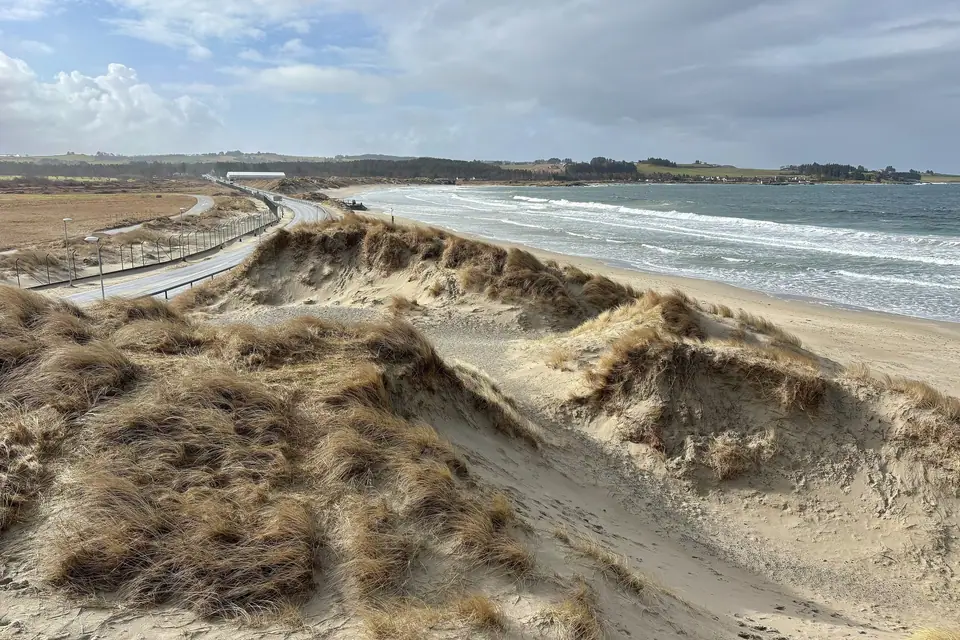
Shaped by glacial moraine deposits left behind at the end of the Ice Age, this low-lying shoreline alternates between wide crescents of fine quartz sand, marram-grass dunes, pebble storm ridges, and shallow offshore reefs. Beneath vast coastal skies, the landscape draws windsurfers, kiteboarders, birdwatchers, and walkers year-round.
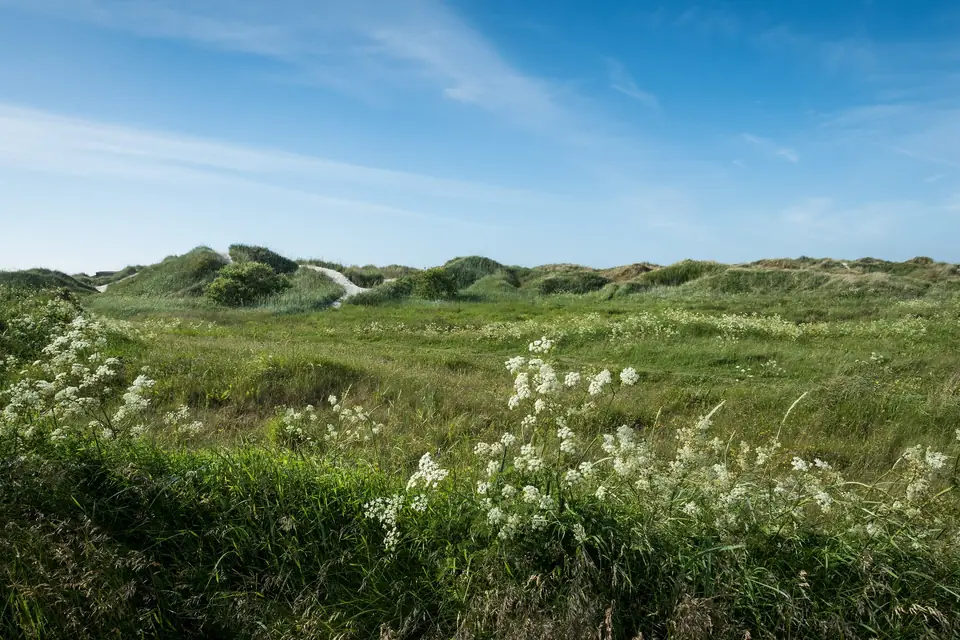
Solastranden and Sola Ruinkirke
The most accessible strand is Solastranden, a 2,300-metre crescent of fine sand backed by grass-covered coastal dunes and the Solastranden golf course along County Road 374 (Nordsjøveien). Because the seabed is shallow and catches steady North Sea winds, the bay is a year-round centre for windsurfing where Sola Brettseilerforening hosts annual national championships, and the dunes still retain concrete German coastal defence bunkers from the Second World War. Overlooking Hafrsfjord near the northern end of the beach stands the Sola Ruinkirke, a Romanesque stone church dating from about 1120 (near the Tjora stone crosses from about 1150) that remained in use until 1842, served as the private home and studio of marine painter Johan Bennetter (1822 to 1904), and was reconstructed in 1995 after wartime demolition.
Footpaths wind through the marram grass along the crest of the dunes, linking the historic beach hotel at the southern end of Solastranden with the stone walls of Sola Ruinkirke and the nearby sandy coves of Ølberg and Hellestø. Even on breezy autumn and winter afternoons, locals bundle up in windproof jackets to walk the hard-packed tidal sand and watch North Sea rollers break across the bay.
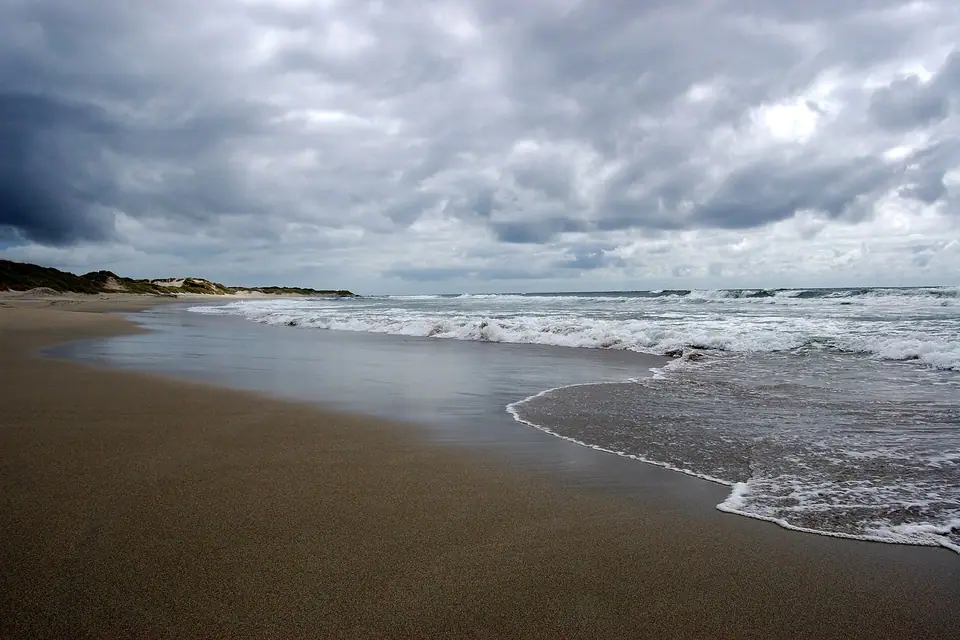
Orrestranda and the Norwegian Scenic Route Jæren
Continuing south along County Road 44, the national tourist route across Jæren, leads into Klepp Municipality and Orrestranda, Norway's longest sandy beach at 5 kilometres long, while nearby on the Revtangen headland, where the stony sandbar of Jærens rev extends nearly 2 nautical miles (3.7 kilometres) into the sea, Stavanger Museum has operated the Revtangen Ornithological Station for ringing migratory birds since 1937.
Because the coastal plain of Jæren stays mild in winter and sits directly along the East Atlantic Flyway, thousands of waders, geese, and shorebirds pause along the kelp beds and wet meadows between Revtangen and Orre. At Friluftshuset by Orrestranda, exhibitions explain the fragile dune flora and seasonal access rules that protect ground-nesting birds during spring and summer.
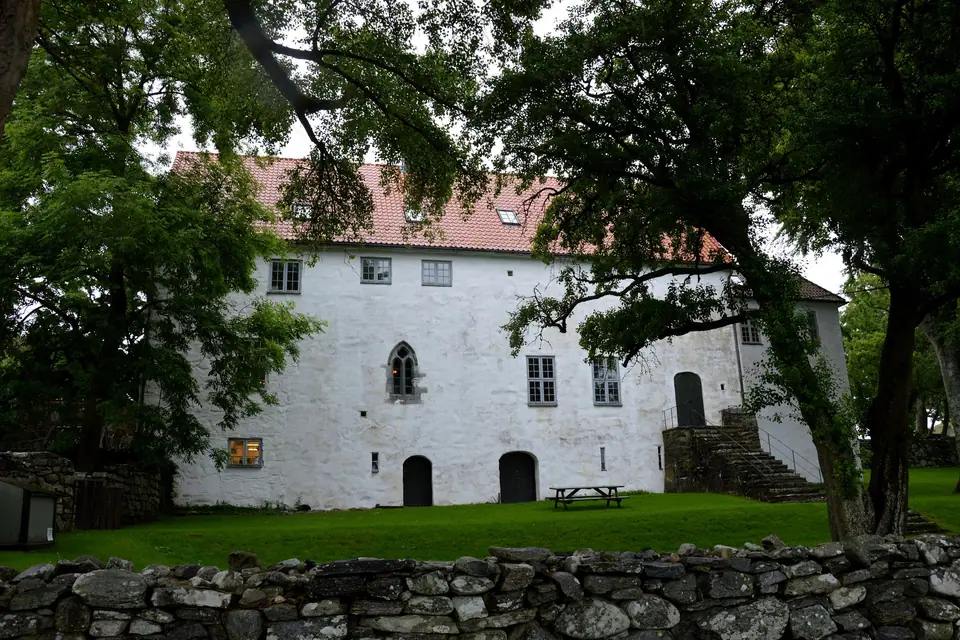
Utstein Monastery on Klosterøy
Thirty minutes north of Stavanger via the E39 subsea tunnels to Mosterøy and the bridge to Klosterøy stands Utstein Monastery (Utstein kloster), Norway's only preserved medieval monastery complex. Mentioned around 900 in Þorbjörn Hornklofi's poem on the Battle of Hafrsfjord and by Snorri Sturluson as the royal farm where King Harald Fairhair lived in old age, Utstein became an Augustinian abbey dedicated to Saint Lawrence in the 1280s or 1290s (attested in the c. 1280 will of Arnbjørn of Heimnes). Housing 10 to 12 canons regular and owning 139 to 146 farms across Rogaland capable of feeding roughly 250 people and operating its own trading vessel Utsteinsbussen to England between 1303 and 1306, the complex today preserves its Gothic church, vaulted basement, and east and south wings under Museum Stavanger.
Planning a Coastal Loop North and South of the City
Visitors with a rental car or bicycle can easily pair the southern sand beaches of Sola with the northern island pastures of Klosterøy on a full-day coastal loop around Stavanger. Spend the morning touring the cloister courtyard, medieval refectory, and herb gardens at Utstein Monastery, pause for lunch back in central Stavanger, and follow the afternoon sun southwest past Hafrsfjord to walk the 2,300-metre shoreline of Solastranden.
Walking the coastal trails of Sola and Jæren introduces visitors to a maritime cultural landscape that looks and feels distinct from the rest of Norway. Instead of sheltered pine-clad fjords, dry-stone walls built from rounded glacial boulders divide emerald pasturelands where sheep and dairy cattle graze within sight of the North Sea breakers. Along the shoreline between Solastranden, Ølberg, Hellestø, and Bore, small wooden boathouses and fishing harbours sit tucked behind rocky headlands where local boats still land coastal crab and whitefish. Because the beaches face due west into the open sea, shifting cloud banks and Atlantic light made the Jæren coast a favourite subject for nineteenth-century Norwegian landscape painters such as Kitty Kielland and Nicolai Ulfsten.
North of Stavanger on the green island of Klosterøy, the tranquil setting of Utstein Monastery contrasts sharply with the surf-swept beaches of Sola. Surrounded by sheltered fjord channels, stone walls, and ancient ash and lime trees, the medieval abbey church and conventual wings preserve finely masoned soapstone windows, vaulted stone cellars, and whitewashed halls that host regular chamber music concerts and historical tours. Walking trails around Klosterøy and neighbouring Mosterøy pass ancient farmsteads, coastal pastures, and hilltop viewpoints looking out across the islands of Ryfylke.
When visiting either the Jæren beaches or the rural pastures around Utstein, remember to respect seasonal wildlife regulations in the coastal landscape conservation areas, keep dogs on leads near grazing livestock and ground-nesting shorebirds, and stay off fragile dune grasses where marked boardwalks and sand paths are provided. Whether you spend a breezy morning watching kiteboarders leap over the waves at Solastranden, pause at the small harbour kiosk at Ølberg for fresh fish cakes, walk the pebble spit at Revtangen, or spend a quiet afternoon inside the medieval cloister and walled herb gardens at Utstein, these coastal excursions sit within an easy drive or bus ride of central Stavanger and reward travellers who venture beyond the inner harbour into the wider coastal plains, sandy bays, stone-walled farms, and sheltered island channels of southwestern Rogaland in any season of the year.
Traveller tips
Real advice from people who have been to Sola Beach, Jæren Coastline and Utstein Monastery. Every tip is read by our team before it goes live.
No tips yet. Been here? Yours could be the first.
Thank you! Your tip will appear here after a quick review.
More in Stavanger
Continue exploring Stavanger with related neighbourhood, food, and planning guides